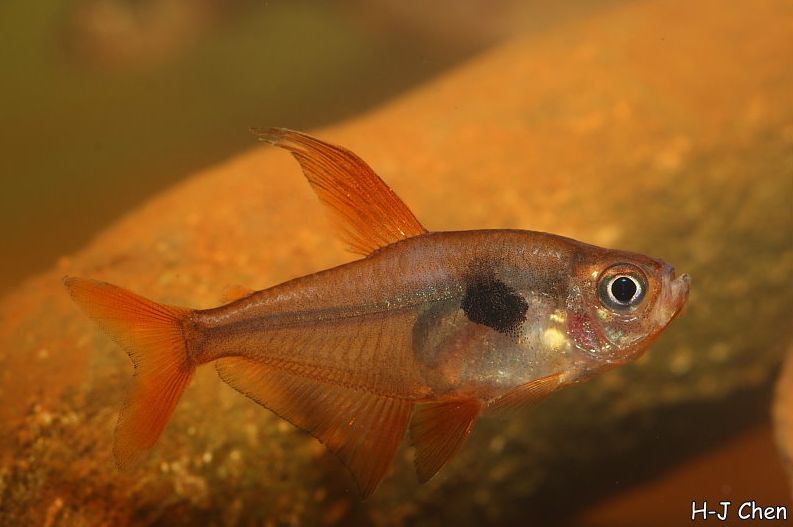
斯氏多齿脂鲤 · Red Phantom Tetra
概要
| 字段 | 值 |
|---|---|
| 类别 | 鱼 |
| 学名 | Megalamphodus sweglesi |
| 别名 | 史氏魮脂鲤、斯氏多齒脂鯉、史氏魮脂鯉、Hyphessobrycon sweglesi |
| 分类 | 脂鲤目 Characiformes › 脂鲤科 Characidae › Megalamphodus |
| 水体 | 淡水 |
| 原产地 | 哥伦比亚、委内瑞拉 |
| 成体体长 | 3.5 cm |
| 饲养难度 | 入门 |
| 最小水体 | 72 L |
| 最小缸长 | 80 cm |
| 群居方式 | 群游 |
| 性情 | 温和 |
| 外部数据 | seriouslyfish megalamphodus-sweglesi;fishbase 10659 |
| 繁殖方式 | 散卵 |
水质参数
| 参数 | 耐受范围 | 最适范围 | 单位 |
|---|---|---|---|
| 水温 | 20–28 | — | °C |
| pH | 4.5–7.5 | — | — |
| 总硬度 | 1–12 | — | dGH |
概述
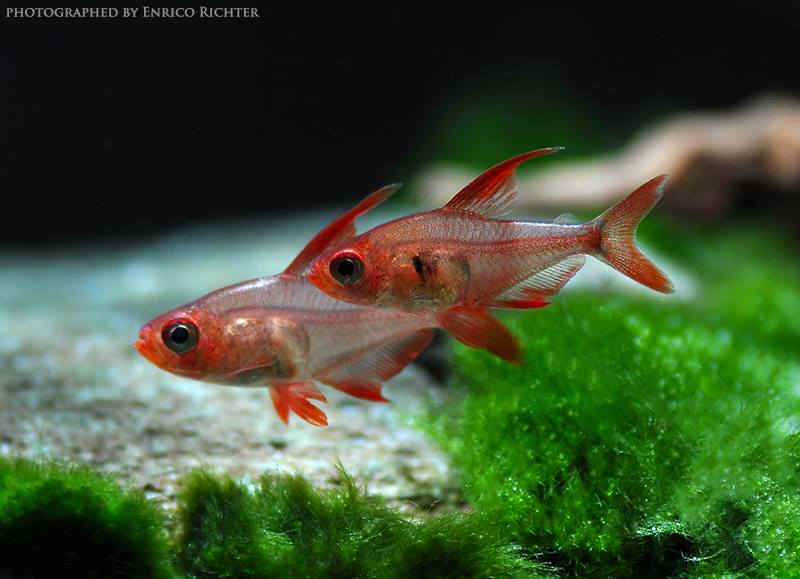
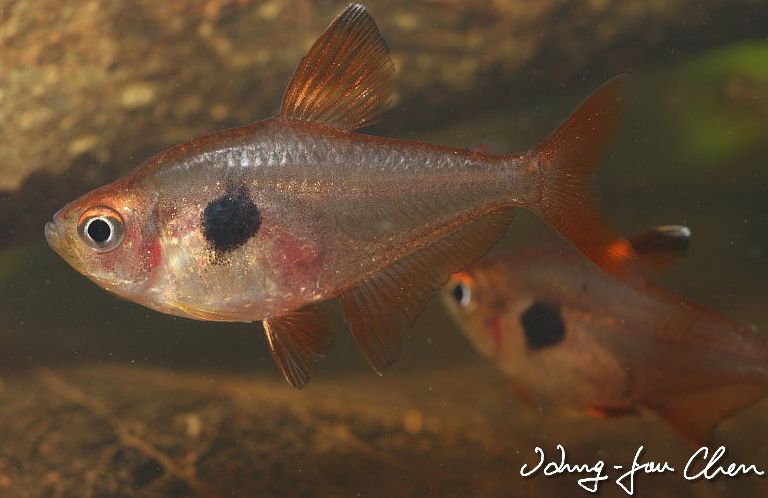
斯氏多齿脂鲤(Megalamphodus sweglesi)是一种适合成群饲养的小型脂鲤。雄鱼展示时会张开延长的鳍,植被、暗色背景和足够同伴有助于呈现体色。市场上的红色型仍属于同一物种。
分布与栖息地
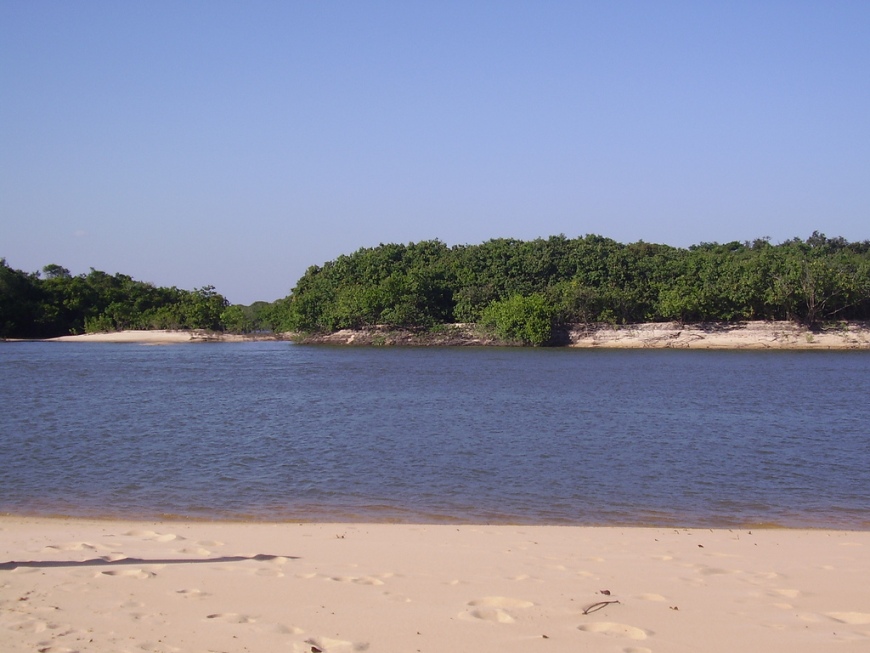
原生于哥伦比亚和委内瑞拉奥里诺科河中上游水系,分布涉及多个支流。它似乎更偏好小支流、牛轭湖和季节性淹水林,而非主河道。栖息地并不全是同一种水色:利亚诺斯地区的棕榈沼泽溪流可清澈、有沙底及浓密植被,其他地点则包括流动黑水和较静的泛滥平原湖泊。雨季洪水会显著改变这些水域。
饲养环境
宜提供至少约 80 × 30 cm 的缸底面积。可用沙底、沉木和枝条形成遮蔽,也适合水草较密的布置。落叶能增加躲藏处,分解过程中形成的微生物可供成鱼和鱼苗取食。保留可供群鱼活动的水域,避免整个缸都被装饰占满。
食性与喂食
自然食物可能包括小型无脊椎动物、藻类及落入水中的果实。在缸中可组合优质小颗粒或薄片与水蚤、丰年虾、摇蚊幼虫等活饵或冷冻饵,按鱼的口径提供适量食物。
习性与混养
总体温和,可与体型接近、性情平和的鱼搭配。建议至少 8~10 条、雌雄混合饲养;群体中的雄鱼会形成暂时的等级关系,并为吸引雌鱼而展示。充足同伴也让这些互动更自然。
雌雄区分
雄鱼背鳍和臀鳍较延长;成熟雌鱼腹部更饱满、体形较深。
繁殖
散卵,无亲鱼护卵行为。希望提高育苗数量时,可准备光线较暗、装有成熟水的繁殖缸,用细叶植物、产卵拖把或隔网、玻璃珠遮护卵。水质以弱酸至中性、温度在适宜范围偏高处为宜,轻柔充气即可。
充分育肥后,可放入一对亲鱼,或 1~2 尾雄鱼与数尾雌鱼;产卵常在次日清晨发生。发现卵后移出成鱼。初期鱼苗需要草履虫或足够细小的专用饵,长大后再喂丰年虾无节幼体、微虫等。
补充说明
红色商品型过去曾被称作“rubra”,其红色并非单由饲料造成。2014 年的形态比较支持将它与普通色型视为同种。红色与黑水环境的关联仍属解释性假说,不能据颜色反推个体产地。
图片
图片来自 SeriouslyFish,版权归各摄影者所有。
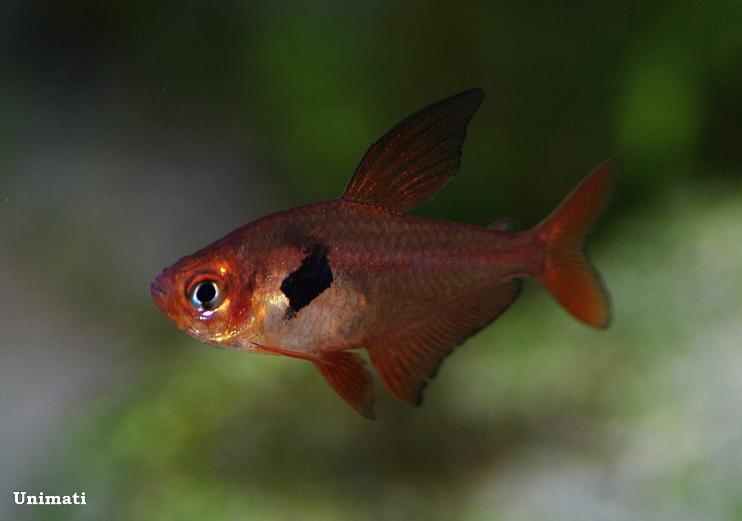
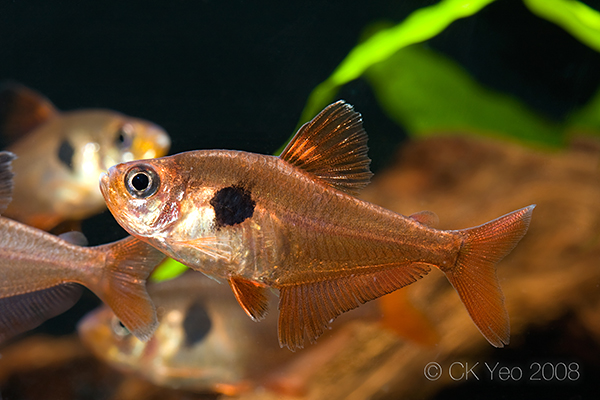
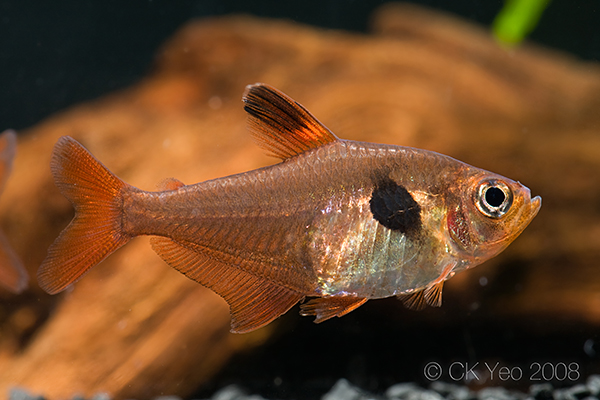
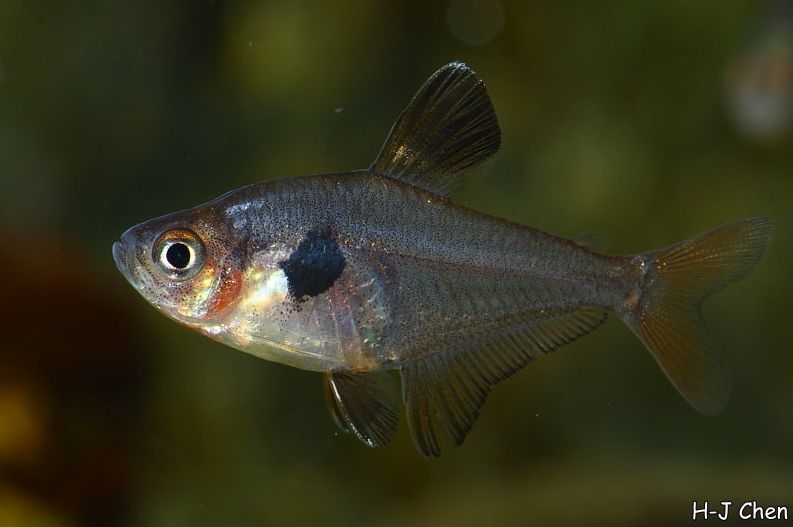
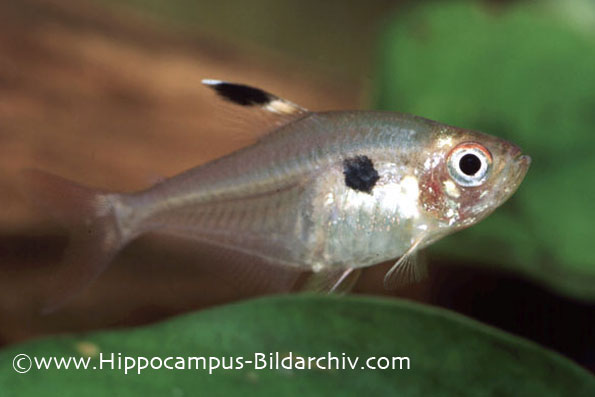
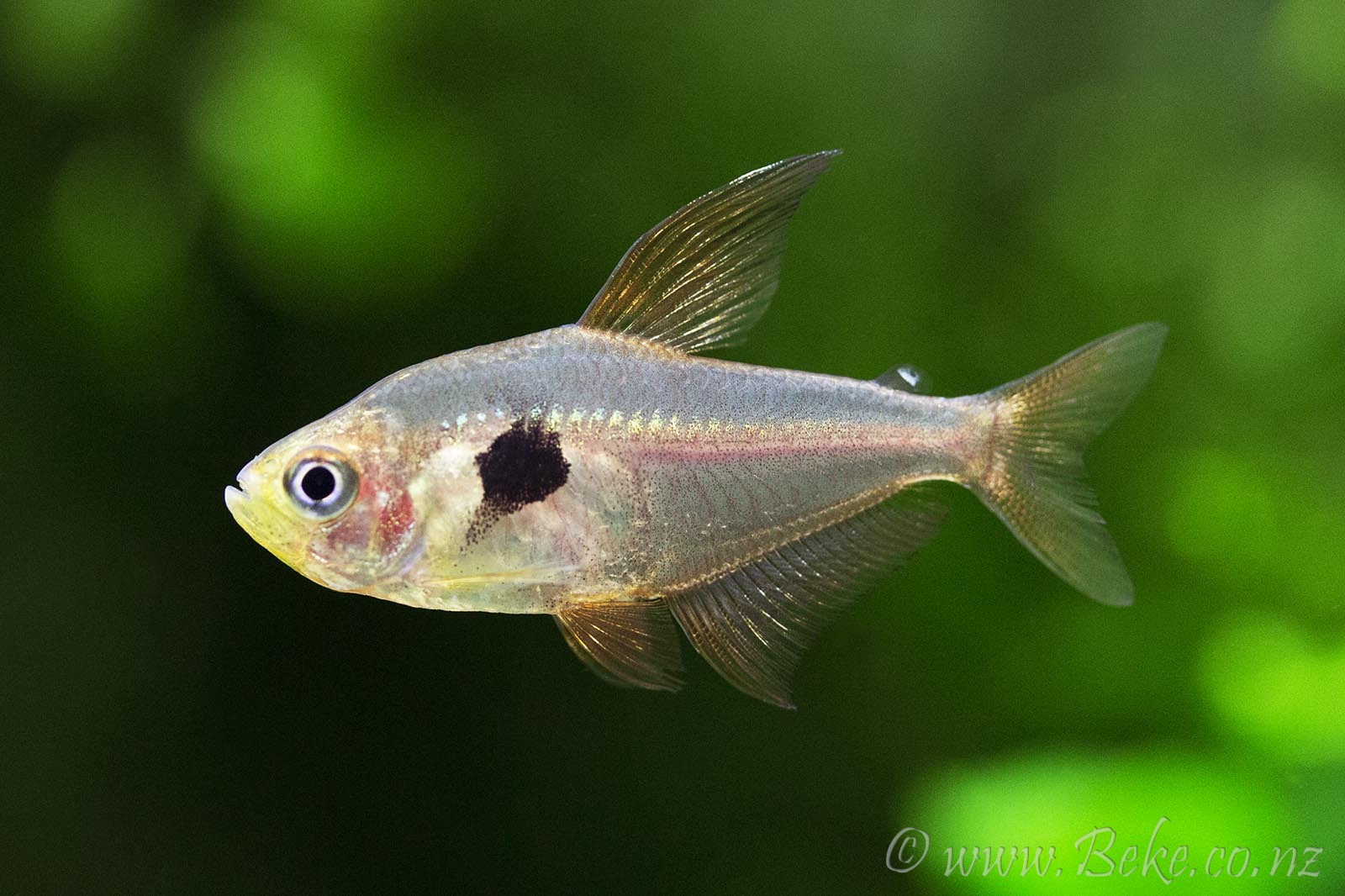
English
Overview
Megalamphodus sweglesi, the red phantom tetra, is a small schooling fish whose extended male fins and display colors are best appreciated in a planted aquarium with a proper group. The intensely red form sold in the trade belongs to the same species.
Distribution & habitat
Its native range spans the upper and middle Orinoco drainage in Colombia and Venezuela. Smaller tributaries, oxbows, and seasonally flooded forests appear to be favored over the main river. Habitat varies: palm-associated streams in the Llanos can be clear, sandy, and densely vegetated, while other populations occupy flowing blackwater or quieter floodplain lakes. Seasonal flooding reshapes these environments extensively.
Aquarium setup
Allow a footprint of about 80 × 30 cm or more. A planted layout or sand with driftwood and branches can provide cover while leaving room for the group to move. Leaf litter adds shelter and supports microorganisms that adults and fry can eat as it decomposes.
Diet & feeding
The wild diet probably includes small invertebrates, algae, and fallen fruit. In captivity, alternate suitably sized prepared foods with live or frozen Daphnia, Artemia, and bloodworms. Offer portions and particle sizes that the fish can handle readily.
Behaviour & compatibility
This is generally a peaceful companion for similarly sized, mild-mannered fishes. Keep at least 8–10 individuals, including both sexes. Males establish temporary rankings and display to attract females; a substantial group provides scope for these interactions.
Sexual dimorphism
Male dorsal and anal fins become extended. Mature females have deeper bodies and fuller abdomens.
Breeding
Eggs are scattered and receive no parental protection. For a deliberate breeding attempt, use a dim aquarium with mature water and fine plants, spawning mops, mesh, or marbles that put the eggs beyond the adults' reach. Slightly acidic to neutral water, a temperature toward the upper end of the suitable range, and gentle aeration are appropriate.
Condition the fish well, then introduce a pair or one or two males with several females. Spawning often follows the next morning. Remove adults once eggs are found. Newly feeding fry need Paramecium or a very fine fry food before they can manage Artemia nauplii or microworms.
Notes
The red commercial form, formerly called “rubra,” does not owe its color solely to its food. Morphological work published in 2014 treated it as conspecific with the ordinary form. A proposed association between red coloration and blackwater habitat remains a hypothesis rather than a reliable way to establish a fish's origin.
来源
- https://www.seriouslyfish.com/species/megalamphodus-sweglesi(抓取于 2026-10-10)
megalamphodus-sweglesi · 文件: data/species/megalamphodus-sweglesi.md · 状态: 草稿