索氏魮脂鲤 · Lesser Bleeding Heart Tetra
概要
| 字段 | 值 |
|---|---|
| 类别 | 鱼 |
| 学名 | Megalamphodus socolofi |
| 别名 | 索氏魮脂鯉、Hyphessobrycon socolofi |
| 分类 | 脂鲤目 Characiformes › 脂鲤科 Characidae › Megalamphodus |
| 水体 | 淡水 |
| 原产地 | 巴西 |
| 成体体长 | 5.6 cm |
| 饲养难度 | 中等 |
| 最小水体 | 81 L |
| 最小缸长 | 90 cm |
| 群居方式 | 群游 |
| 性情 | 温和 |
| 外部数据 | seriouslyfish megalamphodus-socolofi;fishbase 12385 |
| 食性 | 杂食 |
| 领地性 | 是 |
| 繁殖方式 | 散卵 |
水质参数
| 参数 | 耐受范围 | 最适范围 | 单位 |
|---|---|---|---|
| 水温 | 22–28 | — | °C |
| pH | 4–7.5 | — | — |
| 总硬度 | 1–10 | — | dGH |
概述
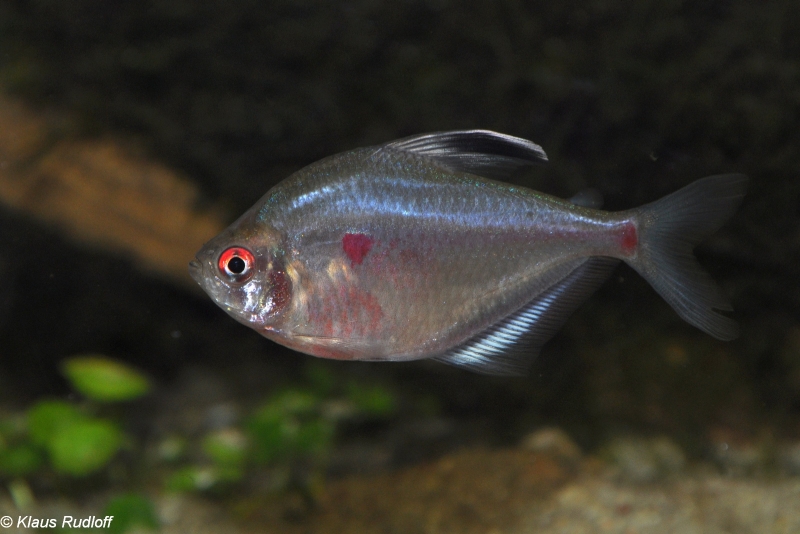
索氏魮脂鲤(Megalamphodus socolofi)同样拥有红色肩斑,属于几种易混淆的“红心”灯鱼之一。整体温和,成年雄鱼有一定领地意识,适宜以雌雄混合群体养在成熟、清洁的水族箱中。
分布与栖息地
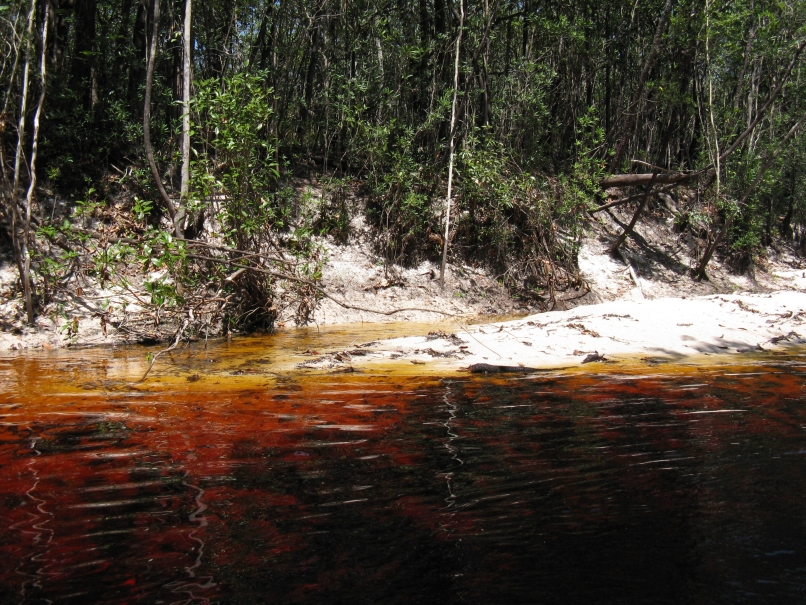
已知来自巴西亚马孙州 Negro 河流域及 Nhamundá 河,Negro 水系内包括 Branco、Padauari、Marauiá 等支流。
多生活在缓流支流、支汊和森林湖,靠近沉木、根枝、悬垂植物或水草,水常较软、缓冲弱并受腐殖质染色。也有深岸边流动水域及低地洪泛林旁沟渠的记录,其中曾观察到约 60~100 条聚集。
饲养环境
至少约 90 × 30 cm 底面积。深色底床、水草和沉木阴影利于显色;软沙、落叶及浮水植物可构成自然环境,落叶微生物还能供鱼苗补充取食。照明偏暗,耐阴植物较合适。
不能容忍有机污染不断累积,应待过滤成熟后入鱼,并把每周换水作为固定维护。
食性与喂食
自然为机会性杂食,部分地点胃含物几乎都是果实,另一些地点同时发现昆虫、果实和鱼鳞等,说明会利用不同食物来源。
人工可用红虫、水蚤、丰年虾等活饵或冻饵搭配薄片、颗粒,部分配合饵含植物或藻类成分。新鲜果肉浸水后也会被啄食,但只留数小时就应取走。
习性与混养
至少 8~10 条、雌雄混合饲养,合适的其他群游鱼可增加安全感。雄鱼为雌鱼注意和地位竞争时颜色更鲜明,也可能对外形相近的鱼表现领地性。
可考虑体型相近的温和脂鲤、小型底层鲶类及不捕鱼的中型慈鲷,兼顾空间和水质相容。
雌雄区分
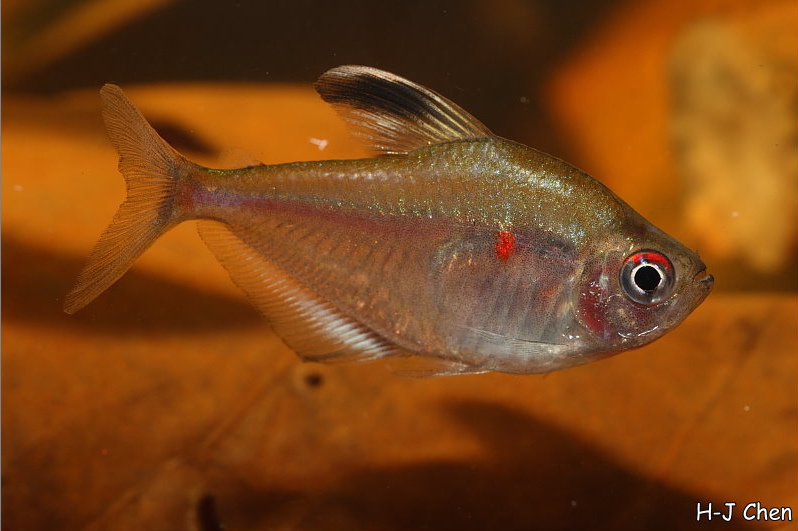
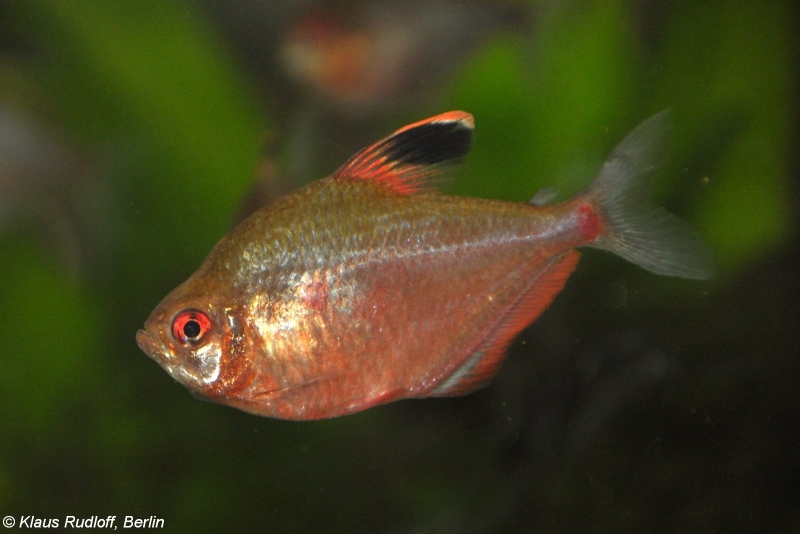
雄鱼明显更大、更鲜艳,成年背鳍、腹鳍与臀鳍延长。雌鱼身形更圆,抱卵时尤其明显。
繁殖
散卵型,亲鱼不照顾后代。
补充说明
相较红点魮脂鲤(Megalamphodus erythrostigma),本种成年臀鳍白带覆盖范围较小,雄鱼臀鳍最长的是第三分枝鳍条。近似类群的遗传关系仍有待进一步整理,不能只凭红肩斑确认种类。
图片
图片来自 SeriouslyFish,版权归各摄影者所有。
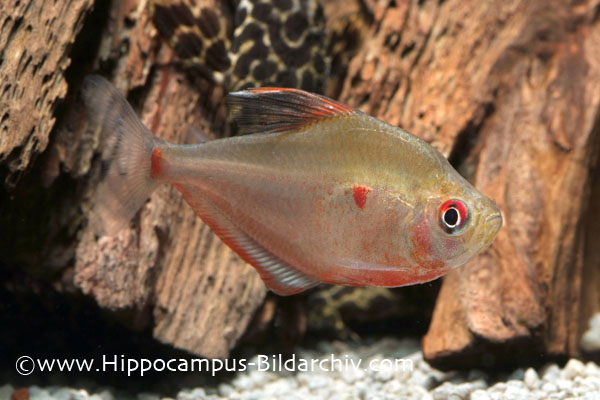
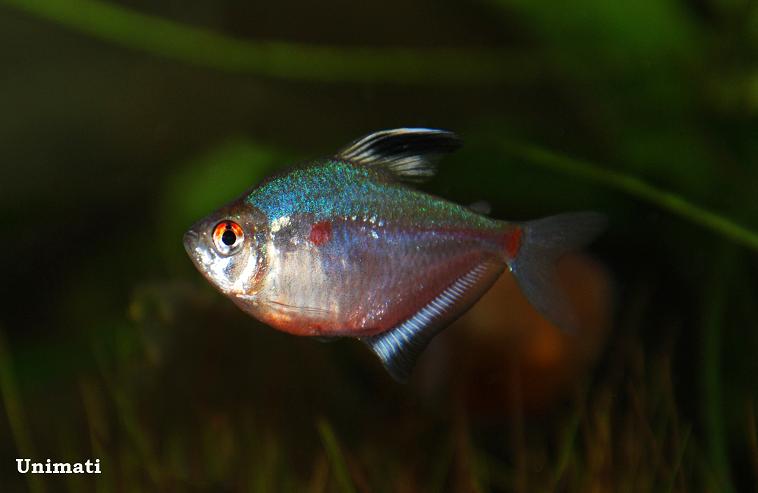
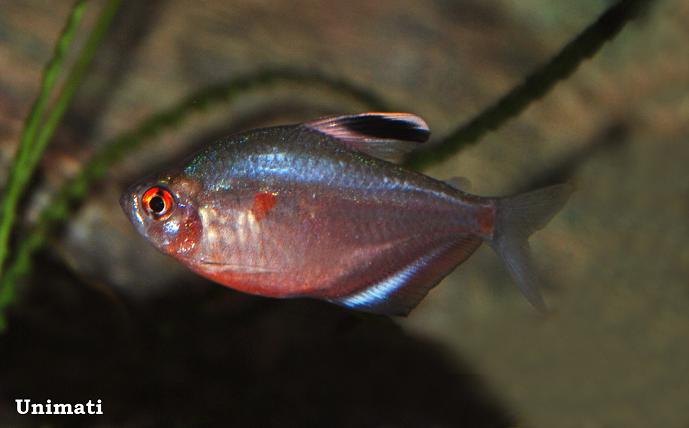
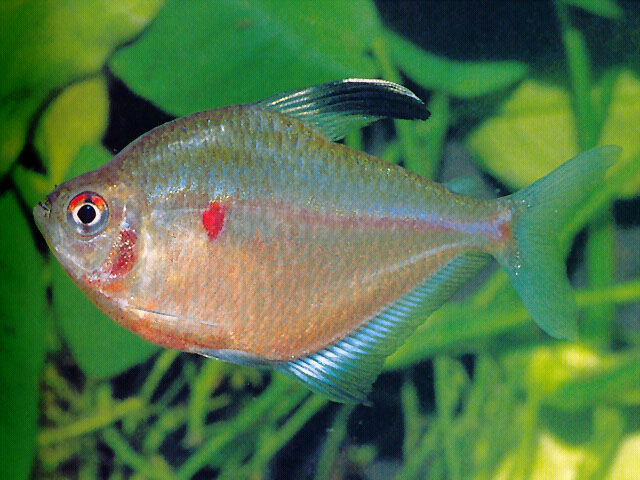
English
Overview
The red shoulder mark of Megalamphodus socolofi is shared with several similar bleeding-heart tetras. Generally peaceful but somewhat territorial in adult males, it benefits from a mixed-sex group and a clean, biologically mature aquarium.
Distribution & habitat
Known localities lie in Brazil's Negro basin and the Nhamundá drainage. Negro tributaries include the Branco, Padauari, and Marauiá.
Sluggish tributaries, side channels, and forest lakes usually provide roots, fallen wood, overhanging plants, and soft, weakly buffered humic water. Records also include deeper flowing margins and a ditch beside a lowland floodplain creek, where groups of roughly 60–100 were observed.
Aquarium setup
Allow at least approximately 90 × 30 cm of floor space. A dark substrate, plants, and shaded woodwork enhance color. Sand, leaves, and floating plants create a natural setting, with leaf-associated microorganisms supplementing fry nutrition. Use subdued lighting and suitable shade-tolerant plants.
Organic pollution must not accumulate. Introduce fish only after filtration is mature and maintain a weekly water-change routine.
Diet & feeding
An opportunistic omnivore, it shows variable wild food use. Some samples contained almost entirely fruit, while others included insects, fruit, and fish scales.
Offer live or frozen bloodworms, Daphnia, and Artemia alongside quality flakes and granules, including products with plant or algal content. Submerged fresh fruit may be grazed, but remove it within a few hours.
Behaviour & compatibility
Maintain at least eight to ten of mixed sex. Other suitable schooling fish can increase confidence. Competing males show stronger color, though territorial displays may also target similarly shaped species.
Mild characins of comparable size, small bottom-dwelling catfishes, or non-piscivorous medium cichlids are potential companions when space and water requirements align.
Sexual dimorphism
Males become notably larger and more colorful, with extended dorsal, pelvic, and anal fins. Females are rounder, especially when gravid.
Breeding
Eggs are scattered without parental care.
Notes
Compared with Megalamphodus erythrostigma, the adult white anal-fin band covers a smaller portion, and the third branched anal ray is longest in males. Genetic relationships within the similar-looking group remain under study, so a red shoulder spot alone does not identify the species.
来源
- https://www.seriouslyfish.com/species/megalamphodus-socolofi(抓取于 2026-10-10)
megalamphodus-socolofi · 文件: data/species/megalamphodus-socolofi.md · 状态: 草稿