黑鳍多齿脂鲤 · Black Phantom Tetra
概要
| 字段 | 值 |
|---|---|
| 类别 | 鱼 |
| 学名 | Megalamphodus megalopterus |
| 别名 | 大鳍魮脂鲤、黑鰭多齒脂鯉、大鰭魮脂鯉、Megalamphodus rogoaguae、Hyphessobrycon megalopterus |
| 分类 | 脂鲤目 Characiformes › 脂鲤科 Characidae › Megalamphodus |
| 水体 | 淡水 |
| 原产地 | 玻利维亚、巴西 |
| 成体体长 | 3.6 cm |
| 饲养难度 | 入门 |
| 最小水体 | 72 L |
| 最小缸长 | 80 cm |
| 群居方式 | 群游 |
| 性情 | 温和 |
| 外部数据 | seriouslyfish megalamphodus-megalopterus;fishbase 10658 |
| 繁殖方式 | 散卵 |
水质参数
| 参数 | 耐受范围 | 最适范围 | 单位 |
|---|---|---|---|
| 水温 | 20–28 | — | °C |
| pH | 5–7 | — | — |
| 总硬度 | 1–12 | — | dGH |
概述
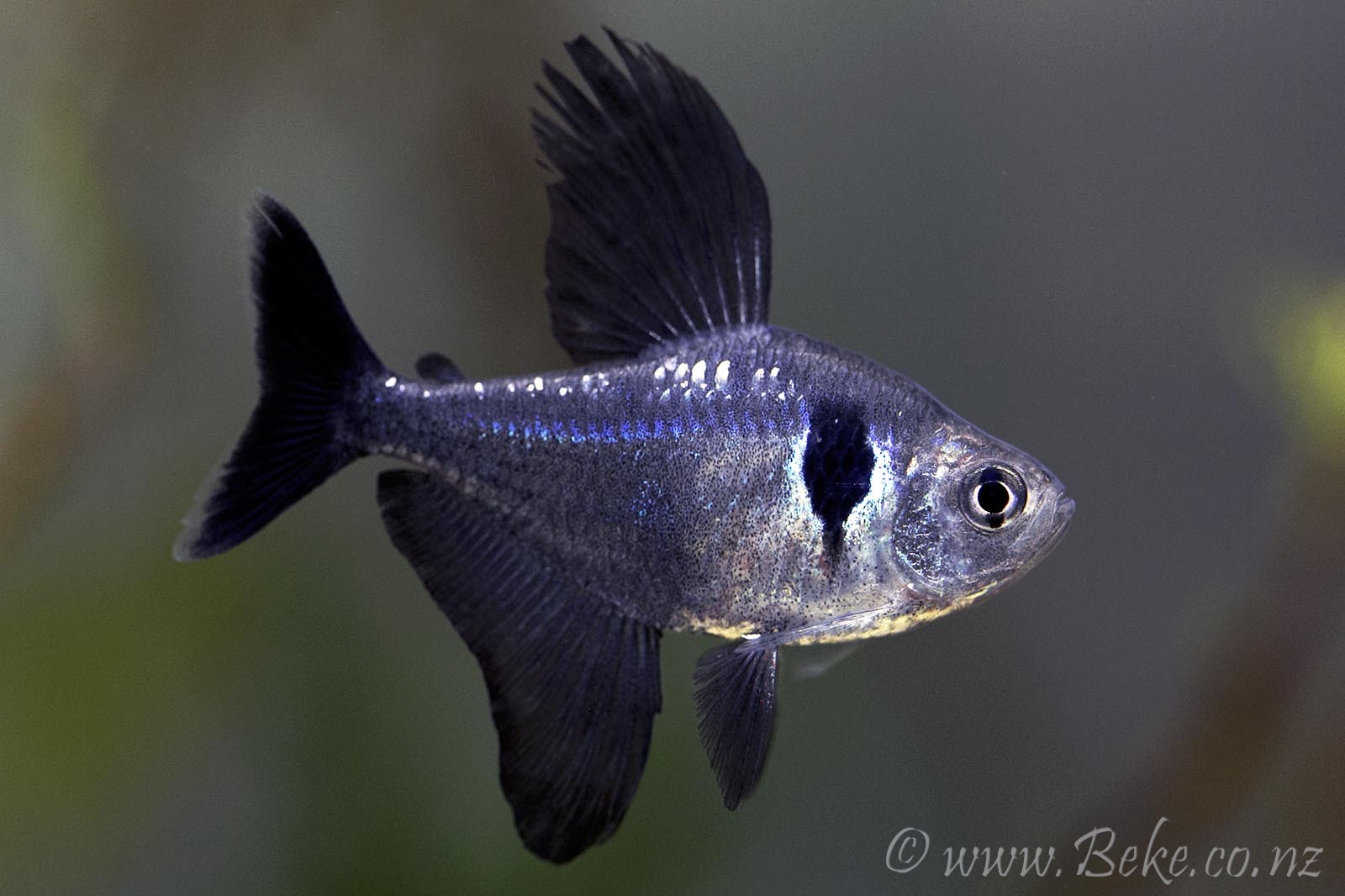
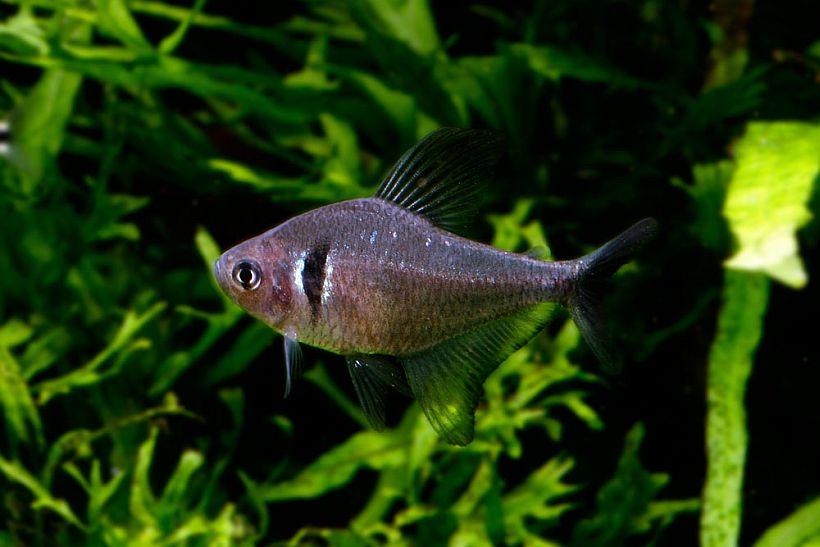
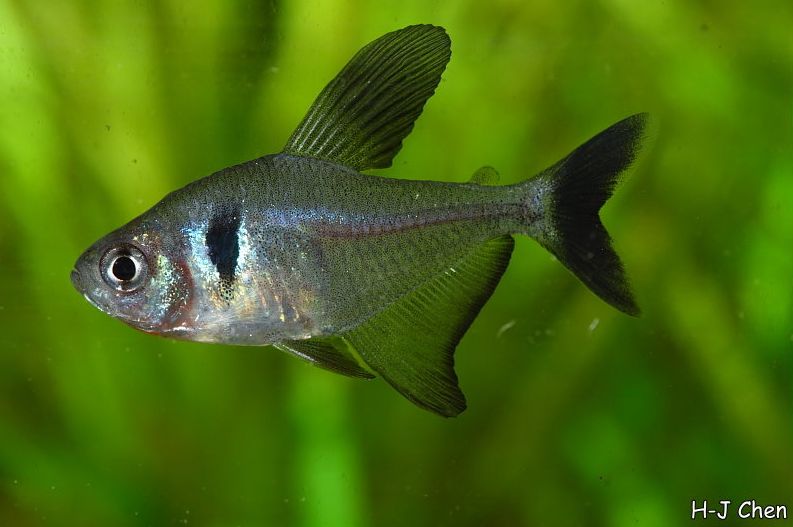
黑鳍多齿脂鲤(Megalamphodus megalopterus)是温和群居灯鱼,雄鱼黑色大鳍与雌鱼偏红的部分鳍形成明显差别。同种数量充足时,雄鱼展示、争取群体地位的行为更容易观察,体色也更好。
分布与栖息地
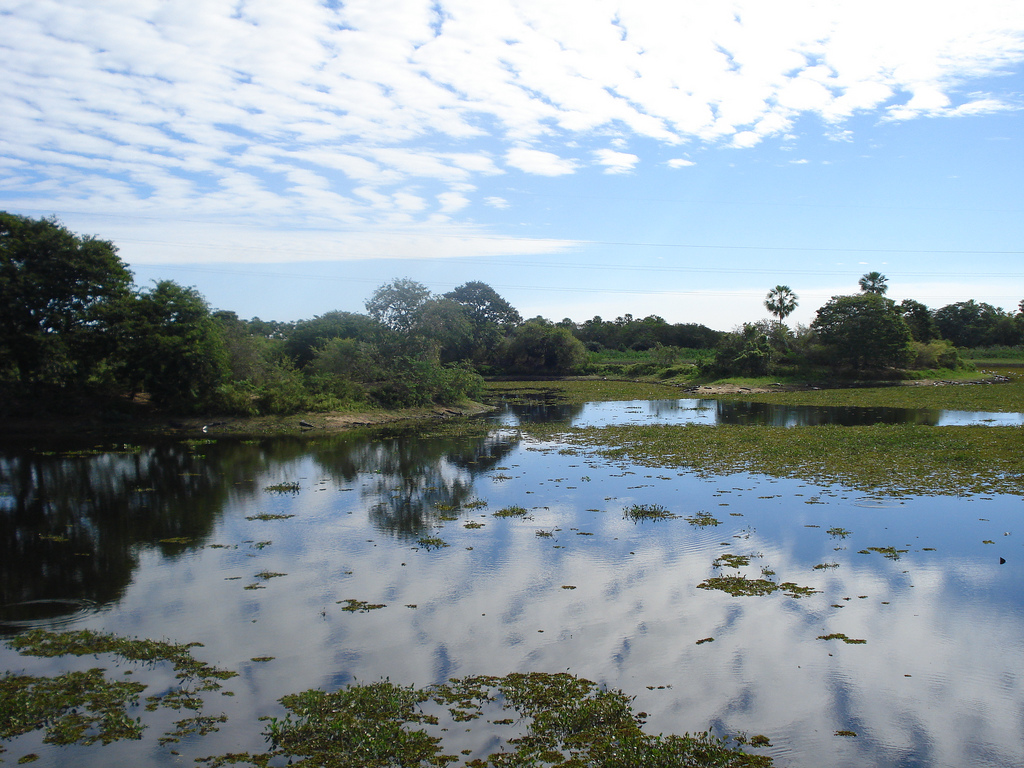
分布于玻利维亚和巴西的 Madeira 河上游,包括 Beni、Mamoré 等支流,以及巴西巴拉圭河上游,许多记录来自 Guaporé 河,也称 Iténez 河。
常见于静水或缓流支流、回水区、池塘和小湖,在岸边植物和沉水根枝附近聚集。潘塔纳尔湿地部分环境水很清,沉水植物丰富。
饲养环境
至少约 80 × 30 cm 底面积。可用沙底、沉木根枝营造自然布置,也可采用茂密水草缸。落叶增加躲藏空间,分解形成的微生物能给成鱼和鱼苗提供补充食物。
食性与喂食
野外可能杂食,取食小型无脊椎动物、甲壳动物、丝状藻及落果等。人工可接受干粮,仍宜搭配红虫、孑孓、水蚤等活饵或冻饵,而非长期单一投喂。
习性与混养
通常很温和,可与体型相近的脂鲤、小型温和底层鱼及不捕鱼的中小型慈鲷搭配。至少养 8~10 条,雌雄混合;群体会形成暂时等级,雄鱼为雌鱼注意和位置竞争,展现更自然的行为。
雌雄区分
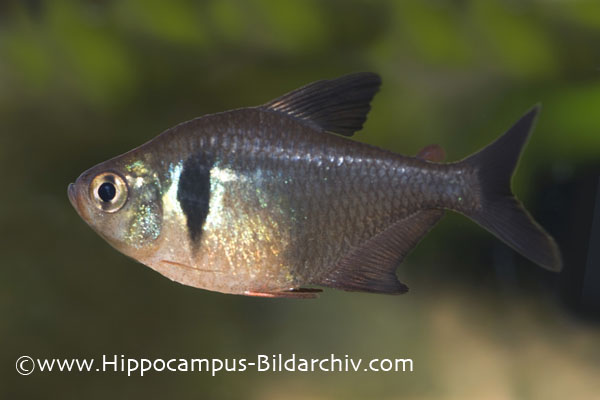
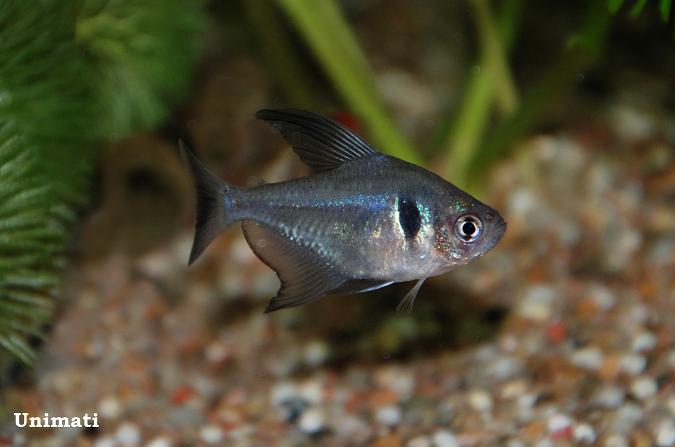
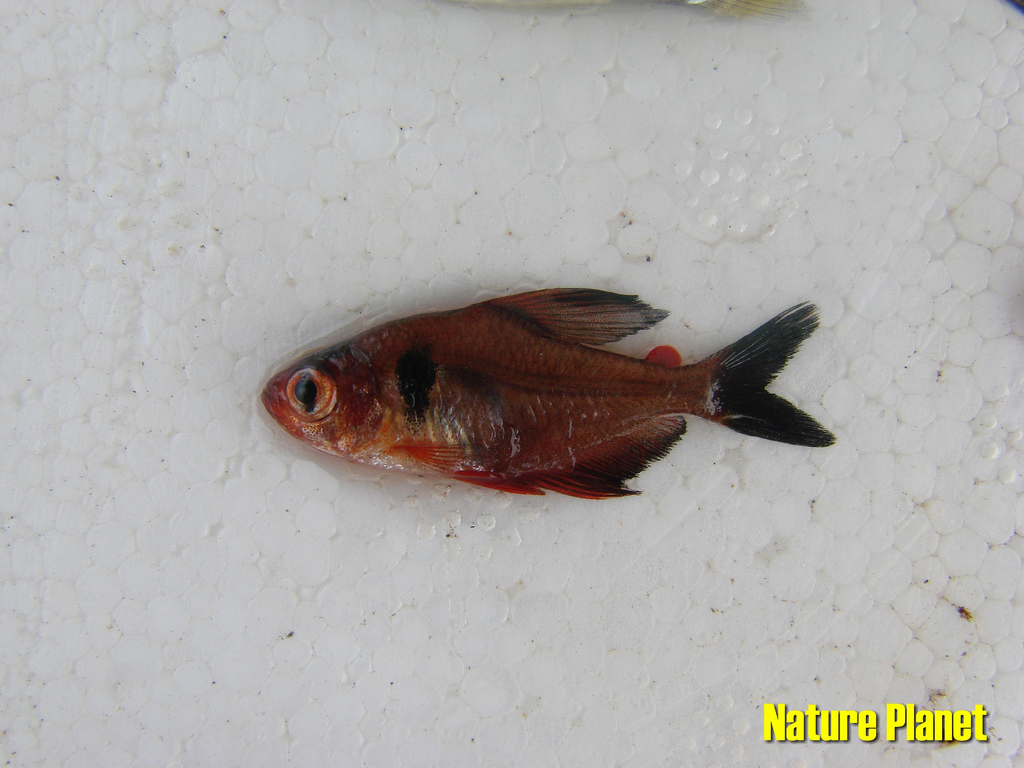
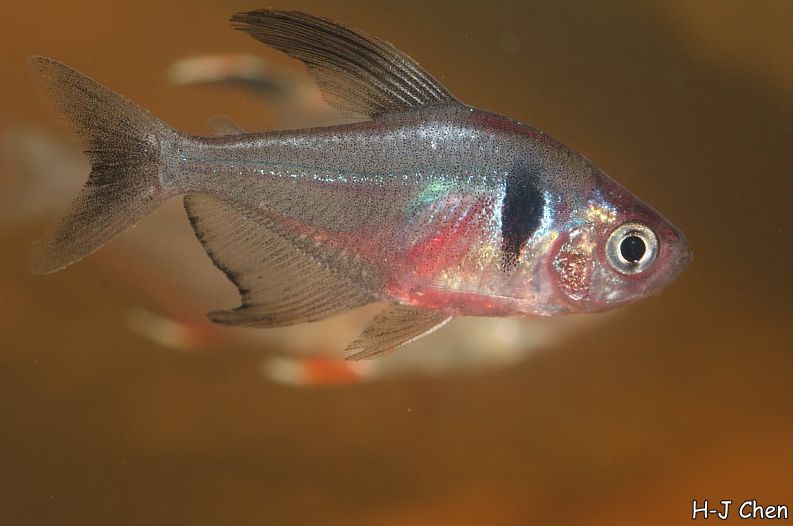
成年雄鱼鳍黑,腹鳍、背鳍和臀鳍明显增大。雌鱼体高更深,腹鳍、臀鳍及脂鳍往往偏红。
繁殖
散卵型,不护卵育幼。良好状态下常产卵,成熟缸可能偶见少量鱼苗。若需提高保苗率,另设暗光繁殖缸,成熟水配细叶植物、产卵拖把、玻璃珠或网格,让卵脱离亲鱼取食范围。
调养好的一对,或一两雄与数雌可转入其中,通常次晨观察卵。水偏弱酸至中性,温度可向适温范围上端靠近,用气动海绵过滤或气石保持供氧。产后分开亲鱼与卵。
鱼苗先吃草履虫或足够细的开口粉,能够吞咽后再改喂丰年虾无节幼体、微虫等。
补充说明
常见于水族贸易,多国有商业繁殖,偶尔也有长鳍人工品系。旧文献曾在不同属间调整归属,因此同一种鱼可能以不同旧学名出现,鉴别时结合大肩斑、深色大鳍及雌雄差异。
图片
图片来自 SeriouslyFish,版权归各摄影者所有。
English
Overview
Male Megalamphodus megalopterus display enlarged black fins, contrasting with the reddish fins of females. This peaceful social tetra is most engaging in a substantial group, where displays and temporary rank competition bring out color and natural behavior.
Distribution & habitat
It occurs in upper Madeira drainages in Bolivia and Brazil, including the Beni and Mamoré, and in the upper Paraguay in Brazil. Many records come from the Guaporé, also called the Iténez.
Still or sluggish tributaries, backwaters, ponds, and small lakes provide gatherings around marginal vegetation and submerged roots. Some Pantanal habitats are exceptionally clear and rich in underwater plants.
Aquarium setup
A footprint of at least approximately 80 × 30 cm is appropriate. Sand, roots, and branches create a natural arrangement, while dense planting is another option. Leaves provide cover and microbial growth that can supplement both adult and fry nutrition.
Diet & feeding
The wild diet is probably mixed, including small invertebrates, crustaceans, filamentous algae, and fallen fruit. Dry foods are accepted, with live or frozen bloodworms, mosquito larvae, and small water fleas providing a varied menu.
Behaviour & compatibility
Its mild nature suits appropriately chosen companions, including comparable characins, small peaceful bottom dwellers, and non-piscivorous small or medium cichlids. Maintain at least eight to ten of mixed sex. Temporary hierarchies and male competition for females add interest and strengthen display colors.
Sexual dimorphism
Adult males have black fins, with the pelvic, dorsal, and anal enlarged. Females are deeper-bodied and usually show reddish pelvic, anal, and adipose fins.
Breeding
Eggs are scattered without subsequent parental care. Well-conditioned fish may spawn often, and some fry can survive in a mature aquarium. For better yields, use a separate dim tank with mature water and fine plants, spawning mops, marbles, or mesh protecting eggs from the adults.
Introduce a conditioned pair or one or two males with several females, checking for eggs the following morning. Slightly acidic to neutral water, temperatures toward the upper suitable range, and gentle sponge filtration or aeration are appropriate. Separate the breeders and clutch after spawning.
Start fry on Paramecium or very fine prepared starter food, then move to Artemia nauplii and microworms when their mouths are large enough.
Notes
Commercial breeding supplies much of the trade, with a long-finned ornamental form sometimes available. Historical shifts between genera explain the variety of older scientific names. A large shoulder mark, enlarged dark male fins, and sexual differences aid identification.
来源
- https://www.seriouslyfish.com/species/megalamphodus-megalopterus(抓取于 2026-10-10)
megalamphodus-megalopterus · 文件: data/species/megalamphodus-megalopterus.md · 状态: 草稿