哈氏魮脂鲤 · Crystal Red Tetra
概要
| 字段 | 值 |
|---|---|
| 类别 | 鱼 |
| 学名 | Megalamphodus haraldschultzi |
| 别名 | 哈氏魮脂鯉、Hemigrammus haraldschultzi、Hyphessobrycon haraldschultzi |
| 分类 | 脂鲤目 Characiformes › 脂鲤科 Characidae › Megalamphodus |
| 水体 | 淡水 |
| 原产地 | 巴西 |
| 成体体长 | 2.5 cm |
| 饲养难度 | 入门 |
| 最小水体 | 54 L |
| 最小缸长 | 60 cm |
| 群居方式 | 群游 |
| 性情 | 温和 |
| 水流偏好 | 低 |
| 外部数据 | seriouslyfish megalamphodus-haraldschultzi;fishbase 46316 |
| 繁殖方式 | 散卵 |
水质参数
| 参数 | 耐受范围 | 最适范围 | 单位 |
|---|---|---|---|
| 水温 | 20–28 | — | °C |
| pH | 5–7 | — | — |
| 总硬度 | 1–10 | — | dGH |
概述
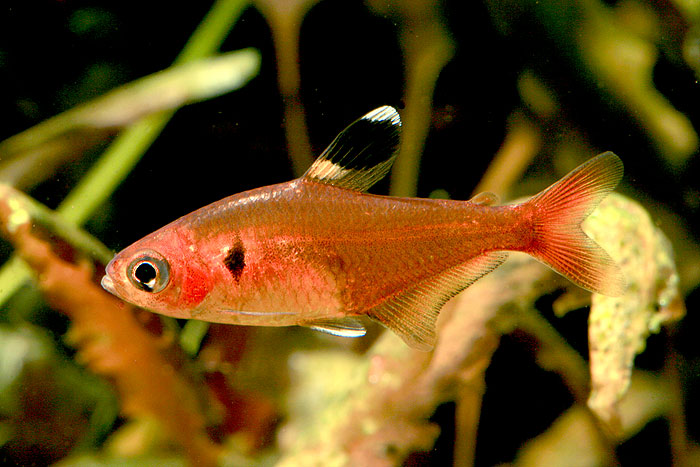
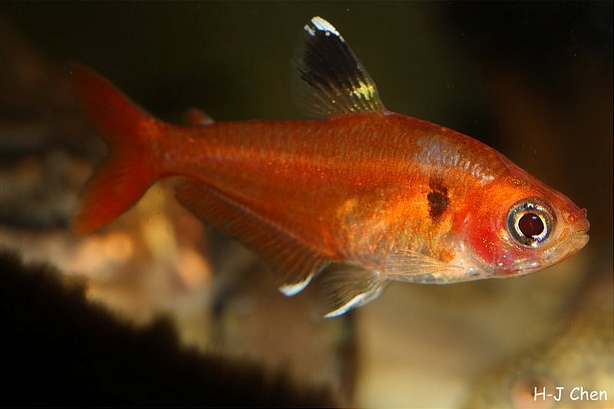
哈氏魮脂鲤(Megalamphodus haraldschultzi)是小型温和灯鱼,偶尔作为混获个体出现在其他鱼的货批中。它和一些红色灯鱼很像,但背鳍暗斑较小,上方白斑、下方淡黄带的组合可帮助识别。
分布与栖息地
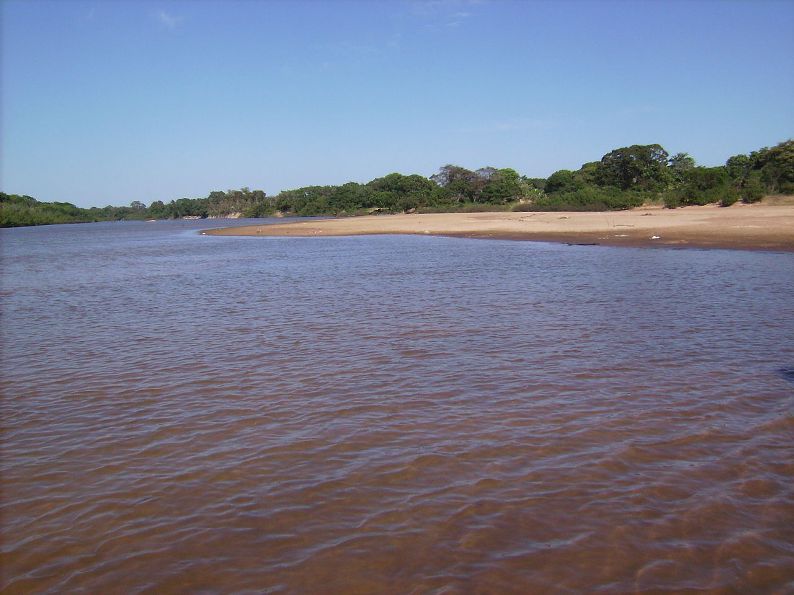
巴西 Araguaia 河水系特有,完整分布范围仍不明确,模式产地为 Bananal 岛。可能主要利用小支流、回水和牛轭湖,而不是主河道;这类环境常为软、弱酸水,底部有落叶和枝木。
饲养环境
至少约 60 × 30 cm 底面积,可用沙底、沉木根枝,也适合水草缸。浮水植物和落叶可增加遮蔽,落叶分解时形成的微生物可作鱼苗辅助食物。气动海绵过滤通常足够,保持温和循环,少量水流也能接受。
食性与喂食
自然食物可能包括小型无脊椎动物、甲壳动物、丝状藻及落果。人工可吃干粮,但更适合多样菜单,搭配红虫、孑孓、水蚤等活饵或冻饵。
习性与混养
性情温和,建议至少 8~10 条、雌雄混合饲养,也可搭配其他适合的群居鱼增加安全感。体型相近的温和脂鲤、小型底层鲶类或不捕食鱼的中小型慈鲷可作为选择方向。
雌雄区分
成熟雌鱼体形明显更圆,通常略大于雄鱼。
繁殖
散卵且不护幼,状态好时会经常产卵,成熟缸偶有鱼苗自行存活。提高保苗率可另设暗光繁殖缸,用成熟水和防亲鱼吃卵的底网、玻璃珠、细叶植物或产卵拖把。
先共同调养,再放入一对,或一两雄配数雌,常可在次晨发现卵。水宜弱酸至中性,温度向适温上端靠近,用气石或海绵过滤提供供氧与轻微水流。发现卵后将亲鱼与卵分开。
鱼苗先吃草履虫或极微细开口粉,长大后再转丰年虾无节幼体、微虫等。
补充说明
与艳魮脂鲤(Megalamphodus eques)相比,本种背鳍暗斑不覆盖大部分鳍面,其上白斑、下方黄带较明显,暗斑底缘也较平行于身体背线。仅凭红色体色或肩斑不易可靠区分。
图片
图片来自 SeriouslyFish,版权归各摄影者所有。
English
Overview
The small, peaceful Megalamphodus haraldschultzi occasionally reaches aquaria as bycatch in other shipments. Its red coloration can resemble related tetras, but the relatively restricted dorsal mark, bordered by white above and pale yellow below, is a useful clue.
Distribution & habitat
It is endemic to Brazil's Araguaia system, with Bananal Island as the type locality and the full range unresolved. Minor tributaries, backwaters, and oxbows are presumed habitats rather than the main channel. Such environments commonly contain soft, mildly acidic water over leaves and branches.
Aquarium setup
Provide at least approximately 60 × 30 cm of floor space. Sand with roots and branches or a planted arrangement is suitable. Floating cover and leaves add shelter; decomposing leaves support microorganisms useful as supplementary fry food. Gentle sponge filtration normally suffices, although some water movement is tolerated.
Diet & feeding
Small invertebrates, crustaceans, filamentous algae, and fruit are likely natural foods. Dry preparations are accepted, but include live or frozen bloodworms, mosquito larvae, and small water fleas for variety.
Behaviour & compatibility
Maintain a mixed-sex group of at least eight to ten. Other compatible schooling fishes can provide security. Mild, similarly sized characins, small bottom-dwelling catfishes, or non-piscivorous small to medium cichlids are possible companions.
Sexual dimorphism
Mature females are fuller-bodied and usually a little larger.
Breeding
This egg scatterer provides no parental care. Conditioned adults may spawn frequently, and occasional young can survive in a mature tank. For higher yields, prepare a separate dim aquarium with mature water and egg protection using mesh, marbles, fine plants, or spawning mops.
After conditioning the group, introduce a pair or one or two males with several females. Eggs are often found the following morning. Use mildly acidic to neutral water, temperatures toward the upper suitable range, and gentle aeration or sponge filtration. Separate adults from the eggs once spawning is detected.
Begin with Paramecium or extremely fine starter foods, progressing to Artemia nauplii and microworms as fry grow.
Notes
In Megalamphodus eques, darkness covers much more of the dorsal fin. Here the mark is smaller, with white above, yellow below, and a lower edge roughly parallel to the body. Red coloration or the shoulder spot alone is insufficient for confident separation.
来源
ID:megalamphodus-haraldschultzi · 文件: data/species/megalamphodus-haraldschultzi.md · 状态: 草稿