红点魮脂鲤 · Bleeding Heart Tetra
概要
| 字段 | 值 |
|---|---|
| 类别 | 鱼 |
| 学名 | Megalamphodus erythrostigma |
| 别名 | 高鳍魮脂鲤、紅點魮脂鯉、高鰭魮脂鯉、Hemigrammus erythrostigma、Hyphessobrycon rubrostigma、Hyphessobrycon erythrostigma |
| 分类 | 脂鲤目 Characiformes › 脂鲤科 Characidae › Megalamphodus |
| 水体 | 淡水 |
| 原产地 | 巴西、哥伦比亚、秘鲁 |
| 成体体长 | 6 cm |
| 饲养难度 | 中等 |
| 最小水体 | 81 L |
| 最小缸长 | 90 cm |
| 群居方式 | 群游 |
| 性情 | 温和 |
| 外部数据 | seriouslyfish megalamphodus-erythrostigma;fishbase 10651 |
| 食性 | 杂食 |
| 领地性 | 是 |
| 繁殖方式 | 散卵 |
水质参数
| 参数 | 耐受范围 | 最适范围 | 单位 |
|---|---|---|---|
| 水温 | 21–28 | — | °C |
| pH | 4–7.5 | — | — |
| 总硬度 | 1–12 | — | dGH |
概述
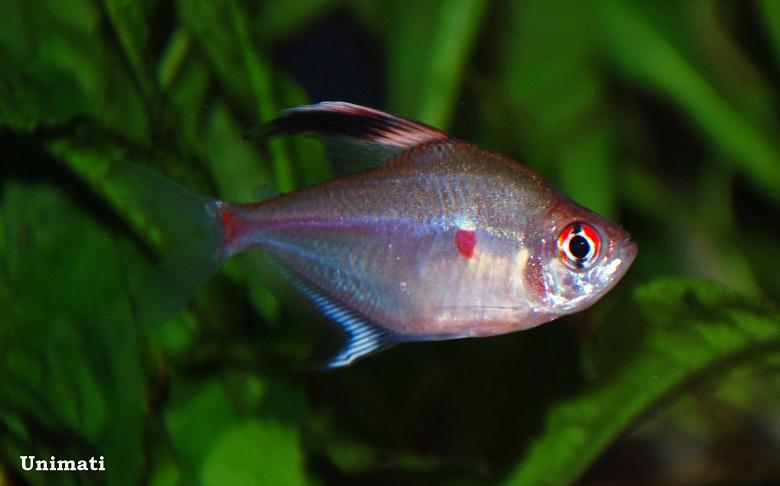
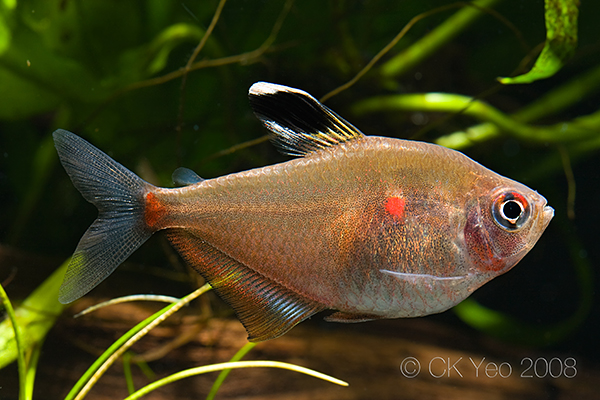
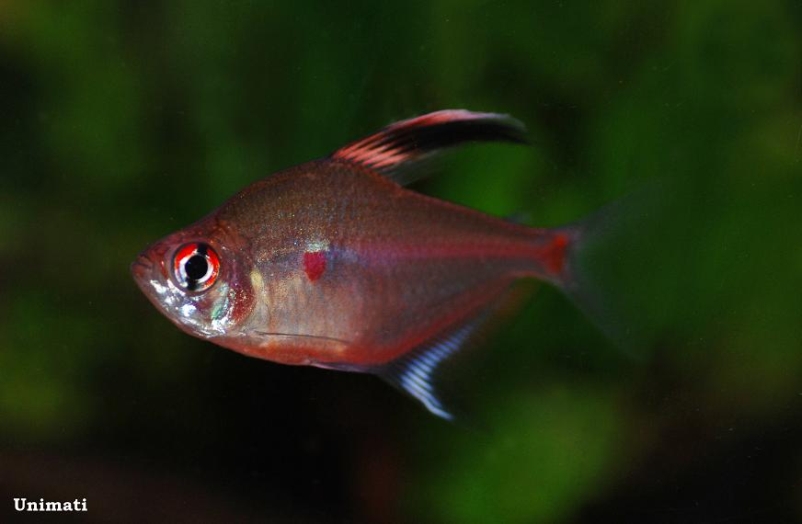
红点魮脂鲤(Megalamphodus erythrostigma)肩部有醒目红斑,是几种外形近似“红心”灯鱼中的一种。它通常温和,但成年雄鱼会争地和展示,需要同种群体、适当空间与洁净成熟的水体。
分布与栖息地
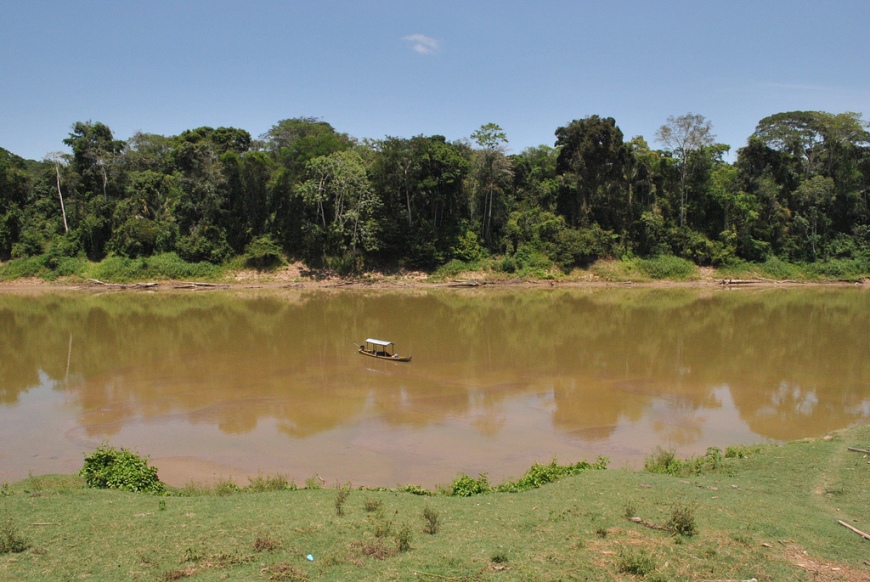
来自巴西、秘鲁、哥伦比亚交界的上亚马孙地区,分布至少从巴西 Purus 河延伸至秘鲁伊基托斯附近 Nanay 流域,也见于哥伦比亚部分支流。
多生活于缓流支流、支汊和森林湖,靠近树根、落枝、岸边悬垂植物或水草。常见水体软、缓冲弱,因腐植物呈褐色,也有浑浊白水湖记录;并非只能生活于一种颜色的水。
饲养环境
至少约 90 × 30 cm 底面积。水草和深色底床有助显色,软沙、沉木根枝可创造阴影,落叶提供微生物供鱼苗辅助取食。照明偏暗,浮水植物也合适。
对有机污染积累敏感,必须等过滤成熟后入鱼,每周换水作为常规维护,保持水质清洁。
食性与喂食
是机会性杂食鱼,野外不同地点食物构成差别很大:有的湖泊个体主要吃果实,另一些溪流个体则以水生昆虫和幼体为主,同时摄取植物碎片。
人工容易开口,可将红虫、水蚤、丰年虾等活饵或冻饵与优质薄片、颗粒搭配,其中部分配合饵含植物或藻类成分。也会啄食浸水新鲜果肉,但只留数小时便应取走。
习性与混养
建议至少 8~10 条、雌雄混合的群体,可搭配其他合适群游鱼增加安全感。雄鱼竞争时颜色更鲜明,领地行为也可能延伸到外形相似种。体型相近的脂鲤、温和小型底层鱼或不捕鱼的中型慈鲷可作为选择方向,但需匹配空间和水质。
雌雄区分
雄鱼明显更大、更鲜艳,成年背鳍、腹鳍和臀鳍显著延长。雌鱼体形较圆,抱卵时更突出。
繁殖
散卵型,产卵后不照顾后代。
补充说明
近似种也有红色肩斑,不能仅靠“红心”判断。本种成年臀鳍白色纵带覆盖大部分鳍条,且缺少某些近似种上背部的红色楔形区域。
有些个体鳞片会呈金属金色,原因尚不清楚,曾有人提出寄生因素;目前观察中它们似乎没有明显不适,不能仅凭金色就下诊断。
图片
图片来自 SeriouslyFish,版权归各摄影者所有。
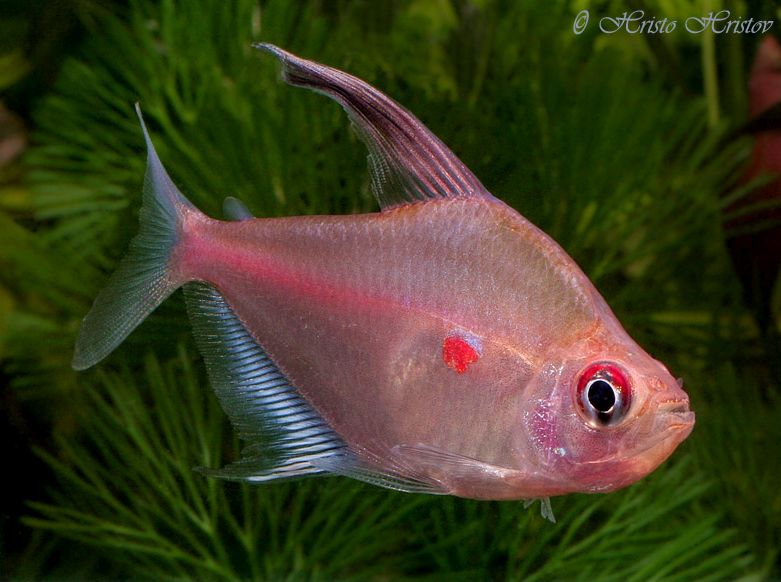
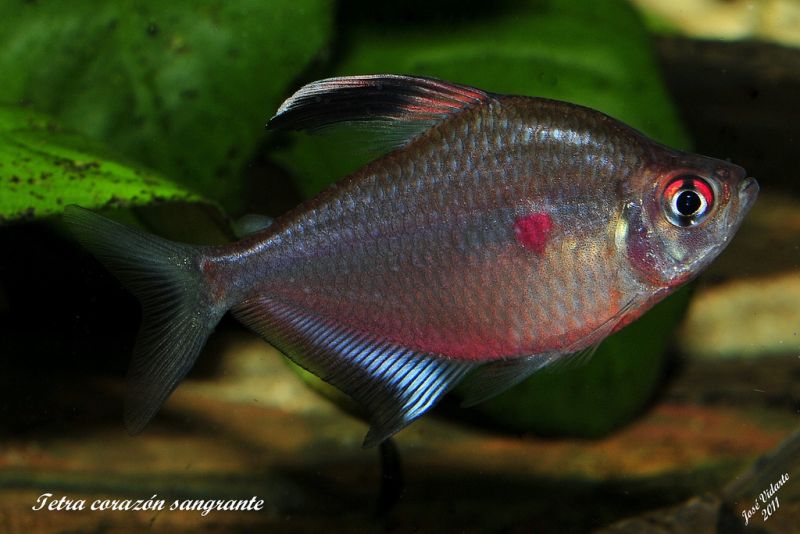
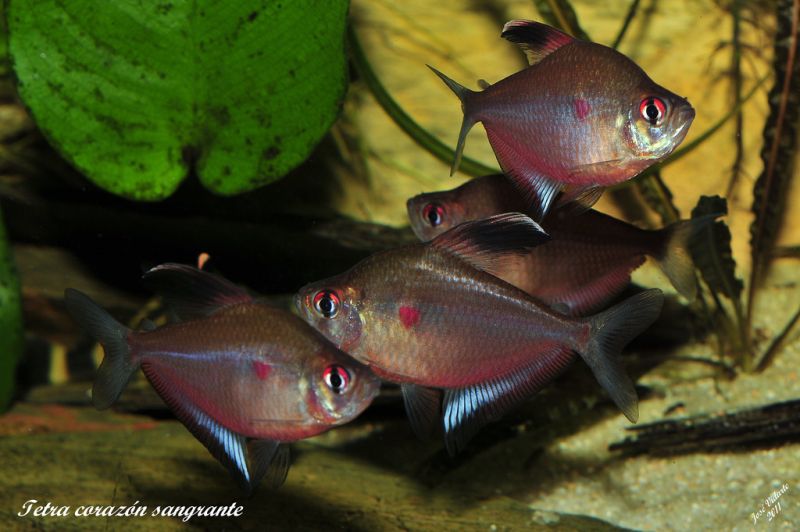
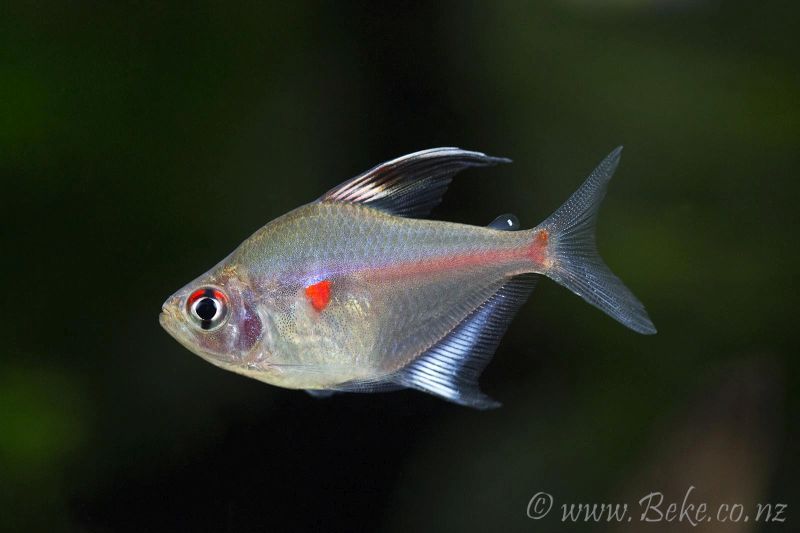
English
Overview
A conspicuous red shoulder mark places Megalamphodus erythrostigma among the similar bleeding-heart tetras. It is generally peaceful, although mature males display territorial behavior. A suitable group, adequate room, and a mature, clean aquarium support its best condition.
Distribution & habitat
The species comes from the upper Amazon around the Brazil–Peru–Colombia frontier, extending from the Purus at least upstream to the Nanay near Iquitos and into some Colombian tributaries.
Sluggish tributaries, side channels, and forest lakes provide roots, fallen wood, overhanging plants, and aquatic vegetation. Water is often soft, weakly buffered, and brown, though turbid white-water lake records show that habitat is not restricted to one water color.
Aquarium setup
Use a footprint of at least roughly 90 × 30 cm. Plants and a dark substrate enhance coloration, while sand, roots, and branches create shade. Leaves support microorganisms useful to fry. Subdued lighting and floating vegetation are appropriate.
Organic pollution is poorly tolerated. Introduce fish only after filtration is biologically mature and make weekly water changes routine.
Diet & feeding
This opportunistic omnivore shows striking variation between localities: some lake fish consume mostly fruit, whereas stream fish feed heavily on aquatic insects and larvae alongside plant fragments.
Captive fish readily accept food. Combine live or frozen bloodworms, Daphnia, and Artemia with quality flakes and granules, including some plant- or algae-rich products. Fresh fruit pieces can also be grazed when submerged, but remove them after only a few hours.
Behaviour & compatibility
Maintain at least eight to ten of mixed sex. Other suitable schooling fishes can add security. Male rivalry intensifies color, and territorial displays may extend to similarly shaped species. Comparably sized characins, mild small bottom dwellers, or non-piscivorous medium cichlids are potential companions if space and conditions match.
Sexual dimorphism
Males grow notably larger, become more colorful, and develop strongly extended dorsal, pelvic, and anal fins. Females are rounder, especially when carrying eggs.
Breeding
It scatters eggs and provides no parental care.
Notes
Several similar species share the red shoulder mark, so it is not sufficient alone for identification. Adults of this species have a white anal-fin band covering most rays and lack the reddish wedge on the upper body seen in one close relative.
Some individuals develop metallic gold scales. The cause remains unresolved; a parasitic explanation has been suggested, but affected fish appear comfortable in reported observations. Color alone does not establish a diagnosis.
来源
ID:megalamphodus-erythrostigma · 文件: data/species/megalamphodus-erythrostigma.md · 状态: 草稿