艳魮脂鲤 · Serpae Tetra
概要
| 字段 | 值 |
|---|---|
| 类别 | 鱼 |
| 学名 | Megalamphodus eques |
| 别名 | 马魮脂鲤、红魮脂鲤、艷魮脂鯉、馬魮脂鯉、紅魮脂鯉、Chirodon eques、Cheirodon eques、Tetragonopterus callistus、Hyphessobrycon callistus、Hemigrammus melasopterus、Hyphessobrycon serpae、Hyphessobrycon eques |
| 分类 | 脂鲤目 Characiformes › 脂鲤科 Characidae › Megalamphodus |
| 水体 | 淡水 |
| 原产地 | 阿根廷、玻利维亚、巴西、巴拉圭、秘鲁 |
| 成体体长 | 4 cm |
| 饲养难度 | 入门 |
| 最小水体 | 72 L |
| 最小缸长 | 80 cm |
| 群居方式 | 群游 |
| 领地性 | 是 |
| 外部数据 | seriouslyfish megalamphodus-eques;fishbase 46294 |
| 繁殖方式 | 散卵 |
水质参数
| 参数 | 耐受范围 | 最适范围 | 单位 |
|---|---|---|---|
| 水温 | 20–28 | — | °C |
| pH | 5–7.5 | — | — |
| 总硬度 | 1–15 | — | dGH |
概述
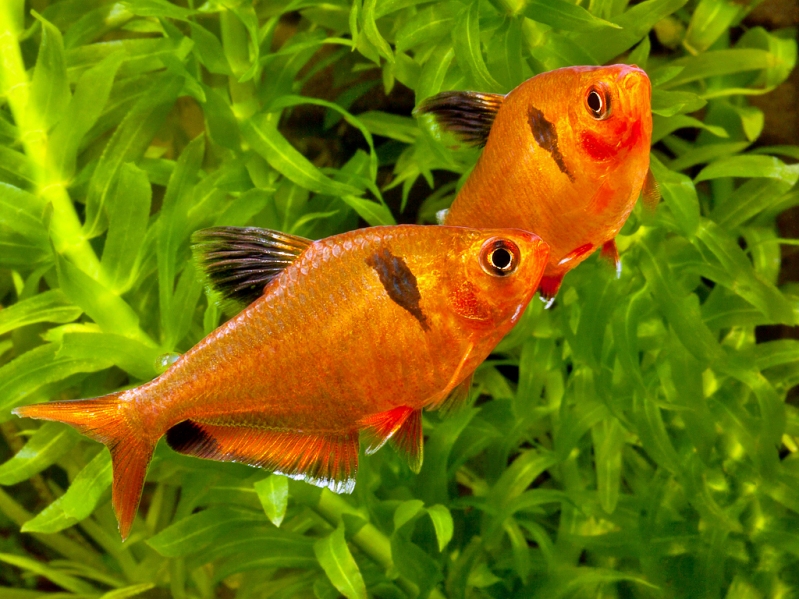
艳魮脂鲤(Megalamphodus eques)是常见红色灯鱼,但有咬鳍倾向,数量太少或空间不足时更明显。正确的群体规模比随意加几条点缀更重要,尤其不适合搭配行动慢、胆小或长鳍的鱼。
分布与栖息地
广布于巴西、秘鲁、玻利维亚的亚马孙水系,以及巴西、巴拉圭和阿根廷的巴拉圭河流域。法属圭亚那的种群为水族贸易引入。
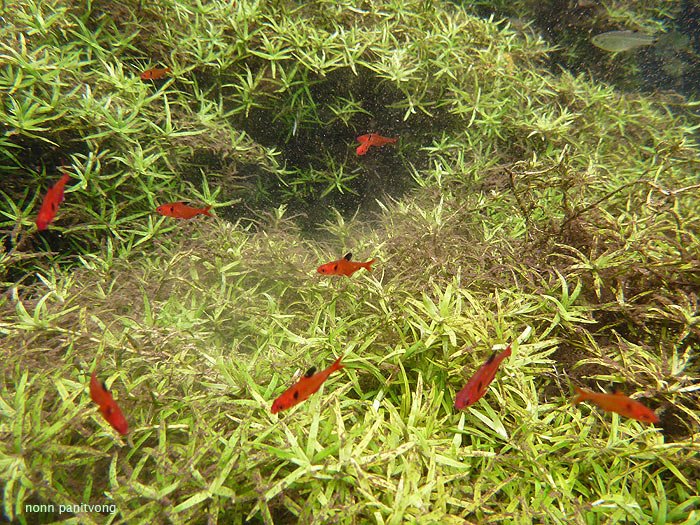
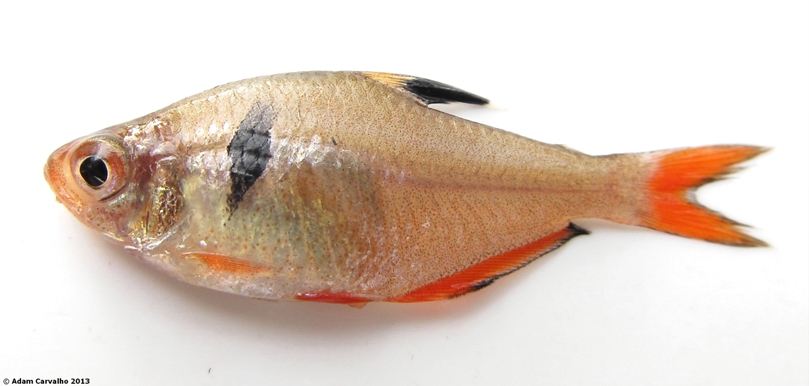
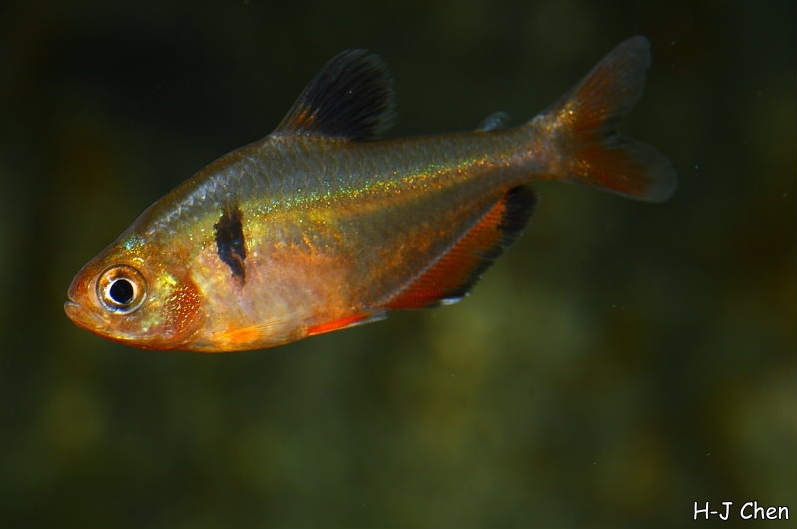
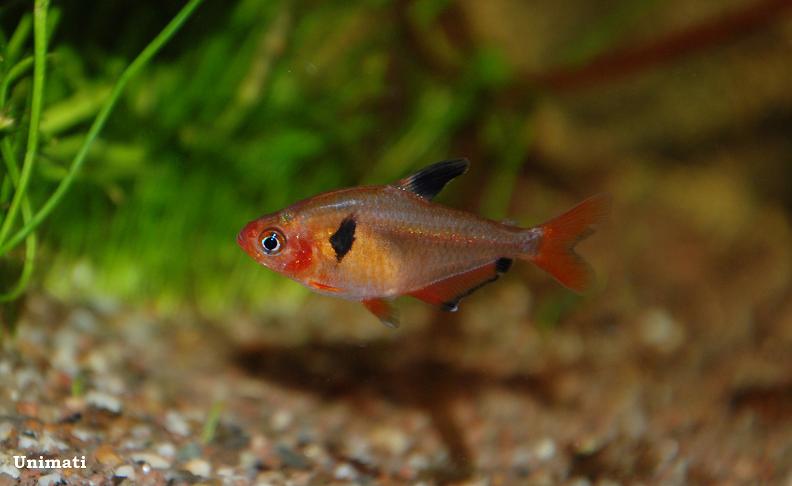
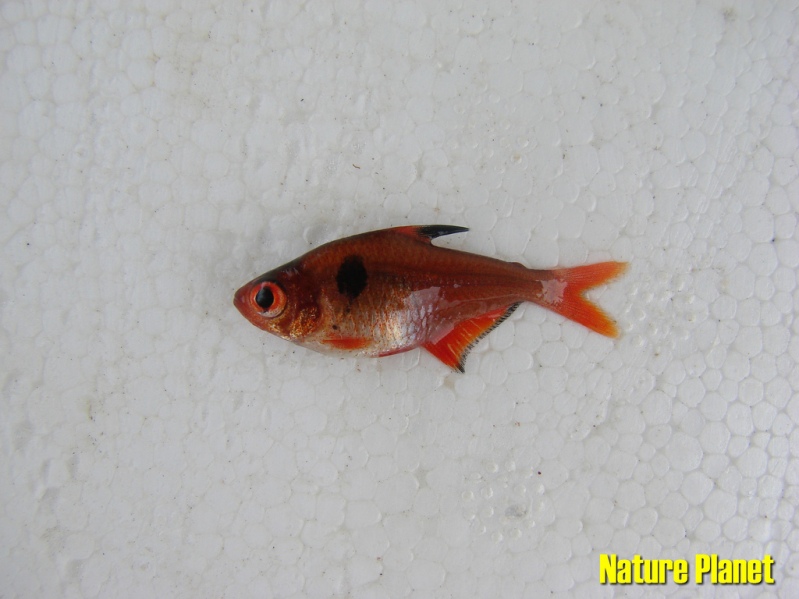
多见于静水、缓流支流及回水区,包括池塘和小湖,常在岸边植被或沉水树根附近聚集。不同野生种群的鳍色、肩斑大小及形状有差异。
饲养环境
至少约 80 × 30 cm 底面积。水草、深色底床和丰富布景有利于显色,也可用软沙、沉木根枝构成阴影,落叶增加自然感并滋生微生物作为鱼苗辅助食物。落叶可保留分解或定期更换。
市场绝大多数是人工繁殖个体,比野生鱼更适应不同水质,仍需选择稳定、合适的环境。
食性与喂食
野外可能杂食,摄取小型无脊椎动物、甲壳动物、丝状藻及掉落果实等。人工可吃干粮,搭配红虫、孑孓、水蚤等活饵或冻饵更有利于维持体况。
习性与混养
至少从 12 条考虑,群体有松散等级,雄鱼会为地位和雌鱼竞争,颜色也更鲜艳。上述最低尺寸缸较适合只放约 12~15 条本种作为上层活动鱼;若加其他同层同伴,应扩大水族箱。
更多同种可让冲突较集中在群内,但不能消除所有咬鳍风险。避开胆小、慢游及长鳍鱼,优先考虑体型相近、较结实的开放水层灯鱼,或需求相容的温和底层鱼。
雌雄区分
性成熟雌鱼略大,体形明显更圆。
繁殖
散卵型,不护卵育幼。状态良好的成鱼可常产卵,成熟缸偶尔会自行出现少量鱼苗。若想提高数量,可将调养好的成对鱼,或一两雄搭数雌,放入独立暗光繁殖缸。
用成熟水,底部设置让卵落下而亲鱼够不到的网、玻璃珠,或放大量细叶植物、产卵拖把。水偏弱酸至中性,温度可向适温范围上端靠近,用气动海绵过滤或气石保持供氧和轻微循环。通常次晨可检查到卵,随后分开亲鱼与卵更利于保苗。
鱼苗最初需要草履虫或足够微细的开口粉,长到能吞食后再转丰年虾无节幼体、微虫等。
补充说明
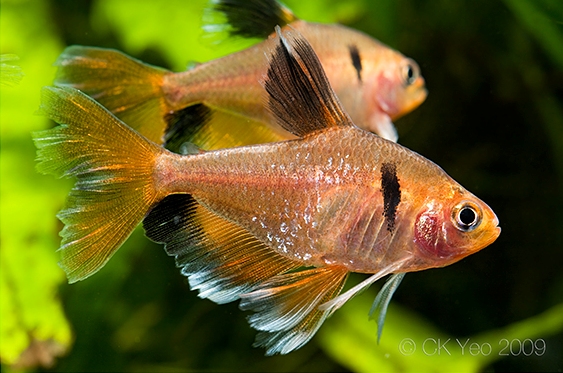
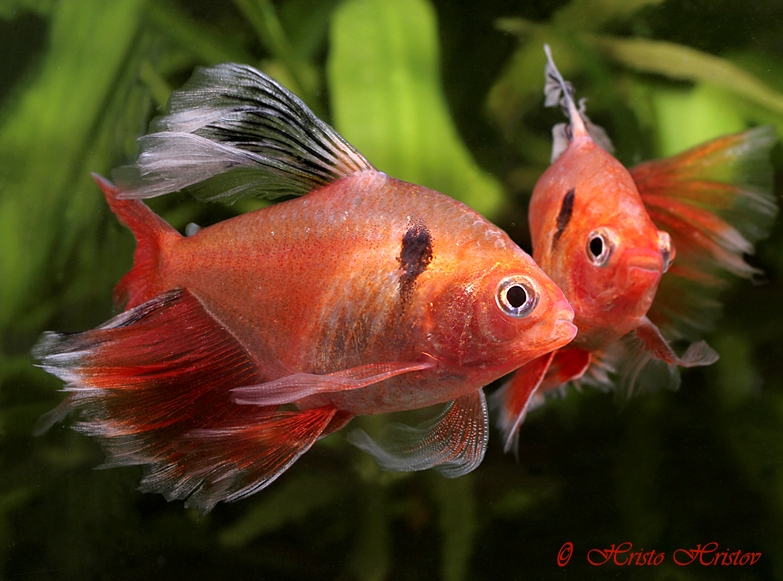
贸易中有长鳍、短身及金属色等人工类型。旧名和野生种群差异较多,未来分类可能再调整;当前应按既有学名管理,而非把不同外观一概当作独立种。
图片
图片来自 SeriouslyFish,版权归各摄影者所有。
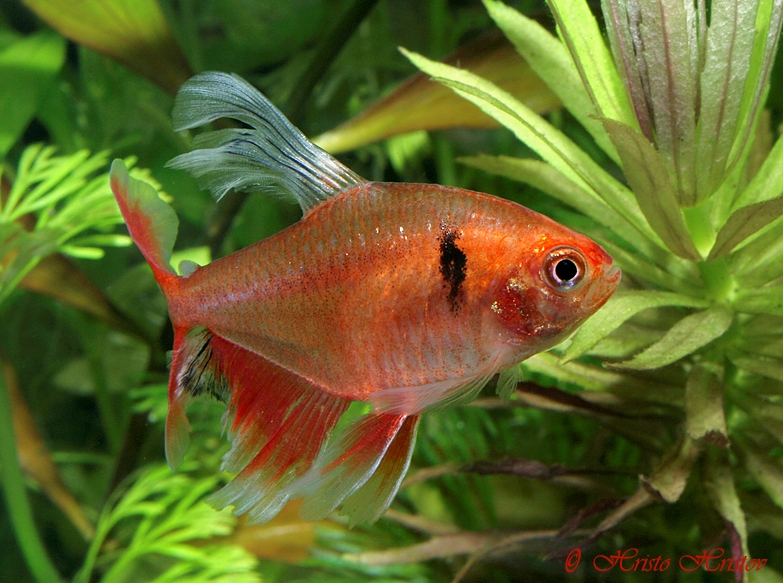
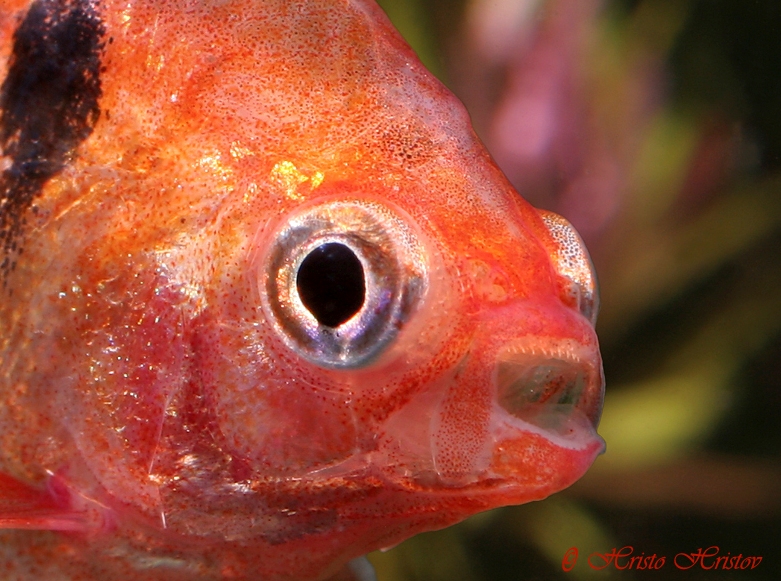
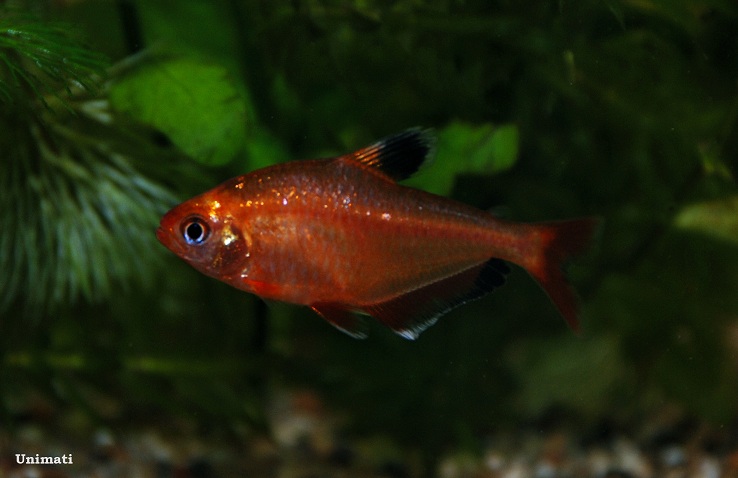
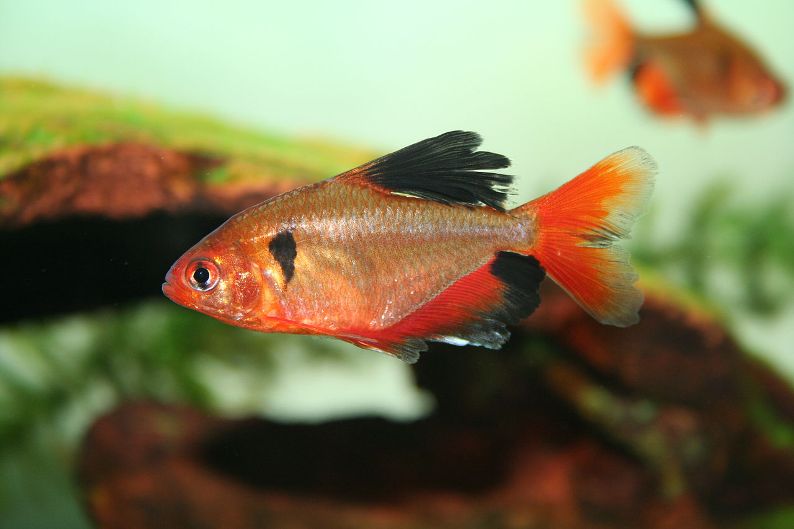
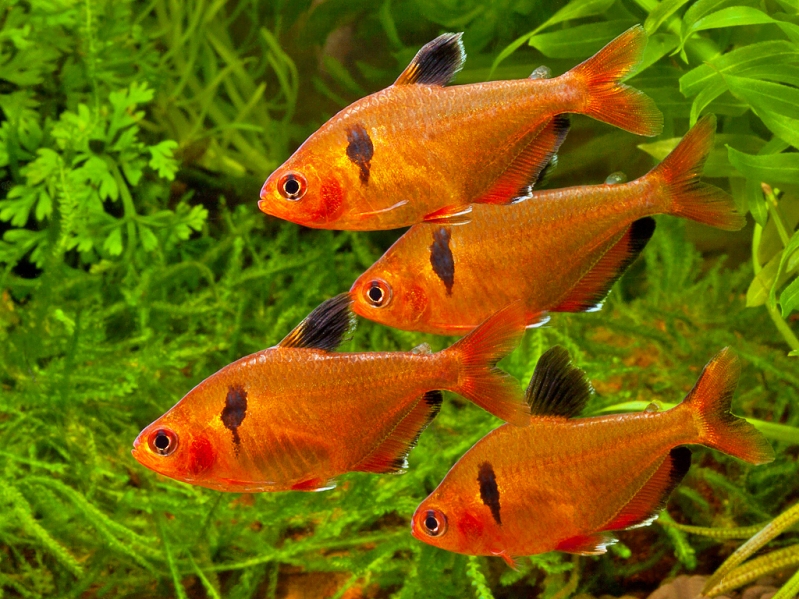
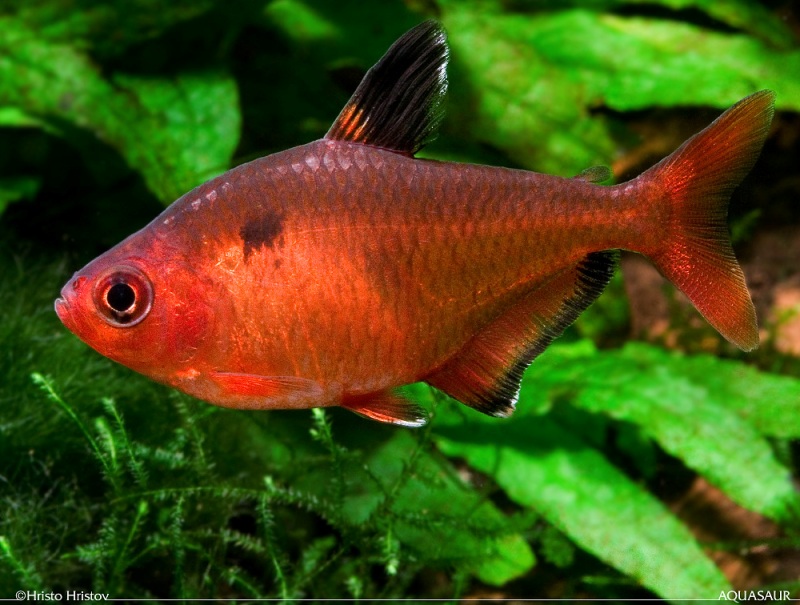
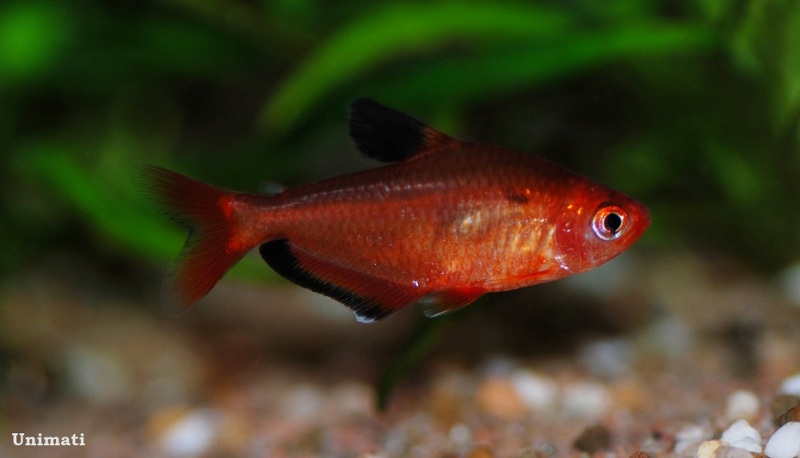
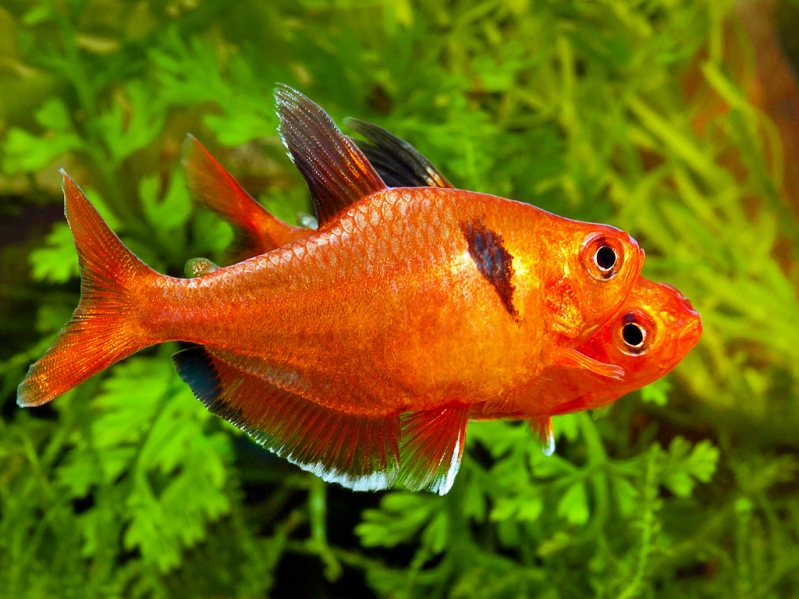
English
Overview
Megalamphodus eques is a familiar red tetra whose fin-nipping reputation deserves attention. Problems are particularly likely with too few fish or insufficient room. A planned group is more appropriate than adding a few individuals to a community of slow, shy, or long-finned species.
Distribution & habitat
Its broad range covers Amazon drainages in Brazil, Peru, and Bolivia, together with the Paraguay system in Brazil, Paraguay, and Argentina. French Guianan populations were introduced through the aquarium trade.
It gathers around marginal plants and submerged roots in still or sluggish tributaries, backwaters, ponds, and small lakes. Wild populations vary in fin colors and shoulder-spot shape and size.
Aquarium setup
Use a minimum footprint of approximately 80 × 30 cm. Plants, a dark floor, and substantial furnishings improve presentation and color. Sand, roots, and branches can create shaded areas; leaves encourage microorganisms useful to fry and may be left to decompose or replaced periodically.
Most traded fish are commercially bred and more adaptable than wild stock, while still benefiting from stable, appropriate conditions.
Diet & feeding
Wild fish are thought to be omnivorous, taking small invertebrates, crustaceans, filamentous algae, and fallen fruit. Dry food is accepted in captivity, with live or frozen bloodworms, mosquito larvae, and small water fleas adding valuable variety.
Behaviour & compatibility
Begin with at least 12. A loose hierarchy develops, with males competing for rank and females and displaying stronger colors. The minimum-size tank is best used for approximately 12–15 of this species without other upper-water companions; adding those requires a larger aquarium.
A larger group directs more interaction toward conspecifics but does not remove every nipping risk. Avoid shy, slow, and long-finned fishes. Robust, similarly sized open-water tetras or compatible mild bottom dwellers are more promising choices.
Sexual dimorphism
Mature females are slightly larger and distinctly fuller-bodied.
Breeding
Eggs are scattered without parental care. Well-conditioned adults may spawn regularly, and a few young can appear in a mature aquarium. For better yields, move a conditioned pair or one or two males with several females to a separate dim breeding tank.
Use mature water and protect eggs with mesh, marbles, fine plants, or spawning mops. Slightly acidic to neutral water and temperatures toward the upper suitable range can be used, with gentle aeration or sponge filtration. Eggs are often evident the following morning; separating breeders and clutch improves protection.
Start fry on Paramecium or suitably fine starter food, progressing to Artemia nauplii and microworms once they can swallow them.
Notes
Long-finned, short-bodied, and metallic ornamental forms exist. Historical names and variable wild populations leave scope for future taxonomic revision, but color differences alone should not be treated as confirmed separate species.
来源
- https://www.seriouslyfish.com/species/megalamphodus-eques(抓取于 2026-10-10)
megalamphodus-eques · 文件: data/species/megalamphodus-eques.md · 状态: 草稿