Macropodus spechti · Black Paradise Fish
概要
| 字段 | 值 |
|---|---|
| 类别 | 鱼 |
| 学名 | Macropodus spechti |
| 别名 | Macropodus opercularis var. spechti、Macropodus opercularis concolor、Macropodus tramiensis、Macropodus yeni、Macropodus nigrocorpus |
| 分类 | 攀鲈目 Anabantiformes › 丝足鲈科 Osphronemidae › Macropodus |
| 水体 | 淡水 |
| 原产地 | 越南 |
| 成体体长 | 8 cm |
| 饲养难度 | 入门 |
| 最小水体 | 72 L |
| 最小缸长 | 80 cm |
| 群居方式 | 成对 |
| 性情 | 温和 |
| 外部数据 | seriouslyfish macropodus-spechti;fishbase 59368 |
| 繁殖方式 | 吐泡筑巢 |
水质参数
| 参数 | 耐受范围 | 最适范围 | 单位 |
|---|---|---|---|
| 水温 | 20–30 | — | °C |
| pH | 6–8 | — | — |
| 总硬度 | 5–20 | — | dGH |
概述
Macropodus spechti 是越南中部的深色叉尾斗鱼,旧水族记录有时采用 Macropodus concolor 名称。它通常在非繁殖期相对平和,能以成对或适当群体饲养,繁殖则在水面筑泡巢。
分布与栖息地
明确分布来自广南的秋盆河水系及承天顺化的香江水系。早期模式产地写成印度尼西亚属于错误记录,不能据此增加分布。
采集环境较多样,包括灌溉沟渠、稻田、池潭、沼泽、丘陵溪流和大河静水支汊,不应将它限定为单一类型水体。
饲养环境
单对至少约 80 × 30 cm 底面积。沉木根枝形成阴影和躲藏位置,繁殖者也可选择裸底方便清理。浮水或水面植物可支撑泡巢。干叶增加掩护,分解时形成的微生物可作为仔鱼早期补充食物。
食性与喂食
野外可能以昆虫幼虫等小动物为食。可提供水蚤、丰年虾、白线蚓、格林达尔蠕虫等小型活饵或冻饵,部分优质干粮也可能被接受。
习性与混养
平时相对温和,可成对或在合适条件下群养;繁殖期不能继续按非繁殖状态预期。群体互动需要遮蔽和充分空间,尤其应留意亲鱼周边。
雌雄区分
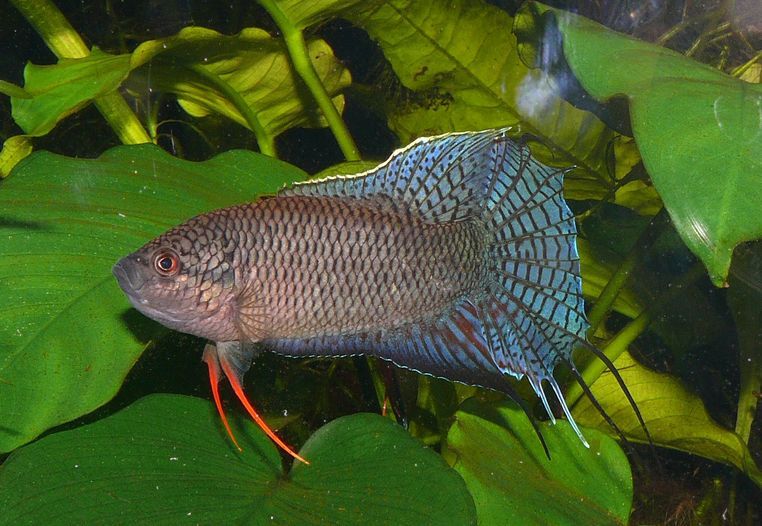
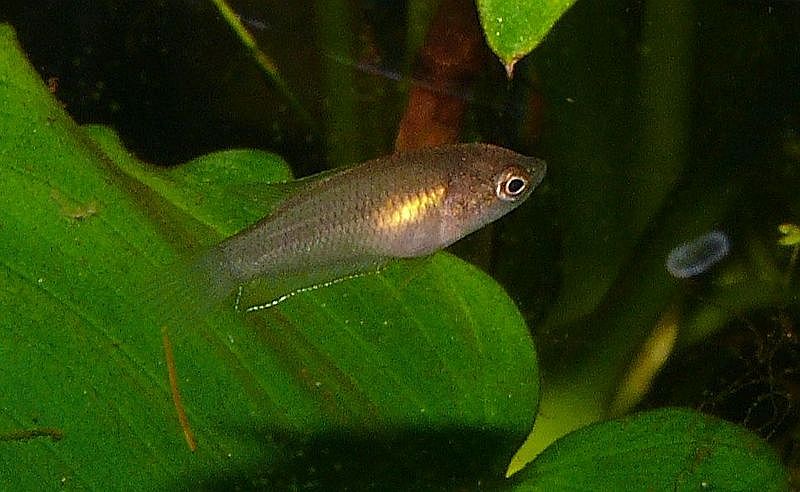
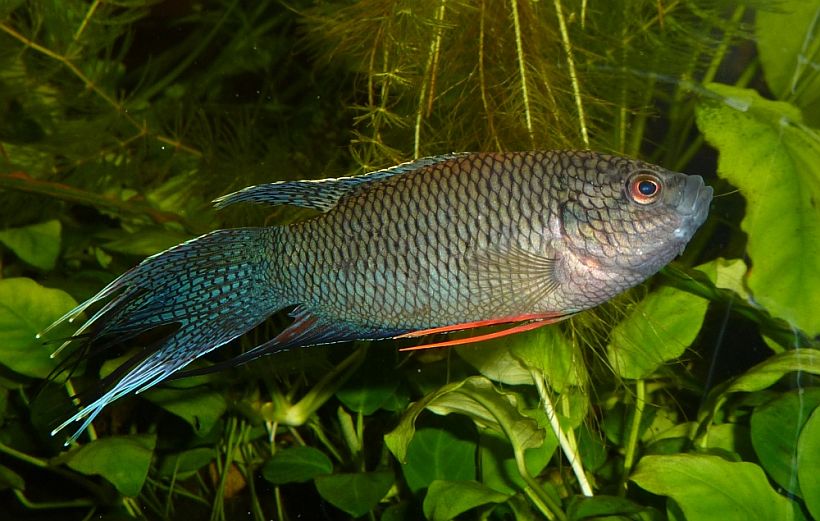
雄鱼较大,背鳍、臀鳍和尾鳍软条延伸更明显。雌鱼在产卵前通常变淡。
繁殖
雄鱼在水面植物间筑泡巢,据称软水和适度升温有助于诱发繁殖。缸要严密加盖,保住温暖湿润空气,为幼鱼迷鳃发育创造条件。
巢完成后雄鱼展示长鳍,亲鱼在巢下拥抱产卵。卵带油滴可上浮,雄鱼协助归巢;一窝通常数百粒。产后成鱼通常可留原缸,雌鱼有时参与防卫巢周。
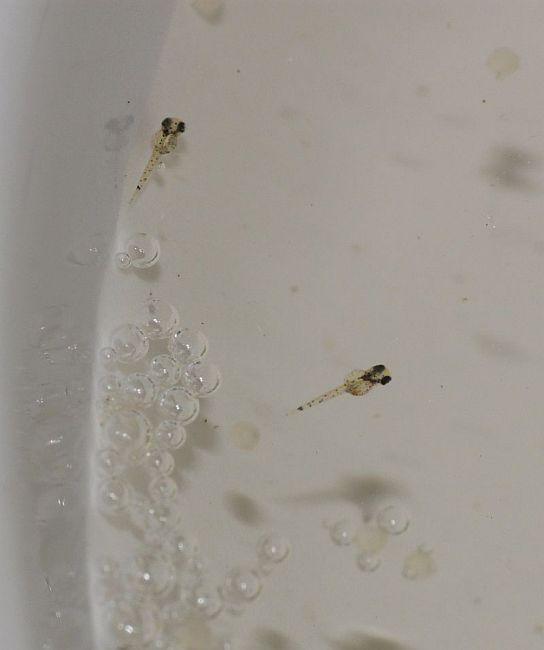
幼鱼孵化后留巢吸收卵黄,自由游动后雄鱼停止照料,成鱼通常不吃它们。最初用草履虫等微小食物,数天后转微虫和丰年虾无节幼体,规律少量换水。
补充说明
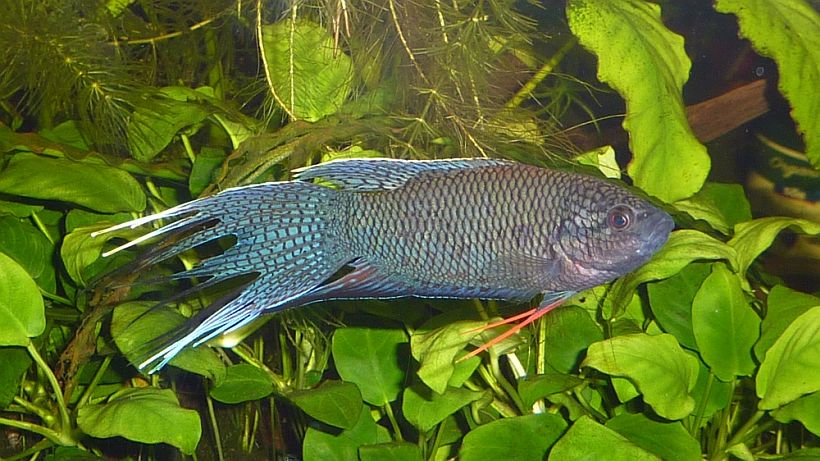
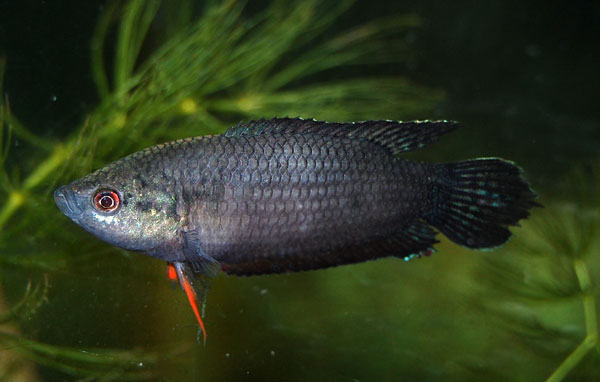
常用鉴别特征是尾鳍分叉、鳃盖斑淡或缺少、头顶及背前没有深斑或鞍斑,背鳍和尾鳍膜的点纹偏黑、后部可带蓝色,而背、臀、尾等单鳍缺乏红色。
近似的 Macropodus erythropterus 常有红色鳍纹,两者曾有是否同种的争论;识别时应结合产地与完整外观,不擅合并不同来源的鱼。旧名 Macropodus concolor 涉及命名历史,不代表另一个可随意替换的种源。
图片
图片来自 SeriouslyFish,版权归各摄影者所有。
English
Overview
Macropodus spechti is a dark paradisefish from central Vietnam. Older aquarium accounts sometimes use Macropodus concolor. It is relatively peaceful outside reproduction, can be housed in pairs or suitable groups, and breeds in a surface bubble nest.
Distribution & habitat
Confirmed records come from the Thu Bồn system in Quảng Nam and the Hương basin in Thừa Thiên-Huế. An early Indonesian type-locality statement is erroneous and should not extend the range.
Recorded habitats include irrigation channels, rice paddies, pools, marshes, hill streams, and river backwaters. It should not be characterized as restricted to one habitat type.
Aquarium setup
Provide at least about 80 × 30 cm of floor space for a pair. Wood and roots create shade and retreats; bare-bottom breeding arrangements are possible. Floating or surface plants support bubble nests. Leaves add cover and develop microorganisms useful as supplemental early fry food.
Diet & feeding
Insect larvae and similar small prey are probable wild foods. Offer small live or frozen Daphnia, brine shrimp, white worms, and Grindal worms. Some quality dry foods may also be accepted.
Behaviour & compatibility
It is generally calm outside breeding and can live in pairs or appropriately arranged groups. Do not assume that nonbreeding behavior persists around a nest. Adequate space and cover support interactions and allow retreat from breeding fish.
Sexual dimorphism
Males grow larger and have more extended dorsal, anal, and tail-fin rays. Females usually become paler before laying.
Breeding
Males nest among surface vegetation. Soft water and a modest temperature increase are reported breeding cues. A tight cover preserves humid warmth for normal development of the young's labyrinth organ.
Fin displays precede spawning embraces below the nest. Oil-bearing eggs rise, assisted by the male, with several hundred typically produced. Adults can normally remain afterward; females sometimes help defend the area.
Hatched larvae remain through yolk absorption. Once swimming freely, young receive less male attention and are usually left uneaten. Start with microscopic foods such as Paramecium, then introduce microworms and brine shrimp nauplii after a few days. Use small regular water changes.
Notes
Identification features include a forked tail, faint or absent gill-cover spot, and absence of dark crown or predorsal saddles. Dorsal and tail markings are dark, with blue posterior membranes and no red in the unpaired fins.
The similar Macropodus erythropterus has reddish fin pigmentation, although their distinction has been debated. Consider provenance and the full pattern rather than merging different stocks. The old concolor name reflects nomenclatural history, not an interchangeable source identity.
来源
- https://www.seriouslyfish.com/species/macropodus-spechti(抓取于 2026-10-10)
macropodus-spechti · 文件: data/species/macropodus-spechti.md · 状态: 草稿