叉尾斗鱼 · Paradise Fish
概要
| 字段 | 值 |
|---|---|
| 类别 | 鱼 |
| 学名 | Macropodus opercularis |
| 别名 | 圆尾斗鱼、盖斑斗鱼、天堂鱼、塘皮金、中国斗鱼、黑鬥魚、圓尾鬥魚、叉尾鬥魚、天堂魚(香港)、中國鬥魚(香港)、蓋斑鬥魚(台湾)、Labrus opercularis、Labrus operculatus、Chaetodon chinensis、Macropodus chinensis、Macropodus viridi-auratus、Macropodus venustus、Macropodus filamentosus、Macropodus baviensis、黑斗鱼 |
| 分类 | 攀鲈目 Anabantiformes › 丝足鲈科 Osphronemidae › Macropodus |
| 水体 | 淡水 |
| 原产地 | 中国(包括台湾)、老挝、越南 |
| 成体体长 | 8 cm |
| 饲养难度 | 中等 |
| 最小水体 | 72 L |
| 最小缸长 | 80 cm |
| 群居方式 | 成对 |
| 外部数据 | seriouslyfish macropodus-opercularis;fishbase 4777 |
| 领地性 | 是 |
| 繁殖方式 | 吐泡筑巢 |
水质参数
| 参数 | 耐受范围 | 最适范围 | 单位 |
|---|---|---|---|
| 水温 | 10–22 | — | °C |
| pH | 6–8 | — | — |
| 总硬度 | 5–20 | — | dGH |
概述
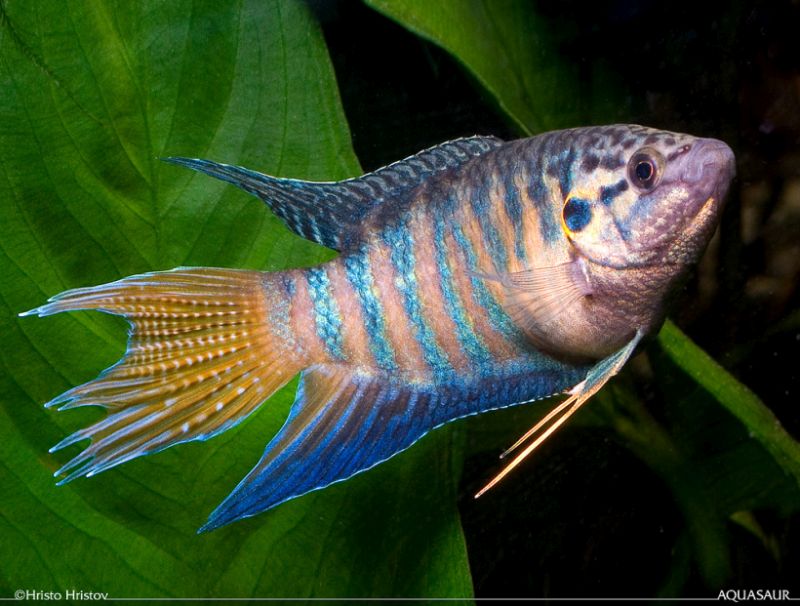
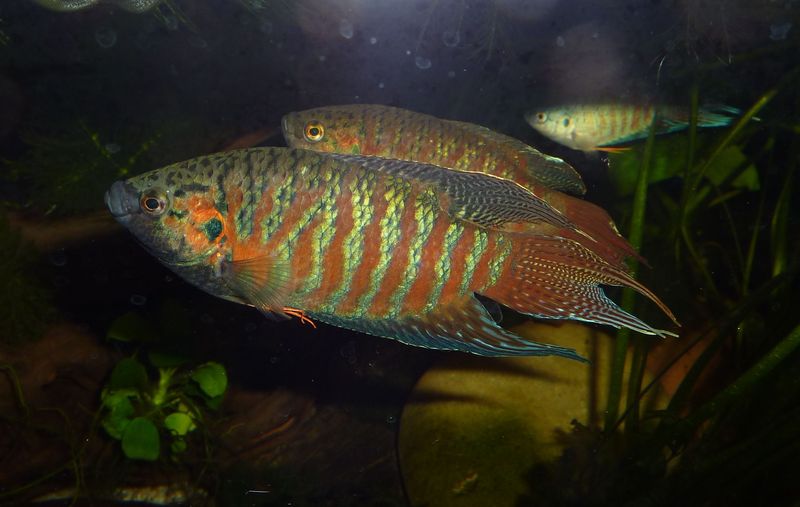
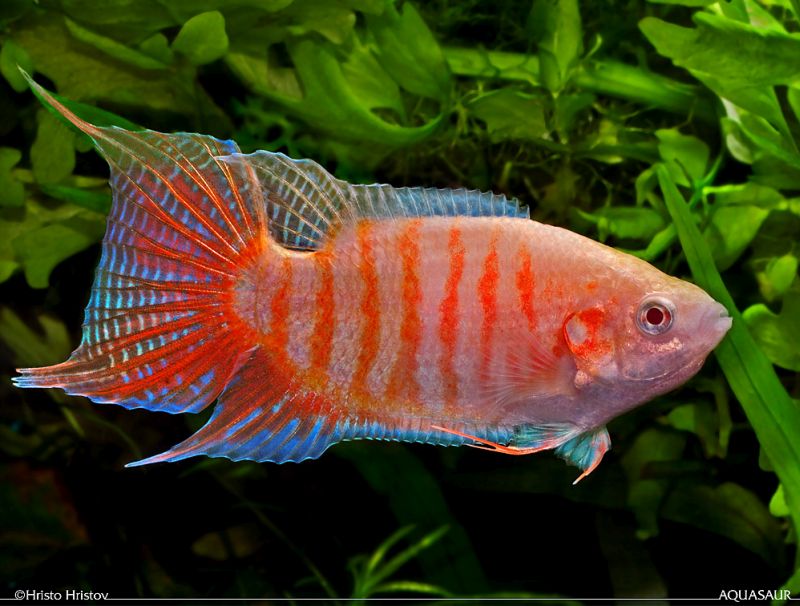
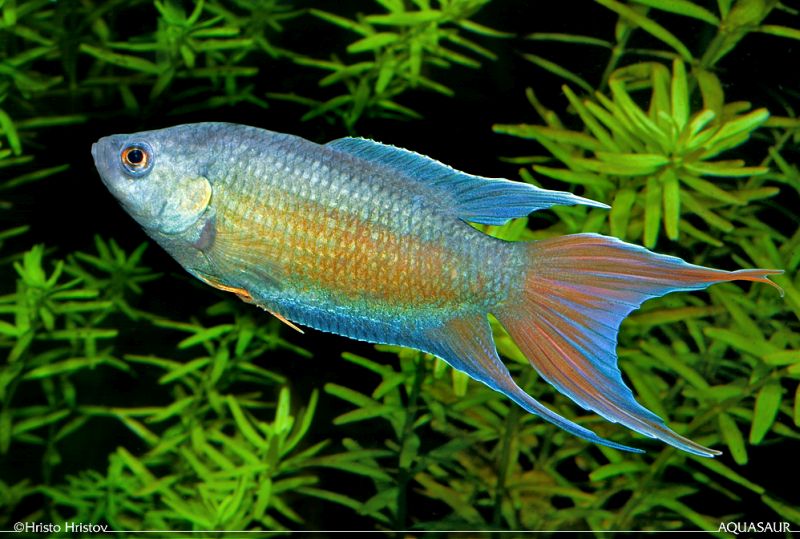
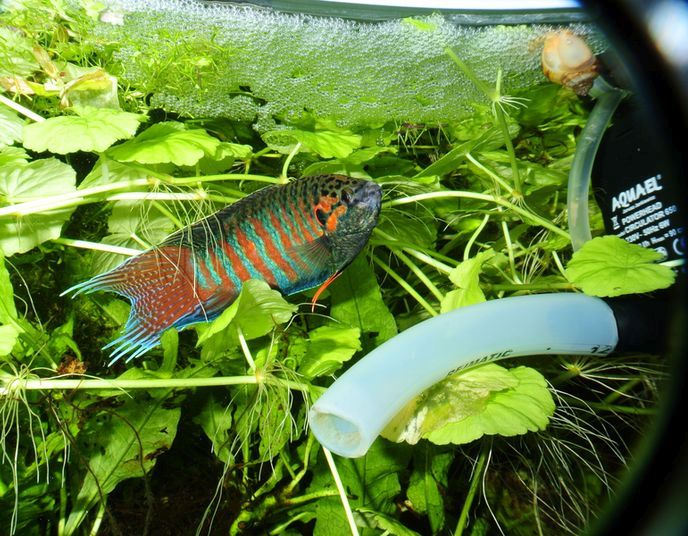
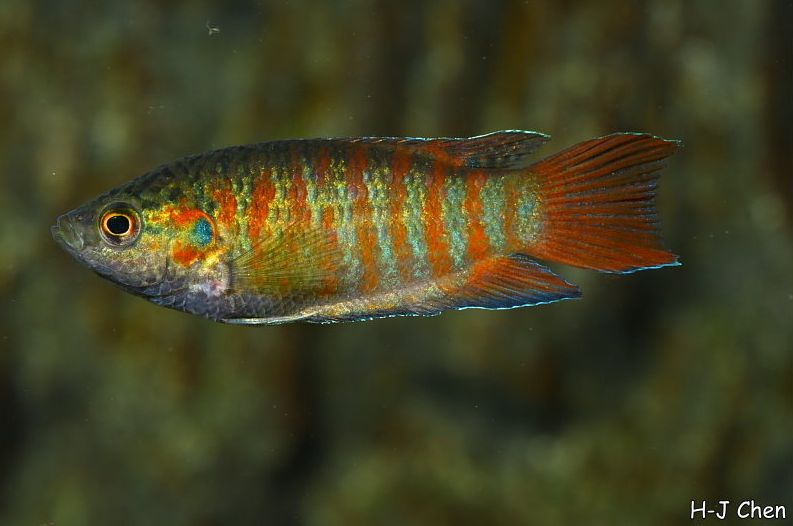
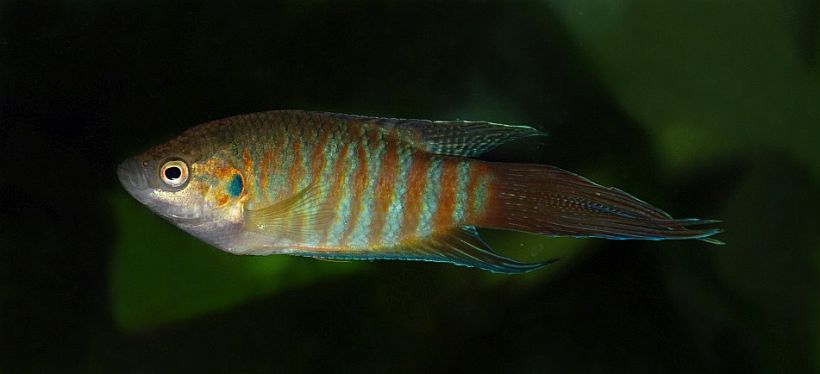
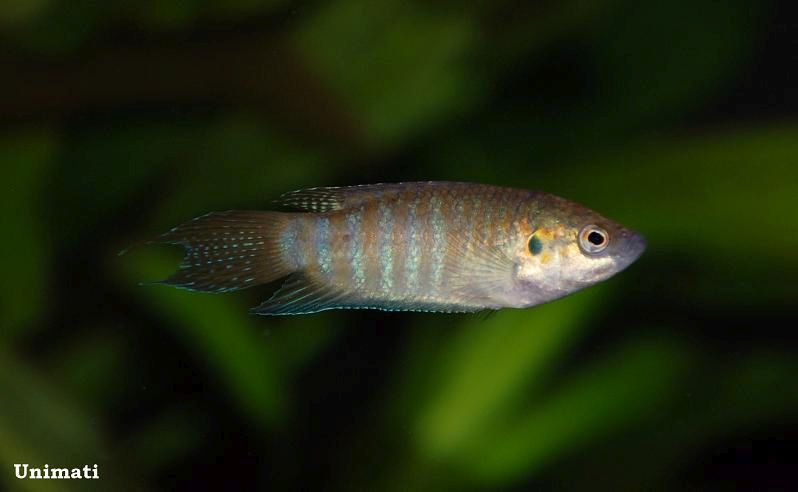
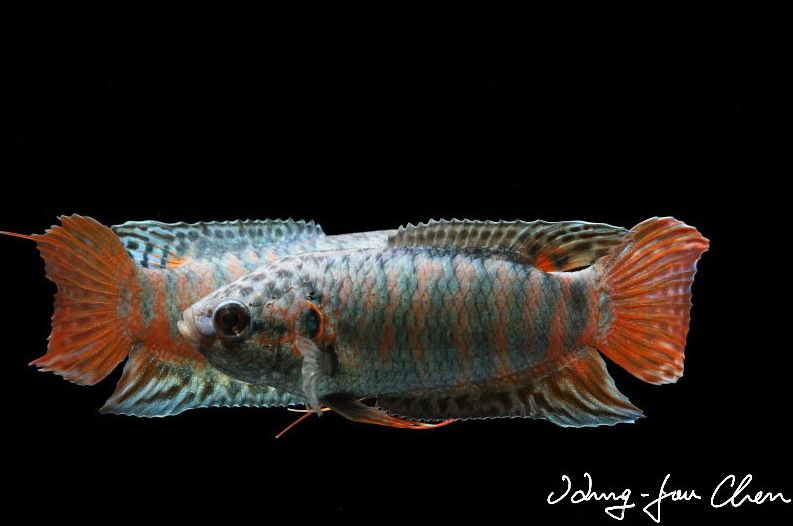
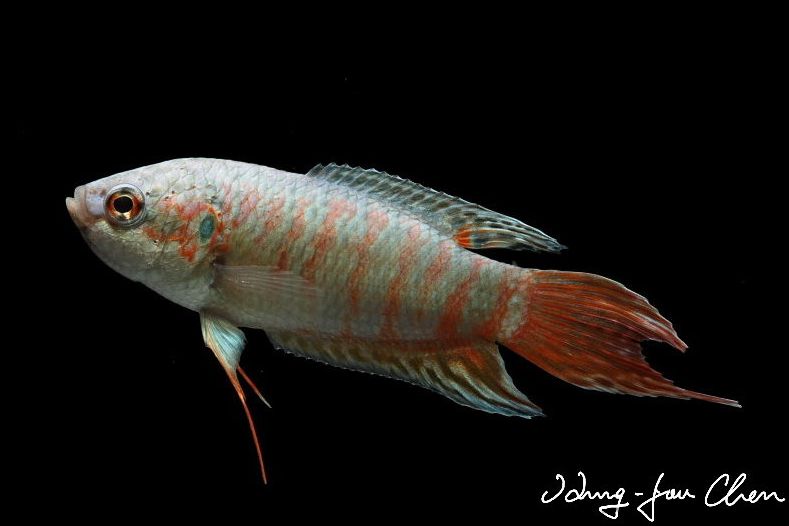
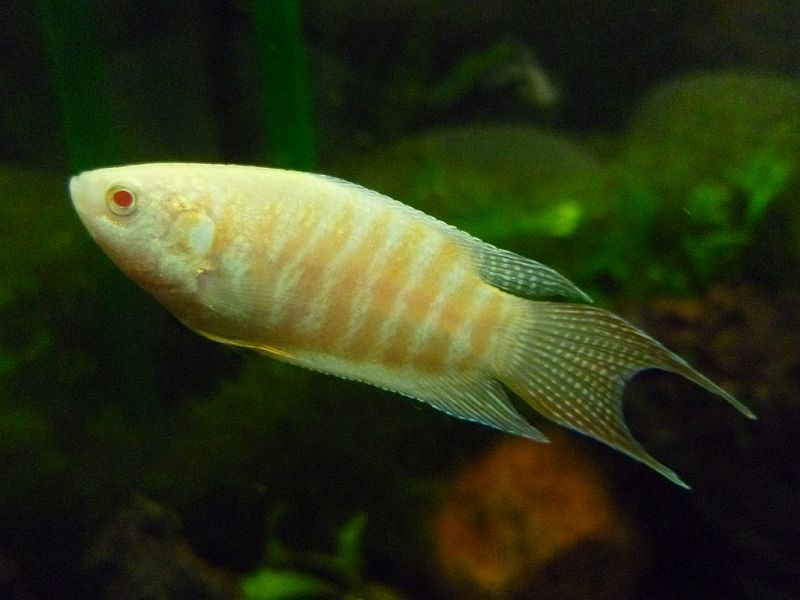
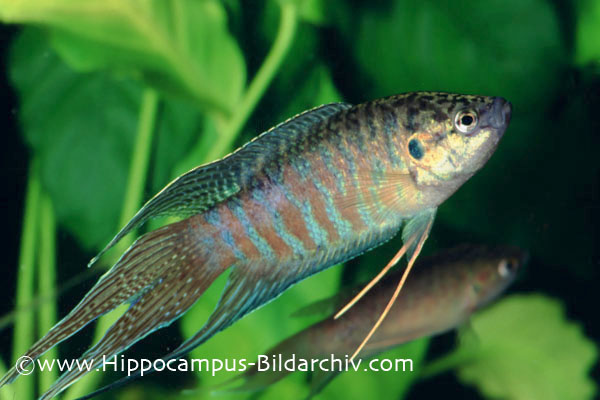
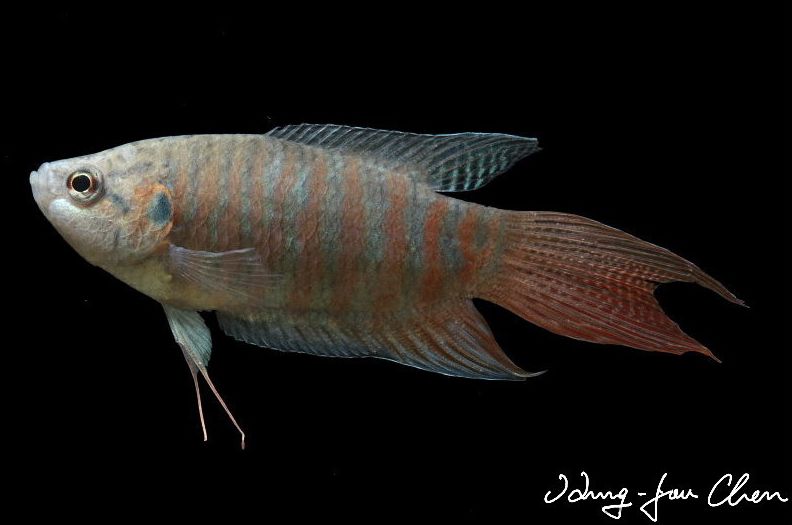
叉尾斗鱼(Macropodus opercularis)是历史悠久的观赏迷鳃鱼,尾鳍分叉,常见红底蓝色竖纹。市场多为人工繁殖血系,已有白化、红、蓝和无条纹等选育类型;雄鱼领地性明显,不能因耐养而随意合养。
分布与栖息地
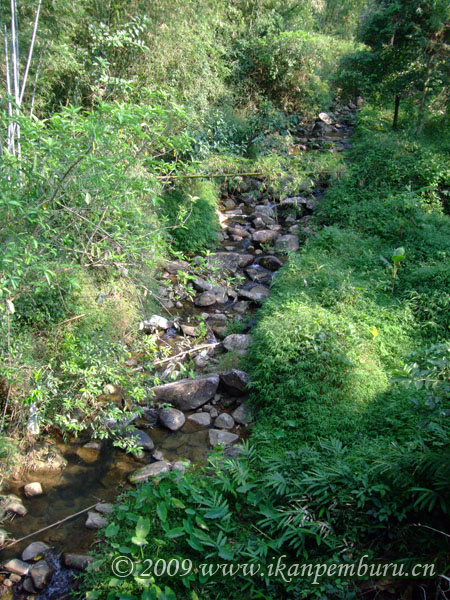
原生于中国长江以南,包括台湾、海南,以及越南北部和中部、老挝东北部。韩国、日本、马来西亚、新加坡、印度和美国等地有引入种群,多与观赏贸易有关。
能利用多种环境,从低地溪流、大河回水、天然池塘,到灌溉渠、稻田和水库,部分地区也有山溪记录。
饲养环境
一对至少约 80 × 30 cm 底面积。沉木根枝提供阴影,计划繁殖时加入浮水或水面植被,干落叶可增加遮蔽并培养供鱼苗取食的微生物。布景完整或不铺底均可,取决于维护方式。
在合适条件下通常可不加热饲养,冬季较凉阶段可能对它有益,不宜只按全年高温热带缸安排。
食性与喂食
野外可能以昆虫幼体等小动物为食。人工可用水蚤、丰年虾、白线虫等小型活饵或冻饵,优质干粮也可能接受,人工选育血系通常更容易认食。
习性与混养
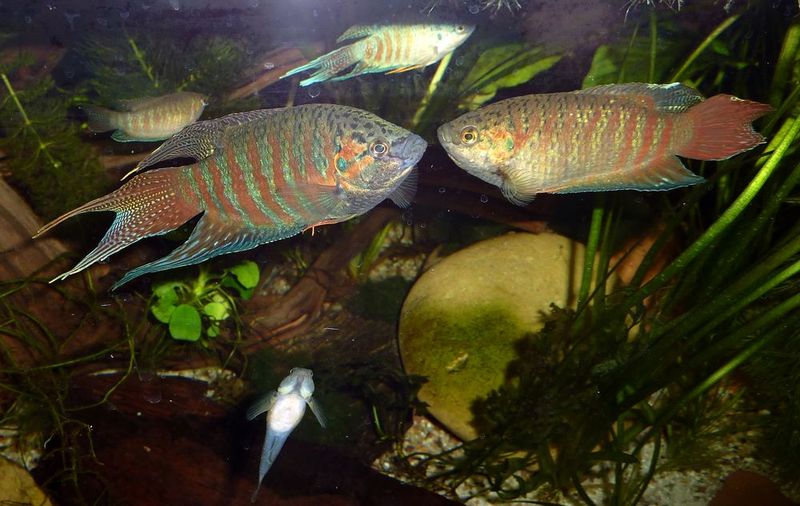
避开体形相近、容易引发竞争的鱼,可考虑环境要求一致的温和群居种。雄鱼领地攻击在繁殖期更明显,除非缸非常大,否则不应合养多雄。每雄配两条或更多雌鱼可以分散追逐,但仍需足够空间和遮蔽。
雌雄区分
雄鱼较大,背鳍、臀鳍与尾鳍软条延伸更长。
繁殖
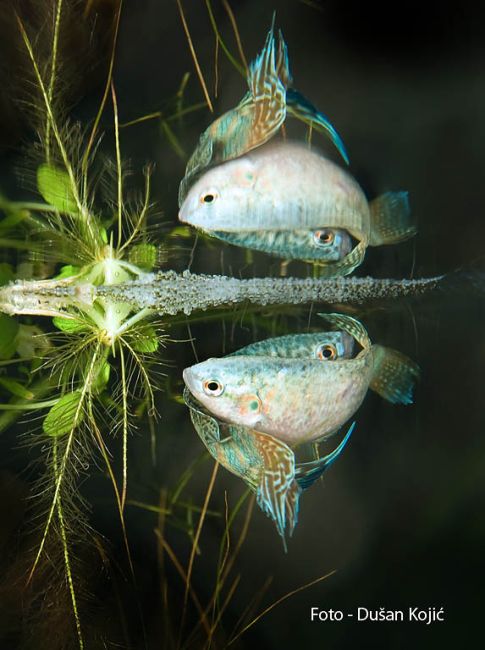
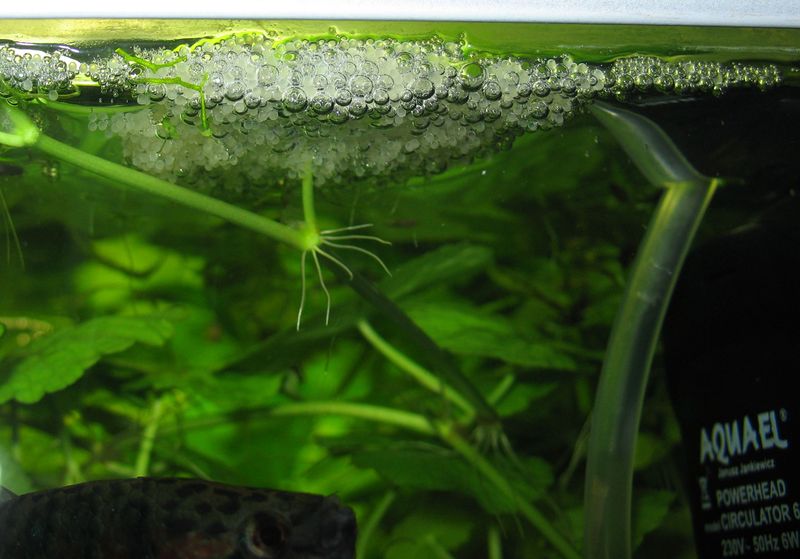
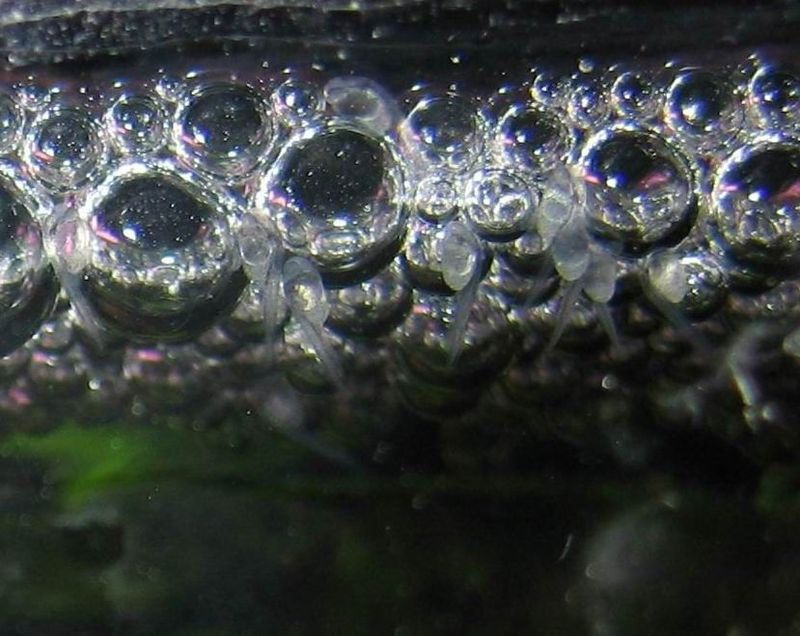
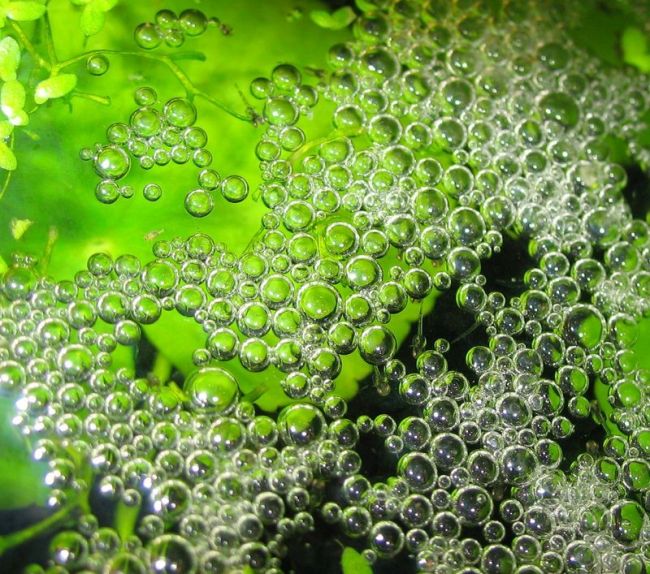
雄鱼在水面植被间筑泡巢,筑巢阶段通常容忍雌鱼附近活动,无需事先分开。软水、略升温据称能诱发繁殖。贴合缸盖保留温暖湿润空气,有利于鱼苗迷鳃器官发育。
雄鱼巢成后展鳍求偶,雌鱼颜色变淡,双方巢下环抱、分批产卵。卵含油滴而能浮起,雄鱼常帮助把它们聚进泡巢,一窝通常达数百枚。
产后亲鱼通常可暂留,但应给雌鱼躲避处。泡巢有时散开,卵聚成一团。约 3~4 天孵化,幼体留巢至卵黄消耗,自由游动时雄鱼逐渐不再照料,此时宜移走亲鱼。
鱼苗最初几天喂草履虫等微小饵料,随后再转微虫和丰年虾无节幼体。采用少量规律换水。
补充说明
本种于 1869 年进入法国并在当年成功繁殖,是最早引入欧洲的观赏鱼之一。典型野生形态包括分叉尾、带红后缘的鳃盖暗斑,以及连接眼与鳃盖斑的眼纹。人工色型差异大,应同时核对体形与来源。
图片
图片来自 SeriouslyFish,版权归各摄影者所有。
English
Overview
The fork-tailed Macropodus opercularis is a long-established ornamental labyrinth fish. Typical fish show blue bars against a reddish background, while commercial breeding has produced albino, red, blue, and stripeless forms. Male territorial behavior remains a major stocking consideration.
Distribution & habitat
Its native range includes China south of the Yangtze, Taiwan and Hainan, northern and central Vietnam, and northeastern Laos. Introduced populations occur in countries including Korea, Japan, Malaysia, Singapore, India, and the United States, largely associated with the aquarium trade.
It uses varied habitats, from lowland streams, backwaters, and natural pools to canals, rice fields, and reservoirs. Some populations also occupy upland streams.
Aquarium setup
A pair needs at least approximately 80 × 30 cm of floor space. Roots and branches create shade. Include floating or surface plants if breeding is intended, and leaves can add cover and microorganisms for fry. Furnished or bare-bottom arrangements are both usable according to maintenance needs.
Heating is often unnecessary under suitable conditions. A cooler winter interval may be beneficial rather than maintaining high tropical temperatures throughout the year.
Diet & feeding
Insect larvae and similar prey are likely natural foods. Offer small live or frozen Daphnia, Artemia, and worms. Some quality dry foods are accepted, particularly by commercially bred strains.
Behaviour & compatibility
Avoid similarly shaped fishes likely to prompt conflict. Peaceful schooling companions with matching environmental needs are better candidates. Male territorial aggression increases during reproduction; several males require a very large tank. Two or more females per male can distribute attention, provided space and retreats are sufficient.
Sexual dimorphism
Males attain greater size and show longer soft-ray extensions in the dorsal, anal, and caudal fins.
Breeding
The male builds a bubble nest among surface vegetation and normally tolerates females nearby during construction. Prior separation is unnecessary. Soft water with a slight temperature increase is reported to encourage breeding. A close-fitting cover preserves warm, moist air for labyrinth development.
Fin displays precede repeated embraces under the nest. Eggs contain oil droplets and float upward, often guided by the male. Several hundred eggs are typically produced over successive batches.
Adults may initially remain if the female has shelter. Sometimes the nest fragments and eggs are collected into a clump. Hatching occurs in roughly 3–4 days, with larvae remaining until yolk absorption. Once free swimming begins and paternal interest fades, remove the adults.
Infusoria-sized foods are needed for the first few days, followed by microworms and Artemia nauplii. Make frequent small water changes.
Notes
Imported to France in 1869 and bred there that year, it was among the earliest ornamental fish brought to Europe. Typical wild characters include the forked tail, a dark gill-cover spot edged reddish behind, and an eye stripe joining that spot. Ornamental color changes make shape and lineage useful alongside pattern.
来源
- https://www.seriouslyfish.com/species/macropodus-opercularis(抓取于 2026-10-10)
macropodus-opercularis · 文件: data/species/macropodus-opercularis.md · 状态: 草稿