拟平鳅 · Broken-band Hillstream Loach
概要
| 字段 | 值 |
|---|---|
| 类别 | 鱼 |
| 学名 | Liniparhomaloptera disparis |
| 别名 | 擬平鰍、Parhomaloptera disparis |
| 分类 | 鲤形目 Cypriniformes › 腹吸鳅科 Gastromyzontidae › Liniparhomaloptera |
| 水体 | 淡水 |
| 原产地 | 中国(含香港) |
| 成体体长 | 8 cm |
| 饲养难度 | 中等 |
| 最小水体 | 72 L |
| 最小缸长 | 80 cm |
| 群居方式 | 群游 |
| 性情 | 温和 |
| 水流偏好 | 高 |
| 特征 | 会跳缸: 是;翻底砂: 是 |
| 外部数据 | seriouslyfish liniparhomaloptera-disparis;fishbase 55009 |
| 领地性 | 是 |
| 繁殖方式 | 附着产卵 |
水质参数
| 参数 | 耐受范围 | 最适范围 | 单位 |
|---|---|---|---|
| 水温 | 20–24 | — | °C |
| pH | 6.5–8 | — | — |
| 总硬度 | 2–15 | — | dGH |
概述
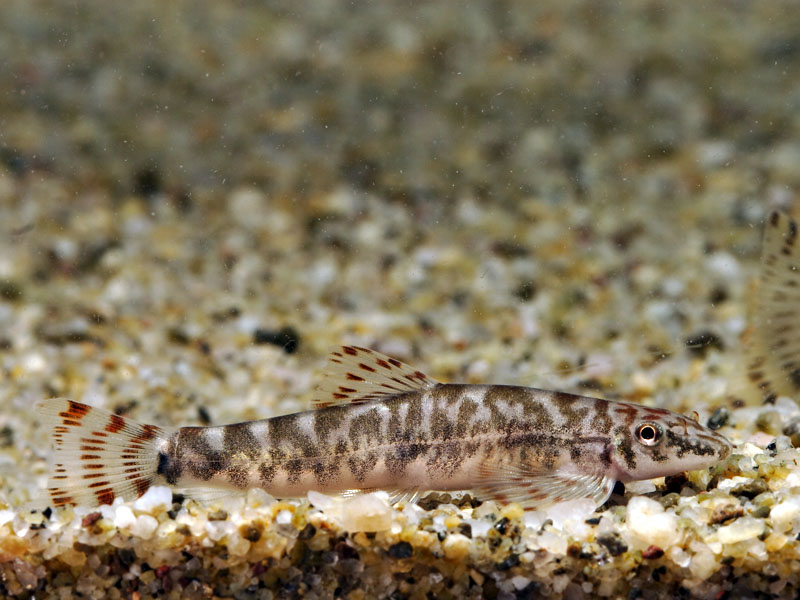
拟平鳅(Liniparhomaloptera disparis)是来自中国南部的急流鱼,已有水族箱繁殖记录,雌鱼会选择地点、掘坑并埋卵。成熟雌鱼比雄鱼更大、更有优势,不能照搬其他吸鳅雄鱼主导的判断。
分布与栖息地
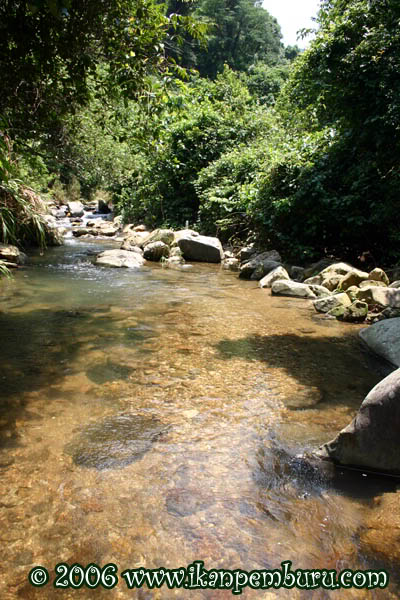
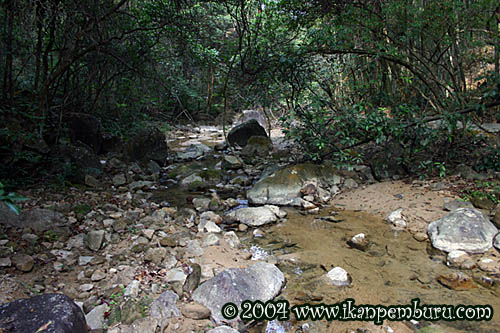
记录涉及珠江水系多地及香港,海南旧记录存在分类范围争议。栖息浅而富氧的上游及小支流,急滩、浅流和水潭交错,底部多石块、砂砾与大卵石,清澈水体中的受光表面形成附着生物。
饲养环境
底面积至少参考 80 × 30 厘米。砂砾底与大小圆石提供活动空间,强过滤、造流和增氧保持清洁,每小时循环可参考水体的 10–15 倍。较强照明促藻膜,避免新木大量染水;附生植物和外露海绵可补充觅食面。只入成熟缸,定期部分换水但保留多数附着物,并严密加盖防攀爬。
食性与喂食
看起来属于广食性鱼,会吃藻类、蓝细菌和其他生物膜,也接受红虫、水蚯蚓等小型活冷冻饵。饮食要多样,不能只留给它其他鱼吃剩的东西。消瘦个体应先在缺少竞争的环境获得持续、容易取得的食物。
习性与混养
性情相对温和,建议四尾以上同养,避开大型、强势或抢食激烈的伙伴。部分个体会保护觅食位置,雌鱼一般较占优势,混养时要让底部空间和食物面足够分散。
雌雄区分
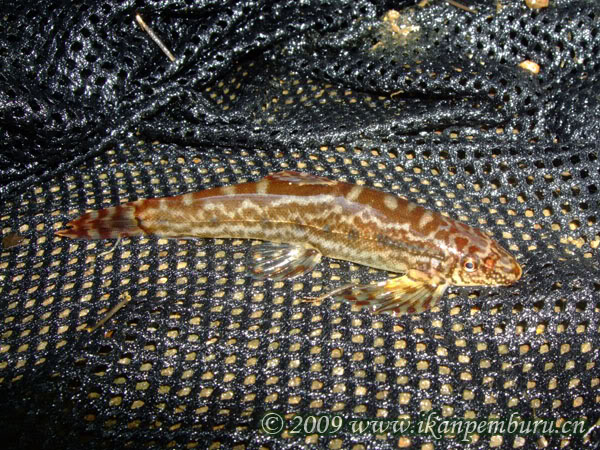
成熟雌鱼比雄鱼更大、更厚实,社会地位通常也更高。
繁殖
繁殖似乎有季节性,常见观察与当地秋至春的旱季相近,正式产卵前可能先持续数周演练。雌鱼主导选点并用身体后部扇出凹坑,可等待雄鱼或主动引导伙伴;一雌一雄、多雄甚至多雌共同参与均有记录。
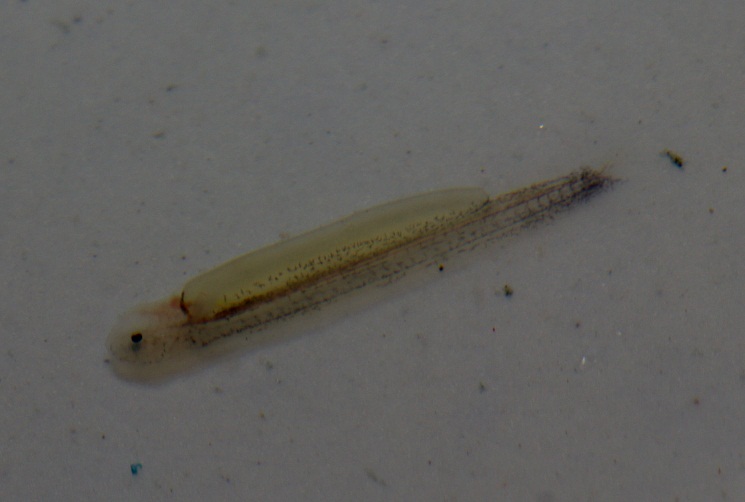
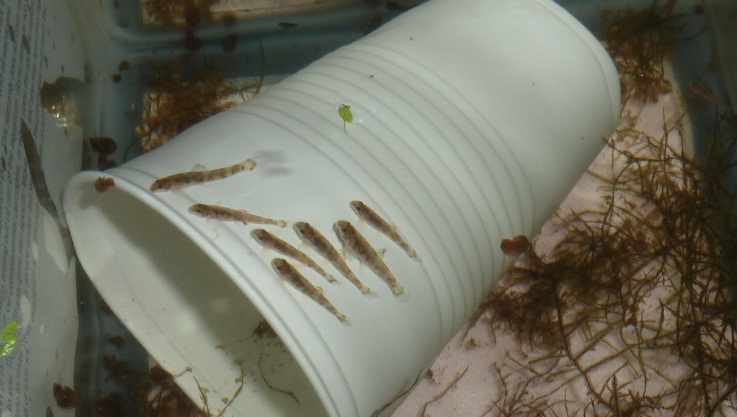
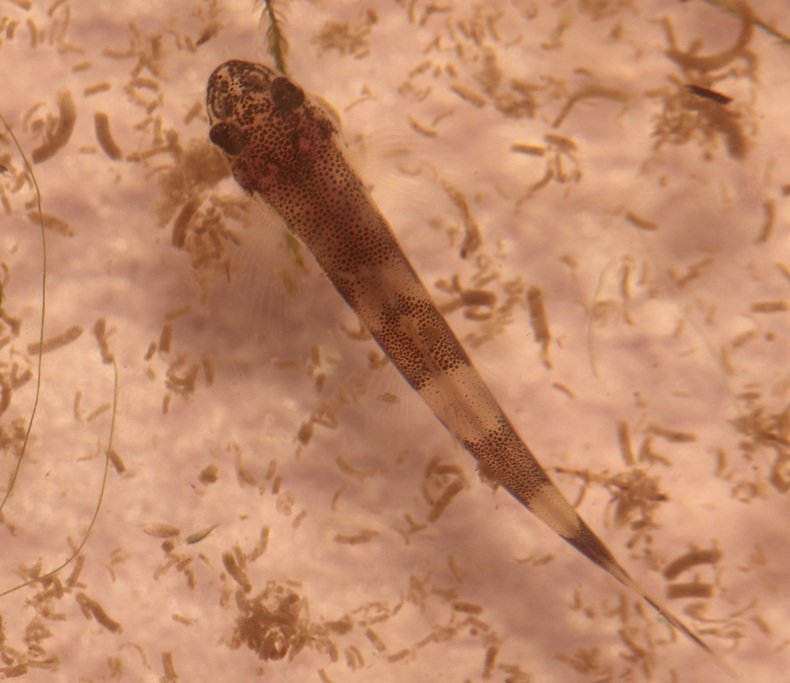
受精后雄鱼离开,雌鱼覆砂埋卵,其他成鱼可能掘卵吃,因此想提高数量宜用专门繁殖或育苗设施。橙色卵约 1 毫米,约三天孵化;再过三至五天吸收卵黄后,幼鱼开始从底床露面,起初很胆小。成熟缸可能有少量自然存活,足食时一个月全长可达约 25 毫米,之后长速放缓,性成熟似乎在一岁内。
补充说明
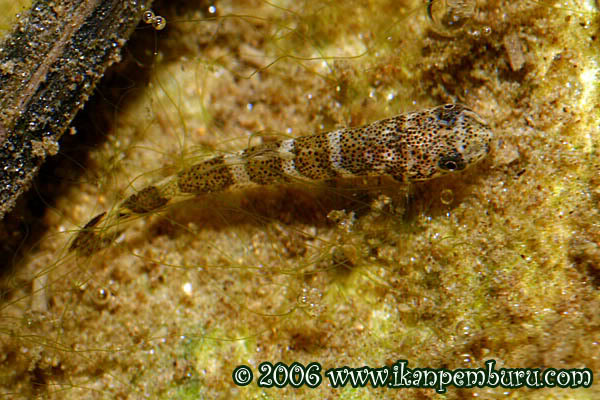
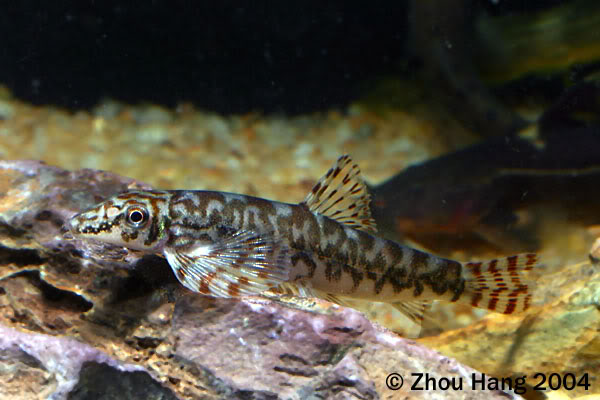
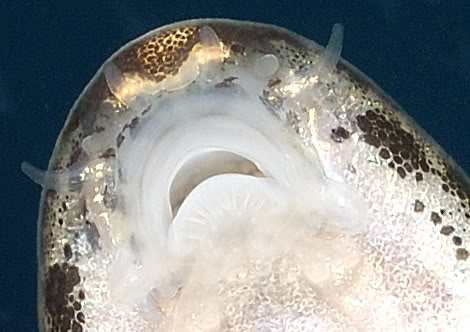
贸易中可能混用虚构学名。辨认可注意较短的须、小口和未分裂的下唇;香港记录不代表珠江流域所有地点均有分布。
图片
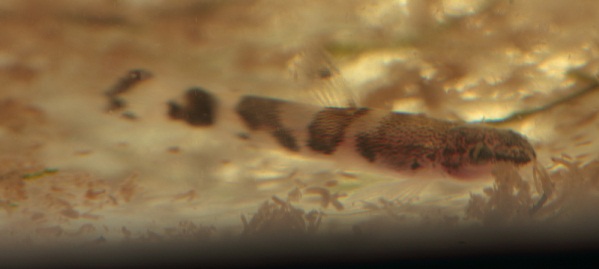
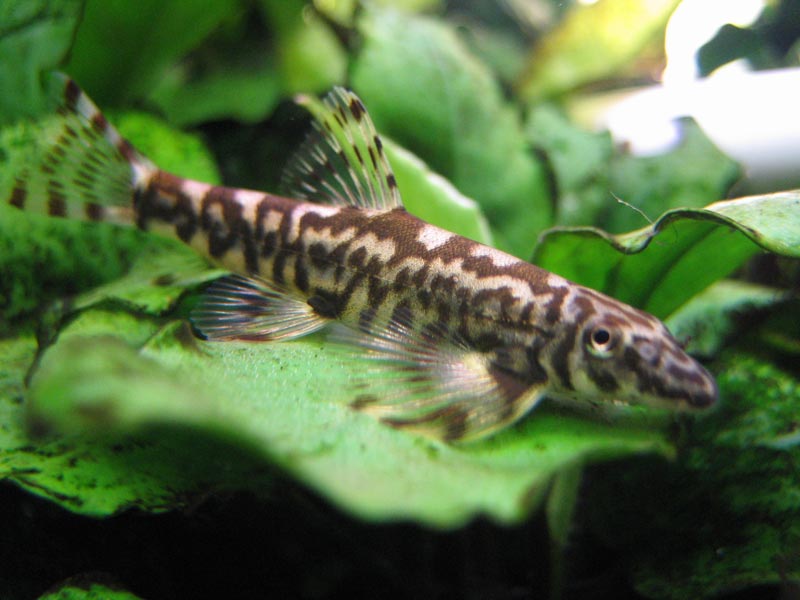
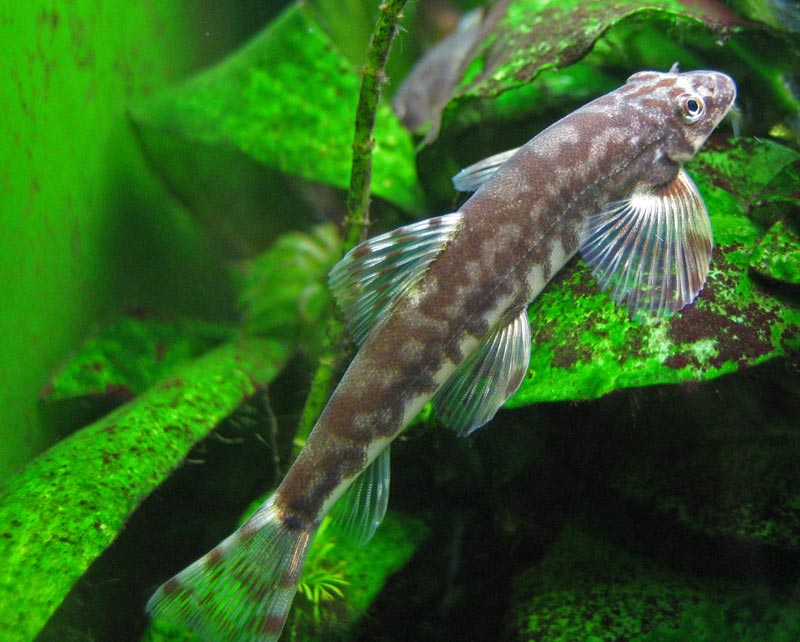
图片来自 SeriouslyFish,版权归各摄影者所有。
English
Overview
A southern Chinese stream loach, Liniparhomaloptera disparis has reproduced in aquaria through female-led excavation and egg burial. Mature females are larger and more dominant, reversing assumptions that males always control hillstream-loach interactions.
Distribution & habitat
Records cover parts of the Pearl River system and Hong Kong; the interpretation of Hainan records depends on taxonomic limits. Shallow oxygenated headwaters and tributaries contain riffles, runs, and pools over rocky substrates with rich surface growth.
Aquarium setup
Provide at least an 80 by 30 cm footprint with varied rock surfaces over sand or gravel. Effective filtration and aeration should support the suggested turnover of 10–15 tank volumes per hour. Light encourages biofilm, while heavy staining from fresh wood is less desirable. Plants and sponge surfaces add feeding opportunities. Use a mature system, retain established growth during cleaning, and secure the cover.
Diet & feeding
It appears broadly omnivorous, consuming algae, cyanobacteria, and other biofilm as well as small animal foods. Provide variety rather than relying on leftovers. Severely weakened fish need readily available food without competition during recovery.
Behaviour & compatibility
Groups of at least four suit its relatively peaceful behavior. Avoid much larger or highly competitive companions. Some fish defend valuable feeding space, with females generally dominant, so ample accessible bottom area is useful.
Sexual dimorphism
Mature females are larger, deeper-bodied, and generally more dominant than males.
Breeding
Reproduction appears seasonal, with weeks of preparatory behavior before eggs are actually laid. Females choose and excavate sites, then wait for or recruit males. Pairings may involve one or several males, and multiple females can use nearby sites.
After fertilization the female covers the eggs. Other adults may dig them out to eat, so dedicated facilities improve yield. Orange eggs about 1 mm across hatch after roughly three days. Fry absorb the yolk over another three to five days before emerging timidly from the substrate. Some can survive in a mature community, but deliberate rearing is more productive. Well-fed young may reach about 25 mm total length after a month, with slower subsequent growth and apparent maturity within a year.
Notes
Fictitious scientific names sometimes accompany traded fish. Short barbels, a small mouth, and the undivided lower lip assist identification. A basin-wide description should not be read as confirmed occurrence at every tributary.
来源
ID:liniparhomaloptera-disparis · 文件: data/species/liniparhomaloptera-disparis.md · 状态: 草稿