壮盗丽鱼
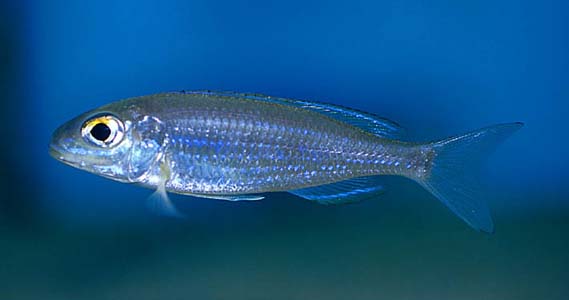
概要
| 字段 | 值 |
|---|---|
| 类别 | 鱼 |
| 学名 | Lestradea perspicax |
| 别名 | 壯盜麗魚 |
| 分类 | 慈鲷目 Cichliformes › 慈鲷科 Cichlidae › Lestradea |
| 水体 | 淡水 |
| 成体体长 | 13.5 cm |
| 饲养难度 | 中等 |
| 最小水体 | 108 L |
| 最小缸长 | 120 cm |
| 性情 | 温和 |
| 外部数据 | seriouslyfish lestradea-perspicax;fishbase 8632 |
| 原产地 | 坦噶尼喀湖北端 |
| 繁殖方式 | 口孵 |
水质参数
| 参数 | 耐受范围 | 最适范围 | 单位 |
|---|---|---|---|
| 水温 | 24–27 | — | °C |
| pH | 7.8–9 | — | — |
| 总硬度 | 8–25 | — | dGH |
概述
壮盗丽鱼(Lestradea perspicax)是性情很温和的坦湖慈鲷,会通过筛动底砂寻找食物。它不常进入观赏鱼市场,饲养时比起热闹强势的混养组合,更需要安静同伴、沙底和足够游动空间。
分布与栖息地
本种为坦噶尼喀湖北端特有鱼,主要生活在沙底浅水区域。
饲养环境
可参考约 120 × 30 × 30 厘米的缸。用岩堆形成洞穴,同时保留大片开阔游动区,不要把底面积全塞满岩石。沙底便于它正常筛砂觅食,是布局的重要部分。水需维持适合坦湖鱼的硬碱性条件。
食性与喂食
多数合口食物都能接受,但活饵和冻饵应占主要部分。筛砂行为是觅食方式,不能理解为仅靠缸底残渣就可以维持营养。
习性与混养
本种非常温和,不宜与过度活跃、强势的岩栖慈鲷混养。可从温和且需求相近的坦湖鱼中选择同伴,同时保留其沙地活动空间。
雌雄区分
辨别较困难。雄鱼通常稍大,背鳍上有两条较清晰的线,雌鱼通常只有一条;需结合成鱼状态观察,不宜只凭一眼确定。
繁殖
野外已知由雌鱼口孵,人工水族箱中尚无成功繁殖记录可作为成熟流程。不要将其他坦湖口孵鱼的育幼时间直接套用到本种。
补充说明
它与近缘 Lestradea stappersi 的分类曾有混淆,后者最初被视为亚种,现作为独立种。挑选鱼时应区分这段旧分类关系,避免把旧亚种名当作本种的普通色型。
图片
图片来自 SeriouslyFish,版权归各摄影者所有。
English
Overview
Lestradea perspicax is a notably peaceful Tanganyikan cichlid that searches for food by sifting sand. It is uncommon in the trade and benefits from quiet companions, usable sandy floor space and plenty of room to swim.
Distribution & habitat
The species is endemic to the northern end of Lake Tanganyika, where it inhabits shallow areas with sandy bottoms.
Aquarium setup
An aquarium around 120 × 30 × 30 cm provides a reference. Arrange rock piles into caves but retain extensive open swimming space rather than filling the entire footprint with stone. Sand allows its normal feeding behavior. Maintain the hard alkaline conditions appropriate to this lake fish.
Diet & feeding
Most suitable foods are accepted, but live and frozen offerings should form the main part of feeding. Sand sifting is a method of searching for food, not evidence that aquarium debris alone supplies an adequate diet.
Behaviour & compatibility
Avoid highly boisterous or domineering rock-dwelling cichlids. Choose gentler Tanganyikan companions with matching requirements, while preserving the sand area it uses.
Sexual dimorphism
Sexing can be difficult. Males tend to be slightly larger and show two distinct dorsal-fin lines, whereas females usually show one. Assess mature individuals carefully rather than treating a brief view as conclusive.
Breeding
Females are known to mouthbrood in nature, but successful aquarium reproduction has not established a practical breeding protocol. Timings from other Tanganyikan mouthbrooders should not simply be transferred to this species.
Notes
Confusion has involved the related Lestradea stappersi, initially treated as a subspecies but now regarded as distinct. Recognize that historical classification when checking identity rather than interpreting the former subspecies name as an ordinary color form.
来源
- https://www.seriouslyfish.com/species/lestradea-perspicax(抓取于 2026-10-10)
lestradea-perspicax · 文件: data/species/lestradea-perspicax.md · 状态: 草稿