紫薄鳅
概要
| 字段 | 值 |
|---|---|
| 类别 | 鱼 |
| 学名 | Leptobotia taeniops |
| 别名 | 紫薄鰍、Parabotia taeniops、Cobitis cha-ny、Botia purpurea、Leptobotia purpurea |
| 分类 | 鲤形目 Cypriniformes › 沙鳅科 Botiidae › Leptobotia |
| 水体 | 淡水 |
| 原产地 | 中国 |
| 成体体长 | 15 cm |
| 饲养难度 | 中等 |
| 最小水体 | 243 L |
| 最小缸长 | 120 cm |
| 群居方式 | 群游 |
| 水流偏好 | 高 |
| 外部数据 | seriouslyfish leptobotia-taeniops;fishbase 60442 |
水质参数
| 参数 | 耐受范围 | 最适范围 | 单位 |
|---|---|---|---|
| 水温 | 15.5–21 | — | °C |
| pH | 6.5–7.5 | — | — |
| 总硬度 | 5–20 | — | dGH |
概述
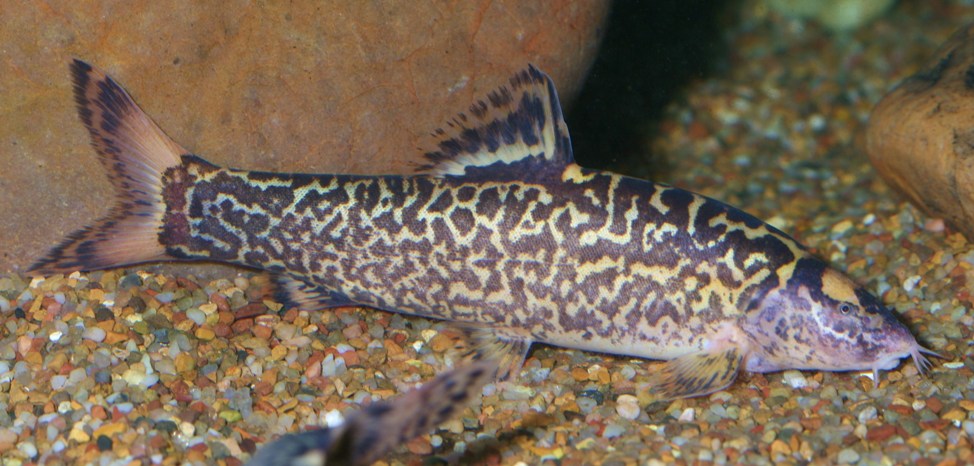
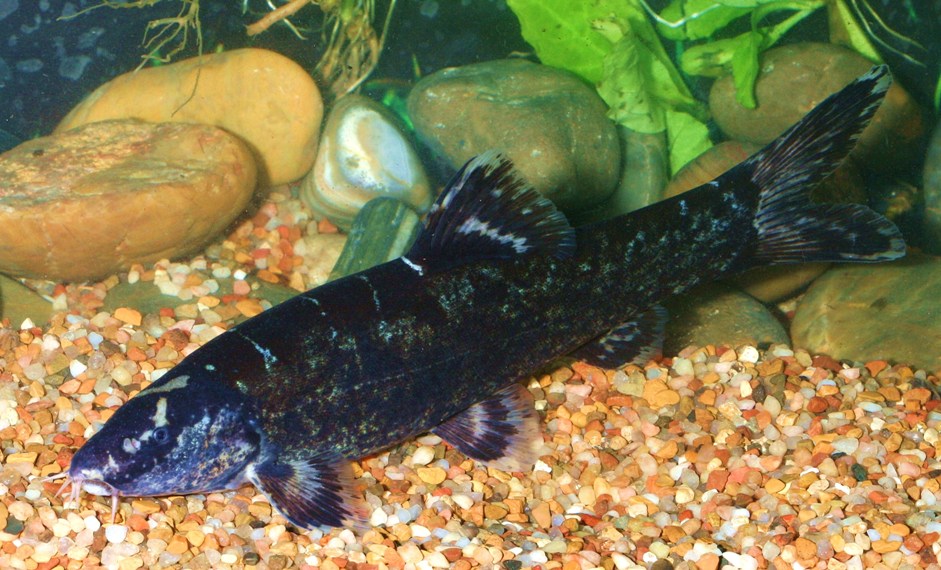
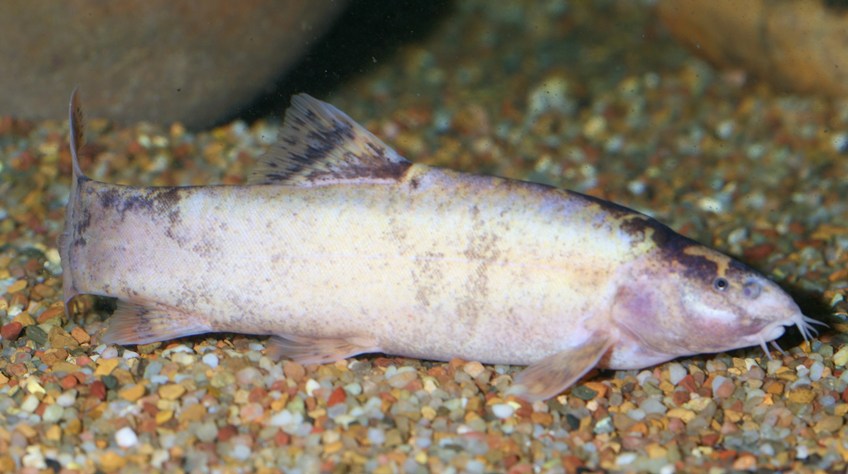
紫薄鳅(Leptobotia taeniops)偶尔进入观赏鱼贸易,个体花纹变化很大,从较素的体色到网纹都有,颜色也可从褐色到粉色。它是需要清洁流水环境与群体空间的中国河流鳅类。
分布与栖息地
原生于长江中上游,多数记录来自湖南,包括洞庭湖;分布区偏东的群体可呈网状花纹。筑坝、污染和栖息地损失已改变部分天然河段。
通常偏好含氧充分的清洁流水及岩石、砾石底床,既见于基岩和大石较多的溪流,也出现在较大、浑浊的河道。部分个体可能因筑坝而生活在湖库,但在那里繁殖的可能性较低。
饲养环境
底面积至少约 120 × 45 cm,以砾石、大小不一的岩石和圆滑大石布置出流水环境。沉木根枝提供阴影,管道等作为藏身处,耐受水流的附生植物可固定在木石上。
水质应长期清洁、稳定,循环与增氧充分,避免有机废物积聚,只在过滤成熟的缸中饲养。长期水温宜为 15.5~21 °C,温暖地区的夏季可能需要冷水设备。
食性与喂食
野外可能捕食底部昆虫、甲壳类和小鱼,但天然食谱未获明确确认。可提供红虫、水蚯蚓、切碎贝肉、蚯蚓等活饵或冷冻饵,并交替使用优质沉底饲料,保持食物多样。
习性与混养
预计不算特别好斗,但很小的鱼可能受其体型及活跃行为干扰。慢游或长鳍鱼应避免;温和、健壮且体型相称的开阔水域鱼较合适。其他鳅类或鲶鱼仍须核对水温、水流和空间是否匹配。
薄鳅属具有群体互动及等级关系,宜至少 3~4 条。单养可能退缩或攻击形似的鱼,两三条的小群也可能出现优势个体压制其他鱼直到其停食的情况。应把这些视作属级饲养参考。
雌雄区分
成熟雌鱼可能比雄鱼更丰满,但尚无可靠的外观鉴别依据。
繁殖
尚无水族箱繁殖记录。
补充说明
本种曾归入副沙鳅属,旧学名因此可能出现在历史记录和商品资料中。“蜂窝鳅”一类商品称呼反映部分网纹个体,不能期待每条鱼都具有相同花纹。
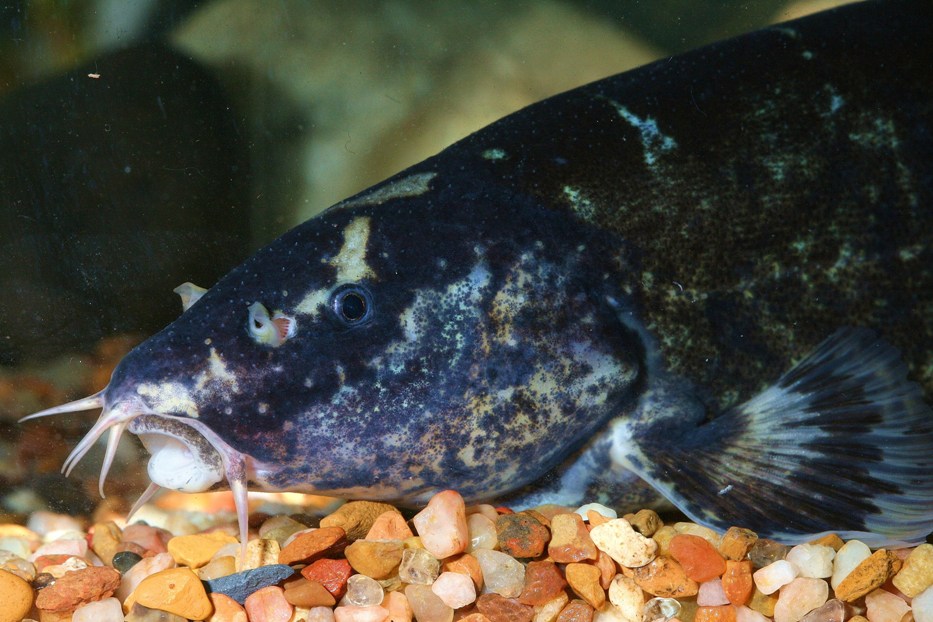
薄鳅属眼下棘在受惊时可竖起,捕捞时需防缠网和刺伤。持续消瘦应查明原因,不宜仅凭体型就判断某种病原感染。
图片
图片来自 SeriouslyFish,版权归各摄影者所有。
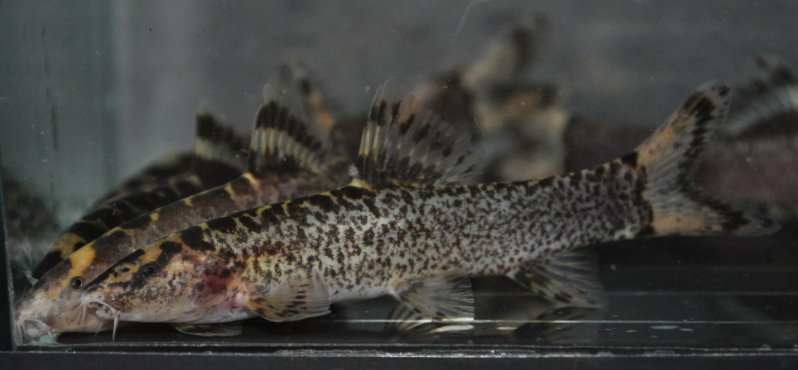
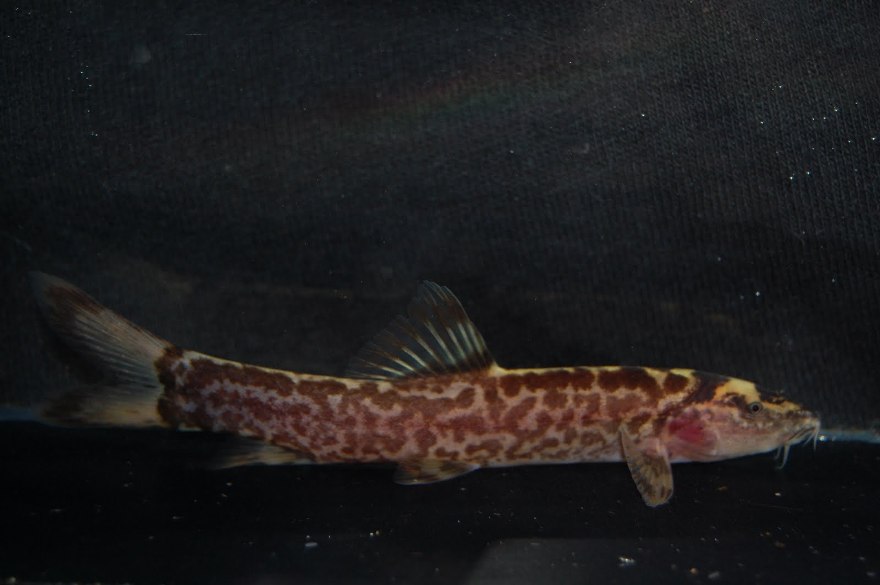
English
Overview
Occasionally available in the hobby, Leptobotia taeniops varies from nearly plain to strongly reticulated, with colors ranging from brown to pink. This Chinese river loach requires a clean, flowing-water setup with space for a social group.
Distribution & habitat
It is native to the middle and upper Yangtze, with many records from Hunan, including Dongting Lake. Reticulated populations occur toward the eastern part of its range. Dams, pollution, and habitat loss have altered parts of its river environment.
Clear, oxygen-rich running water over rocks and gravel is favored. Habitats include rocky headwaters and larger, turbid channels. Some fish may occupy impoundments following dam construction, although reproduction in those conditions is considered unlikely.
Aquarium setup
Allow a footprint of at least about 120 × 45 cm. Combine gravel, varied rocks, and smooth boulders in a stream-style layout. Roots and branches add shade, pipes provide retreats, and robust attached plants may be placed on the decorations.
Maintain stable, clean water with ample circulation and oxygenation. Prevent organic waste accumulation and use a fully matured aquarium. Long-term temperatures around 15.5–21 °C are appropriate; warm climates may require summer cooling.
Diet & feeding
Predation on bottom-dwelling insects, crustaceans, and small fishes is plausible but not confirmed as its natural diet. Offer a varied combination of live or frozen bloodworms, Tubifex, chopped shellfish, earthworms, and quality sinking foods.
Behaviour & compatibility
Marked aggression is not expected, but very small fishes may be intimidated by its activity and size. Avoid slow or long-finned companions. Peaceful, robust open-water species of compatible size are better candidates. Other loaches and catfishes still need matching temperature, current, and space requirements.
Social interaction and hierarchies occur in Leptobotia, supporting a group of at least three or four. Isolated fish may withdraw or attack similarly shaped companions, while pairs and trios can result in domination severe enough to stop weaker fish feeding. These observations are guidance at genus level.
Sexual dimorphism
Mature females may be fuller than males, but reliable external sex differences are not established.
Breeding
Aquarium reproduction has not been recorded.
Notes
This species was once placed in Parabotia, explaining some historical names. The trade label honeycomb loach reflects reticulated individuals rather than a pattern shared by every fish.
Movable spines below the eyes in Leptobotia can snag nets and injure hands. Investigate persistent wasting without assuming a specific infection solely from body condition.
来源
- https://www.seriouslyfish.com/species/leptobotia-taeniops(抓取于 2026-10-10)
leptobotia-taeniops · 文件: data/species/leptobotia-taeniops.md · 状态: 草稿