桂林薄鳅
概要
| 字段 | 值 |
|---|---|
| 类别 | 鱼 |
| 学名 | Leptobotia guilinensis |
| 分类 | 鲤形目 Cypriniformes › 沙鳅科 Botiidae › Leptobotia |
| 水体 | 淡水 |
| 原产地 | 中国 |
| 成体体长 | 10 cm |
| 饲养难度 | 中等 |
| 最小水体 | 108 L |
| 最小缸长 | 120 cm |
| 群居方式 | 群游 |
| 水流偏好 | 高 |
| 外部数据 | seriouslyfish leptobotia-guilinensis;fishbase 60473 |
| 别名 | Leptobotia guilinensis |
水质参数
| 参数 | 耐受范围 | 最适范围 | 单位 |
|---|---|---|---|
| 水温 | 15.5–21 | — | °C |
| pH | 6.5–7.5 | — | — |
| 总硬度 | 5–20 | — | dGH |
概述
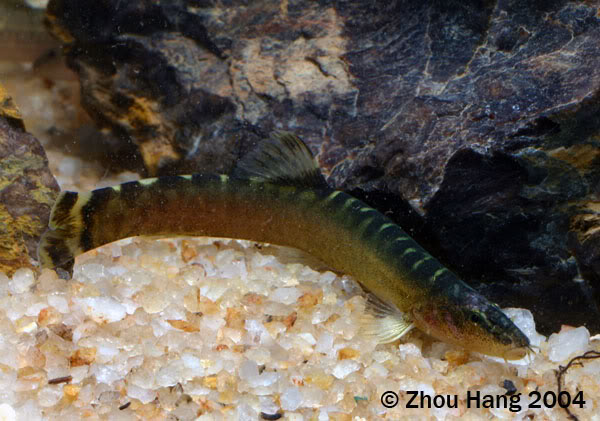
桂林薄鳅(Leptobotia guilinensis)是中国南方的薄鳅类,饲养时应优先考虑偏凉、清洁、高溶氧的流水环境。贸易中的同名鱼可能实际属于其他近缘种,核对身份比照搬商品标签更重要。
分布与栖息地
模式地为广西桂林,湖南也有记录,包括武陵山区。实际栖息环境尚未确认,可能偏好清澈、供氧良好、以岩石和砾石为底的河流。同属鱼既见于岩石密布的上游,也会随季节出现在较浑浊的大河,不能把所有记录都套成本种的固定环境。
饲养环境
建议底面积至少约 120 × 30 cm,按流水河溪布置,用不同粒径的岩石、砾石和平滑卵石组成底床。根枝和沉木提供阴影,管状躲避物可增加退避处。铁皇冠、黑木蕨或水榕类植物可附着在造景上;较亮照明能促进附着生物生长。
需要充足溶氧和明显水流,可结合外置过滤、造流设备实现。稳定水质与防止有机废物累积同样重要,不能投入未成熟新缸。适宜水温偏低,炎热地区夏季可能需要主动降温,选混养鱼时也须考虑这一点。
食性与喂食
野外可能捕食底部昆虫、甲壳动物和小鱼。人工饲养宜轮换红虫、水丝蚓、切碎贝肉、蚯蚓及优质沉底干粮;混养小鱼仍应考虑潜在捕食和压迫风险。
习性与混养
同属鱼会形成群体等级,宜至少四条并提供足够空间。独养可能退缩或攻击形似鱼,数量过少也可能使弱势个体被压制到停食。本种可能并不强烈好斗,但体形和活动量会使小鱼紧张,慢游长鳍鱼也不适合。
可考虑体形和温度需求合适的平和开阔水域鱼。其他底部鱼需要逐种确认水温、水流、体形和相处方式,不能只按科属决定混养。
雌雄区分
成熟雌鱼可能较厚实,但这个区别尚未得到确认,不宜仅凭腹部轮廓准确配对。
补充说明
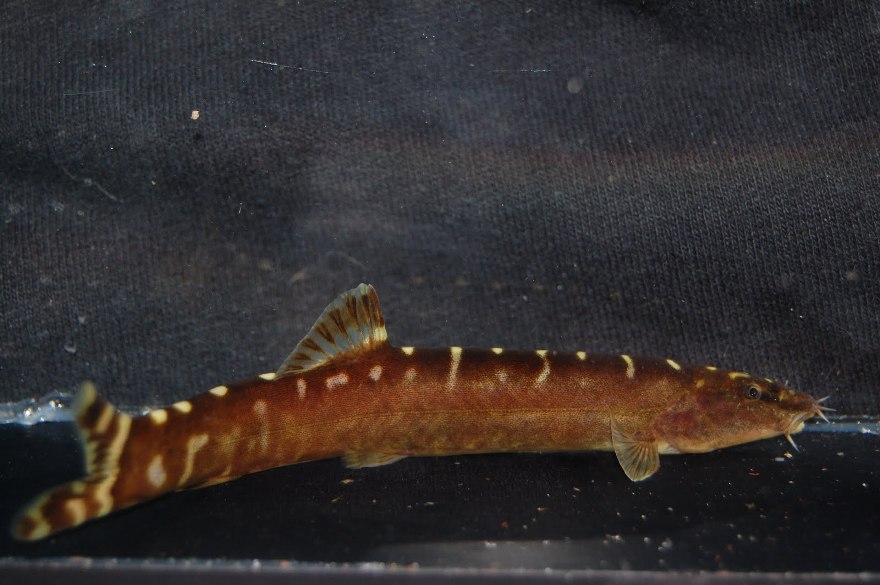
外形常与 Sinibotia pulchra 等近亲混淆。描述中认为它接近 Sinibotia zebra,但头部无条纹;这一差异只是核对线索,不能代替完整鉴定。薄鳅属眼下棘短而不分叉,受惊时可竖起,捞鱼需防挂网或刺伤。新鱼持续消瘦也值得留意。
图片
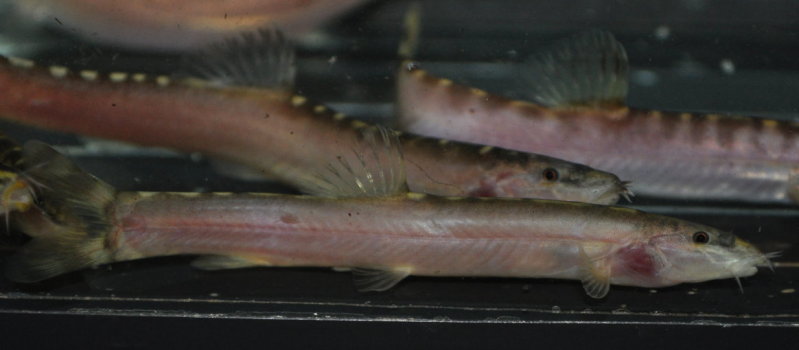
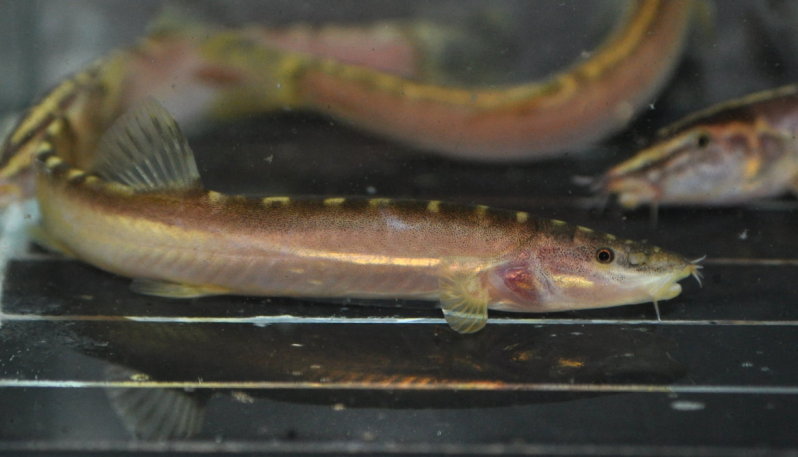
图片来自 SeriouslyFish,版权归各摄影者所有。
English
Overview
Leptobotia guilinensis is a southern Chinese loach best approached as a cool-water fish requiring clean, oxygen-rich circulation. Fish sold under its name may be related species, making identity checks more useful than reliance on a shop label.
Distribution & habitat
The type locality is Guilin, Guangxi, with additional records from Hunan including the Wuling Mountains. Its habitat is unconfirmed but probably includes clear, well-oxygenated running water over rock and gravel. Relatives occur in boulder-filled headwaters and seasonally in larger turbid channels; those records do not define every habitat used by this species.
Aquarium setup
Aim for at least about 120 × 30 cm of floor space. Build a stream-style arrangement with rocks of different sizes, gravel, and smooth boulders. Roots and wood provide shade, while pipe shelters add retreats. Attached Java fern, African water fern, or anubias can be used; brighter lighting encourages attached growth.
Maintain high oxygen levels and substantial circulation using external filtration and pumps as appropriate. Stable conditions and prevention of organic-waste accumulation are equally important. Do not introduce it to an immature system. Its cool temperature requirements may make active summer cooling necessary in warm climates and constrain companion choices.
Diet & feeding
Insects, crustaceans, and small fish are probable wild prey. Offer varied bloodworms, Tubifex, chopped shellfish, earthworms, and quality sinking dry foods. Possible predation and intimidation remain relevant when considering much smaller fish.
Behaviour & compatibility
Relatives form social hierarchies; keep at least four with sufficient space. Solitary individuals may withdraw or attack similar fishes, while undersized groups can leave subordinates suppressed until they stop feeding. This species is not expected to be strongly aggressive, but size and activity may alarm small companions. Slow, long-finned fish are unsuitable.
Peaceful open-water species of compatible size and temperature requirements are better candidates. Evaluate other bottom dwellers individually for flow, temperature, size, and behavior rather than relying only on family or genus.
Sexual dimorphism
Mature females may be fuller-bodied, but this difference is unconfirmed and cannot guarantee accurate pairing.
Notes
Trade specimens are often confused with Sinibotia pulchra or other relatives. The description compares it with Sinibotia zebra but notes an unstriped head; this is an identification clue rather than a complete diagnosis. The genus has short, unbranched eye spines that can catch nets or injure handlers. Persistent wasting in new fish also warrants attention.
来源
- https://www.seriouslyfish.com/species/leptobotia-guilinensis(抓取于 2026-10-10)
leptobotia-guilinensis · 文件: data/species/leptobotia-guilinensis.md · 状态: 草稿