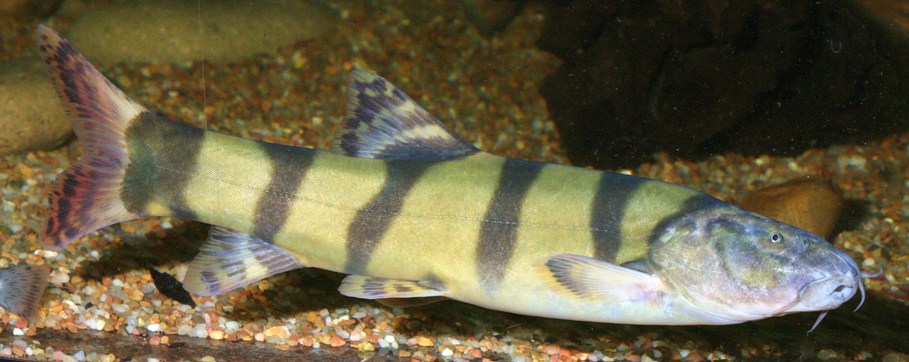
长薄鳅 · Imperial Flower Loach
概要
| 字段 | 值 |
|---|---|
| 类别 | 鱼 |
| 学名 | Leptobotia elongata |
| 别名 | 長薄鰍、Botia elongata、Cobitis variegata、Botia citrauratea |
| 分类 | 鲤形目 Cypriniformes › 沙鳅科 Botiidae › Leptobotia |
| 水体 | 淡水 |
| 原产地 | 中国 |
| 成体体长 | 50 cm |
| 饲养难度 | 困难 |
| 最小水体 | 2916 L |
| 最小缸长 | 360 cm |
| 群居方式 | 群游 |
| 水流偏好 | 高 |
| 外部数据 | seriouslyfish leptobotia-elongata;fishbase 55405 |
| 食性 | 肉食 |
| 特征 | 吃小鱼: 是 |
水质参数
| 参数 | 耐受范围 | 最适范围 | 单位 |
|---|---|---|---|
| 水温 | 15.5–21 | — | °C |
| pH | 6.5–7.5 | — | — |
| 总硬度 | 5–20 | — | dGH |
概述
长薄鳅(Leptobotia elongata)是大型、群居的河流鳅类,成年体型与捕食习性使它只适合有大型设施及长期照护能力的饲养者。野外种群因河流环境改变而明显减少,贸易中也不常见。
分布与栖息地
原生于中国长江中上游。越南北部泸江有外形相似但身份未定的鱼,不能据此确认本种分布到越南。
偏好清洁、富氧的流水和岩石、砾石河床,既见于布满基岩与大石的上游溪流,也进入较大而浑浊的河道。水坝建成后可能滞留于湖库,但在这些环境中繁殖的可能性较低。筑坝、污染、侵蚀、过度捕捞及产卵场和迁移通道受损,均威胁其野外种群。
饲养环境
这类鱼主要适合公共展缸或极大型私人设施,底面积应超过约 360 × 90 cm;考虑到野外迁移习性,这也未必足够长期使用。
可模拟河流,以大小不一的岩石、砾石、圆滑巨石铺设底床,沉木根枝制造阴影,管道提供额外隐蔽所。多数水草难适应这种布置,耐流附生植物可固定在装饰上。强光能促进附着生物生长。
过滤、循环和增氧需要充分,水质必须稳定清洁,不能累积有机废物或使用尚未成熟的新缸。长期宜保持 15.5~21 °C,炎热地区夏季可能需要冷水设备;野外短期耐受温差不应被当作长期饲养范围。
食性与喂食
本种主要捕食底部的昆虫、甲壳类和小鱼。幼鱼可喂红虫、水蚯蚓、切碎贝肉、蚯蚓及优质沉底饲料;大型个体能接受整只虾、贻贝、蚯蚓和鱼肉块。食谱应有变化。
没有必要喂活饵鱼,它们可能带入疾病且营养价值并不理想。混合鱼肉、贝类、果蔬和干粮的凝胶饲料是另一选择。富含类胡萝卜素的食物据称有助于体色,但不应把显色当作单一配餐目标。
习性与混养
能吞下的鱼有被捕食的风险,大体型本身也限制了混养选择。本种需要社会互动,至少以 3~4 条为一群,进一步增加了空间需求。只有极大型设施才有条件考虑体型足够大的河流鲤科鱼作同伴。
雌雄区分
尚无可靠的外观辨别方法;成熟雌鱼可能较丰满,但这只是推测。
繁殖
野外为季节性迁移繁殖,水坝会干扰这一过程。普通水族箱内尚无繁殖成功记录,中国已有养殖场通过激素诱导繁殖。
补充说明
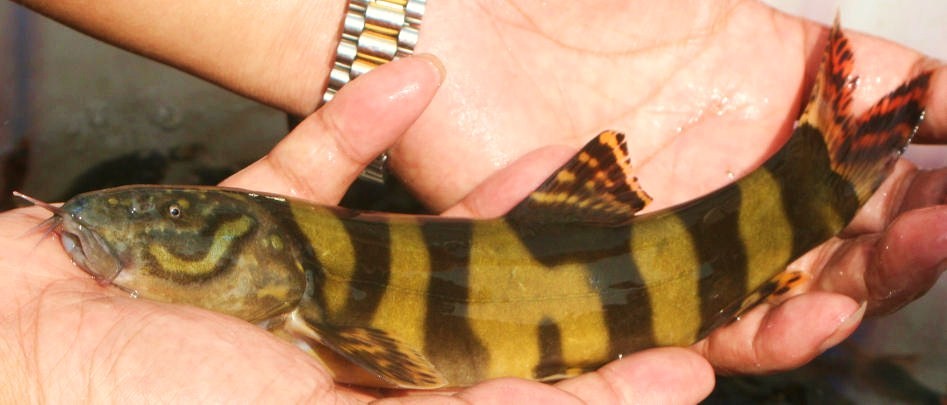
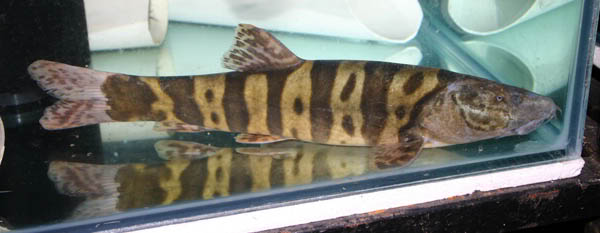
“皇家小丑鳅”一类商品称呼也被用于体型较小的白氏薄鳅(Leptobotia pellegrini),购买时应核对学名;后者身体较纤细,头部较深色,不能因名称相近就认为成年需求相同。
薄鳅属眼下棘在受惊时可竖起,转移大鱼时可能缠网或刺伤皮肤。持续消瘦应受到关注,但不能仅凭外形把原因确定为某一种病原。
图片
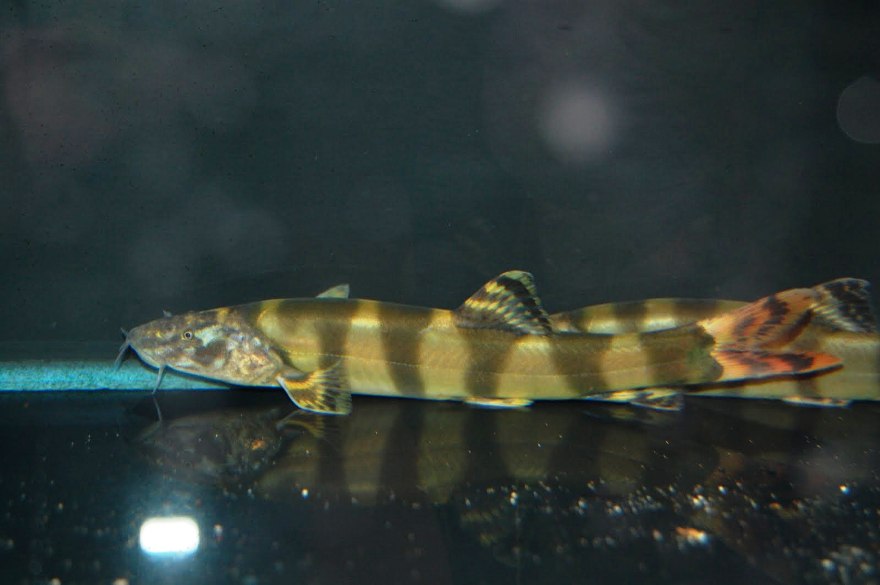
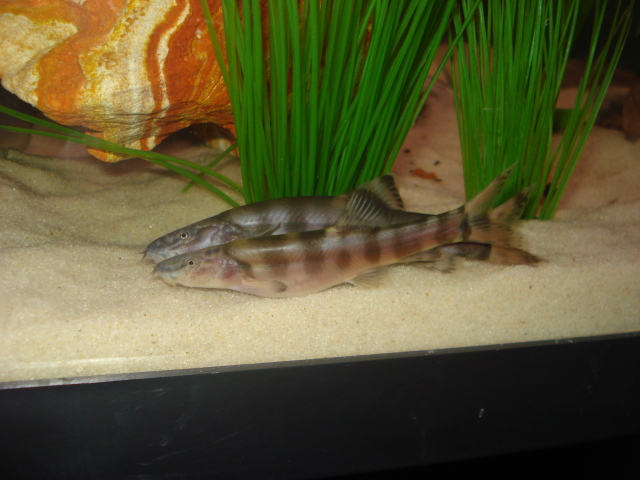
图片来自 SeriouslyFish,版权归各摄影者所有。
English
Overview
Large adult size, social needs, and predatory feeding make Leptobotia elongata a specialist fish requiring substantial facilities. Wild populations have declined with changes to river habitats, and aquarium availability is limited.
Distribution & habitat
It is native to the middle and upper Yangtze in China. A similar unidentified fish from northern Vietnam's Lo drainage does not establish a Vietnamese range for this species.
Clear, oxygen-rich rivers with rocky or gravel beds are favored. Records span boulder-filled headwaters and larger, sometimes turbid channels. Some fish may now occupy impoundments, where breeding is considered unlikely. Dams, pollution, erosion, excessive fishing, damaged spawning grounds, and obstructed migration routes have contributed to its decline.
Aquarium setup
Housing is principally a matter for public aquaria or exceptionally large private installations. A footprint exceeding roughly 360 × 90 cm is indicated, and even that may be inadequate over the long term for a migratory fish.
Build a river-style layout with mixed rocks, gravel, and smooth boulders. Roots and branches can create shade, with pipes providing additional retreats. Most plants struggle in this setting, although robust attached plants can be used. Stronger lighting encourages attached growth.
Provide substantial filtration, circulation, and oxygenation. Water must remain clean and stable without accumulated organic waste; immature aquaria are unsuitable. A long-term temperature of 15.5–21 °C is appropriate, and summer cooling may be necessary in warm climates. Brief seasonal tolerance in the wild should not be used as a permanent maintenance range.
Diet & feeding
This is primarily a predator of bottom-dwelling insects, crustaceans, and small fishes. Juveniles can receive bloodworms, Tubifex, chopped shellfish, earthworms, and quality sinking foods. Large specimens accept whole shrimp, mussels, earthworms, and pieces of fish. Keep the menu varied.
Live feeder fish are unnecessary and may introduce disease while offering limited nutritional value. Gel foods combining fish, shellfish, fruit, vegetables, and prepared foods are another option. Carotenoid-rich ingredients are said to strengthen coloration, but color enhancement should not dictate the entire diet.
Behaviour & compatibility
Fish small enough to swallow are potential prey, and adult size greatly restricts companion choices. Social contact also matters: plan for at least three or four individuals, increasing the space requirement further. Only enormous systems offer realistic scope for companions such as sufficiently large riverine cyprinids.
Sexual dimorphism
Reliable external differences are not established. Mature females may become fuller-bodied, but this remains a suggestion rather than a confirmed sexing method.
Breeding
Wild reproduction involves seasonal migration, a process disrupted by dams. Breeding has not been achieved in ordinary aquaria, although a Chinese farm has produced the species using hormonal induction.
Notes
Trade names such as royal clown loach have also been applied to Leptobotia pellegrini, a smaller, more slender fish with a darker head. Confirm identity rather than assuming similar names mean similar adult requirements.
The movable spines below the eyes in Leptobotia can snag nets and puncture skin when large fish are handled. Persistent wasting warrants attention without identifying a particular pathogen solely from body condition.
来源
- https://www.seriouslyfish.com/species/leptobotia-elongata(抓取于 2026-10-10)
leptobotia-elongata · 文件: data/species/leptobotia-elongata.md · 状态: 草稿