兔脂鲤 · Banded Leporinus
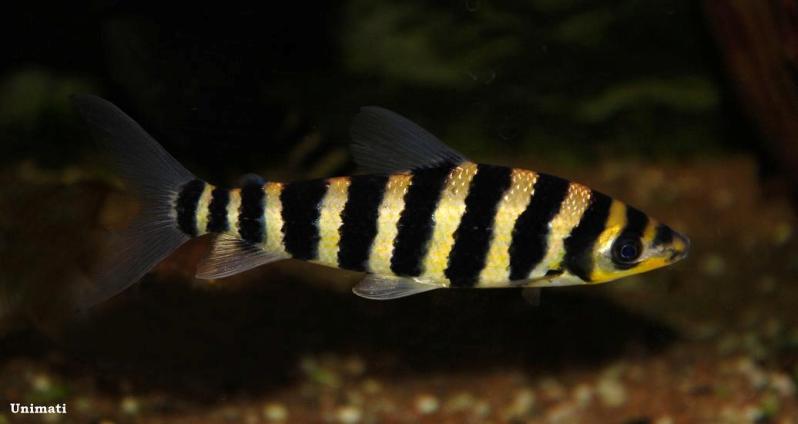
概要
| 字段 | 值 |
|---|---|
| 类别 | 鱼 |
| 学名 | Leporinus fasciatus |
| 别名 | 兔脂鯉、Salmo fasciatus、Leporinus novemfasciatus、Leporinus fasciatus altipinnis |
| 分类 | 脂鲤目 Characiformes › 小口脂鲤科 Anostomidae › Leporinus |
| 水体 | 淡水 |
| 原产地 | 玻利维亚、巴西、法属圭亚那、秘鲁、苏里南 |
| 成体体长 | 27 cm |
| 饲养难度 | 中等 |
| 最小水体 | 756 L |
| 最小缸长 | 210 cm |
| 群居方式 | 独居 |
| 领地性 | 是 |
| 特征 | 会跳缸: 是;吃小鱼: 是 |
| 外部数据 | seriouslyfish leporinus-fasciatus;fishbase 5352 |
| 食性 | 杂食 |
水质参数
| 参数 | 耐受范围 | 最适范围 | 单位 |
|---|---|---|---|
| 水温 | 20–28 | — | °C |
| pH | 5–7.5 | — | — |
| 总硬度 | 1–15 | — | dGH |
概述
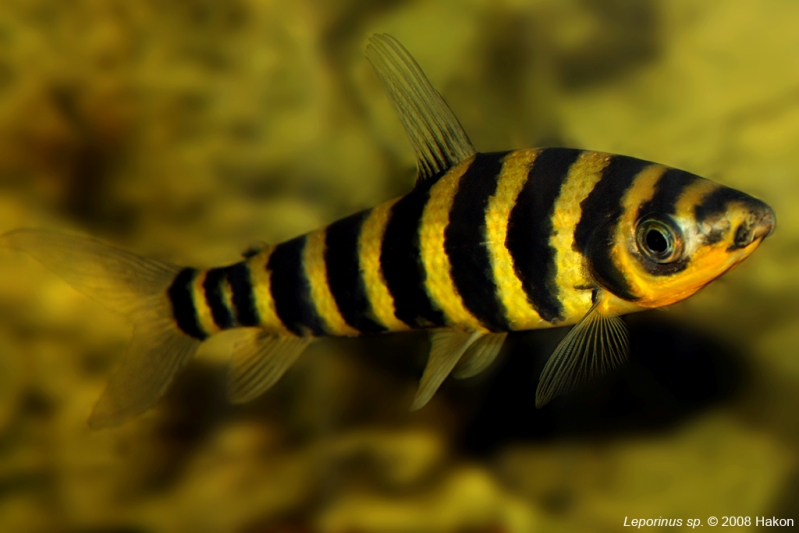
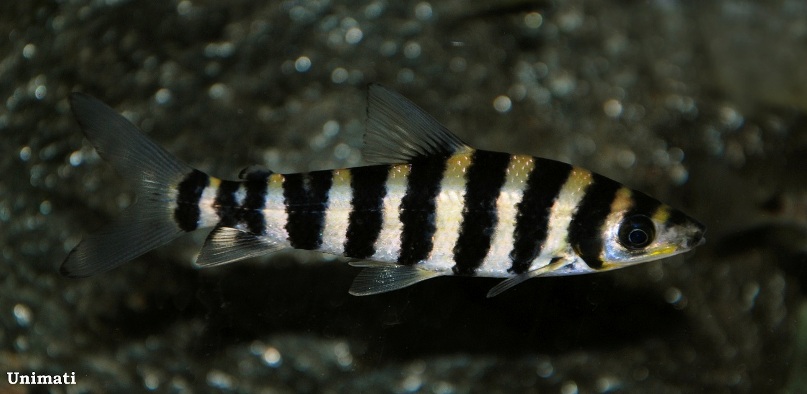
兔脂鲤(Leporinus fasciatus)以明显深色横带引人注意,但幼鱼常在没有充分说明成年空间需求的情况下出售。它需要大型鱼缸;横带还会随成长分裂增多,不能只凭带数和幼鱼大小判断身份与适养性。
分布与栖息地
广布于巴西、玻利维亚、秘鲁和委内瑞拉的亚马孙河、奥里诺科河及主要支流,圭亚那、苏里南和法属圭亚那沿海河流也有记录,包括埃塞奎博、科兰太因、德梅拉拉和科佩纳梅河。不同产地的体形与颜色有差异。
可生活于主河道、小支流、牛轭湖和洪泛湖,通常有年度迁移,雨季常进入淹水森林。
饲养环境
底面积至少约 210 × 60 cm。沙底、少量落叶、大型沉木根枝均可使用,确保活动空间与良好溶氧。活水草可能被啃食。
水质必须稳定,不能投入过滤尚未成熟的新缸。缸盖应严密贴合,防止跳出。
食性与喂食
野生个体胃中发现过果实、种子、附着生物,另有个体含小鱼,说明不能把它只当作吃藻的植物食鱼。缸内通常接受多种食物,仍应避免大量使用高蛋白产品。
习性与混养
少数同种常容易争执。较大的缸可养 6 条以上,否则以单条搭配温和中大型鱼为宜。体型匹配的脂鲤、甲鲶类或温和慈鲷可作为候选,喜欢流水者较易匹配环境。
明显较小的同伴有被捕食风险,不能因它平时在石面或底部觅食便认为小鱼安全。
雌雄区分
成熟雌鱼通常略大,腹部较圆。
繁殖
尚无明确人工繁殖记录。
补充说明
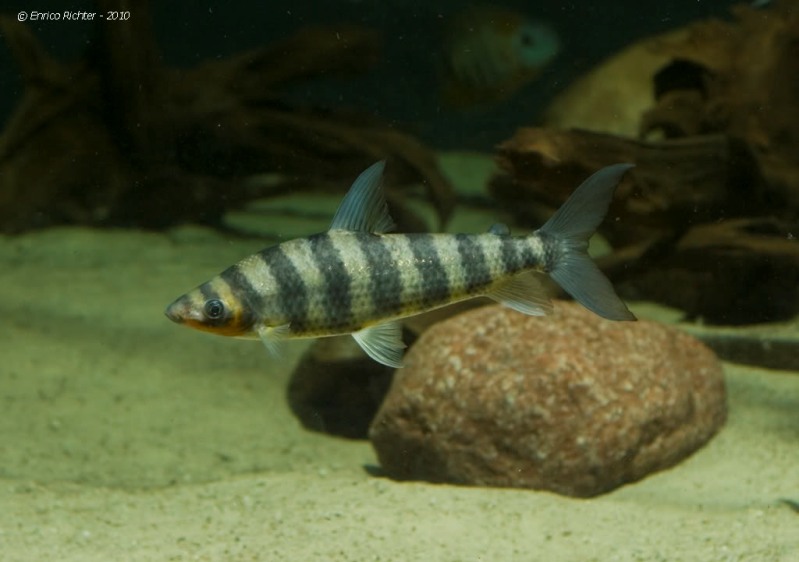
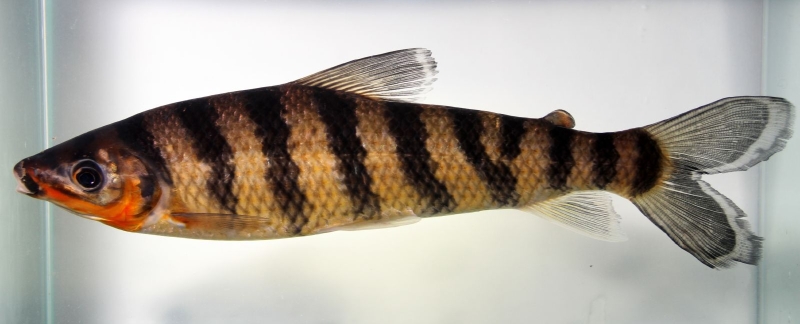
常与 Leporinus affinis 混淆。鳞片行数、侧线鳞数及臀鳍形态均可用于鉴别,横带数必须结合年龄看:幼鱼可仅约 5 条,之后逐渐分裂,成鱼约 10 条,但不同描述也出现过其他计数。
幼鱼花纹醒目并不代表适合小缸,购买前应按成年体型及长期空间安排。
图片
图片来自 SeriouslyFish,版权归各摄影者所有。
English
Overview
Bold dark bars make juvenile Leporinus fasciatus attractive in shops, sometimes without adequate explanation of its eventual housing needs. It requires a large aquarium, and bars split as the fish grows, complicating identification based on band counts alone.
Distribution & habitat
Records cover much of the Amazon and Orinoco systems in Brazil, Bolivia, Peru, and Venezuela, plus coastal rivers of Guyana, Suriname, and French Guiana. These include the Essequibo, Courantyne, Demerara, and Coppename. Appearance varies among localities.
Main channels, smaller tributaries, oxbows, and floodplain lakes are used. Seasonal movements commonly take fish into flooded forest during high water.
Aquarium setup
Provide a footprint of at least about 210 × 60 cm. Sand, some leaves, large roots, and branches can be used while retaining space and oxygenation. Aquatic plants may be eaten.
Stable water and established biological filtration are essential. Avoid immature tanks and close the lid securely to prevent jumping.
Diet & feeding
Wild stomach contents have included fruit, seeds, attached organisms, and, in one fish, smaller fishes. This is not simply an algae-eating herbivore. Captive feeding is generally flexible, although very high-protein products should not dominate.
Behaviour & compatibility
A few conspecifics can quarrel. Six or more require larger quarters; otherwise, keep one with peaceful medium or large fishes. Matching characins, armored catfishes, and peaceful cichlids are possible companions, particularly those suited to current.
Much smaller fishes risk being eaten. Grazing behavior does not establish safety for small companions.
Sexual dimorphism
Mature females generally grow slightly larger and have a rounder abdomen.
Breeding
Clear captive breeding records are lacking.
Notes
Confusion with Leporinus affinis is common. Scale-row counts, lateral-line scales, and anal-fin shape contribute to identification. Interpret bars in relation to age: very young fish may have only about five, splitting toward roughly ten in adults, with other counts appearing in historical descriptions.
Striking juvenile markings do not indicate suitability for small tanks. Plan purchases around adult size and permanent accommodation.
来源
- https://www.seriouslyfish.com/species/leporinus-fasciatus(抓取于 2026-10-10)
leporinus-fasciatus · 文件: data/species/leporinus-fasciatus.md · 状态: 草稿