饰带稚脂鲤
概要
| 字段 | 值 |
|---|---|
| 类别 | 鱼 |
| 学名 | Leporellus vittatus |
| 别名 | 飾帶稚脂鯉、Leporinus vittatus、Leporinus maculifrons、Leporellus timbore、Leporinodus sexdentatus |
| 分类 | 脂鲤目 Characiformes › 小口脂鲤科 Anostomidae › Leporellus |
| 水体 | 淡水 |
| 原产地 | 玻利维亚、巴西、哥伦比亚、巴拉圭、秘鲁、委内瑞拉 |
| 成体体长 | 30 cm |
| 饲养难度 | 中等 |
| 最小水体 | 756 L |
| 最小缸长 | 210 cm |
| 群居方式 | 群游 |
| 特征 | 会跳缸: 是 |
| 外部数据 | seriouslyfish leporellus-vittatus;fishbase 13255 |
| 游动层 | 底层 |
水质参数
| 参数 | 耐受范围 | 最适范围 | 单位 |
|---|---|---|---|
| 水温 | 18–26 | — | °C |
| pH | 5.5–7.5 | — | — |
| 总硬度 | 1–12 | — | dGH |
概述
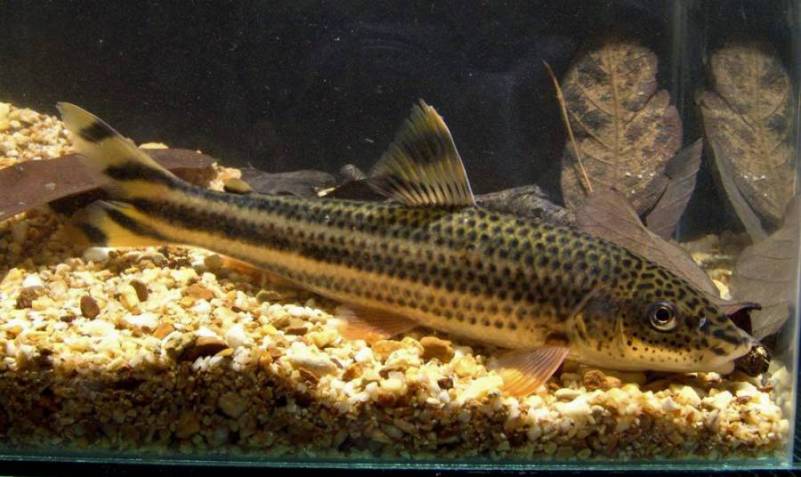
饰带稚脂鲤(Leporellus vittatus)与许多倒立鱼不同,大部分时间停留在底床附近,适应流水中的底栖生活。它体型大、活动性强,需要长缸、良好溶氧和严格维护,不适合普通小型混养缸。
分布与栖息地
记录覆盖巴西、秘鲁的亚马孙河水系,巴西南部和巴拉圭的巴拉那—巴拉圭河水系,以及巴西圣弗朗西斯科河。哥伦比亚卡萨纳雷河及委内瑞拉阿普雷河的记录涉及奥里诺科河系统,哥伦比亚马格达莱纳河支流萨马纳苏尔河也有记录。
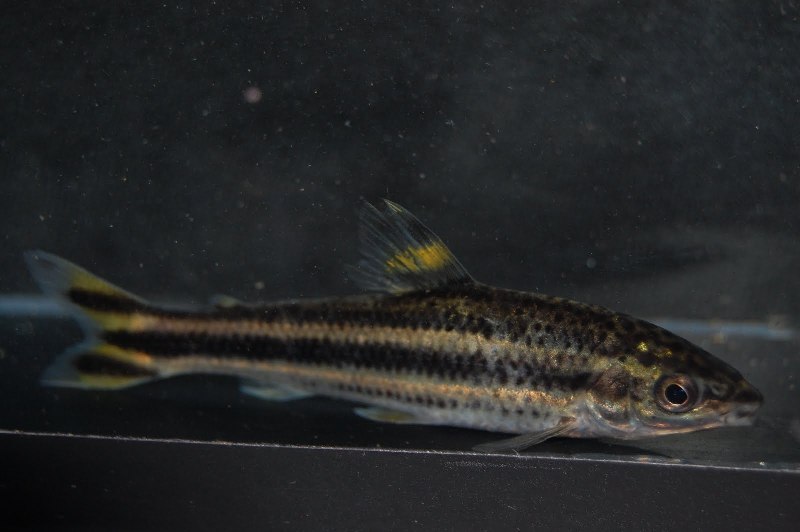
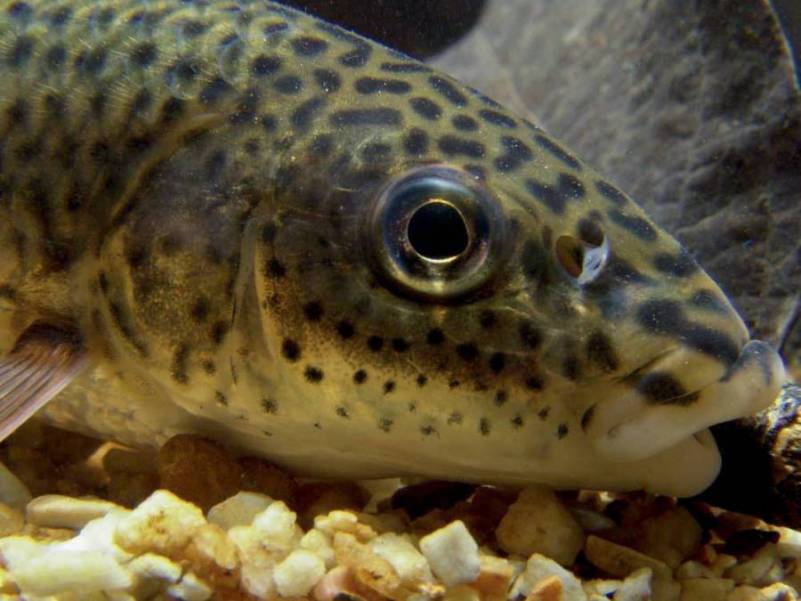
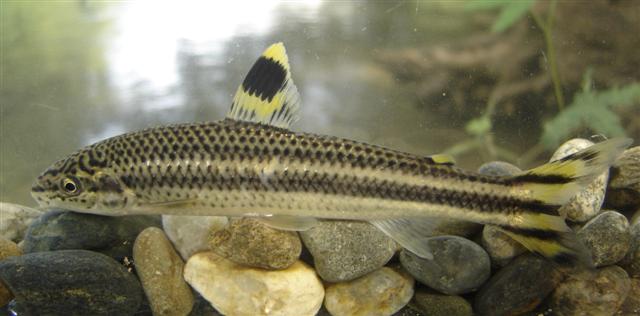
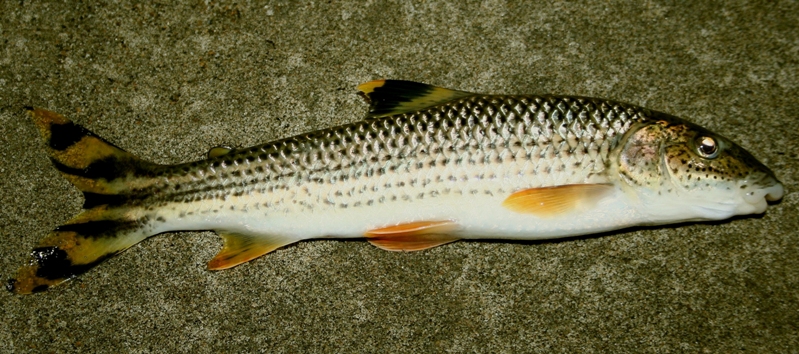
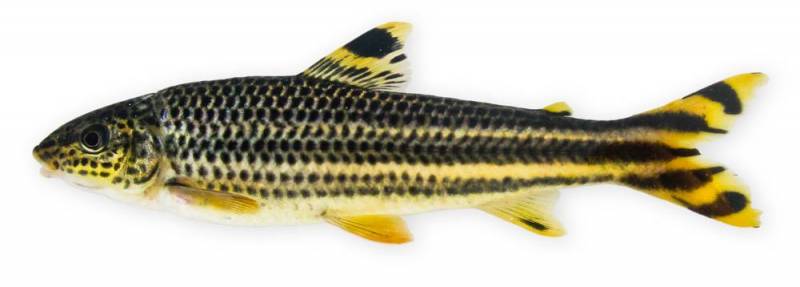
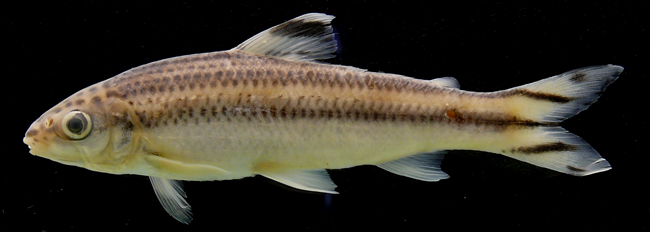
不同种群花纹存在差异,尚未得到详细整理。
饲养环境
底面积至少约 210 × 60 cm。以大小石块、沙、细砾和较大圆滑卵石模拟流水环境,根枝可作补充,但必须留下充分游泳区。可把耐受水流的水榕或蕨类附着在装饰上。
保持高溶氧和适度水流,视实际情况结合外滤、造流及气石。它不耐有机废物积累,需成熟稳定的缸,每周换水约 30%~50%。缸盖须严密贴合,防止跳出。
食性与喂食
据称天然食物以植物为主,这一判断仍有不确定性。缸内通常接受多数常见食物,但应避免以高蛋白产品为主。
习性与混养
可与体型接近、环境要求相似的慈鲷或鲶鱼等相处。理想情况下至少养 6 条,同种建立等级时有一定争执,等级稳定后通常较平和。
单条个体反而可能对同伴表现攻击,尤其针对形状相近的鱼。不能把“少养一条”一概当作减少冲突的方法。
繁殖
尚无明确人工繁殖记录。
补充说明
它有适应流水底栖生活的体形,并非只在喂食时偶尔到缸底。长期饲养应为底部活动与流水维护留足条件,偶尔进入贸易并不代表适合普通综合缸。
图片
图片来自 SeriouslyFish,版权归各摄影者所有。
English
Overview
Unlike many headstanders, Leporellus vittatus spends much of its time at or close to the substrate. A large, active fish adapted to flowing-water bottom habitats, it requires substantial tank length, oxygenation, and disciplined maintenance.
Distribution & habitat
Records span the Amazon in Brazil and Peru, the Paraná–Paraguay system in southern Brazil and Paraguay, and Brazil's São Francisco. Colombia's Casanare and Venezuela's Apure provide Orinoco records, while the Samaná Sur in the Magdalena system is also reported.
Population-level pattern differences have been noticed but remain incompletely documented.
Aquarium setup
Provide a footprint of at least about 210 × 60 cm. Mixed stones, sand, fine gravel, and larger rounded boulders create a stream layout. Roots or branches can be added without restricting open swimming room. Tough Anubias or aquatic ferns may be attached to the furnishings.
High oxygen levels and moderate circulation are important. Combine external filtration, circulation pumps, or aeration as needed. Organic waste is poorly tolerated, so use a mature aquarium and change roughly 30–50% weekly. Fit a secure lid.
Diet & feeding
The natural diet is said to be mainly herbivorous, a claim that retains some uncertainty. Aquarium fish generally accept a broad range of foods, but high-protein products should not dominate.
Behaviour & compatibility
Similarly sized cichlids, catfishes, and other fishes with matching requirements can be considered. Groups of at least six are preferable. Some disputes occur as rank is established, after which individuals are generally more settled.
A solitary individual can become aggressive, especially toward similarly shaped companions. Reducing numbers is therefore not automatically a solution to conflict.
Breeding
Clear captive breeding records are unavailable.
Notes
Its bottom-associated lifestyle extends beyond brief feeding visits. Long-term housing must accommodate both this behavior and its running-water requirements; occasional availability in trade does not make it a routine small-community choice.
来源
- https://www.seriouslyfish.com/species/leporellus-vittatus(抓取于 2026-10-10)
leporellus-vittatus · 文件: data/species/leporellus-vittatus.md · 状态: 草稿