兔甲鲶 · Three Beacon Plec
概要
| 字段 | 值 |
|---|---|
| 类别 | 鱼 |
| 学名 | Leporacanthicus triactis |
| 别名 | 兔甲鯰、L091 |
| 分类 | 鲶形目 Siluriformes › 骨甲鲶科 Loricariidae › Leporacanthicus |
| 水体 | 淡水 |
| 成体体长 | 24.5 cm |
| 饲养难度 | 中等 |
| 最小水体 | 243 L |
| 最小缸长 | 120 cm |
| 领地性 | 是 |
| 外部数据 | seriouslyfish leporacanthicus-triactis;fishbase 53592 |
| 原产地 | 哥伦比亚、委内瑞拉 |
| 繁殖方式 | 附着产卵 |
水质参数
| 参数 | 耐受范围 | 最适范围 | 单位 |
|---|---|---|---|
| 水温 | 24–27 | — | °C |
| pH | 6–7.6 | — | — |
| 总硬度 | 2–15 | — | dGH |
概述
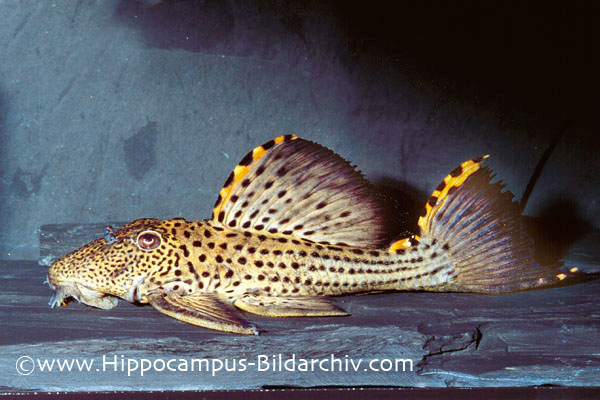
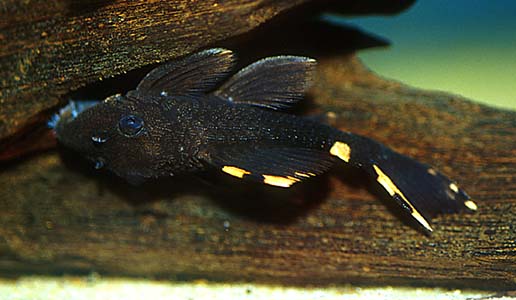
兔甲鲶(Leporacanthicus triactis,L091)鳍部橙色斑纹随个体和色型有差别,而且成年后仍能保留。它来自急流环境,需要高氧水与足够的底部领地,不能按只吃藻的异型安排食谱。
分布与栖息地
原生哥伦比亚与委内瑞拉奥里诺科河上游,在急滩等快流中利用岩石和卡住的沉木栖身。
饲养环境
参考约 120 × 45 × 45 厘米的宽敞缸体,沙底、沉木与平滑岩块提供洞隙和遮阴。弱光适合,但含氧量与过滤效率必须高,可配造流或大气石,并应对较大排泄量。
食性与喂食
偏好较多动物性食物,可用红虫、碎贝肉、虾及下沉干粮。它也取食藻和植物材料,应规律补黄瓜、西葫芦等,不宜变成单一肉食菜单。
习性与混养
合适伙伴包括温和而大小相容的脂鲤、慈鲷及鲶鱼,但强流布置会缩小选择范围。同种间尤其雄鱼有地盘冲突,群养必须有足够底面积和多处独立躲藏点。
雌雄区分
从上方看,成熟雄鱼头部明显更长、更宽,背鳍更大,齿状棘也更多。
繁殖
野外雨季在河岸深洞中产卵,不能把这一描述当作已掌握的家庭缸繁殖流程。
补充说明
所谓龙鳍、虎鳍等商品名称主要对应鳍橙色分布,未必代表独立种。上颌有两枚显著大牙,其确切用途仍不确定;购入时检查凹腹和凹眼,避免营养不良个体。
图片
图片来自 SeriouslyFish,版权归各摄影者所有。
English
Overview
Orange fin markings persist into adulthood in Leporacanthicus triactis (L091), although their extent varies among forms. A rapids-dweller with territorial males, it needs oxygen-rich water, adequate floor space, and a diet that includes substantial animal foods.
Distribution & habitat
It comes from the upper Orinoco basin of Colombia and Venezuela, sheltering among rocks and lodged wood in rapids and other fast-flowing reaches.
Aquarium setup
An aquarium around 120 by 45 by 45 cm provides the suggested starting dimensions. Use sand, wood, and smooth rocks for shaded refuges. Dim lighting suits the fish, while powerful efficient filtration, circulation, and aeration must maintain oxygen and process its waste.
Diet & feeding
Offer sinking foods and regular animal items such as bloodworms, mussel, or shrimp. Algae and other plant matter are also consumed, so include vegetables such as cucumber or zucchini rather than using an exclusively meaty menu.
Behaviour & compatibility
Companions must match both temperament and water movement. Suitable characins, peaceful cichlids, or catfishes may work, but strong-flow setups narrow the options. Conspecific males defend space, so a group requires ample floor area and multiple potential territories.
Sexual dimorphism
Viewed from above, mature males have longer, broader heads, larger dorsal fins, and more odontodes.
Breeding
Wild spawning takes place in deep riverbank holes during the wet season; a proven home-aquarium protocol does not follow from that observation alone.
Notes
Names such as “dragon fin” or “tiger fin” describe variations in orange patterning rather than necessarily separate species. Two prominent upper-jaw teeth are characteristic, but their precise function remains uncertain. Check new specimens for signs of emaciation.
来源
- https://www.seriouslyfish.com/species/leporacanthicus-triactis(抓取于 2026-10-10)
leporacanthicus-triactis · 文件: data/species/leporacanthicus-triactis.md · 状态: 草稿