鳞头鳅
概要
| 字段 | 值 |
|---|---|
| 类别 | 鱼 |
| 学名 | Lepidocephalus macrochir |
| 别名 | 鱗頭鰍、Cobitis macrochir、Lepidocephalichthys pallens、Acanthophthalmus pahangensis |
| 分类 | 鲤形目 Cypriniformes › 鳅科 Cobitidae › Lepidocephalus |
| 水体 | 淡水 |
| 原产地 | 印度尼西亚、马来西亚、泰国 |
| 成体体长 | 9 cm |
| 饲养难度 | 中等 |
| 最小水体 | 68 L |
| 最小缸长 | 75 cm |
| 群居方式 | 群游 |
| 特征 | 会跳缸: 是;翻底砂: 是 |
| 外部数据 | seriouslyfish lepidocephalus-macrochir;fishbase 23025 |
| 性情 | 温和 |
水质参数
| 参数 | 耐受范围 | 最适范围 | 单位 |
|---|---|---|---|
| 水温 | 22–26 | — | °C |
| pH | 5.5–7.5 | — | — |
| 总硬度 | 2–10 | — | dGH |
概述
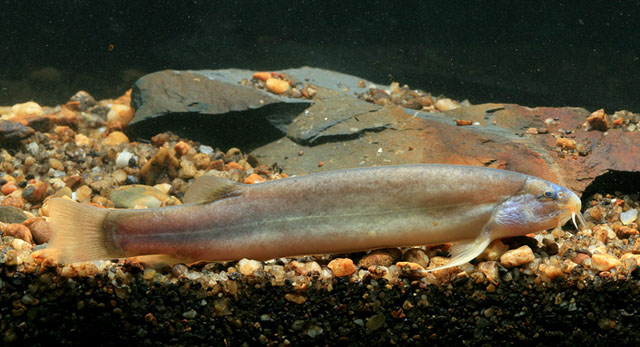
鳞头鳅(Lepidocephalus macrochir)常把身体埋入软底,个性胆小,混养时尤其要防止抢食失败。贸易中的“洞穴鳅”等名称并不能证明它是洞穴专栖鱼,泰国采集者的描述指向深水环境。
分布与栖息地
记录涉及苏门答腊、爪哇、婆罗洲、马来半岛及泰国,具体分布仍有混淆。泰国采集者称只有极低水位时才能捕到;这提示它可能生活在大河深水河道,但不能视为已完全确认的栖地范围。
饲养环境
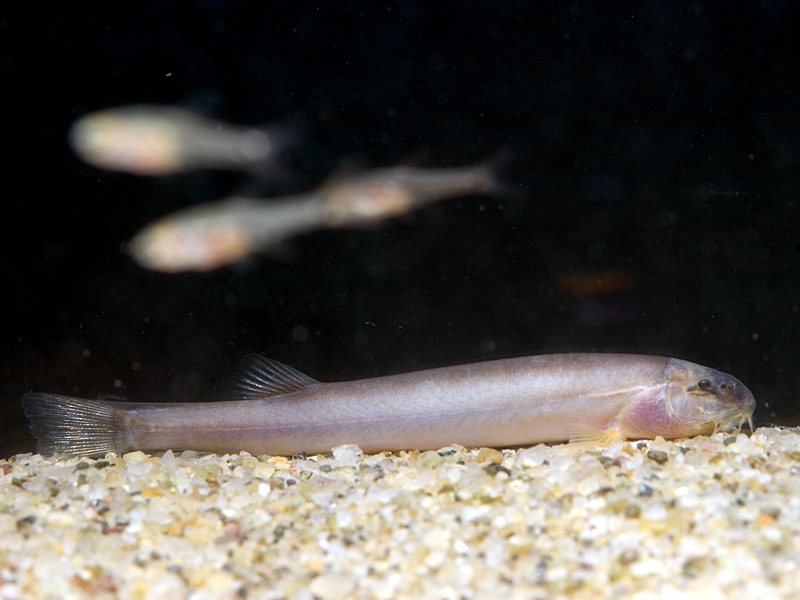
底面积至少参考 75 × 30 厘米。细沙是重要条件,粗砾可能让钻藏中的鱼擦伤、紧迫或无法正常进食。先固定石木,再铺底砂,留出多个暗处;弱光、落叶和树根式遮蔽较适合。避免强水流,兼顾溶氧,遮好过滤入口并盖严。
食性与喂食
天然食物可能以昆虫幼虫、小型甲壳类等微小动物为主。缸内可接受下沉干粮,仍应定期补充水蚤、丰年虾和红虫等活冷冻饵。投喂时观察它是否真正得到食物。
习性与混养
对同种和其他鱼温和,建议至少四尾同养。多数抢食迅猛的沙鳅和条鳅容易让它吃亏,宜选择小型、温和的中上层鱼或不强势的底层鱼。即使性情温和,也可能捕食卵或鱼苗。
雌雄区分
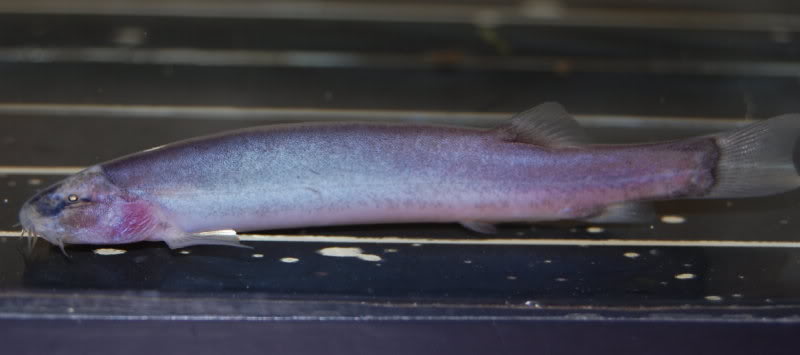
成熟雄鱼第二根胸鳍鳍条延长。雌鱼可能更厚实,尤其在抱卵时,但体形判断仍需谨慎。
补充说明
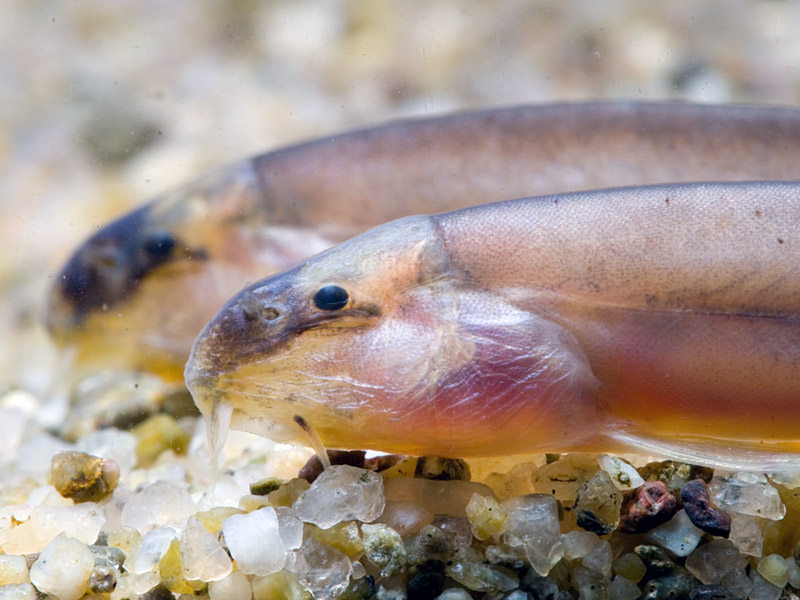
眼下棘在受惊时可竖起,捞取要防挂网,不宜用手紧抓。不同商业名称可能指向同一种鱼,应核对学名而非依据商品名判断生活环境。
图片
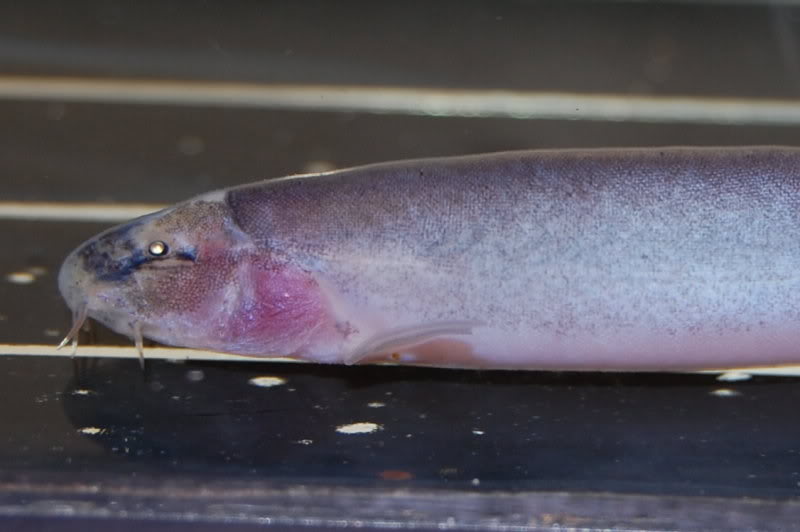
图片来自 SeriouslyFish,版权归各摄影者所有。
English
Overview
A shy fish that spends considerable time buried, Lepidocephalus macrochir needs soft substrate and protection from vigorous food competitors. Trade names suggesting a cave specialist are misleading: Thai collectors instead describe deep-water captures.
Distribution & habitat
Records cover Sumatra, Java, Borneo, Peninsular Malaysia, and Thailand, although the overall distribution remains confused. Reports of capture only during exceptionally low water suggest deeper river channels, but its habitat should not be presented as fully resolved.
Aquarium setup
Use a footprint of at least 75 by 30 cm with fine sand deep enough for the fish to bury itself. Coarse gravel may cause stress, injury, or feeding problems. Secure hardscape before adding substrate, and create several shaded retreats with wood and leaves. Keep current modest while maintaining oxygenation, protected intakes, and a close-fitting cover.
Diet & feeding
Wild feeding is thought to center on small invertebrates. Aquarium fish accept sinking dry foods but also need regular small live or frozen meals. Watch access to food closely when companions are present.
Behaviour & compatibility
It is peaceful with its own kind and other fishes, and a group of four or more is recommended. Many fast-feeding botiid and nemacheilid loaches can outcompete it; small quiet open-water fishes or gentle bottom residents make better candidates. Possible egg or fry predation still matters.
Sexual dimorphism
Mature males have an extended second pectoral ray. Females are likely to be deeper-bodied, especially when carrying eggs, so body shape alone remains a tentative clue.
Notes
Erectable subocular spines require care during netting and handling. Several commercial names can refer to this fish, so aquarium planning should follow its identity and observed behavior rather than the habitat implied by a sales label.
来源
- https://www.seriouslyfish.com/species/lepidocephalus-macrochir(抓取于 2026-10-10)
lepidocephalus-macrochir · 文件: data/species/lepidocephalus-macrochir.md · 状态: 草稿