斑纹内髯鳅
概要
| 字段 | 值 |
|---|---|
| 类别 | 鱼 |
| 学名 | Lepidocephalichthys thermalis |
| 别名 | 温泉鳞头鳅、斑紋內髯鰍、溫泉鱗頭鰍、Cobitis thermalis、Lepidocephalus thermalis、Cobitis carnaticus、Cobitis mysorensis、Cobitis rubripinnis、Platacanthus agrensis、Platacanthus maculatus |
| 分类 | 鲤形目 Cypriniformes › 鳅科 Cobitidae › Lepidocephalichthys |
| 水体 | 淡水 |
| 原产地 | 印度、斯里兰卡 |
| 成体体长 | 5 cm |
| 饲养难度 | 入门 |
| 最小水体 | 41 L |
| 最小缸长 | 45 cm |
| 群居方式 | 群游 |
| 外部数据 | seriouslyfish lepidocephalichthys-thermalis;fishbase 13639 |
水质参数
| 参数 | 耐受范围 | 最适范围 | 单位 |
|---|---|---|---|
| 水温 | 20–25 | — | °C |
| pH | 6–8 | — | — |
| 总硬度 | 2–12 | — | dGH |
概述
斑纹内髯鳅(Lepidocephalichthys thermalis)与不少偏好静水的近亲不同,常出现在清澈、有流动的上游水域。布缸要兼顾底部遮蔽、充足溶氧和水流,不能只因种名与温泉有关就持续加热。
分布与栖息地
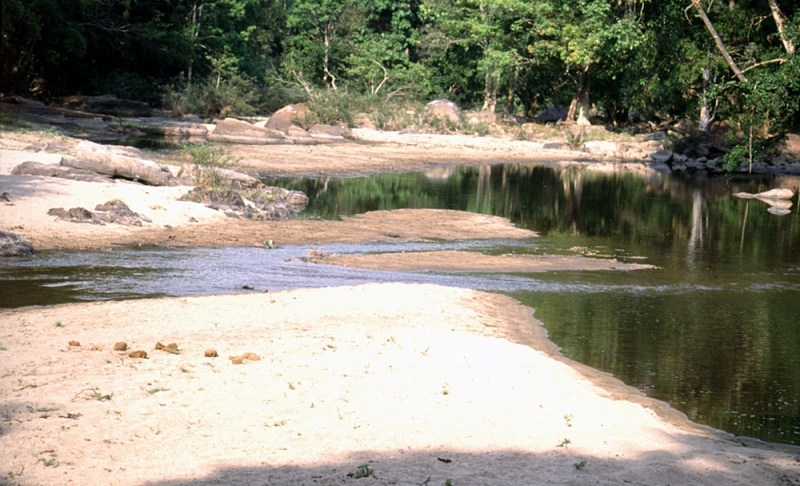
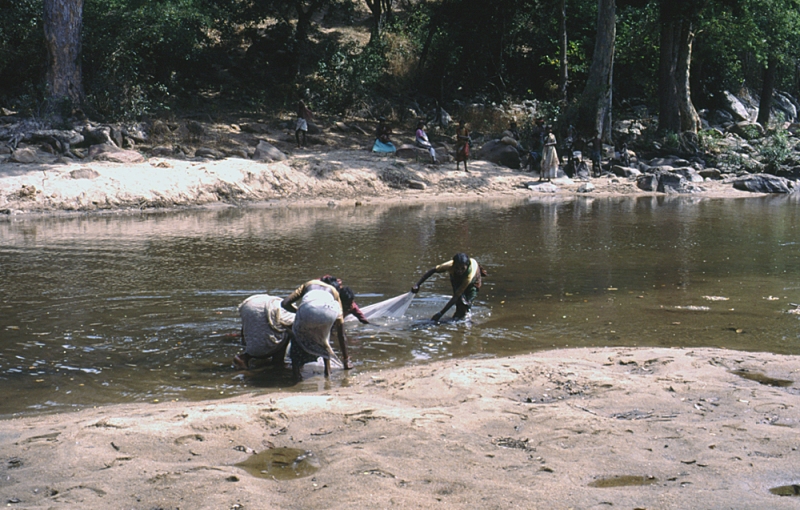
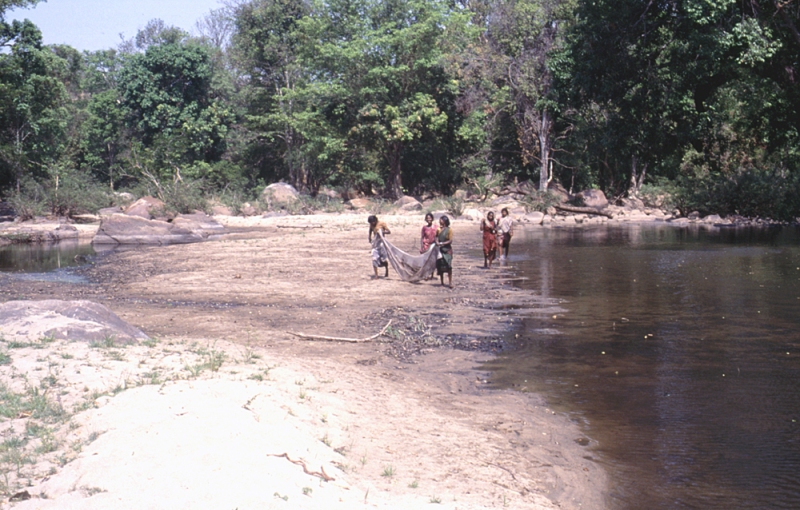
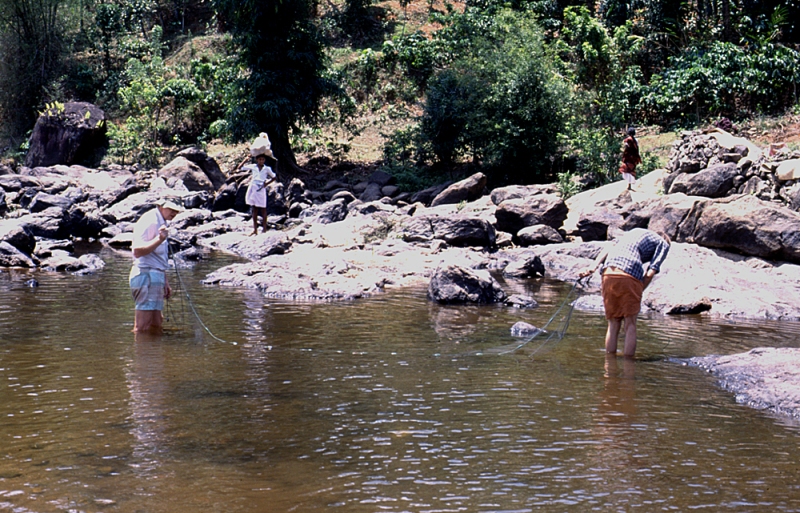
原生于斯里兰卡和印度半岛,印度记录涉及戈达瓦里、克里希纳、帕拉尔、卡韦里和佩里亚尔河水系。常见环境有岩石、卵石和树根,也会出现沙泥底、落叶堆或温泉栖地。季风会改变河道水量与流速。
饲养环境
至少参考 45 × 30 厘米的底面积,以石块、圆砾和沉木模拟溪流,并留出遮阴藏身处。可把耐受的附生植物固定在硬景上,适度照明有助附着生物形成。使用成熟过滤系统,保持增氧和水流,每周换水约三至五成。它对环境的适应力不能代替日常维护。
食性与喂食
可能主要以微小动物为食。下沉饲料可搭配水蚤、丰年虾和红虫等活饵、冷冻饵,确保它实际吃到食物。
习性与混养
可参考同属四尾以上的群养建议。温和、适应溪流环境的中上层鱼,以及性情合适的鳅和虾虎鱼可作为混养方向;避免争地盘强烈的底层鱼。
雌雄区分
成熟雄鱼胸鳍增大,内侧第七、八鳍条融合,形成向上突起的小结构。雌鱼往往稍大、体形更丰满。
补充说明
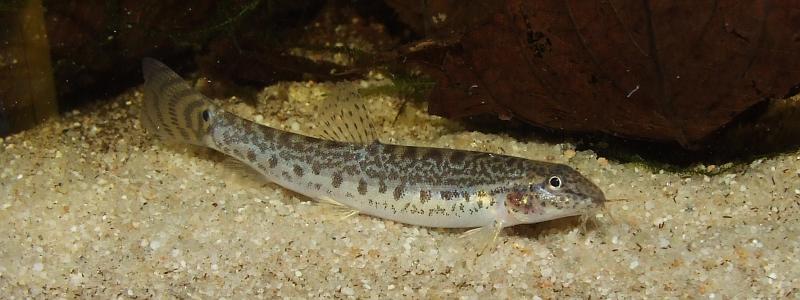
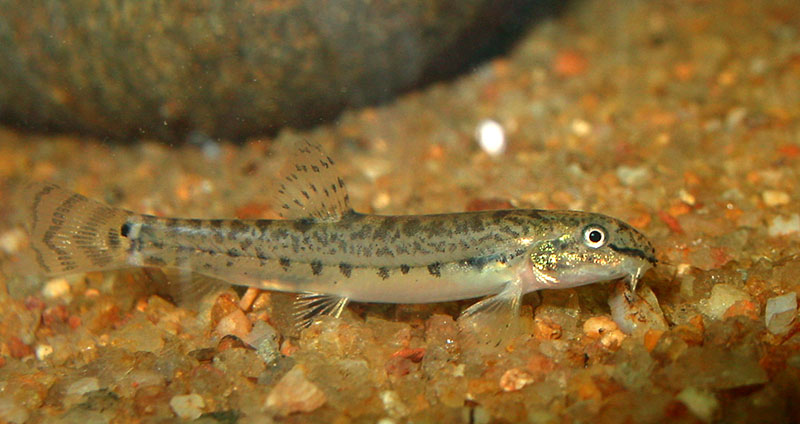
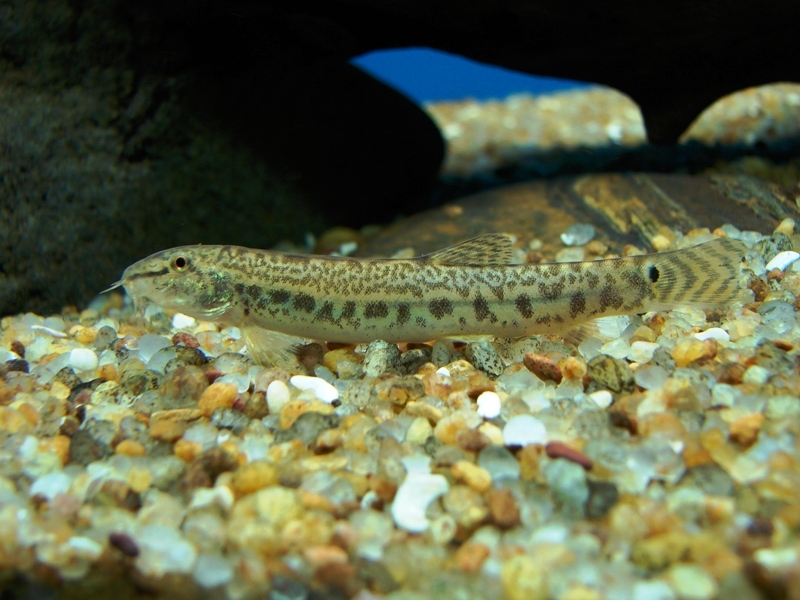
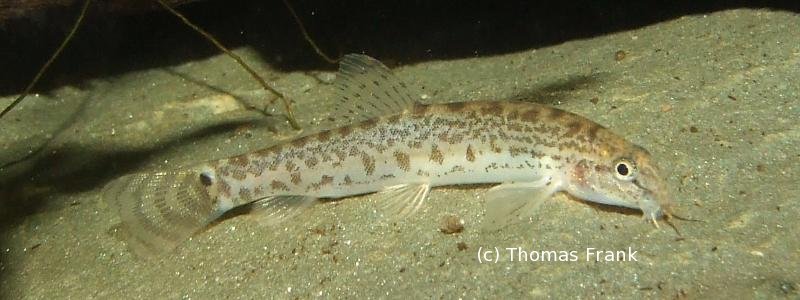
体侧为近方形暗斑而非连续暗带,尾鳍可见三至五条宽暗纹,须较短。曾有水族箱内疑似求偶观察,但不能据此认定已成功繁殖。
图片
图片来自 SeriouslyFish,版权归各摄影者所有。
English
Overview
Unlike many relatives associated with still water, Lepidocephalichthys thermalis often occupies clear flowing headwaters. Bottom cover, oxygenation, and water movement deserve attention; the hot-spring type locality should not be treated as a routine heating prescription.
Distribution & habitat
It occurs in Sri Lanka and Peninsular India, including several major southern river systems. Rocky headwaters with pebbles and roots are characteristic, although sand, mud, leaf deposits, and hot springs also occur among its habitats. Monsoon conditions strongly alter river flow.
Aquarium setup
A footprint of at least 45 by 30 cm can be arranged as a stream bed with rounded stones, gravel, wood, and shaded retreats. Attached hardy plants and lighting that supports surface growth suit this layout. Use established filtration with good circulation and oxygenation, and replace roughly 30–50% of the water weekly. Reported adaptability is no reason to neglect maintenance.
Diet & feeding
Tiny invertebrates are considered likely natural prey. Supply sinking prepared foods and regular small live or frozen meals, checking that food reaches the fish.
Behaviour & compatibility
Groups of four or more follow genus-level advice. Peaceful stream-adapted open-water fishes, suitable loaches, and gobies are potential companions. Strongly territorial bottom residents are poor choices.
Sexual dimorphism
Adult males develop enlarged pectorals whose fused inner rays form a small upward-projecting flange. Females tend to be larger and fuller-bodied.
Notes
Squared flank spots rather than a continuous stripe, short barbels, and three to five broad dark tail bands help identify it. Purported aquarium courtship has been observed, but this does not establish successful captive reproduction.
来源
ID:lepidocephalichthys-thermalis · 文件: data/species/lepidocephalichthys-thermalis.md · 状态: 草稿