Lepidocephalichthys sp. 'LE2'
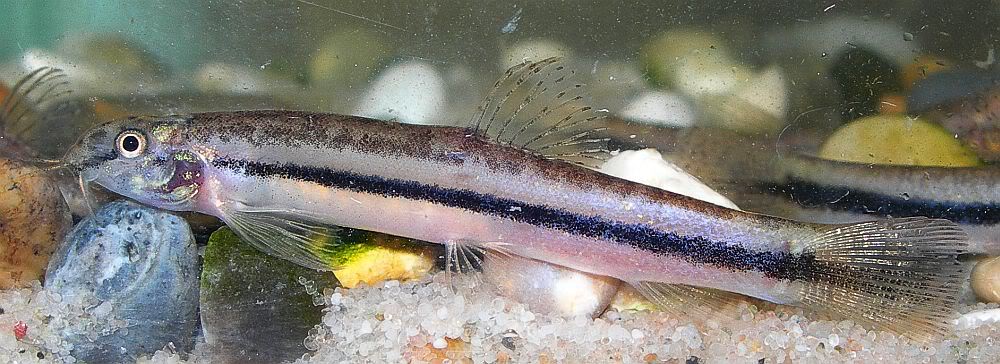
概要
| 字段 | 值 |
|---|---|
| 类别 | 鱼 |
| 学名 | Lepidocephalichthys sp. 'LE2' |
| 分类 | 鲤形目 Cypriniformes › 鳅科 Cobitidae › Lepidocephalichthys |
| 水体 | 淡水 |
| 原产地 | 印度 |
| 成体体长 | 6 cm |
| 饲养难度 | 中等 |
| 最小水体 | 41 L |
| 最小缸长 | 45 cm |
| 群居方式 | 群游 |
| 特征 | 会跳缸: 是;翻底砂: 是 |
| 外部数据 | seriouslyfish lepidocephalichthys-sp-le2 |
水质参数
| 参数 | 耐受范围 | 最适范围 | 单位 |
|---|---|---|---|
| 水温 | 26 | — | °C |
| pH | 6–7.5 | — | — |
| 总硬度 | 1–10 | — | dGH |
概述
Lepidocephalichthys sp. 'LE2' 是来自印度的未定种鳅类,外形同时让人联想到几种近亲。它会埋砂,适合有软底和同种伙伴的安静缸,不宜把贸易中的近似鉴定当成确定种名。
分布与栖息地
据报道,采自印度西孟加拉邦北部 Buxa 虎类保护区,与以 Assam 或 Lal Cheng 名义流通的未定种鳢一起采集。具体生境未确认。同属鱼多见于缓流浅水、沼泽、回水、牛轭湖及稻田,底部常有泥沙、根枝和落叶;这些是近亲背景,并非本条采集点的完整记录。
饲养环境
建议至少约 45 × 30 cm 底面积。必须提供细软砂底,供鱼全身钻入或仅露出眼睛;粗砾可能造成损伤、紧张和取食困难。岩石、根枝及沉木要先稳放再铺砂,并布置足够阴影与藏身处。
灯光不必强,少量落叶可增加遮蔽。保持缓和过滤和适当供氧,避免强水流。做好进水口防护并盖严缸顶,刚入缸时尤其留意逃逸。
食性与喂食
同属鳅通常从底质中筛取小型动物。可使用适口沉底干粮,搭配水蚤、丰年虾、红虫等活饵或冻饵,保持食物多样并确认每条鱼都能取食。
习性与混养
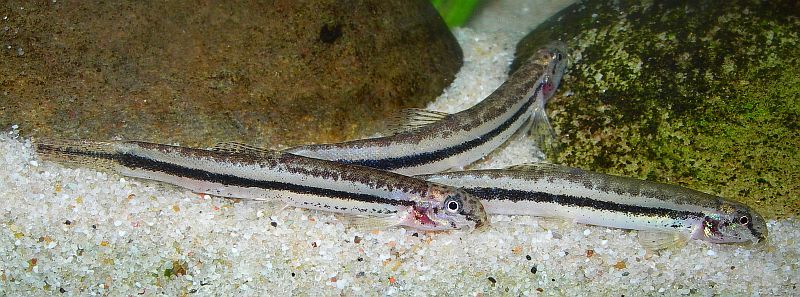
至少四条同种相伴较合适。同属鱼通常温和,安静的上层小鱼可帮助它们建立安全感。与其他鳅类合养前应确认对方不会强占底部或争食过猛。卵和仔鱼仍可能遭近亲捕食,不宜依赖温和外观判断繁殖安全。
雌雄区分
成熟雄鱼胸鳍增大,第七、八鳍条加粗融合成板状结构。雌鱼一般较大且腹部更厚实。
补充说明
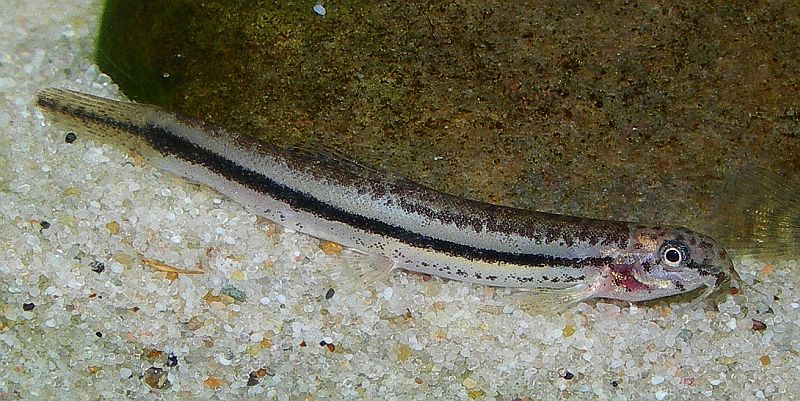
它兼有 Lepidocephalichthys alkaia 和 Lepidocephalichthys guntea 的某些外观特征,曾称 cf. guntea,但可能是未描述种。记录采集地、来源和个体照片比贸然确定学名更有价值。搬运时注意眼下棘可能挂住鱼网。
图片
图片来自 SeriouslyFish,版权归各摄影者所有。
English
Overview
Lepidocephalichthys sp. 'LE2' is an unidentified Indian loach with features resembling more than one relative. It buries in substrate and suits a quiet aquarium with soft sand and conspecific company. Tentative trade identifications should remain tentative.
Distribution & habitat
It was reportedly collected in Buxa Tiger Reserve in northern West Bengal, India, together with the unidentified snakehead sold as Assam or Lal Cheng. The precise habitat is unconfirmed. Relatives commonly use shallow slow water, swamps, backwaters, oxbows, and rice fields containing sediment, roots, and fallen leaves. Those observations describe the genus rather than a documented LE2 collection site.
Aquarium setup
Allow a footprint of at least about 45 × 30 cm. Soft fine sand is essential: fish may disappear completely beneath it or expose only their eyes. Coarse gravel can cause injury, stress, and feeding difficulties. Position stones, wood, and roots securely before adding sand, with plenty of shade and refuges.
Strong lighting is unnecessary, and a small amount of leaf litter adds cover. Combine gentle filtration with adequate oxygenation rather than forceful currents. Guard intakes and close gaps around the lid, particularly when fish are newly introduced.
Diet & feeding
Loaches of this genus generally sift small animal prey from the substrate. Offer appropriately sized sinking dry food along with live or frozen Daphnia, brine shrimp, and bloodworms. Vary the menu and ensure that every fish obtains food.
Behaviour & compatibility
A group of at least four is recommended. Relatives are generally peaceful, and quiet small fish above them can encourage confidence. Before adding other loaches, check for territorial behavior or excessive competition at feeding time. Possible predation on eggs and fry by relatives means a peaceful appearance does not guarantee safe breeding companions.
Sexual dimorphism
Adult males develop larger pectoral fins with a plate formed from the thickened, fused seventh and eighth rays. Females tend to be larger and more robust.
Notes
Some features resemble Lepidocephalichthys alkaia and Lepidocephalichthys guntea. The label cf. guntea has been used, although an undescribed species is possible. Preserve provenance and photographs rather than forcing an identification. Eye spines can snag nets during handling.
来源
- https://www.seriouslyfish.com/species/lepidocephalichthys-sp-le2(抓取于 2026-10-10)
lepidocephalichthys-sp-le2 · 文件: data/species/lepidocephalichthys-sp-le2.md · 状态: 草稿