Lepidocephalichthys goalparensis
概要
| 字段 | 值 |
|---|---|
| 类别 | 鱼 |
| 学名 | Lepidocephalichthys goalparensis |
| 别名 | Lepidocephalus caudofurcatus |
| 分类 | 鲤形目 Cypriniformes › 鳅科 Cobitidae › Lepidocephalichthys |
| 水体 | 淡水 |
| 原产地 | 孟加拉国、印度、缅甸、尼泊尔 |
| 成体体长 | 4.5 cm |
| 饲养难度 | 入门 |
| 最小水体 | 41 L |
| 最小缸长 | 45 cm |
| 群居方式 | 群游 |
| 特征 | 会跳缸: 是;翻底砂: 是 |
| 外部数据 | seriouslyfish lepidocephalichthys-goalparensis;fishbase 66467 |
| 食性 | 肉食 |
水质参数
| 参数 | 耐受范围 | 最适范围 | 单位 |
|---|---|---|---|
| 水温 | 22.8–26.1 | — | °C |
| pH | 6–7.5 | — | — |
| 总硬度 | 2–15 | — | dGH |
概述
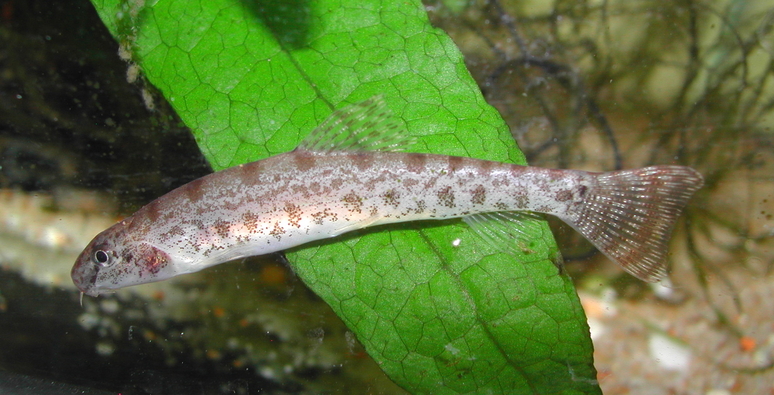
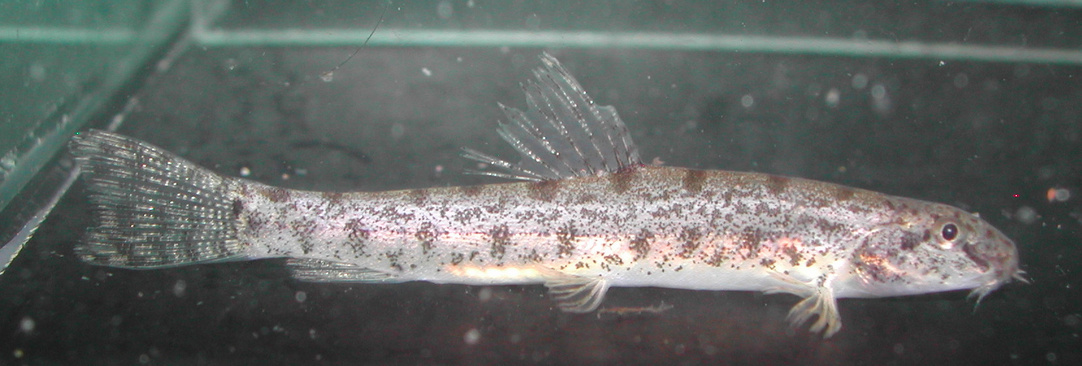
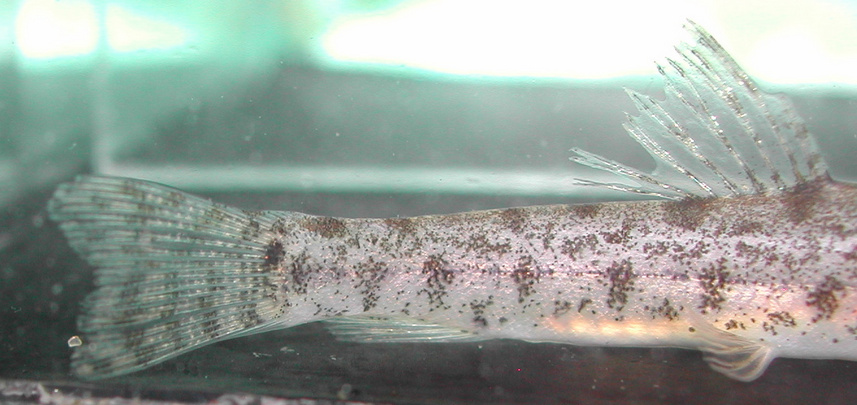
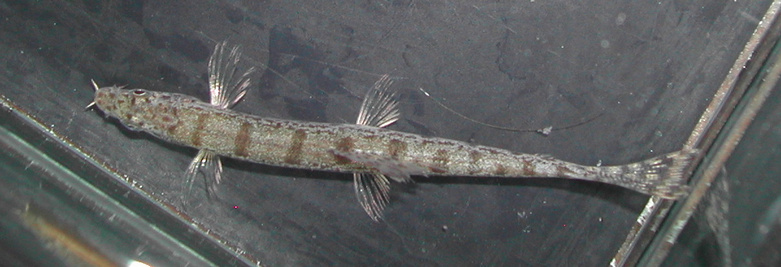
Lepidocephalichthys goalparensis 是南亚至缅甸北部的小型鳅,叉形尾鳍上通常有 4–5 条宽阔深色 V 形带。它会埋砂,需要柔软底床和同伴,不能将其当作随便放入粗砾缸的清底鱼。
分布与栖息地
分布涉及尼泊尔、印度北部和孟加拉国的恒河、雅鲁藏布江—布拉马普特拉河流域,以及缅甸伊洛瓦底江上游部分区域。模式点位于印度阿萨姆 Goalpara 地区。
常见于浅水缓流或静水环境,包括沼泽、牛轭湖、回水与稻田,植被、根枝及落叶较丰富,底质软泥或淤泥。部分区域水深和清澈度随季节变化,可能进入暂时淹水地带。
饲养环境
至少约 45 cm 长的缸,底部铺柔软细砂。粗砾会妨碍钻砂、造成擦伤或影响取食。平滑石块、沉木根枝要先稳放再铺砂,避免鱼挖动后倾倒。弱光与少量落叶能增加安全感。
水流不宜强,仍需适当供氧。防止小鱼进入过滤进水口,严密盖缸以防跳出。近亲能在低氧时用肠道辅助呼吸,不代表可以忽略缸内供氧和水质。
食性与喂食
本种是微型捕食者,筛出底质中的昆虫幼虫、小甲壳动物等。沉底干粮可作一部分菜单,同时定期提供水蚤、丰年虾和红虫等小型活饵或冻饵。
习性与混养
至少四条同种更合适,温和的上层鱼可帮助它们放松。伙伴要适应相近环境,其他鳅类尤其应排除强领域性和好斗种。同属鱼可能吃卵或幼鱼,繁殖混养时需考虑这一风险。
雌雄区分
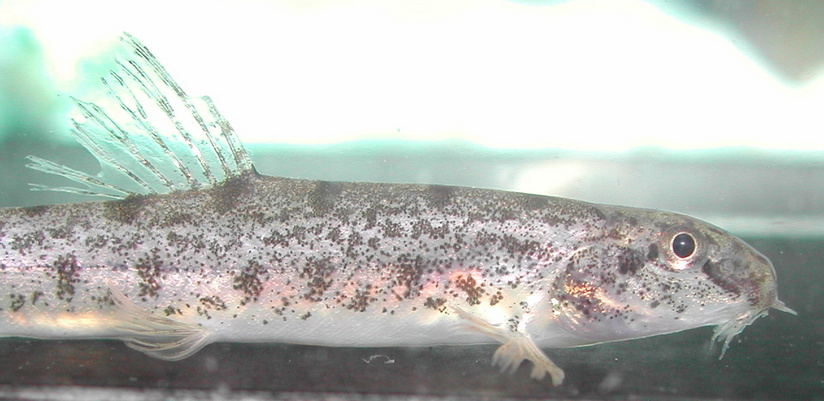
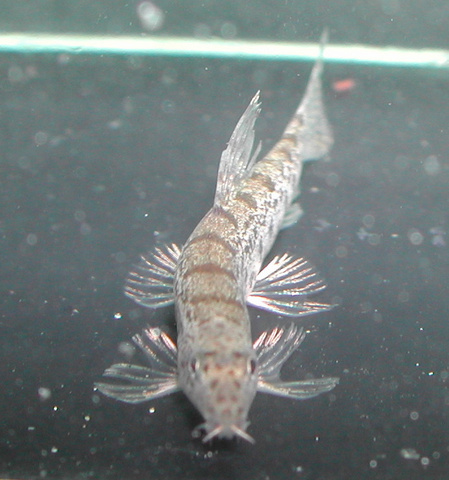
成熟雄鱼胸鳍增大,最内侧第七、八鳍条融合加粗,形成板状结构;雌鱼通常较大、体形更厚。
繁殖
野外可能随季节繁殖,但尚没有明确水族繁殖结果,不能从雨季栖地变化直接推定可靠催产步骤。
补充说明
尾鳍宽 V 形带、背鳍起点通常位于腹鳍之前及雄鱼胸鳍细节可结合鉴别。曾有个体在 2011 年作为印度北部刺鳅货物的混入鱼进入水族贸易,混货标签本身并非定种依据。转移时注意活动眼下棘可能挂网。
图片
图片来自 SeriouslyFish,版权归各摄影者所有。
English
Overview
Lepidocephalichthys goalparensis is a small loach from South Asia and northern Myanmar. Its forked tail usually carries four or five broad dark V-shaped bars. Soft substrate and companions are important for this burrowing fish.
Distribution & habitat
Records involve the Ganges and Brahmaputra basins in Nepal, northern India, and Bangladesh, plus parts of the upper Irrawaddy in Myanmar. The type locality lies in Goalpara, Assam.
It occupies shallow slow or still habitats, including swamps, oxbows, backwaters, and rice fields. Plants, roots, branches, and leaves often cover soft mud or silt. Seasonal changes affect clarity and depth, and temporary flooded areas may also be used.
Aquarium setup
Provide an aquarium at least about 45 cm long with fine soft sand. Coarse gravel risks abrasions and interferes with burrowing and feeding. Secure smooth stones and wood before adding sand. Dim lighting and modest leaf cover provide reassurance.
Avoid strong currents while maintaining oxygenation. Protect intakes and fit a secure lid. Supplementary intestinal air breathing known in related fish is not a reason to neglect oxygen or water quality.
Diet & feeding
A micropredator, it sifts substrate for insect larvae and small crustaceans. Sinking dry food can form part of a varied menu, alongside regular small live or frozen Daphnia, brine shrimp, and bloodworms.
Behaviour & compatibility
Keep at least four conspecifics. Calm fish swimming above the bottom can help them settle. Companions need matching conditions; screen other loaches for strong territoriality and aggression. Possible egg or fry predation within the genus matters in breeding communities.
Sexual dimorphism
Males develop enlarged pectorals with fused, thickened seventh and eighth rays forming a specialized plate. Females are generally larger and fuller-bodied.
Breeding
Seasonal reproduction in nature is suggested, but aquarium breeding has not been established. Flood-season habitat changes do not by themselves provide a proven spawning trigger.
Notes
Broad V-shaped tail bands, the dorsal origin usually preceding the pelvic origin, and male pectoral details aid identification. A 2011 trade record involved bycatch among spiny eels from northern India, illustrating why shipment labels alone are unreliable. Movable eye spines require caution with nets.
来源
ID:lepidocephalichthys-goalparensis · 文件: data/species/lepidocephalichthys-goalparensis.md · 状态: 草稿