叉尾似鳞头鳅
概要
| 字段 | 值 |
|---|---|
| 类别 | 鱼 |
| 学名 | Lepidocephalichthys furcatus |
| 别名 | 叉尾似鱗頭鰍、Lepidocephalus furcatus |
| 分类 | 鲤形目 Cypriniformes › 鳅科 Cobitidae › Lepidocephalichthys |
| 水体 | 淡水 |
| 原产地 | 印度尼西亚、马来西亚、泰国 |
| 成体体长 | 5 cm |
| 饲养难度 | 中等 |
| 最小水体 | 41 L |
| 最小缸长 | 45 cm |
| 群居方式 | 群游 |
| 特征 | 会跳缸: 是;翻底砂: 是 |
| 外部数据 | seriouslyfish lepidocephalichthys-furcatus;fishbase 58019 |
| 食性 | 肉食 |
水质参数
| 参数 | 耐受范围 | 最适范围 | 单位 |
|---|---|---|---|
| 水温 | 23–26 | — | °C |
| pH | 5.5–7.5 | — | — |
| 总硬度 | 1–10 | — | dGH |
概述
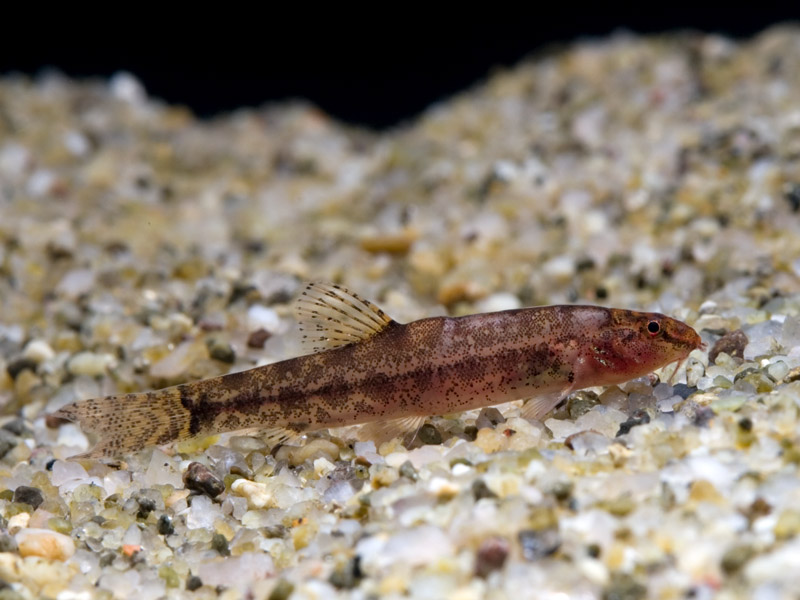
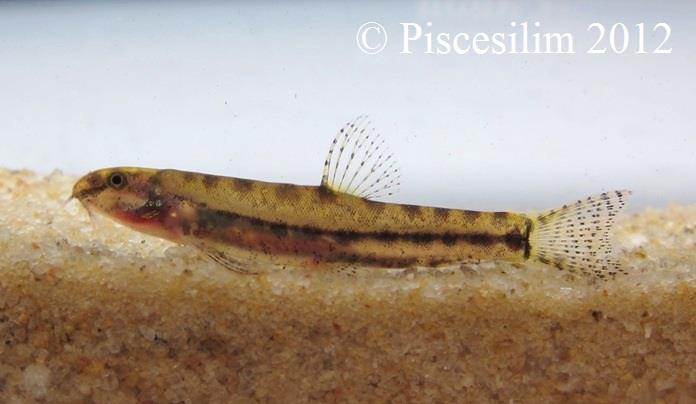
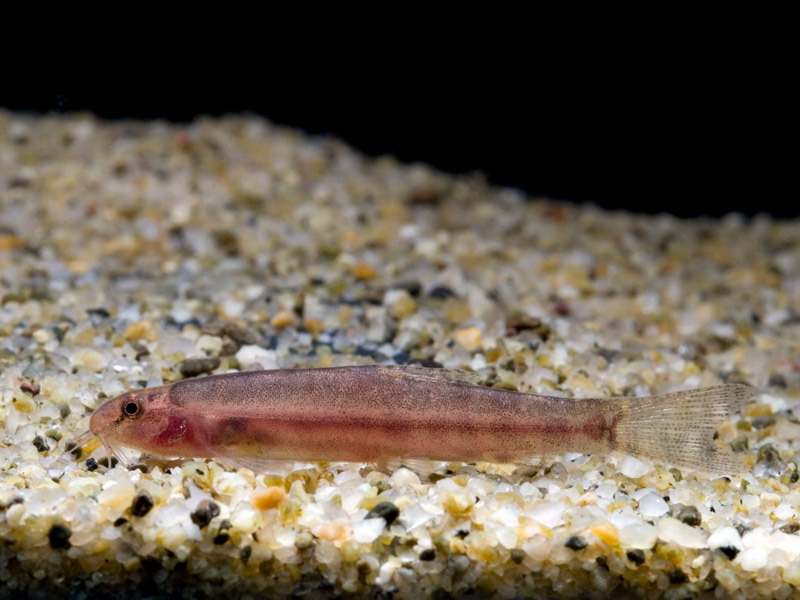
叉尾似鳞头鳅(Lepidocephalichthys furcatus)尾鳍分叉,雄鱼胸鳍上近半圆形的增厚结构尤其有辨认价值。它偶尔作为混获鱼进入贸易,细软沙底比普通粗砾更适合其钻藏和筛食。
分布与栖息地
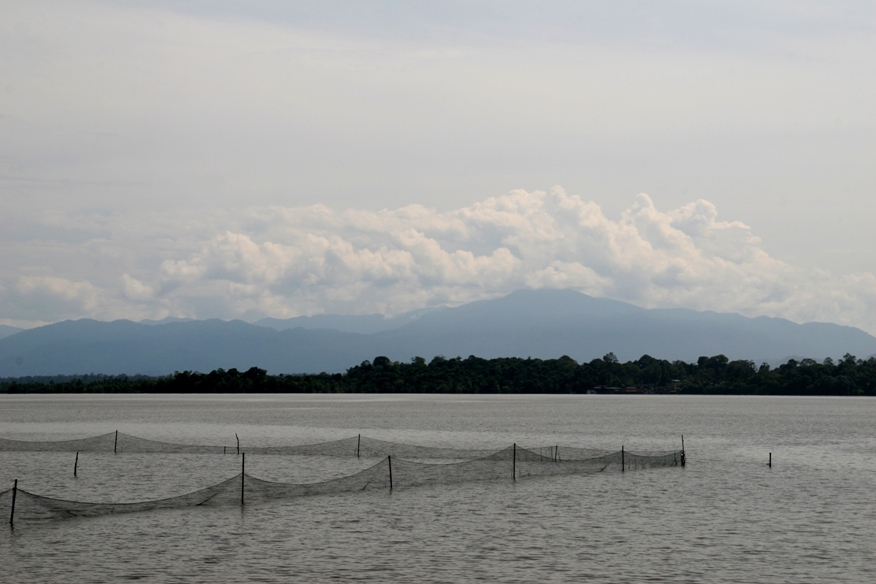
确定记录包括马来半岛、泰国南部那拉提瓦与也拉,以及印度尼西亚北苏门答腊。曾列入湄南河和湄公河的记录标本状况差、身份可疑,不能直接扩大分布。多见浅缓流、沼泽、回水与稻田,底部为泥沙并有根枝和落叶。
饲养环境
至少参考 45 × 30 厘米底面积,使用软沙供埋身。石木固定后再铺沙,形成藏身处和阴影,弱光及落叶可用。避免强水流,但保持氧气,过滤入口防钻入,盖好缸。
食性与喂食
主要筛砂取小型昆虫幼虫和甲壳类。喂下沉干粮,规律搭配水蚤、丰年虾、红虫等活冷冻饵。
习性与混养
可参考同属四尾以上群养建议,与相同环境的温和中上层鱼搭配。其他钻沙鳅要避免过分好斗或强领地种;卵或幼鱼仍可能被吃。
雌雄区分
成熟雄鱼胸鳍内侧鳍条融合成明显、向上突出的近半圆盘;雌鱼通常较大且厚实。
补充说明
尾基暗色角形标记及部分尾鳍鳍条基部黑点可辅助辨认。眼下棘会受惊竖起,捞取避免挂网。
图片
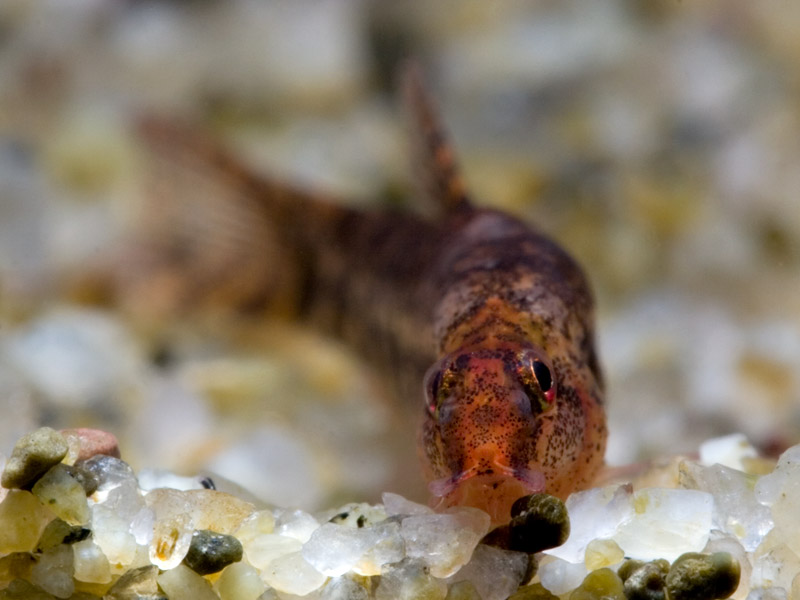
图片来自 SeriouslyFish,版权归各摄影者所有。
English
Overview
A forked tail and the prominent semicircular male pectoral lamina help identify Lepidocephalichthys furcatus. It sometimes enters trade as bycatch. Fine soft substrate supports its burying and sifting behavior better than coarse aquarium gravel.
Distribution & habitat
Records include Peninsular Malaysia, Narathiwat and Yala in southern Thailand, and North Sumatra. Older Chao Phraya and Mekong records involve poorly preserved specimens of uncertain identity. Typical habitat includes shallow slow waters, backwaters, swamps, and paddies with soft sediment and plant debris.
Aquarium setup
Provide at least a 45 by 30 cm base and soft sand for burial. Stabilize rocks and wood before adding sand, creating shaded refuges. Leaves and subdued lighting are useful. Maintain oxygen without excessive flow, guard filter intakes, and secure the lid.
Diet & feeding
This micropredator extracts small invertebrates from sifted substrate. Combine sinking prepared food with regular suitably sized live or frozen supplements.
Behaviour & compatibility
Genus-level care suggests four or more conspecifics with compatible quiet open-water fishes. Avoid aggressive sand loaches, and account for possible feeding on eggs or fry.
Sexual dimorphism
Males develop a prominent upward-oriented semicircular pectoral lamina from fused inner rays. Females are usually larger and fuller-bodied.
Notes
An angular dark tail-base marking and a spot at the bases of some caudal rays provide additional clues. Erectable subocular spines can snag nets.
来源
ID:lepidocephalichthys-furcatus · 文件: data/species/lepidocephalichthys-furcatus.md · 状态: 草稿