安氏鳞头鳅
概要
| 字段 | 值 |
|---|---|
| 类别 | 鱼 |
| 学名 | Lepidocephalichthys annandalei |
| 别名 | 叉尾鳞头鳅、印度鳞头鳅、安氏鱗頭鰍、叉尾鱗頭鰍、印度鱗頭鰍、Lepidocephalichthys menoni、Lepidocephalus annandalei |
| 分类 | 鲤形目 Cypriniformes › 鳅科 Cobitidae › Lepidocephalichthys |
| 水体 | 淡水 |
| 原产地 | 孟加拉国、印度、尼泊尔 |
| 成体体长 | 4.5 cm |
| 饲养难度 | 中等 |
| 最小水体 | 41 L |
| 最小缸长 | 45 cm |
| 群居方式 | 群游 |
| 特征 | 会跳缸: 是;翻底砂: 是 |
| 外部数据 | seriouslyfish lepidocephalichthys-annandalei;fishbase 24673 |
| 食性 | 肉食 |
水质参数
| 参数 | 耐受范围 | 最适范围 | 单位 |
|---|---|---|---|
| 水温 | 22.5–26 | — | °C |
| pH | 5.5–7.5 | — | — |
| 总硬度 | 2–15 | — | dGH |
概述
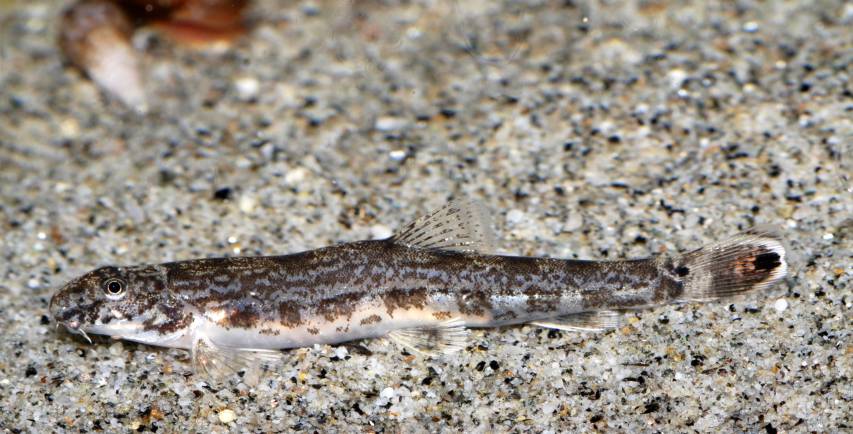
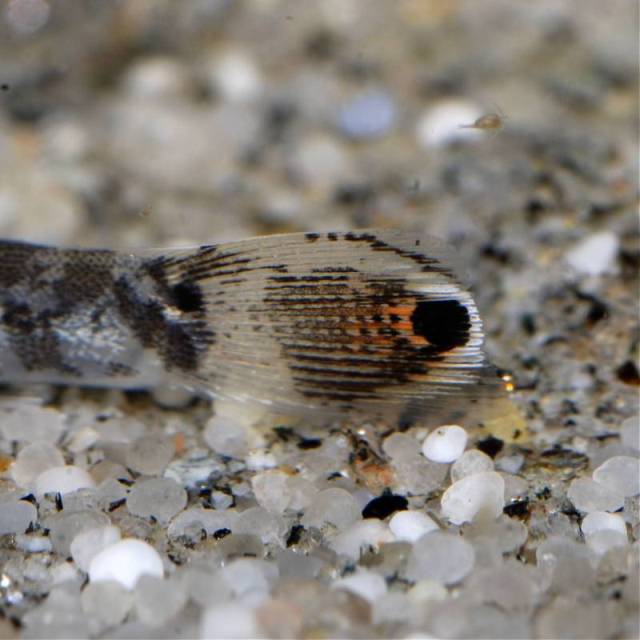
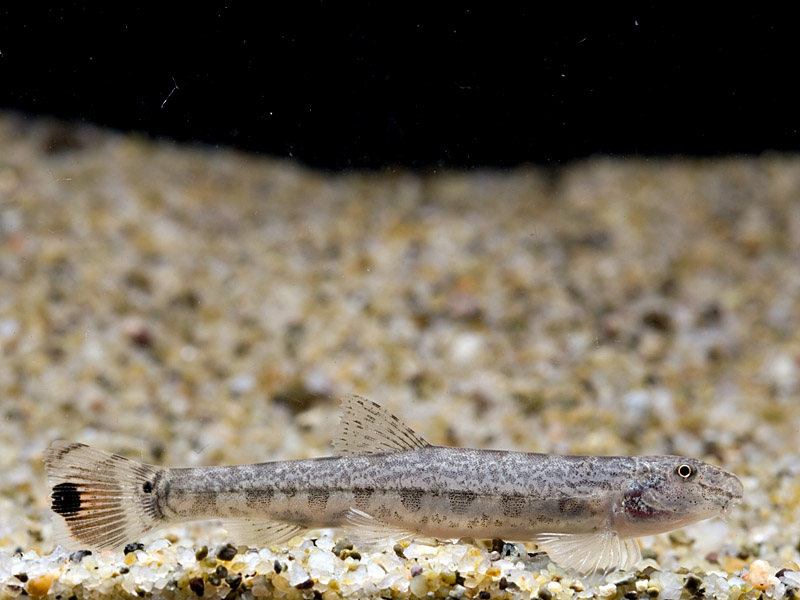
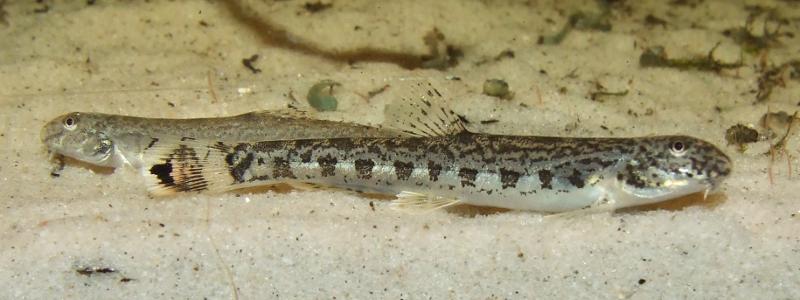
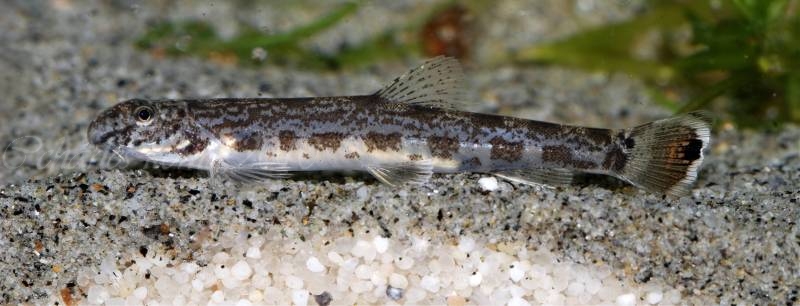
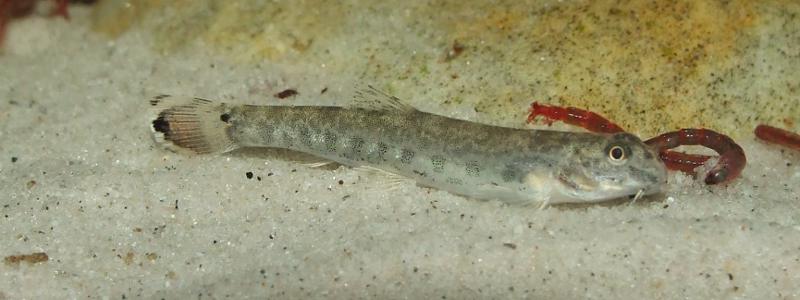
安氏鳞头鳅(Lepidocephalichthys annandalei)尾鳍两道深色人字纹很醒目。部分贸易鱼尾形与最初描述存在差别,因此既要保留这一识别线索,也不能仅凭商品标签忽视身份问题。
分布与栖息地
分布于尼泊尔、孟加拉国及印度东北部恒河和布拉马普特拉河中下游地区。多见浅缓流、沼泽、牛轭湖、回水和稻田,底部软泥或淤沙,上有植被、根枝及落叶,水深和清澈度随季节变化。
饲养环境
至少参考 45 × 30 厘米底面积,细软沙底供钻身,粗砾可能伤鱼或妨碍取食。先稳固石木再铺沙,留阴影和隐蔽处,弱光与落叶适合。避开强流但保持增氧,滤水入口防止小鱼钻入,并盖好缸。
食性与喂食
主要筛砂摄取昆虫幼虫及小甲壳类。可接受下沉干粮,但仍要规律搭配小型活冷冻水蚤、丰年虾、红虫等。
习性与混养
可参考同属四尾以上群养建议;伙伴选择温和、同水质的小鱼,尤其是中上层活动的种类。其他钻沙鳅要先排除强领地或攻击性,卵和幼鱼可能被取食。
雌雄区分
成熟雄鱼胸鳍较大,最内侧第七、八鳍条融合增厚;雌鱼通常略大且厚实。
补充说明
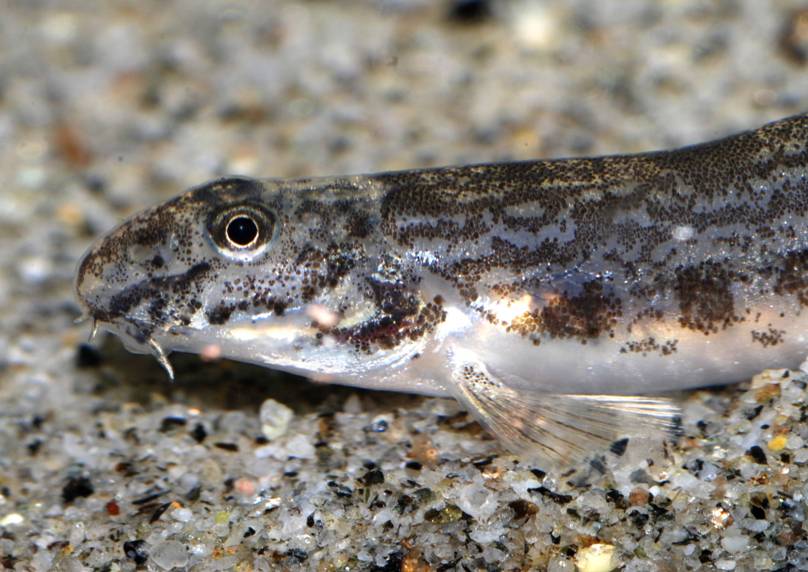
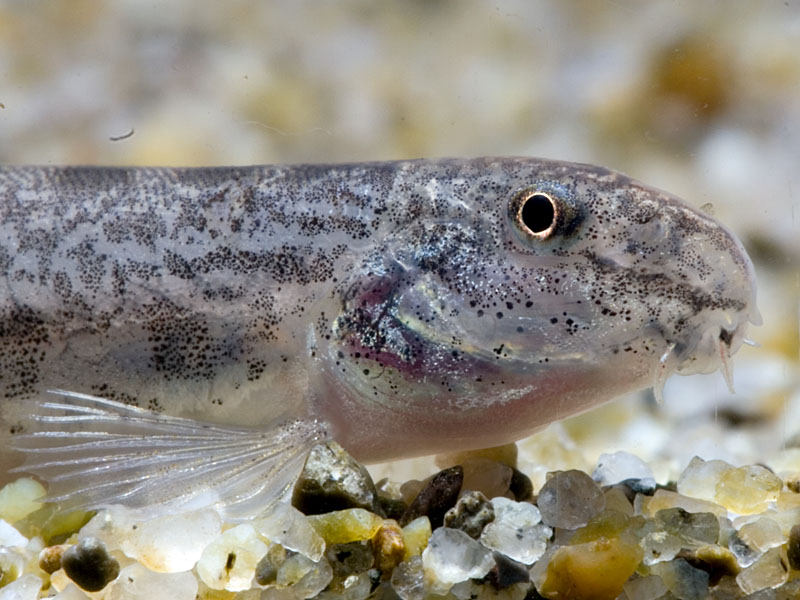
贸易鱼可能缺少描述中的尾鳍凹口,需结合尾纹和来源辨认。眼下棘受惊时会竖起,捞鱼小心挂网。
图片
图片来自 SeriouslyFish,版权归各摄影者所有。
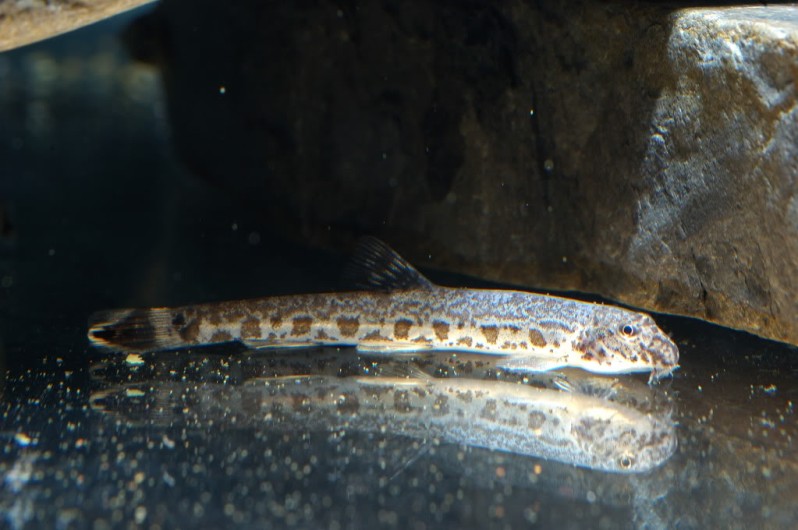
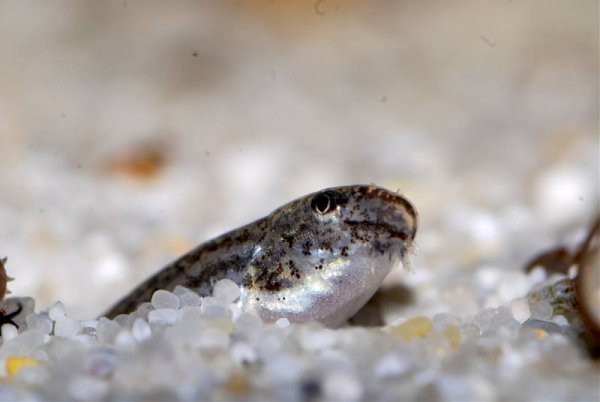
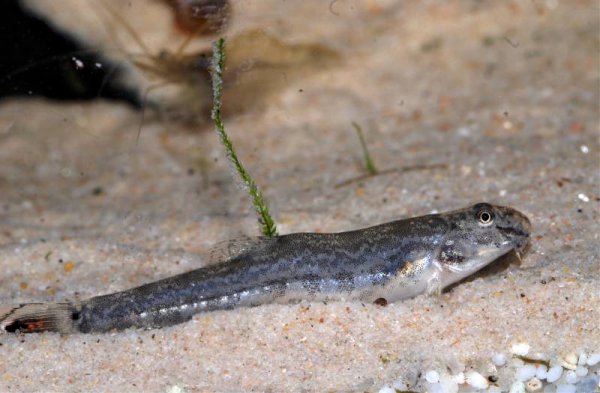
English
Overview
Two dark chevrons on the tail are a useful feature of Lepidocephalichthys annandalei. Some traded fish differ from the original description in tail shape, however, so identification should not rest on a sales label alone.
Distribution & habitat
It occurs in the middle and lower Ganges–Brahmaputra region of Nepal, Bangladesh, and northeastern India. Shallow slow streams, swamps, oxbows, backwaters, and paddies have soft sediment and plentiful vegetation or woody debris. Water depth and clarity vary seasonally.
Aquarium setup
Provide at least a 45 by 30 cm footprint with soft sand for burial. Coarse gravel can injure fish or inhibit feeding. Secure hardscape before adding substrate, and create shaded refuges with wood and leaves. Avoid strong flow while maintaining oxygen, protect filter intakes, and keep the aquarium covered.
Diet & feeding
It sifts substrate for tiny invertebrates such as insect larvae and crustaceans. Sinking prepared foods can accompany regular small live or frozen supplements.
Behaviour & compatibility
Genus-level guidance favors four or more conspecifics. Choose peaceful fishes from compatible conditions, especially open-water companions. Other sand loaches need checking for territoriality, and eggs or fry may still be eaten.
Sexual dimorphism
Males develop enlarged pectorals with thickened fused inner rays. Females are generally a little larger and fuller-bodied.
Notes
The notch described in the tail may be absent in traded examples, so compare markings and provenance. Erectable subocular spines can entangle netting.
来源
ID:lepidocephalichthys-annandalei · 文件: data/species/lepidocephalichthys-annandalei.md · 状态: 草稿