绣滑油鲶 · Sailfin Pim
概要
| 字段 | 值 |
|---|---|
| 类别 | 鱼 |
| 学名 | Leiarius pictus |
| 别名 | 繡滑油鯰 |
| 分类 | 鲶形目 Siluriformes › 长须鲶科 Pimelodidae › Leiarius |
| 水体 | 淡水 |
| 成体体长 | 60 cm |
| 饲养难度 | 中等 |
| 最小水体 | 2592 L |
| 最小缸长 | 240 cm |
| 性情 | 温和 |
| 外部数据 | seriouslyfish leiarius-pictus;fishbase 48541 |
| 原产地 | 哥伦比亚、委内瑞拉、秘鲁、巴西 |
| 食性 | 肉食 |
| 特征 | 吃小鱼: 是;夜行性: 是 |
| 领地性 | 是 |
水质参数
| 参数 | 耐受范围 | 最适范围 | 单位 |
|---|---|---|---|
| 水温 | 22–26 | — | °C |
| pH | 6.2–7.6 | — | — |
| 总硬度 | 5–18 | — | dGH |
概述
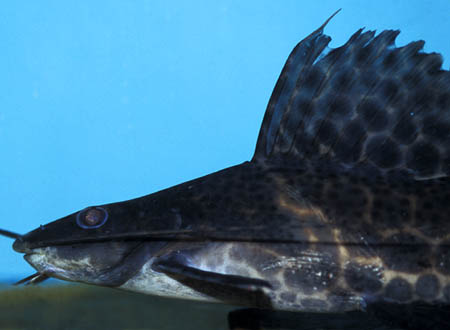
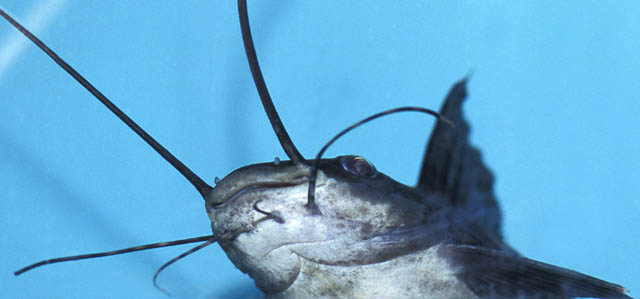
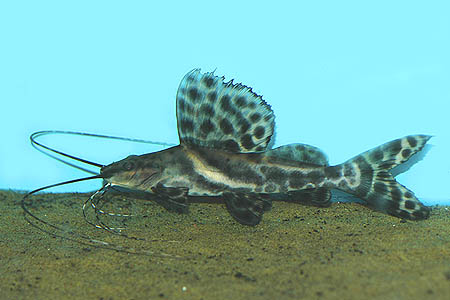
绣滑油鲶(Leiarius pictus)背鳍高大如帆,长须可独立活动,是需要宽大空间的大型鲶。它可能活过二十年,幼鱼又生长较快,不能把日后换缸或转送当作已经解决的长期安排。
分布与栖息地
原生于哥伦比亚、委内瑞拉的奥里诺科水系,以及秘鲁、巴西的部分亚马孙水系。生活在大河和湖泊中,白天藏在淹没树根等掩体内,夜间出来觅食。
饲养环境
成体需参考 240 × 90 × 120 厘米规模,缸宽还要允许长须充分展开。灯光柔和时可少造景,大型沉木和光滑石块必须足够重或固定牢固,并保留游动区;幼鱼则适合根枝、石洞和合口径管道作躲藏处。
普通砾石可能被吞或卡入鳃部,砂可用但会被搬动,大型光滑卵石或裸底更便于管理。大量排泄物需高效大型生物过滤,底滤能把设备移出主缸,减少成鱼撞坏玻璃加热棒、温度计的风险。
食性与喂食
天然吃鱼,通常容易转食虾、贝肉、鱼肉和蚯蚓等非活饵,食物需轮换避免偏食。幼鱼可隔日喂,长大后逐渐降低频率,成鱼每周最多一餐,避免肥胖。不要喂牛心、禽肉等陆生动物肉,也不必用活饵鱼增加病原带入风险。
习性与混养
对不能吞下的相近体形鱼通常较温和,但吞食小鱼毫不犹豫。混养本身需要接近公共水族馆的空间;对同种和其他大型同科鲶有领地意识,多数情况下只养一尾此类鱼。
雌雄区分
外形几乎无法可靠分性,成年雌鱼可能较粗壮,仅可作初步线索。
补充说明
高大的帆状背鳍有助与近似大型鲶区分,幼鱼时尤其明显。不能靠限制缸体让它健康地保持小体形。
图片
图片来自 SeriouslyFish,版权归各摄影者所有。
English
Overview
A tall sail-like dorsal fin and independently moving long barbels distinguish Leiarius pictus. This rapidly growing catfish can live well beyond twenty years. Adult accommodation must therefore exist before purchase rather than depend on a hoped-for upgrade or rehoming.
Distribution & habitat
It inhabits the Orinoco in Colombia and Venezuela and parts of the Amazon in Peru and Brazil. Large rivers and lakes offer submerged roots and other daytime retreats; feeding activity increases after dark.
Aquarium setup
Adult housing is on the order of 240 by 90 by 120 cm, with enough width to extend the barbels. Dim light allows sparse decor; any substantial wood or stones must be secured while retaining open swimming space. Juveniles benefit from roots, rock shelters, and suitably sized pipes.
Ordinary gravel may be swallowed or lodge in the gills. Sand is movable, while large smooth pebbles or a bare bottom are practical alternatives. Heavy waste production requires substantial biological filtration. A sump also keeps fragile heaters and thermometers outside the reach of a powerful adult.
Diet & feeding
A natural fish predator, it usually accepts varied nonliving prawns, shellfish, fish pieces, and earthworms. Rotate foods to prevent fixation on one item. Feed juveniles on alternate days, reducing frequency toward at most one adult meal weekly. Avoid overfeeding, mammalian or avian meats, and feeder fish that can introduce disease.
Behaviour & compatibility
It can be peaceful with similarly sized fish too large to eat, but readily consumes smaller companions. Such a community requires near-public-aquarium scale. Territoriality toward conspecifics and other large pimelodids usually favors keeping only one of this type.
Sexual dimorphism
External sexing is unreliable; greater female bulk is only a tentative clue.
Notes
The especially tall dorsal fin helps separate it from similar catfish, notably when young. Restricting tank size is not a healthy way to keep it small.
来源
- https://www.seriouslyfish.com/species/leiarius-pictus(抓取于 2026-10-10)
leiarius-pictus · 文件: data/species/leiarius-pictus.md · 状态: 草稿