Lasiancistrus tentaculatus · L092
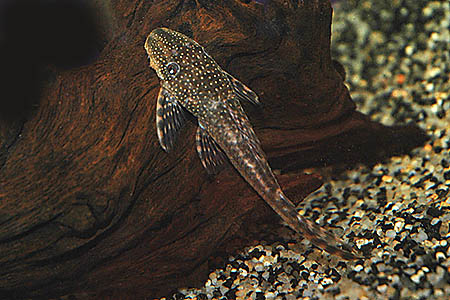
概要
| 字段 | 值 |
|---|---|
| 类别 | 鱼 |
| 学名 | Lasiancistrus tentaculatus |
| 别名 | L194 |
| 分类 | 鲶形目 Siluriformes › 骨甲鲶科 Loricariidae › Lasiancistrus |
| 水体 | 淡水 |
| 成体体长 | 12 cm |
| 饲养难度 | 入门 |
| 最小水体 | 68 L |
| 最小缸长 | 75 cm |
| 性情 | 温和 |
| 外部数据 | seriouslyfish lasiancistrus-tentaculatus;fishbase 62699 |
| 原产地 | 哥伦比亚、委内瑞拉 |
| 繁殖方式 | 附着产卵 |
水质参数
| 参数 | 耐受范围 | 最适范围 | 单位 |
|---|---|---|---|
| 水温 | 24–28 | — | °C |
| pH | 6–7.4 | — | — |
| 总硬度 | 2–10 | — | dGH |
概述
Lasiancistrus tentaculatus 对应 L092、L194,是需要持续接触木材的木食性异型。成熟雄鱼嘴边会长少量类似胡子的触须,程度远不及常见 Ancistrus 属鱼,不能只凭这一外观将两属混为一谈。
分布与栖息地
分布于哥伦比亚和委内瑞拉,属于河流鱼,通常利用沉木堆积和缠结处生活。
饲养环境
用大小、形状不同的沉木构成多处藏身结构,配较厚沙底。它偏好较暗光线,可加入浮水植物遮光;水草在天然环境中并不突出,缸中也可能被吃掉。
水体应有足够氧气和适当流动。木材既是躲藏处也是食物,需要持续存在。
食性与喂食
主要摄食木材,缺少木材会难以维持状态。可补充黄瓜、西葫芦、焯菠菜等蔬菜及沉底干粮,不能只把沉木当纯装饰。
习性与混养
性情很温和,可与合适的脂鲤、温和慈鲷、鼠鱼和其他异型同养。领地表现并不突出,空间合适时可以同种群养。
雌雄区分
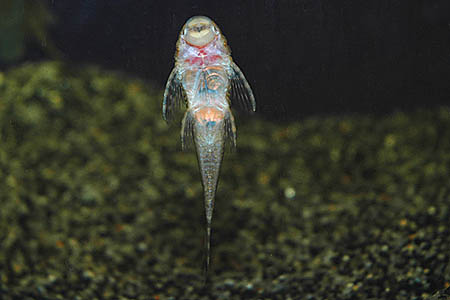
俯视抱卵成年雌鱼,体形会明显更宽。成熟雄鱼嘴边长少量触须,是这一物种的有用特征,但不像 Ancistrus 雄鱼那样发达。
繁殖
水族繁殖已有成功记录,详细方法有限。卵产于洞穴或缝隙,约五天孵化。育苗时要让鱼苗同时吃到木材和植物性食物,以利生长。
补充说明
本种于 2005 年正式描述。Lasiancistrus 颊部齿突之间夹有很细、像毛发的齿突,有助于与 Ancistrus 区分。
木食行为与 Panaque 及部分 Hypostomus 相似,但属于不同类群的趋同特征。购入时检查腹部和眼睛,凹腹、凹眼提示明显消瘦,不能忽视。
图片
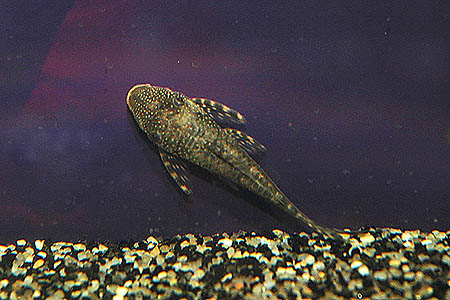
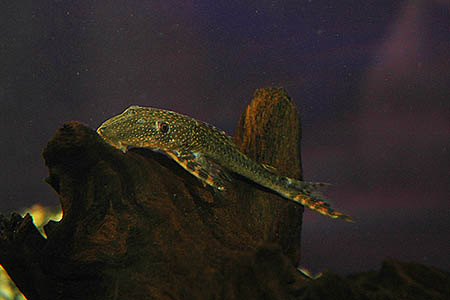
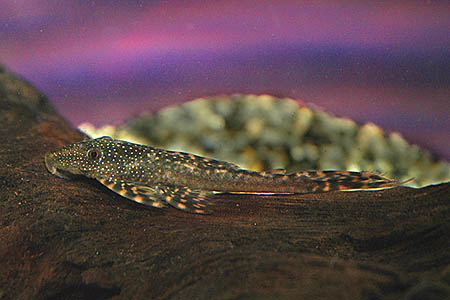
图片来自 SeriouslyFish,版权归各摄影者所有。
English
Overview
Known as L092 and L194, Lasiancistrus tentaculatus requires continuous access to wood as food. Mature males develop a few mouth tentacles resembling those of Ancistrus, but far less extensively; this feature should not cause confusion between the genera.
Distribution & habitat
It occurs in Colombia and Venezuela, occupying riverine wood snags and accumulations of submerged timber.
Aquarium setup
Combine varied pieces of wood into a network of refuges over a substantial sand layer. Subdued lighting suits it, and floating plants can provide shade. Aquatic plants are not prominent in its natural setting and may be eaten in captivity.
Maintain oxygen-rich water with movement. Wood must remain available both for shelter and feeding.
Diet & feeding
Wood is its primary food source, and condition deteriorates without access to it. Supplement with cucumber, zucchini, blanched spinach, and sinking preparations. Decorative wood alone is not the point; the fish needs usable feeding material.
Behaviour & compatibility
Very placid behavior permits suitable characins, peaceful cichlids, cory catfishes, and other gentle plecos. Territorial behavior is not pronounced, allowing conspecific groups where space is appropriate.
Sexual dimorphism
Gravid adult females appear noticeably broader from above. Mature males grow a few tentacles around the mouth, much less developed than the prominent growth of many male Ancistrus.
Breeding
Captive spawning has succeeded, though detailed methods are limited. Eggs are laid in a cave or crevice and hatch after about five days. Fry need both wood and vegetable foods for good growth.
Notes
Described in 2005, this species belongs to a genus recognizable by very thin, hairlike odontodes among the cheek odontodes, helping distinguish it from Ancistrus.
Wood feeding resembles that of Panaque and some Hypostomus through convergence among separate groups. Inspect new fish for a full abdomen and avoid overlooking sunken eyes or a hollow belly as signs of emaciation.
来源
- https://www.seriouslyfish.com/species/lasiancistrus-tentaculatus(抓取于 2026-10-10)
lasiancistrus-tentaculatus · 文件: data/species/lasiancistrus-tentaculatus.md · 状态: 草稿