坦噶尼喀湖亮丽鲷 · Ocellated Shell-dweller
概要
| 字段 | 值 |
|---|---|
| 类别 | 鱼 |
| 学名 | Lamprologus kungweensis |
| 别名 | 坦噶尼喀湖亮麗鯛 |
| 分类 | 慈鲷目 Cichliformes › 慈鲷科 Cichlidae › Lamprologus |
| 水体 | 淡水 |
| 原产地 | 布隆迪、刚果民主共和国及坦桑尼亚的坦噶尼喀湖水域 |
| 成体体长 | 8 cm |
| 饲养难度 | 入门 |
| 最小水体 | 68 L |
| 最小缸长 | 75 cm |
| 领地性 | 是 |
| 外部数据 | seriouslyfish lamprologus-kungweensis;fishbase 8614 |
| 特征 | 翻底砂: 是 |
| 繁殖方式 | 附着产卵 |
水质参数
| 参数 | 耐受范围 | 最适范围 | 单位 |
|---|---|---|---|
| 水温 | 23–27 | — | °C |
| pH | 7.5–9 | — | — |
| 总硬度 | 10–25 | — | dGH |
概述
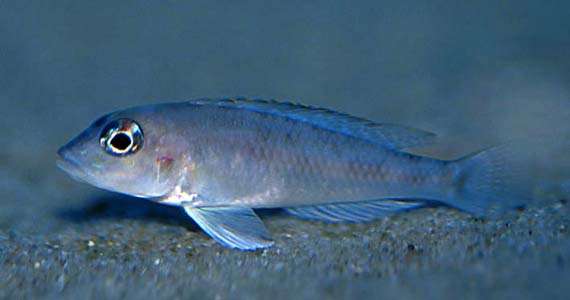
坦噶尼喀湖亮丽鲷(Lamprologus kungweensis)是会守卫贝壳及周围小片领地的慈鲷。眼睛上缘的金色与背鳍后部黑点有助识别,饲养重点是足够多的空壳、可挖掘的沙底和硬碱性水。
分布与栖息地
本种为坦噶尼喀湖特有鱼,最初描述于坦桑尼亚 Kungwe 湾,记录向北达布隆迪 Bujumbura,向南达刚果民主共和国 Kalemie。栖息环境有散布岩石及开阔沙地,并非只有密集岩缝。
饲养环境
小群可参考约 75 × 30 × 30 厘米的缸,保留大片开阔沙底,沙层至少约 5 厘米,供其挖掘。空螺壳数量应多于鱼的数量,让不同个体有选择与退避空间。维持硬水和碱性条件。
食性与喂食
食物以活饵和冻饵为主,干粮有时会被拒绝。应观察鱼是否实际摄食,而不是仅按投饵数量判断已经吃饱。
习性与混养
会猛烈保卫自己的壳和附近区域。可考虑活动在其他位置的小型岩栖鱼或开阔水域坦湖鱼,避免领地区域过度重叠。群养会形成群落,通常雌多雄少更利于减轻雄鱼间冲突,壳数量仍须充足。
雌雄区分
准确辨别较困难,雄鱼通常稍大,颜色可能略鲜明;这些只是趋势。
繁殖
在螺壳内产卵,通常较容易繁殖。繁殖参考 pH 8.0~8.5、25~26.5 °C,提供多壳并用活饵、冻饵养壮。一雄多雌可减少雄鱼竞争,配对关系较松散,后续可能更换伴侣,并非终生固定一对。
繁殖时双方体侧暗斑变大变深,雄鱼脸上还会出现黑点。雌鱼在壳口展示后入壳产卵,再离开让雄鱼进入受精。约 7~10 天后可在壳口见到仔鱼,雌鱼会把游远的仔鱼用嘴搬回,雄鱼守外侧。自由游动后可吃丰年虾无节幼体或微虫;为提高成活率可另缸育幼,虽然亲鱼通常不伤幼鱼。换水配合轻微升温有时有助触发产卵。
补充说明
眼睛顶部金色与背鳍后黑点应结合使用,避免与外形近似的贝居种混淆。口中搬运仔鱼属于照顾行为,本种仍是在壳内基质产卵。
图片
图片来自 SeriouslyFish,版权归各摄影者所有。
English
Overview
Lamprologus kungweensis defends an empty shell and the small area around it. Gold above the eye and a dark mark toward the rear of the dorsal fin help identification. Ample shells, diggable sand and hard alkaline water are central to its care.
Distribution & habitat
Endemic to Lake Tanganyika, it was described from Kungwe Bay in Tanzania and is recorded north to Bujumbura in Burundi and south to Kalemie in the Democratic Republic of Congo. Its habitat includes scattered rocks and open sand rather than exclusively dense rock crevices.
Aquarium setup
A tank around 75 × 30 × 30 cm provides a reference for a small colony. Retain broad sandy areas and a sand layer at least approximately 5 cm deep for digging. Supply more empty snail shells than fish, offering choice and retreat space. Maintain hard, alkaline conditions.
Diet & feeding
Live and frozen foods should form the bulk of feeding. Dry foods are sometimes refused, so verify actual consumption rather than judging intake from the amount offered.
Behaviour & compatibility
Each fish can vigorously defend its shell territory. Small rock dwellers or open-water Tanganyikan fishes may work when they occupy different parts of the aquarium. Colonies need ample shells, and keeping more females than males helps reduce male conflict.
Sexual dimorphism
Accurate sexing is difficult. Males tend to be slightly larger and may have somewhat stronger color, but these are tendencies rather than definitive rules.
Breeding
Eggs are deposited within shells, and breeding is usually straightforward. Around pH 8.0–8.5 and 25–26.5 °C are useful references, with numerous shells and live or frozen foods for conditioning. Several females per male reduce competition. Pair bonds are loose and partners may change in subsequent spawnings.
During courtship, body blotches darken and enlarge, and males develop facial spotting. The female displays at the entrance, enters to lay and then exits so the male can fertilize the eggs inside. Young become visible near the opening after about seven to ten days. The female retrieves wandering fry in her mouth while the male guards outside. Free-swimming fry accept brine-shrimp nauplii or microworms. Separate rearing may improve survival even though parents usually do not harm them. A water change with a slight temperature rise sometimes encourages spawning.
Notes
Use the golden eye marking together with the rear dorsal spot when separating similar shell dwellers. Carrying fry in the mouth is transport; this species deposits its eggs on a substrate within the shell.
来源
- https://www.seriouslyfish.com/species/lamprologus-kungweensis(抓取于 2026-10-10)
lamprologus-kungweensis · 文件: data/species/lamprologus-kungweensis.md · 状态: 草稿