Laetacara fulvipinnis
概要
| 字段 | 值 |
|---|---|
| 类别 | 鱼 |
| 学名 | Laetacara fulvipinnis |
| 分类 | 慈鲷目 Cichliformes › 慈鲷科 Cichlidae › Laetacara |
| 水体 | 淡水 |
| 原产地 | 巴西、委内瑞拉 |
| 成体体长 | 7.5 cm |
| 饲养难度 | 入门 |
| 群居方式 | 成对 |
| 外部数据 | seriouslyfish laetacara-fulvipinnis;fishbase 63488 |
| 繁殖方式 | 附着产卵 |
水质参数
| 参数 | 耐受范围 | 最适范围 | 单位 |
|---|---|---|---|
| 水温 | 20–28 | — | °C |
| pH | 4–7 | — | — |
| 总硬度 | 1–12 | — | dGH |
概述
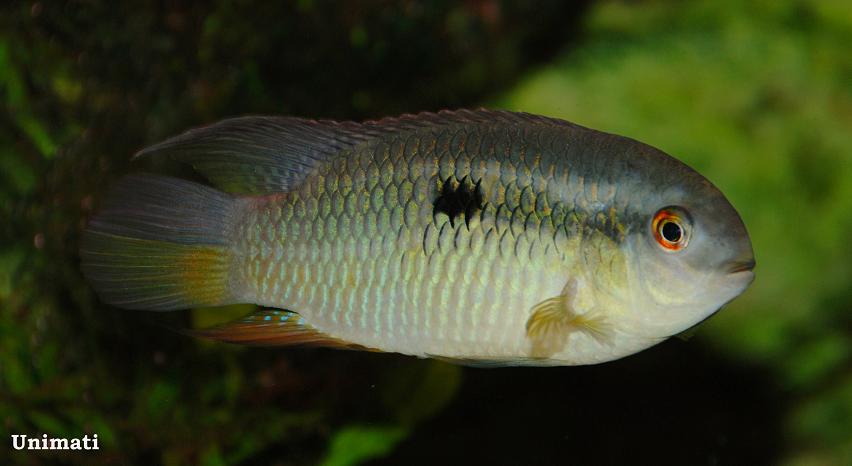
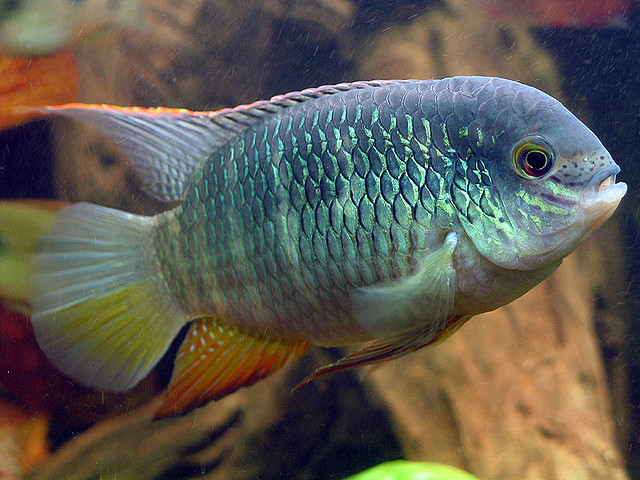
Laetacara fulvipinnis 是委内瑞拉与巴西北部的小型慈鲷,臀鳍、尾鳍的红黄色调是名字的由来。正式描述前曾用 Laetacara sp. 'orangeflossen' 暂名流通。
分布与栖息地
原生范围包括奥里诺科河中上游、卡西基亚雷水道及尼格罗河中上游。明确记录横跨委内瑞拉阿亚库乔港至巴西尼格罗河 Barcelos 一带;东哥伦比亚出现的可能性尚属推测。
它采自清澈、柔软、酸性的茶色黑水,常在溪流及小支流岸缘约 10–50 cm 深的浅水中,利用落叶或沉水植物作掩护。低矿化度与岸缘遮蔽是这类记录的重点,浅水采集深度不等于缸内活动层位。
食性与喂食
野外可能觅食藻类、有机碎屑、小昆虫、蠕虫与甲壳动物。缸内通常容易开口,可轮换红虫、水蚤、丰年虾等小型活饵或冻饵,并搭配优质薄片、颗粒;部分配方应含额外植物或藻类成分。
雌雄区分
雄鱼较大,背鳍、臀鳍和尾鳍延长部分更明显,老雄鱼的头部轮廓通常更陡。两性繁殖状态下头下部、鳃盖与身体前段都会发红,因此红色本身并非只属于雄鱼。
繁殖
本种在植物叶片等固定表面产卵,由双亲共同育幼。卵约三天孵化,幼鱼再经过约一周开始自由游动;不能把“一周后”从产卵日直接起算。
补充说明
尾鳍没有明显的密集浅色小点图案,背鳍基部覆鳞程度较有限。鉴别时应将这些细节与鳍条、鳞片计数一起考虑,不宜只靠“橙鳍”商品名称。
图片
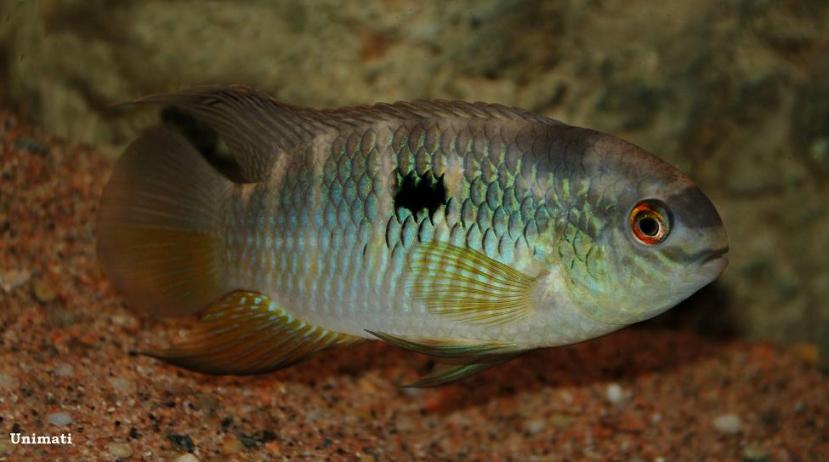
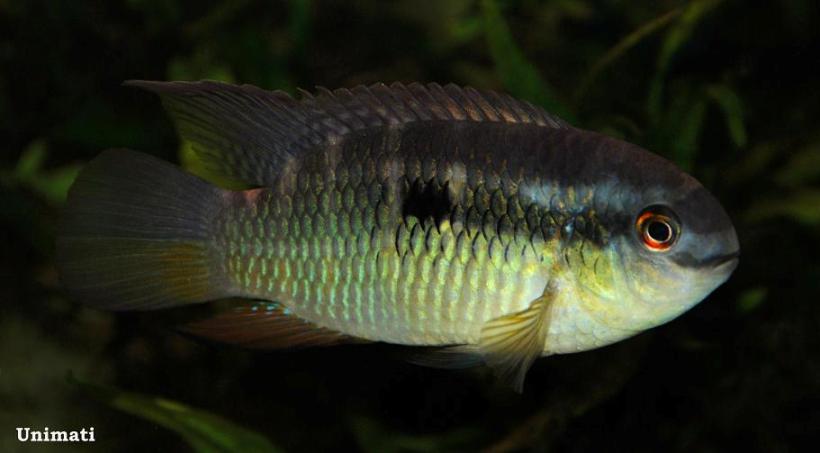
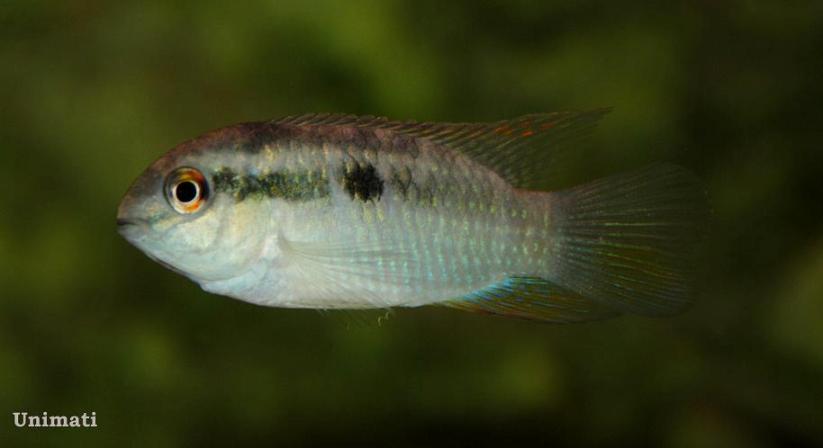
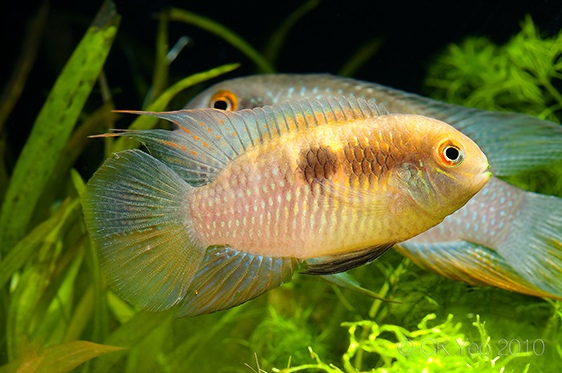
图片来自 SeriouslyFish,版权归各摄影者所有。
English
Overview
Laetacara fulvipinnis is a small cichlid from Venezuela and northern Brazil, named for the reddish-yellow tones of its anal and tail fins. Before formal description it circulated as Laetacara sp. 'orangeflossen'.
Distribution & habitat
Its native range includes the upper and middle Orinoco, the Casiquiare connection, and the upper and middle Negro. Confirmed records extend between Puerto Ayacucho in Venezuela and Barcelos on Brazil's Negro. Occurrence in eastern Colombia is plausible but remains speculative.
Collections came from clear, soft, acidic, tea-colored black water. Fish commonly occupied very shallow stream margins, about 10–50 cm deep, among leaves or submerged plants. Low mineral content and sheltered margins characterize these records; collection depth does not establish a particular swimming level in an aquarium.
Diet & feeding
Suggested natural foods include algae, organic debris, small insects, worms, and crustaceans. It generally feeds readily in captivity. Alternate small live or frozen foods such as bloodworms, Daphnia, and brine shrimp with quality flakes or granules, including plant- or algae-enriched preparations.
Sexual dimorphism
Males grow larger and develop longer dorsal, anal, and tail-fin extensions. Older males tend to have a steeper forehead. Both sexes acquire red on the lower head, gill covers, and front of the body during reproductive condition, so red coloration alone does not identify a male.
Breeding
Eggs are placed on a fixed surface such as a plant leaf, with care by both parents. Incubation lasts about three days; young become free-swimming approximately another week afterward, rather than one week counted from laying.
Notes
The tail lacks a conspicuous pattern of small pale dots, and scaling around the dorsal-fin base is limited. Use these features with fin-ray and scale counts instead of relying solely on an orange-fin trade label.
来源
- https://www.seriouslyfish.com/species/laetacara-fulvipinnis(抓取于 2026-10-10)
laetacara-fulvipinnis · 文件: data/species/laetacara-fulvipinnis.md · 状态: 草稿