带纹咽无齿脂鲤 · Striped Headstander
概要
| 字段 | 值 |
|---|---|
| 类别 | 鱼 |
| 学名 | Laemolyta taeniata |
| 别名 | 帶紋咽無齒脂鯉、Schizodon taeniatus |
| 分类 | 脂鲤目 Characiformes › 小口脂鲤科 Anostomidae › Laemolyta |
| 水体 | 淡水 |
| 原产地 | 玻利维亚、巴西、秘鲁、委内瑞拉 |
| 成体体长 | 28.8 cm |
| 饲养难度 | 中等 |
| 最小水体 | 432 L |
| 最小缸长 | 120 cm |
| 群居方式 | 群游 |
| 性情 | 温和 |
| 水流偏好 | 低 |
| 特征 | 会跳缸: 是 |
| 外部数据 | seriouslyfish laemolyta-taeniata;fishbase 13254 |
| 食性 | 杂食 |
水质参数
| 参数 | 耐受范围 | 最适范围 | 单位 |
|---|---|---|---|
| 水温 | 20–28 | — | °C |
| pH | 4–7.5 | — | — |
| 总硬度 | 1–12 | — | dGH |
概述
带纹咽无齿脂鲤(Laemolyta taeniata)体型较大,在观赏鱼贸易中少见。它对同种相对温和,适合在宽敞成熟的缸中维持群体,水质稳定比复杂装饰更重要。
分布与栖息地
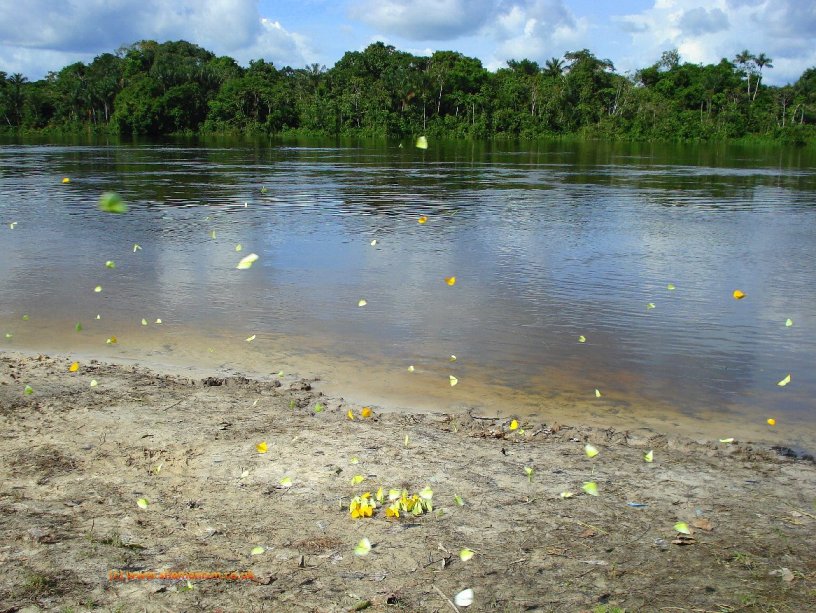
主要分布于亚马孙河中部,已知记录包括巴西马德拉河、内格罗河及其支流和洪泛湖,玻利维亚伊特内斯河、秘鲁洛雷托的安皮亚库河和纳奈河,以及委内瑞拉奥里诺科河水系。托坎廷斯河也有报道,完整范围仍不清楚。
可利用小支流、主河道、牛轭湖及洪泛湖,雨季通常进入淹水森林。曾观察到与其他脂鲤组成大型迁移群体。
饲养环境
底面积至少约 120 × 60 cm,群养需相应空间。避免过强水流和过亮光照,可用沙底、少量落叶、大型沉木根枝及浮水植物营造遮蔽。
必须有成熟过滤和稳定洁净的水,不能放入尚未稳定的新缸。缸盖需贴合严密,防止跳出。
食性与喂食
属于杂食刮食鱼,野外在硬表面啄食藻类、昆虫幼体等。缸内搭配小型活饵或冷冻饵,并提供充足菠菜、生菜、黄瓜、西葫芦和藻片等植物食物。
习性与混养
对同种相对温和,建议至少 4 条,与体型接近且温和的鱼共同生活在大缸中。可考虑适宜的脂鲤、甲鲶类或慈鲷,仍需逐种核对水质和性情,而不能把同科鱼一概视作安全同伴。
雌雄区分
尚未确认可靠特征,成熟雌鱼可能略大且腹部更圆,不能仅凭这一推测断定性别。
繁殖
尚无明确人工繁殖记录。
补充说明
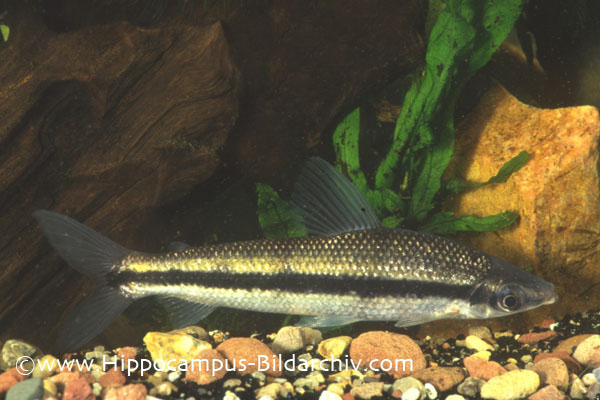
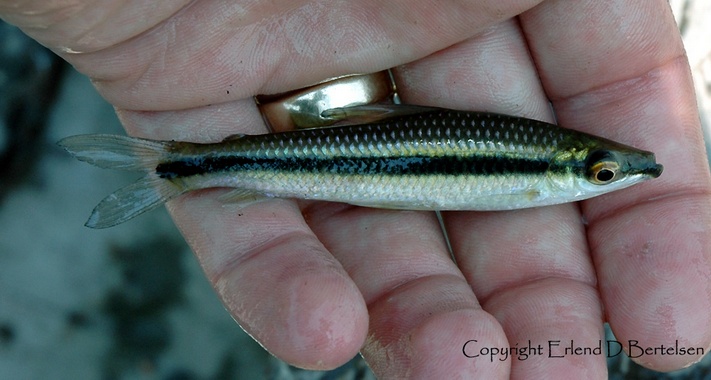
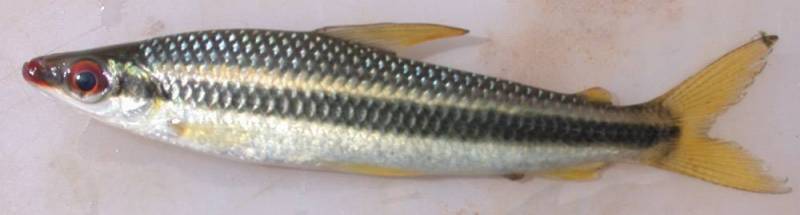
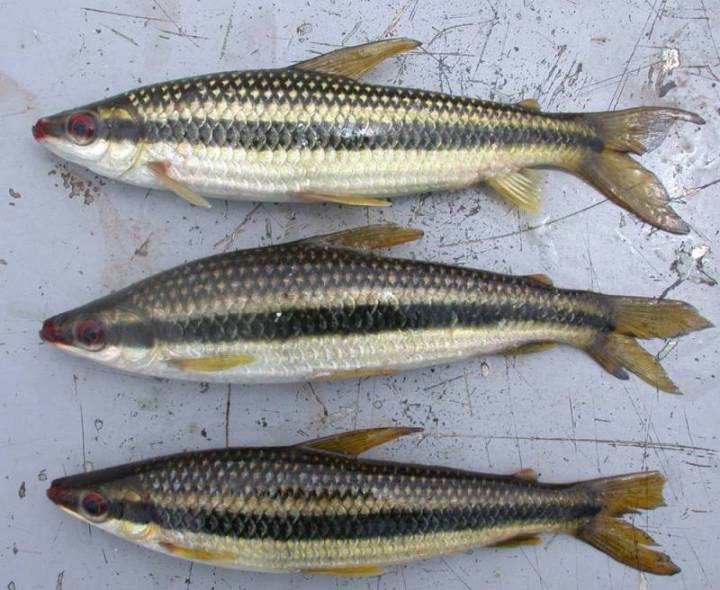
本种是属内体型最大的成员。侧线至背鳍起点间有 5 行鳞片,是区别近缘种的特征之一;体侧深色中线及其上方较窄浅线,也可辅助观察识别。
图片
图片来自 SeriouslyFish,版权归各摄影者所有。
English
Overview
Large and seldom offered in the aquarium trade, Laemolyta taeniata is comparatively tolerant of its own species. A spacious mature aquarium for a group is appropriate, with stable water quality taking priority over elaborate decoration.
Distribution & habitat
Records center on the Amazon basin, including Brazil's Madeira and Negro systems, Bolivia's Iténez, and the Ampiyacu and Nanay in Peru. It also occurs in Venezuela's Orinoco system. Tocantins records suggest that the complete range remains uncertain.
It uses small tributaries, main channels, oxbows, and floodplain lakes, commonly entering flooded forest during the wet season. Large migratory groups with other anostomids have been observed.
Aquarium setup
Allow at least about 120 × 60 cm of floor space, with adequate room for a group. Avoid intense current and bright lighting. Sand, some leaves, substantial branches or roots, and floating plants can form a natural arrangement.
Use established biological filtration and consistently clean water. New, unstable aquariums are unsuitable. A closely fitted lid prevents escape by jumping.
Diet & feeding
It grazes hard surfaces for algae, insect larvae, and other small foods, making its natural diet omnivorous. Combine small live or frozen foods with generous plant portions such as spinach, lettuce, cucumber, zucchini, and algae wafers.
Behaviour & compatibility
Keep at least four in a large community of peaceful, similarly sized fishes. Appropriate characins, armored catfishes, and cichlids are candidates, but each companion still needs matching requirements and temperament.
Sexual dimorphism
Differences remain unconfirmed. Mature females are presumed to become slightly larger and rounder, which is insufficient for certain identification of sex.
Breeding
Clear captive breeding records are lacking.
Notes
It is the largest-growing member of its genus. Five scale rows between the lateral line and dorsal-fin origin provide one diagnostic character. A dark middle stripe and narrow pale lines above it are also useful visual features.
来源
- https://www.seriouslyfish.com/species/laemolyta-taeniata(抓取于 2026-10-10)
laemolyta-taeniata · 文件: data/species/laemolyta-taeniata.md · 状态: 草稿