Kottelatlimia hipporhynchos
概要
| 字段 | 值 |
|---|---|
| 类别 | 鱼 |
| 学名 | Kottelatlimia hipporhynchos |
| 分类 | 鲤形目 Cypriniformes › 鳅科 Cobitidae › Kottelatlimia |
| 水体 | 淡水 |
| 原产地 | 印度尼西亚 |
| 成体体长 | 5.2 cm |
| 饲养难度 | 中等 |
| 最小水体 | 54 L |
| 最小缸长 | 60 cm |
| 群居方式 | 群游 |
| 外部数据 | seriouslyfish kottelatlimia-hipporhynchos;fishbase 64813 |
| 食性 | 肉食 |
| 特征 | 翻底砂: 是 |
水质参数
| 参数 | 耐受范围 | 最适范围 | 单位 |
|---|---|---|---|
| 水温 | 23–26 | — | °C |
| pH | 4–6.5 | — | — |
| 总硬度 | 0–10 | — | dGH |
概述
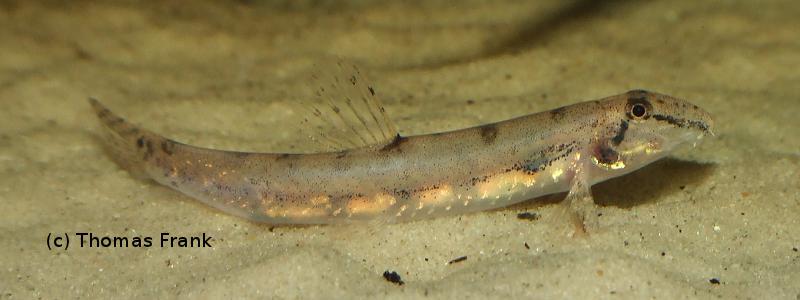
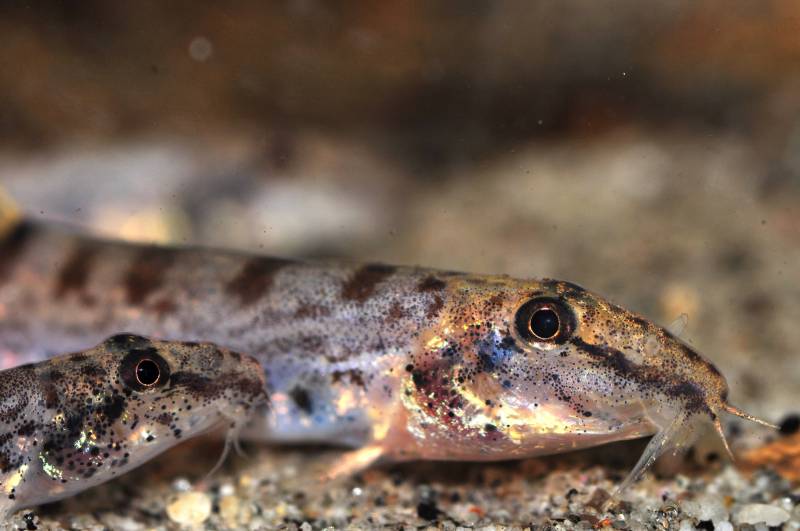
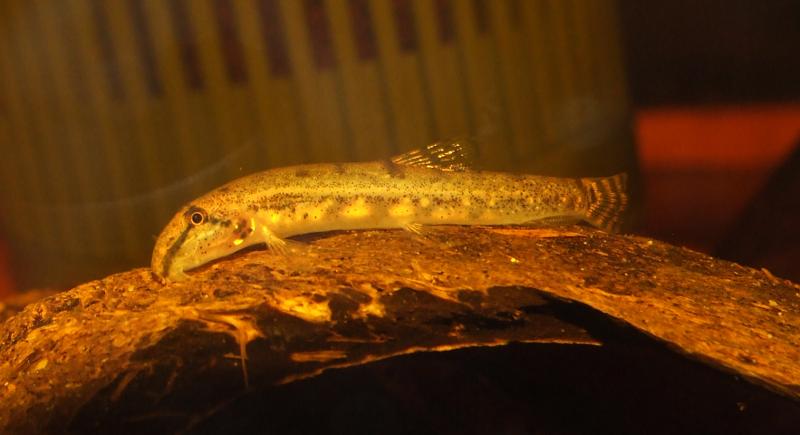
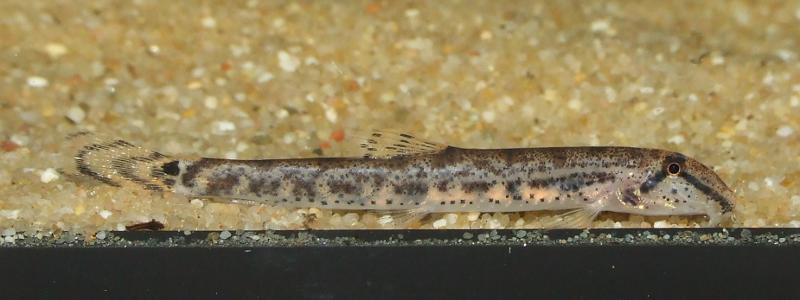
Kottelatlimia hipporhynchos 是婆罗洲中加里曼丹的小型鳅,嘴唇、触须和口部叶状结构上布满细小乳突,成鱼吻部较长。它会在砂面停留或钻入砂中,需要柔软砂底、成熟清洁的水和安静伙伴。
分布与栖息地
已知来自印度尼西亚中加里曼丹的 Kahayan、Sampit 及当地 Kapuas 水系。这里的 Kapuas 不等于西加里曼丹更大的同名河流。
常见环境为缓流森林溪流,水清澈但带茶色,底部白砂,林冠与岸边植物遮光,矿物含量及缓冲能力很低;也见于泥炭黑水。与 Kottelatlimia pristes 同域时,后者常利用落叶堆,而本种被观察到在砂面休息或钻砂。
饲养环境
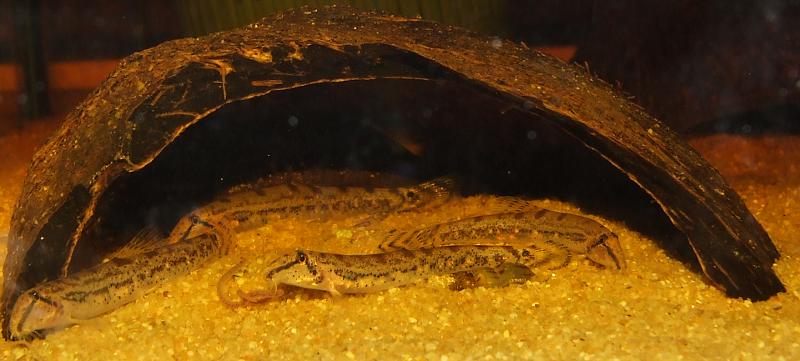
至少约 60 × 30 cm 底面积。细软砂应留足开阔面积,供钻掘和移动。粗砾可能伤鱼、影响取食。岩石和木材先稳放再铺砂,避免钻掘造成倾倒。弱光、少量落叶及附生于造景上的水草均可用。
不耐有机废物积累,只适合成熟稳定的缸。水流强弱不是重点,供氧与干净水质更重要;河溪型布置也须确保底砂足够细软。
食性与喂食
本种主要捕食微小动物,通过筛底质获取昆虫幼虫、小型甲壳动物等。缸内通常不难开口,用沉底干粮搭配丰年虾、水蚤、红虫或水蚯蚓等活饵、冻饵。
习性与混养
体格不强健,避免大鱼或争食激烈的伙伴。至少四条同种较合适,可选择很小的温和群游鱼或适应软酸环境的迷鳃鱼作伴。其他鳅类需排除好斗、强领域性、成体过大或水质需求不同的种。近亲可能吃卵或仔鱼的风险,也不能忽略。
雌雄区分
雄鱼第一根分枝胸鳍条加大,后方突起连成宽阔刀片状结构。雌鱼通常更大、更厚实。
补充说明
嘴部乳突与雄鱼胸鳍结构可帮助区别近亲,不能仅靠“马嘴”外观定种。它不是需要只靠剩饵维持的清洁鱼,仍应保证规律投喂。鳅科眼下活动棘可能挂网,转移时动作轻缓。
图片
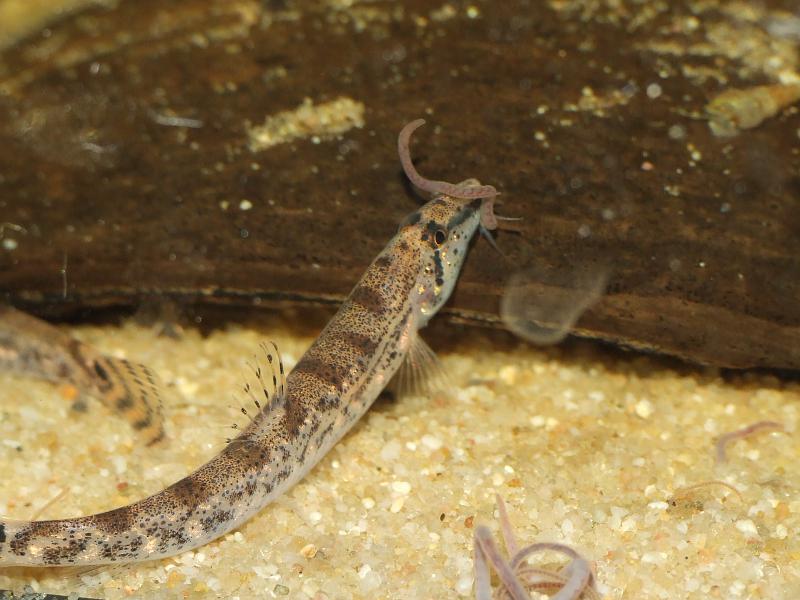
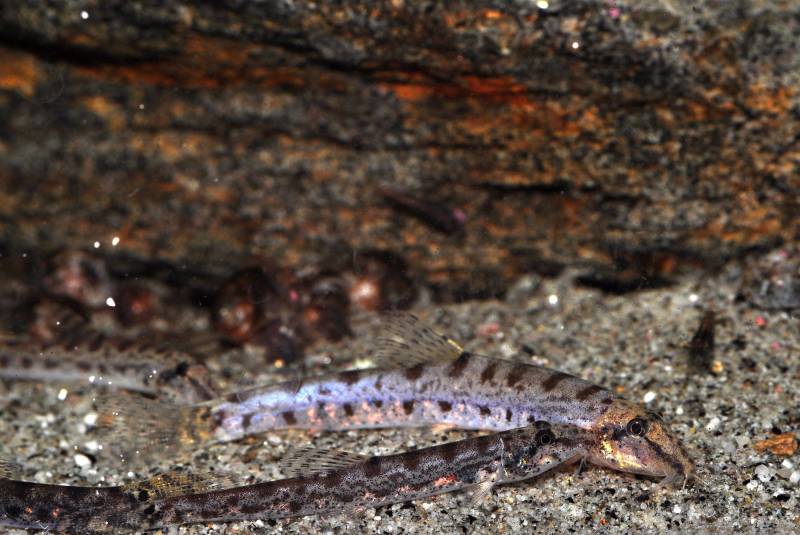
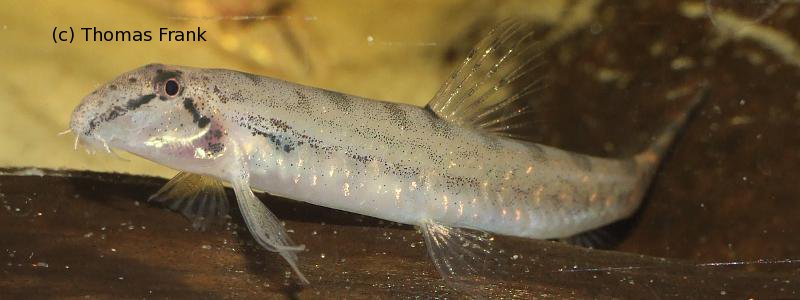
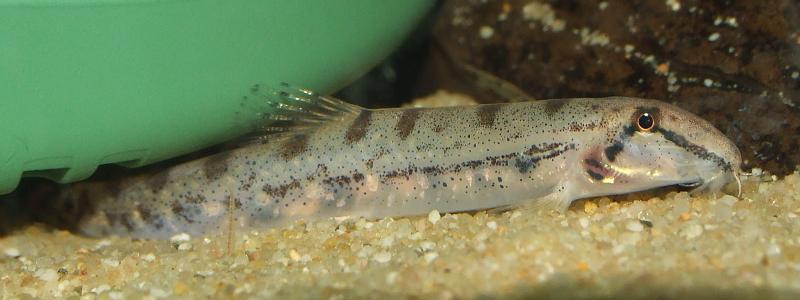
图片来自 SeriouslyFish,版权归各摄影者所有。
English
Overview
Kottelatlimia hipporhynchos is a small Central Kalimantan loach with papillae covering the lips, barbels, and mouth lobes. Larger fish develop an elongated snout. Resting on or burrowing into sand makes soft substrate, clean mature water, and quiet companions important.
Distribution & habitat
It is known from the Kahayan, Sampit, and local Kapuas drainages in Central Kalimantan, Indonesia. This Kapuas is distinct from the larger river of the same name in West Kalimantan.
Typical sites are slow forest streams with clear, tea-stained water over white sand, shaded by vegetation and canopy. Mineral content and buffering are low; peat black-water records also exist. Where it shares habitat with Kottelatlimia pristes, the latter uses leaf deposits while this species has been observed resting on or entering sand.
Aquarium setup
Allow at least about 60 × 30 cm and retain open areas of fine soft sand. Coarse gravel can injure fish and disrupt feeding. Secure rocks and wood before the substrate so digging cannot undermine them. Subdued lighting, modest leaves, and attached plants are suitable.
Organic-waste accumulation is poorly tolerated. Use a stable mature aquarium. Current strength matters less than oxygenation and cleanliness; stream-style layouts must still provide sand fine enough for burial.
Diet & feeding
A micropredator, it sifts substrate for insect larvae and small crustaceans. Aquarium feeding is usually straightforward with sinking dry foods and varied live or frozen brine shrimp, Daphnia, bloodworms, or aquatic worms.
Behaviour & compatibility
Avoid large or highly competitive companions. At least four conspecifics are preferable. Tiny peaceful schooling fish or compatible soft-water labyrinth fishes are possible partners. Other loaches need screening for aggression, territoriality, size, and water requirements. Possible egg or fry predation among relatives remains relevant.
Sexual dimorphism
Males have an enlarged first branched pectoral ray with broad joined posterior projections forming a blade-like structure. Females are generally larger and fuller-bodied.
Notes
Mouth papillae and the male pectoral structure aid separation from relatives. A horse-like snout alone does not establish identity. Feed deliberately rather than expecting leftovers to sustain it. Movable eye spines can catch in nets.
来源
ID:kottelatlimia-hipporhynchos · 文件: data/species/kottelatlimia-hipporhynchos.md · 状态: 草稿