柯脂鲤 · Hazar Toothcarp
概要
| 字段 | 值 |
|---|---|
| 类别 | 鱼 |
| 学名 | Kosswigichthys asquamatus |
| 别名 | 柯脂鯉、Scaleless Killifish |
| 分类 | 鳉形目 Cyprinodontiformes › Aphaniidae › Kosswigichthys |
| 水体 | 淡水 |
| 原产地 | 土耳其 |
| 成体体长 | 4 cm |
| 饲养难度 | 中等 |
| 最小水体 | 108 L |
| 最小缸长 | 120 cm |
| 群居方式 | 群游 |
| 外部数据 | seriouslyfish aphanius-asquamatus;fishbase 10455 |
| 领地性 | 是 |
| 繁殖方式 | 附着产卵 |
水质参数
| 参数 | 耐受范围 | 最适范围 | 单位 |
|---|---|---|---|
| 水温 | 12–28 | — | °C |
| 总硬度 | 15–35 | — | dGH |
概述
柯脂鲤(Kosswigichthys asquamatus)是土耳其哈扎尔湖特有的小型鳉鱼,身体细长、体鳞几乎完全缺失,非繁殖期会群游。其卵和幼鱼发育似乎对水中盐类组成有特殊要求,不能只看温度合适就按普通淡水鱼维护。
分布与栖息地
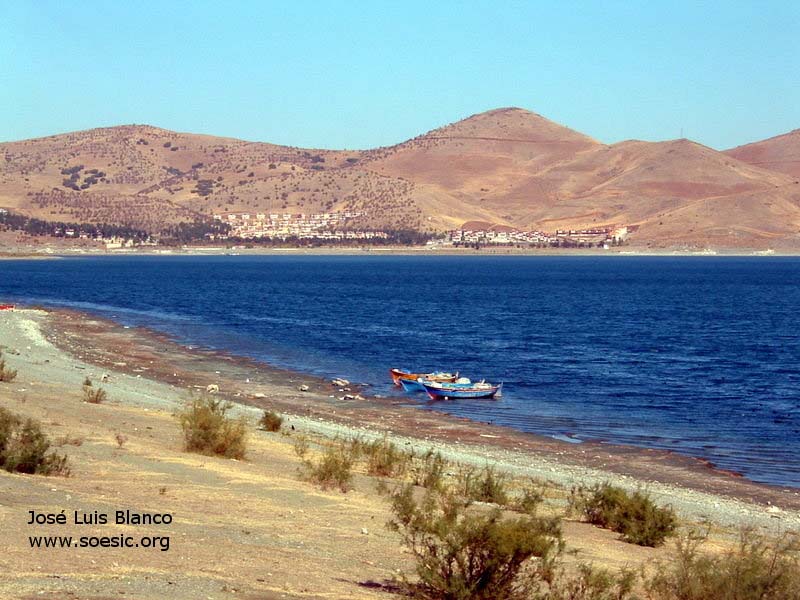
只见于土耳其安纳托利亚东南部、东托罗斯山地区的哈扎尔湖,并非来自伊朗。湖泊曾因灌溉排水而大幅退水,狭窄范围加上污染和淤积,使种群仍容易受环境变化影响。
湖水富含氯化镁,硬度较高且偏碱。它较常利用开阔水体,温暖季节雄鱼在长藻岩石附近建立繁殖领地。
饲养环境
用细纱产卵拖把、丝状藻及其他遮蔽物提供躲避和附卵处。每升添加约 1—2 g 海水盐的环境会限制普通细叶水草生长;可裸底或用惰性沙砾,过滤不必很强。
碱性、高矿物质水是关键。曾有以石膏和泻盐补充盐类、改善卵苗发育的经验,但缺少具体配方,不能据此随意推算添加剂量。每年需要数月冷凉冬季,持续温暖可能降低繁殖力和寿命。气候适合时可室外养护,并获得部分自然日照。
食性与喂食
旧的近缘类群饲喂建议包括丰年虾、水蚤、红虫等小型活饵或冷冻饵,多数鱼也会逐渐接受干粮。春夏繁殖期间更需规律供食,缺乏丝状藻时可搭配含螺旋藻的饲料。
习性与混养
优先单种群体繁殖,每尾雄鱼配两至三尾雌鱼。雄鱼相对一些近缘种较少攻击,非繁殖期还会群游,但繁殖时仍需要分散的领地和遮蔽。
雌雄区分
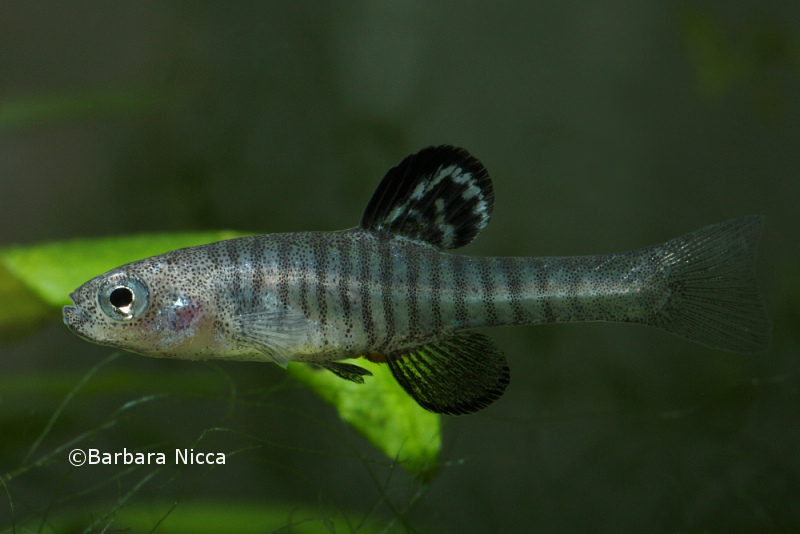
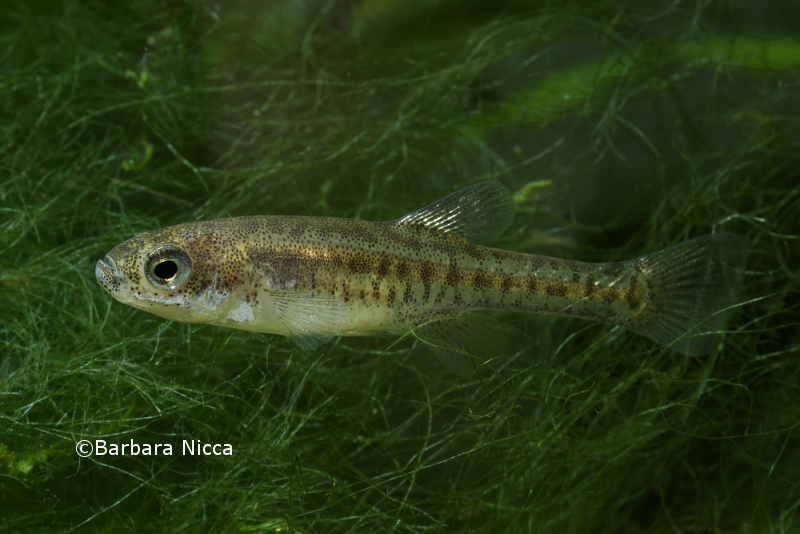
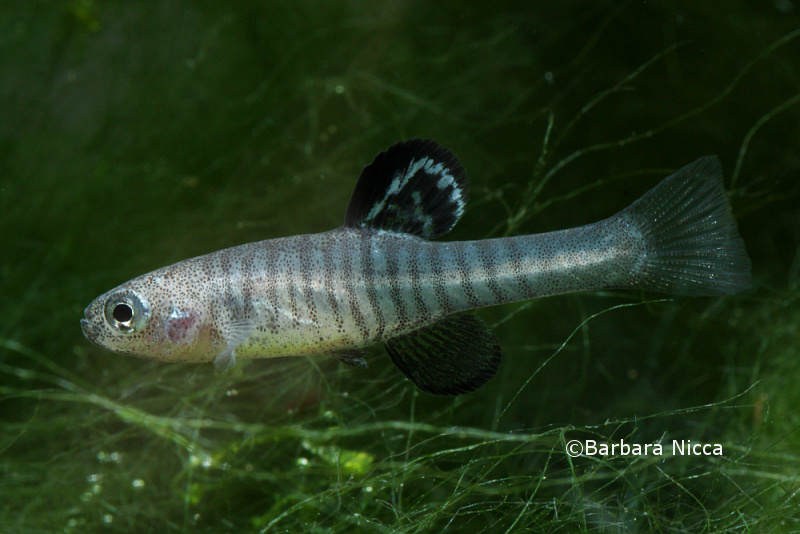
雄鱼有约十一至十五道深色竖带,头部带小暗点,繁殖时全身可明显变黑。雌鱼较大、朴素,体侧多为暗斑,鳍透明。
繁殖
通常四至九月持续分批产卵,雄鱼在临时领地招引雌鱼。卵以细丝附着在藻类或其他表面,可每日查看并转移附卵材料,减少吃卵风险。
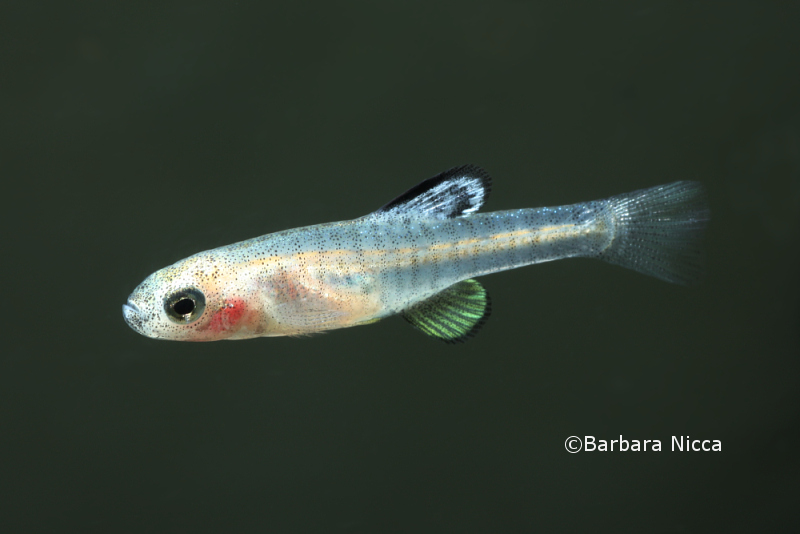
卵很细小,移动时避免直接夹碰。孵化水与亲鱼缸保持相同温度和化学条件,通常十二至十七天孵化。幼鱼先喂草履虫一类极小食物,数天后长大再转丰年虾无节幼体和微虫。
补充说明
体鳞近乎缺失、细长体形与锥形牙齿是其特点。历史资料在属名和鳞被描述上有混用,保留可靠来源比只凭“无鳞鳉”标签更重要。
图片
图片来自 SeriouslyFish,版权归各摄影者所有。
English
Overview
Endemic to Turkey's Lake Hazar, Kosswigichthys asquamatus is an elongated killifish with almost no body scales. It schools outside the breeding season. Particular dissolved salts appear important for normal egg and fry development, so suitable temperature alone does not establish appropriate water conditions.
Distribution & habitat
The species is confined to Lake Hazar in southeastern Anatolia's eastern Taurus region, not Iran. Historical irrigation drainage greatly lowered the lake. Its restricted range, continuing pollution, and siltation leave the population vulnerable to environmental change.
Lake water is hard, alkaline, and rich in magnesium chloride. Fish use open water more than many related toothcarps, with males establishing breeding sites around algal rocks in warmer months.
Aquarium setup
Fine yarn mops, filamentous algae, and other cover provide refuges and attachment surfaces. Marine salt at about 1–2 g/L is recommended, which can limit ordinary fine-leaved plant growth. Bare bottoms or inert sand and gravel are options; strong current is unnecessary.
Alkaline, mineral-rich conditions are important. Gypsum and Epsom salts have been used to support egg and fry development, but no precise recipe is supplied, so an arbitrary dosage cannot be inferred. Provide several cool winter months rather than constant warmth, which may reduce reproduction and longevity. Outdoor care and some natural sunlight depend on a suitable local climate.
Diet & feeding
Historical feeding advice for the related group includes small live or frozen brine shrimp, water fleas, and bloodworms, with dry foods usually learned. Regular feeding is especially relevant during spring and summer reproduction. A Spirulina-containing preparation can supplement a system lacking filamentous algae.
Behaviour & compatibility
A dedicated breeding group is preferable, ideally with two or three females per male. Males are relatively less aggressive than some relatives, and schooling occurs outside reproduction. Breeding still requires room for separate sites and retreats.
Sexual dimorphism
Males have around eleven to fifteen dark bars and small head spots, becoming much darker when breeding. Females are larger and plainer, with flank blotches and clearer fins.
Breeding
Repeated small spawnings generally occur from April through September. Males court within temporary territories, and eggs attach to algae or other surfaces with fine filaments. Daily checks and transfer of egg-bearing material help reduce losses to predation.
The tiny eggs require careful handling without direct gripping. Match incubation water to the adults in temperature and chemistry. Hatching usually takes twelve to seventeen days. Begin with infusoria-sized foods, then move to newly hatched brine shrimp or microworms after several days of growth.
Notes
Nearly absent scales, an elongated body, and conical teeth characterize the fish. Historical accounts mix genus names and scale descriptions, making reliable provenance more useful than a general scaleless killifish label.
来源
- https://www.seriouslyfish.com/species/aphanius-asquamatus(抓取于 2026-10-10)
kosswigichthys-asquamatus · 文件: data/species/kosswigichthys-asquamatus.md · 状态: 草稿