美国旗鱼 · Florida Flagfish
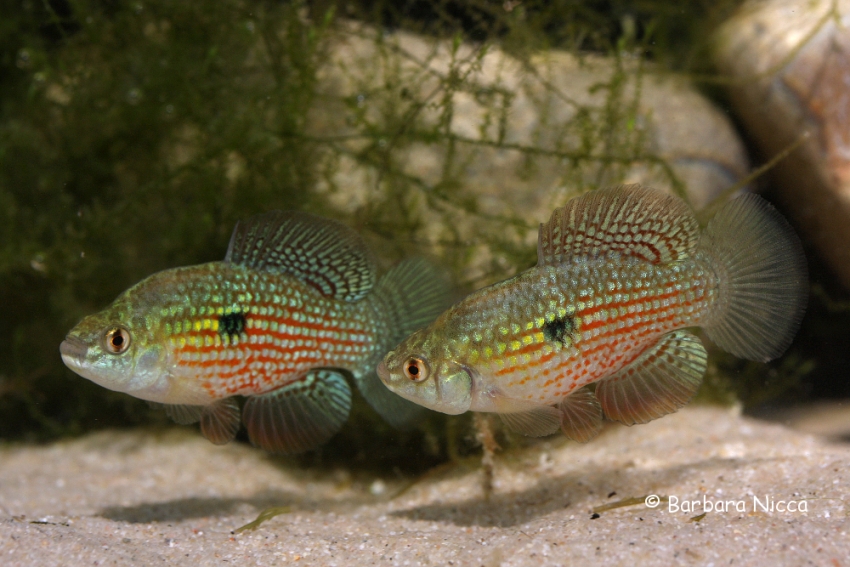
概要
| 字段 | 值 |
|---|---|
| 类别 | 鱼 |
| 学名 | Jordanella floridae |
| 别名 | 喬氏鮰、Cyprinodon floridae、乔氏鮰 |
| 分类 | 鳉形目 Cyprinodontiformes › 鲤齿鳉科 Cyprinodontidae › Jordanella |
| 水体 | 淡水 |
| 原产地 | 美国佛罗里达半岛 |
| 成体体长 | 5.5 cm |
| 饲养难度 | 中等 |
| 最小水体 | 54 L |
| 最小缸长 | 60 cm |
| 群居方式 | 群游 |
| 外部数据 | seriouslyfish jordanella-floridae;fishbase 3209 |
| 食性 | 杂食 |
| 领地性 | 是 |
| 繁殖方式 | 产卵 |
水质参数
| 参数 | 耐受范围 | 最适范围 | 单位 |
|---|---|---|---|
| 水温 | 18–30 | — | °C |
| pH | 6.5–8.5 | — | — |
| 总硬度 | 2–20 | — | dGH |
概述
美国旗鱼(Jordanella floridae)来自佛罗里达半岛,雄鱼颜色鲜明,能摄食小型动物和藻类。它会分批持续产卵,雄鱼繁殖时有地盘意识;“挖坑、长时间护卵”的说法并不符合其实际繁殖方式。
分布与栖息地
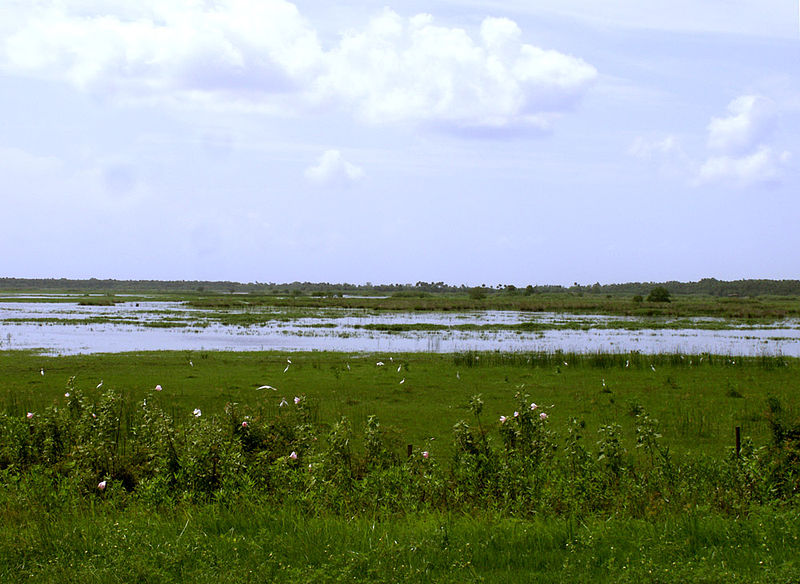
原生于美国佛罗里达半岛,奥克洛克尼河和圣约翰河流域以南,不分布于墨西哥。通常利用浅而杂草茂密的淡水回湾、沼泽、渠道和沟渠,偶尔也见于轻度半咸水。
饲养环境
底面积约 60 × 30 cm 只勉强适合一对,群养需更大空间。用水草、产卵拖把等形成遮蔽和视线阻隔,让雄鱼能分开活动。过滤以保护卵苗的气动海绵类型较适合。
照明不是关键,可适当保留丝状藻;布景重点是掩护和空间分隔,而非清除一切藻类。
食性与喂食
主要捕食小型水生甲壳类、虫、昆虫幼体等,也吃藻和其他植物性材料,属于兼食动植物的食性。多数能接受干饲料,仍宜规律搭配丰年虾、水蚤、红虫等小型活饵或冷冻饵。
缸中若没有丝状藻,应选含植物、最好含藻成分的优质干饲料补充,不能只喂动物性食物。
习性与混养
以单种饲养较合适,尤其计划繁殖时。若混养,应先核对伙伴习性,并提供足够空间。雄鱼会建立领地,但只要空间合适,通常可以同时养两条或更多雄鱼。
雌雄区分
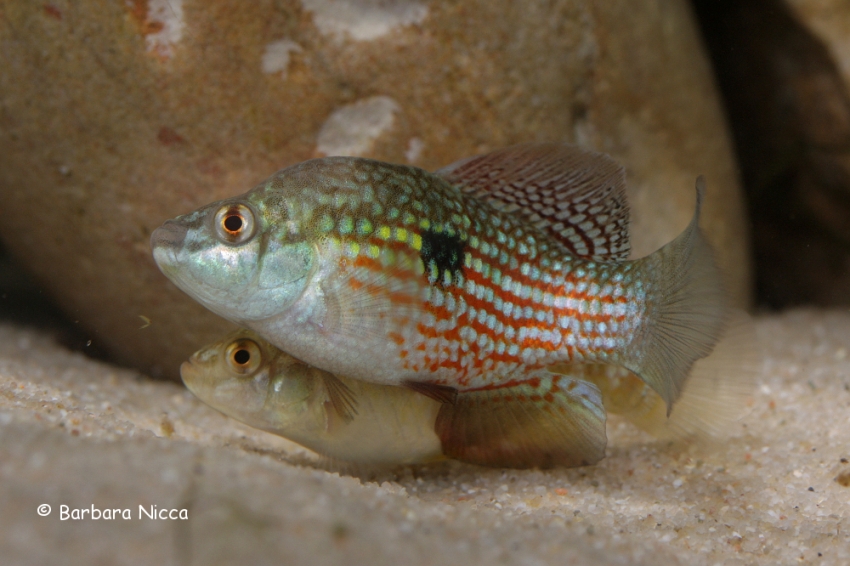
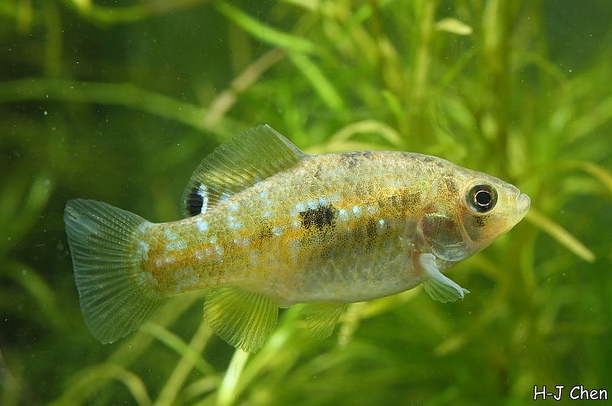
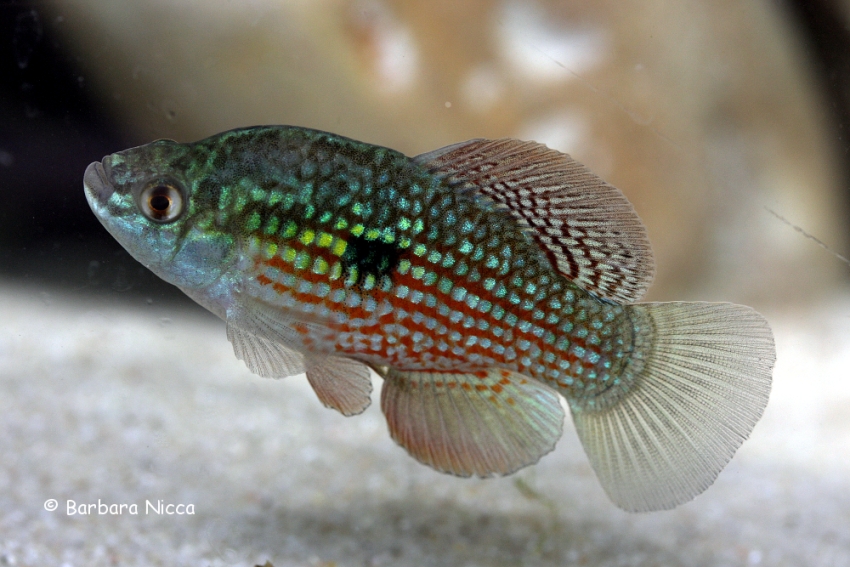
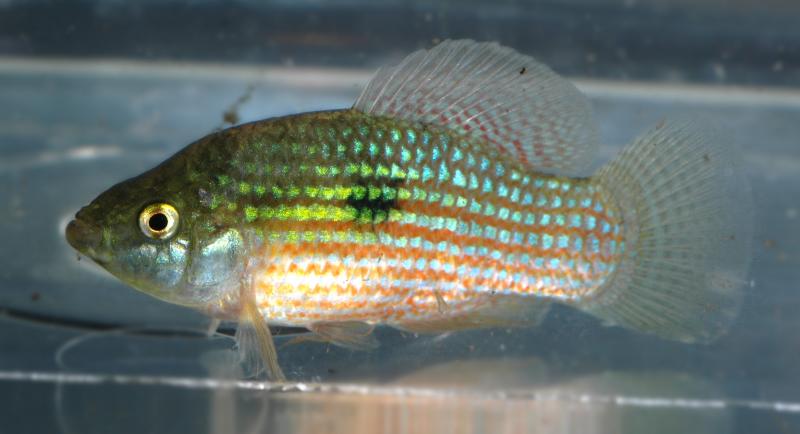
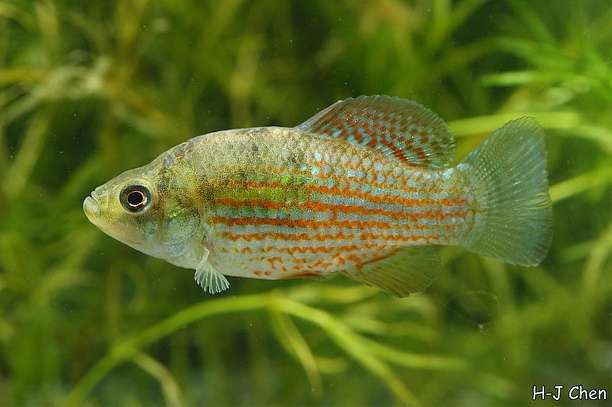
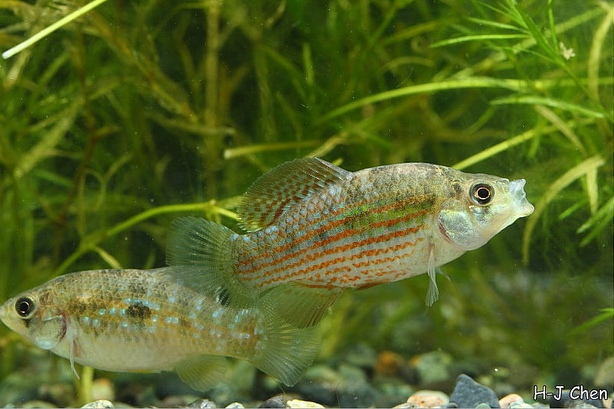
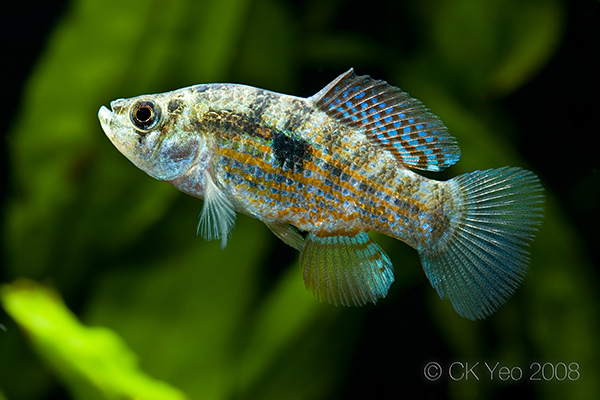
雄鱼背鳍和臀鳍更长,颜色明显更鲜艳,繁殖时尤其突出。雌鱼腹部较圆,抱卵时更明显,背鳍后部有雄鱼没有的深色斑块。
繁殖
不挖繁殖坑,也没有持续护幼。雌鱼会单粒或小批放卵,卵以细丝附着在藻或其他表面,产后双亲不再照顾。暖水中可较持续地产卵,但以自然春季和夏末的季节节律安排更合适。
雄鱼建立临时领地、驱赶对手并招引雌鱼。留卵原缸可能被吃一部分,但它并非特别贪吃卵,有足够掩护时可有鱼苗存活;提高育成数量的办法是收卵到温度、水质相同的独立缸。
卵随温度不同约七至十四天孵化,鱼苗自由游动后即可接受丰年虾无节幼体或微虫。
补充说明
本种长期被人工繁殖,贸易中也出现过短身“气球”型。体形极度缩短属于人工选育变化,辨识时不能把它当成野生型的正常轮廓。
图片
图片来自 SeriouslyFish,版权归各摄影者所有。
English
Overview
Jordanella floridae is a colorful Florida pupfish that consumes both small animals and algae. It releases eggs in repeated batches, with males becoming territorial during breeding. Accounts of nest digging and prolonged parental care do not describe its actual reproductive pattern.
Distribution & habitat
It is native to peninsular Florida south of the Ochlockonee and St. Johns drainages, rather than Mexico. Shallow, weedy freshwater backwaters, marshes, canals, and ditches are typical, with occasional records from slightly brackish water.
Aquarium setup
A base around 60 × 30 cm is barely sufficient for a pair; groups need more room. Plants and mops should create cover and interrupted sightlines so males can occupy separate areas. Air-driven sponge filtration is useful where eggs or fry may be present.
Lighting is secondary. Allowing some filamentous algae is beneficial, while shelter and visual separation matter more than eliminating every trace of algae.
Diet & feeding
Small aquatic crustaceans, worms, and insect larvae dominate its animal prey, but algae and other plant material are also eaten. Most individuals accept dry foods, supplemented regularly with suitable live or frozen brine shrimp, water fleas, or bloodworms.
Where filamentous algae are absent, include a good-quality dry food containing plant material, preferably algae. An exclusively animal-based menu misses part of its diet.
Behaviour & compatibility
A species aquarium is preferable, particularly for breeding. A carefully researched community is possible with enough room. Males establish territories, although two or more can usually coexist when accommodation is sufficient.
Sexual dimorphism
Males have more extended dorsal and anal fins and much brighter color, especially when breeding. Females are rounder-bellied when ripe and have a dark mark toward the rear of the dorsal fin that males lack.
Breeding
It does not excavate spawning pits or provide prolonged parental care. Females release eggs singly or in small batches, attaching them to algae or other surfaces by threads. Neither parent tends them afterward. Warm conditions can sustain frequent production, but a seasonal spring and late-summer pattern more closely follows nature.
Males defend temporary areas and court females within them. Some eggs may be eaten, though the species is not exceptionally voracious. Dense cover can allow a few young to grow alongside adults. For greater production, transfer eggs into a separate aquarium with matching temperature and chemistry.
Incubation usually takes seven to fourteen days depending on temperature. Free-swimming young can immediately take brine-shrimp nauplii or microworms.
Notes
The species has a long history of captive production, including occasional artificially shortened balloon forms. Such extreme body proportions are a breeding-line modification rather than the normal wild-type outline.
来源
- https://www.seriouslyfish.com/species/jordanella-floridae(抓取于 2026-10-10)
jordanella-floridae · 文件: data/species/jordanella-floridae.md · 状态: 草稿