亚马逊河矮丽鱼 · Zebra Acara
概要
| 字段 | 值 |
|---|---|
| 类别 | 鱼 |
| 学名 | Ivanacara adoketa |
| 别名 | 亚马孙河矮丽鱼、亞馬遜河矮麗魚 |
| 分类 | 慈鲷目 Cichliformes › 慈鲷科 Cichlidae › Ivanacara |
| 水体 | 淡水 |
| 成体体长 | 13 cm |
| 饲养难度 | 入门 |
| 群居方式 | 成对 |
| 领地性 | 是 |
| 外部数据 | seriouslyfish ivanacara-adoketa;fishbase 52354 |
| 原产地 | 巴西 |
| 食性 | 肉食 |
| 繁殖方式 | 附着产卵 |
水质参数
| 参数 | 耐受范围 | 最适范围 | 单位 |
|---|---|---|---|
| 水温 | 22.2–28.9 | — | °C |
| 总硬度 | 0–10 | — | dGH |
概述
亚马逊河矮丽鱼(Ivanacara adoketa)是尼格罗河黑水慈鲷,行动较慢、性格退缩,但雄鱼之间会争领地。繁殖的关键是极低硬度,成鱼能存活的较硬水并不保证卵能正常发育。
分布与栖息地
似乎限于巴西尼格罗河中上游。旱季生活在林冠浓密的小溪与支流,水深茶色、矿物质几乎测不到,落叶和树根丰富;雨季水位上升后可进入淹没林觅食、繁殖。
饲养环境
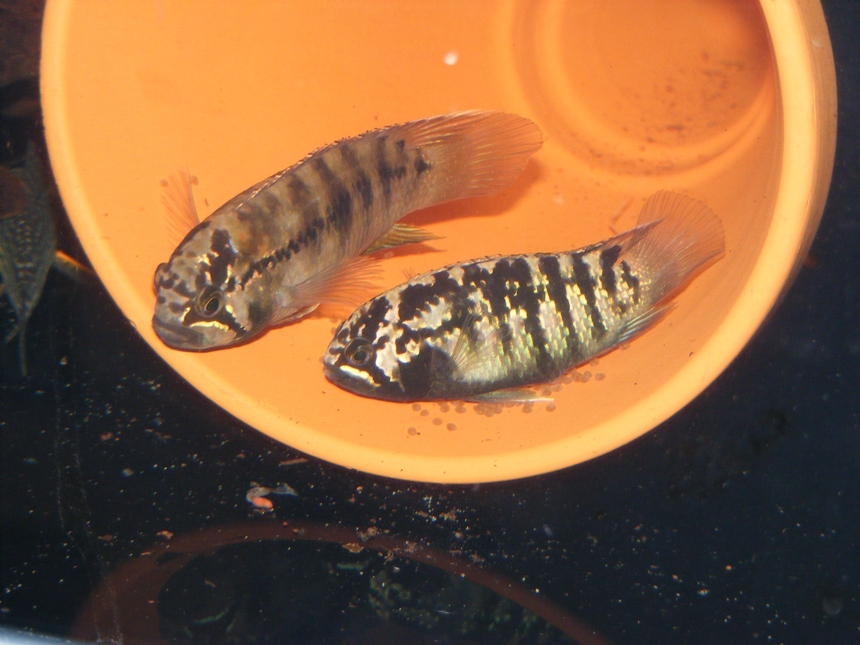
一对建议至少约 90 × 40 厘米底面,多条需更大。细沙、沉木和多个洞穴提供分隔,陶罐等人工结构也可用,干落叶提供黑水质感与微型食物生长面。弱光、浮水遮荫及低流量过滤合适。野生鱼比人工繁殖鱼更依赖很软、很酸的条件,不能只看统一硬度上限。
食性与喂食
主要捕食小型甲壳类、蠕虫、昆虫幼虫和浮游动物。初期可能拒绝干粮,每天提供适口活饵或冷冻食物,如水蚤、丰年虾幼体、微虫;可在观察摄食基础上逐步训练干粮。
习性与混养
优先单种成对饲养。混养只能选择小型、温和且不抢食的伙伴,大型活泼鱼容易压制它。除非缸很大,避免多雄;从幼鱼群自然配对后及时分开其余鱼。
雌雄区分
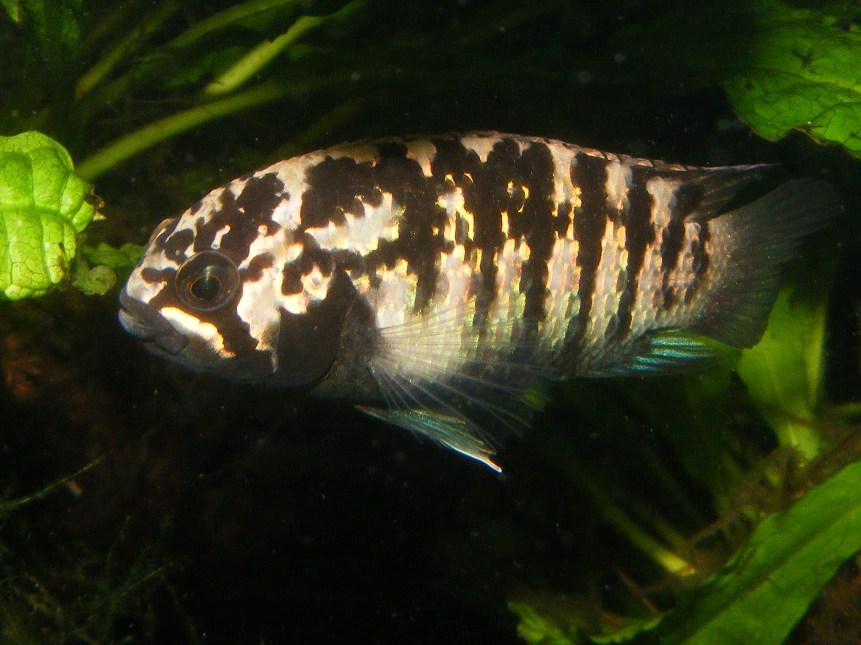
繁殖雄鱼黑白条纹更鲜明,雌鱼多偏粉色,但繁殖或紧迫时也会呈深条纹;雄鱼背鳍、臀鳍可能延长。
繁殖
双亲基面产卵,通常优先使用洞穴。卵和胚胎正常发育需几乎测不到的硬度,常需反渗透水;过滤以轻缓海绵为宜。可由成年雌雄或幼鱼自然配对,开始可能有追逐,配对后把其他个体分开。
补充说明
旧名称曾置于矮丽鱼属,现有学名保留 Ivanacara 属。
图片
图片来自 SeriouslyFish,版权归各摄影者所有。
English
Overview
A retiring blackwater cichlid, Ivanacara adoketa can still show strong male territorial rivalry. Its most important breeding distinction is the need for almost mineral-free water: adult survival in somewhat harder water does not imply successful egg development.
Distribution & habitat
It appears restricted to the middle and upper Negro system in Brazil. Deeply shaded dry-season streams contain dark low-mineral water and abundant leaves and roots. Rising wet-season water opens flooded forest habitat.
Aquarium setup
Allow at least a 90 by 40 cm footprint for a pair. Sand, wood, leaves and caves create sheltered areas, with artificial structures also useful. Keep lighting subdued and filtration gentle. Wild fish need much softer, more acidic conditions than the broader tolerance of captive-raised adults might suggest.
Diet & feeding
Small aquatic animals form the natural diet. Newly acquired fish may refuse prepared food, so offer appropriately sized live or frozen meals daily. Acceptance of dry alternatives can develop over time.
Behaviour & compatibility
A dedicated pair setup is preferable. If companions are used, choose small calm fishes that will not monopolize food. Male rivalry makes multiple males unsuitable for most enclosures. Separate surplus fish after natural pairing from juveniles.
Sexual dimorphism
Breeding males show especially distinct dark-and-light stripes. Females are often pinker but also darken into stripes when breeding or stressed. Males may have elongated dorsal and anal fins.
Breeding
Both parents care for a substrate-spawned brood, preferably inside a cave. Successful embryos require little or no detectable hardness, often necessitating reverse-osmosis water. Gentle sponge filtration is appropriate. Pairs may form from adults or a juvenile group, but surplus individuals need separation once bonding occurs.
Notes
Older literature may place this species in Nannacara; the current entry retains Ivanacara.
来源
- https://www.seriouslyfish.com/species/ivanacara-adoketa(抓取于 2026-10-10)
ivanacara-adoketa · 文件: data/species/ivanacara-adoketa.md · 状态: 草稿