盖氏蜥形脂鲤
概要
| 字段 | 值 |
|---|---|
| 类别 | 鱼 |
| 学名 | Iguanodectes geisleri |
| 别名 | 蓋氏蜥形脂鯉 |
| 分类 | 脂鲤目 Characiformes › 蜥形脂鲤科 Iguanodectidae › Iguanodectes |
| 水体 | 淡水 |
| 原产地 | 巴西、委内瑞拉 |
| 成体体长 | 5.5 cm |
| 饲养难度 | 中等 |
| 最小水体 | 108 L |
| 最小缸长 | 120 cm |
| 群居方式 | 群游 |
| 性情 | 温和 |
| 外部数据 | seriouslyfish iguanodectes-geisleri;fishbase 51946 |
水质参数
| 参数 | 耐受范围 | 最适范围 | 单位 |
|---|---|---|---|
| 水温 | 20–26 | — | °C |
| pH | 5–7 | — | — |
| 总硬度 | 1–5 | — | dGH |
概述
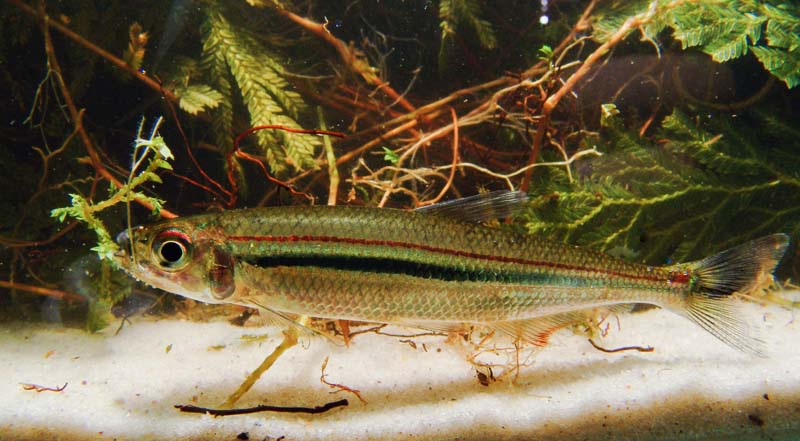
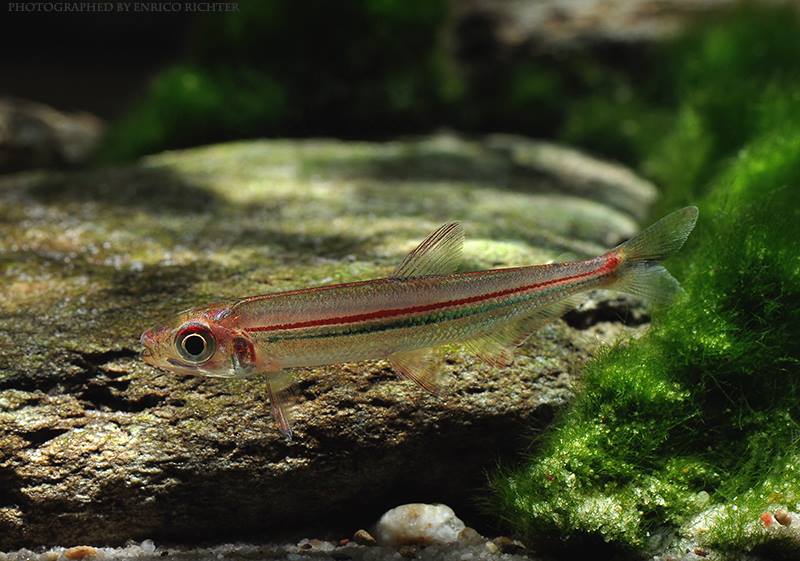
盖氏蜥形脂鲤(Iguanodectes geisleri)侧面红线下方还有黑色纵纹,是区分阿氏蜥形脂鲤(Iguanodectes adujai)的重要线索。它适合成熟的软水群养环境,雌雄混合时雄鱼会展现更鲜明体色。
分布与栖息地
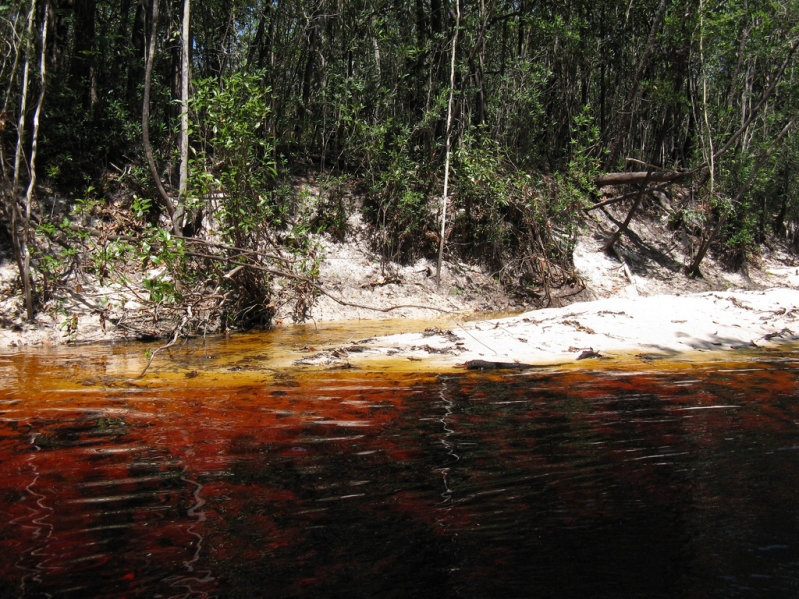
记录来自巴西亚马孙水系的马德拉河和内格罗河,以及委内瑞拉奥里诺科河上游。模式产地在内格罗河中游支流茹法里斯河所属帕里卡溪,马德拉河的马尔梅洛斯保护区也有记录。
推测生活于洁净黑水小支流,岸边植被密集,水底铺满根枝和落叶,水通常偏酸、矿物含量低。也可能进入奥里诺科清水、沙底且植被丰富的棕榈沼泽溪流。修长体形提示可能适应流水,但没有充分依据直接要求强流饲养。
饲养环境
底面积至少约 120 × 30 cm。可用沙底、沉木根枝和植物组成环境,干落叶增加遮蔽,分解产生的微生物亦可为成鱼及幼鱼补充食物。无需专门用天然泥炭营造环境。
水质不良会影响本种,只能在生物过滤成熟且参数稳定的缸中引入。
食性与喂食
天然食性可能为杂食,摄食小型无脊椎动物、甲壳动物、丝藻、落果等。缸内不要长期仅靠干粮,宜轮换红虫、蚊幼体、水蚤等小型活饵或冷冻饵。
习性与混养
总体温和,适合经过匹配的混养缸。可选择体型相近的温和脂鲤、胸斧鱼、铅笔鱼、小型底层鲶鱼或不捕食小鱼的中小型慈鲷。
建议雌雄混合至少 8~10 条,并可有其他温和群游鱼增强安全感。雄鱼争夺雌鱼或群体地位时会增色,雌鱼较多有助于避免个别鱼被持续追逐。
雌雄区分
成年雄鱼胸鳍、腹鳍、臀鳍和尾鳍有红色斑纹,雌鱼缺少这些红色标记。
补充说明
本种背鳍起点接近身体中点,臀鳍起点在背鳍之后,臀鳍鳍条约 20~25 条。阿氏蜥形脂鲤则背鳍更靠后、臀鳍起点在背鳍下方,臀鳍鳍条约 28~34 条,且红线下无黑纵纹。
两种可能同批输入并共用商品名,选购和保留种群时应结合多项特征识别。
图片
图片来自 SeriouslyFish,版权归各摄影者所有。
English
Overview
A black stripe beneath the red flank line helps distinguish Iguanodectes geisleri from Iguanodectes adujai. A mature soft-water aquarium and a mixed-sex group allow its social displays and male coloration to be seen well.
Distribution & habitat
Records include Brazil's Madeira and Negro systems and Venezuela's upper Orinoco. The type locality is Paricá stream in the Jufaris drainage of the middle Negro. It also occurs in the Madeira basin's Marmelos Conservation Area.
Small pristine blackwater tributaries are presumed habitat, with dense bankside vegetation and fallen wood and leaves. Water is typically acidic and mineral-poor. Clear sandy morichal environments in the Orinoco may also be used. Body shape suggests a possible association with flowing water, but does not establish a requirement for strong current.
Aquarium setup
Provide at least about 120 × 30 cm of floor space. Sand, roots, branches, and plants create a suitable setting. Fallen leaves add cover and support microorganisms that supplement food for adults and young. Natural peat is not required.
Introduce fish only to established biological filtration and stable conditions, as poor water quality is not tolerated well.
Diet & feeding
Omnivory is suggested rather than confirmed in nature, with possible foods including small invertebrates, crustaceans, algae, and fallen fruit. In captivity, supplement preparations with varied live or frozen bloodworms, mosquito larvae, and water fleas.
Behaviour & compatibility
Generally peaceful, it can join a carefully matched community. Similar-sized characins, hatchetfishes, pencilfishes, small bottom catfishes, and nonpredatory small or medium cichlids are candidates.
Keep at least eight to ten of both sexes, potentially alongside other peaceful schooling fishes for confidence. Males intensify in color while competing for females or rank. More females than males helps reduce concentrated attention.
Sexual dimorphism
Adult males show red marks in the pectoral, pelvic, anal, and caudal fins that females lack.
Notes
The dorsal fin begins around midbody and the anal fin behind it, with approximately 20–25 anal rays. In I. adujai, the dorsal begins farther back, the anal starts beneath it, and counts are around 28–34; that relative also lacks the black stripe below the red line.
Shared trade names and mixed imports make combined pattern and fin characters useful for identification.
来源
- https://www.seriouslyfish.com/species/iguanodectes-geisleri(抓取于 2026-10-10)
iguanodectes-geisleri · 文件: data/species/iguanodectes-geisleri.md · 状态: 草稿