斯氏魮脂鲤 · Savanna Tetra
概要
| 字段 | 值 |
|---|---|
| 类别 | 鱼 |
| 学名 | Hyphessobrycon stegemanni |
| 别名 | 斯氏魮脂鯉 |
| 分类 | 脂鲤目 Characiformes › 脂鲤科 Characidae › Hyphessobrycon |
| 水体 | 淡水 |
| 原产地 | 巴西中部托坎廷斯河中游及阿拉瓜亚河流域 |
| 成体体长 | 3.5 cm |
| 饲养难度 | 入门 |
| 最小水体 | 54 L |
| 最小缸长 | 60 cm |
| 群居方式 | 群游 |
| 性情 | 温和 |
| 外部数据 | seriouslyfish hyphessobrycon-stegemanni;fishbase 12386 |
水质参数
| 参数 | 耐受范围 | 最适范围 | 单位 |
|---|---|---|---|
| 水温 | 20–25 | — | °C |
| pH | 5.5–7.5 | — | — |
| 总硬度 | 2–12 | — | dGH |
概述
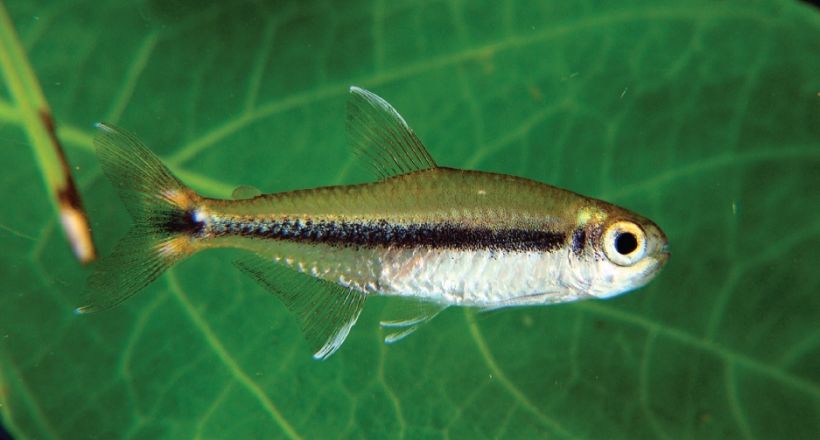
斯氏魮脂鲤(Hyphessobrycon stegemanni)是身体带连续暗色纵纹的小型群居灯鱼,性情温和,适合安静混养。它的名字在贸易中常被误用,不能仅凭一条黑色侧线鉴定。
分布与栖息地
原生于巴西中部托坎廷斯河中游和阿拉瓜亚河流域,涉及马拉尼昂、托坎廷斯、帕拉及马托格罗索州。多数记录来自托坎廷斯主河道以东、因佩拉特里斯至帕尔马斯之间,阿拉瓜亚水系记录较少。
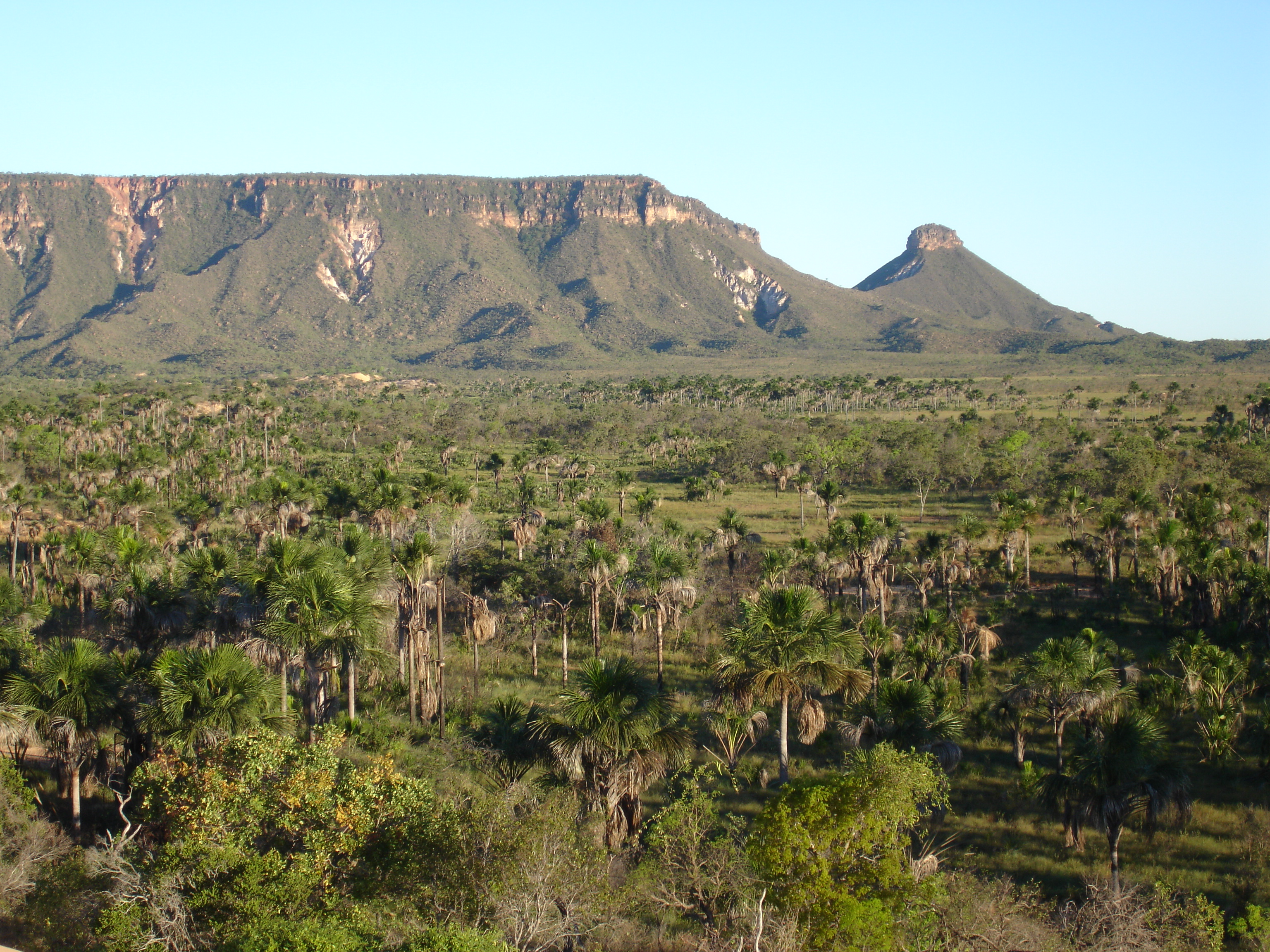
分布大多位于塞拉多稀树草原区,支流沿岸常有廊道森林。溪流受明显干湿季影响,底部可由基岩、大小石块、树根、倒枝和落叶组成。筑坝和农业开垦是这一地区水系的重要压力。
饲养环境
底面积约 60 × 30 cm 起步。可用细砂、沉木和枝条搭配遮蔽,也适合密植水草缸。干燥落叶既提供躲藏处,又可培养供成鱼和幼鱼补充取食的微生物。
食性与喂食
野外可能兼食小型无脊椎动物、甲壳类、丝状藻和落果。日常可喂适口干粮,并轮换红虫、蚊幼虫、水蚤等活饵或冷冻饵,避免食物过于单一。
习性与混养
建议至少八至十条雌雄混养。适合体型相近的温和灯鱼、小型鲶鱼和不捕食小鱼的中小型慈鲷,其他安静的群游鱼也有助于它们更自然地活动。
雌雄区分
成熟雌鱼通常略大,身体明显比雄鱼更高、更饱满。
补充说明
本种侧面暗纹连续,肩部没有明显独立斑块。成年雄鱼的背鳍和臀鳍不特别延长,尾鳍鳞片主要限于基部;这些特点有助于排除贸易中经常混用名称的近似鱼。
图片
图片来自 SeriouslyFish,版权归各摄影者所有。
English
Overview
The savanna tetra (Hyphessobrycon stegemanni) is a small, peaceful schooling fish with an uninterrupted dark side stripe. Its name has often been used for a different tetra, so the stripe alone is insufficient for identification.
Distribution & habitat
It is native to the middle Tocantins and Araguaia basins in central Brazil, across parts of Maranhão, Tocantins, Pará, and Mato Grosso. Most records lie east of the Tocantins main channel between Imperatriz and Palmas; Araguaia records are scarcer.
Much of the range falls within the cerrado woodland and savanna region. Tributaries often run through gallery forest and experience pronounced wet and dry seasons. Their beds combine rock with stones, roots, branches, and fallen leaves. Dams and agricultural clearing put pressure on these river systems.
Aquarium setup
Begin with a footprint around 60 × 30 cm. Sand, roots, and branching wood provide an appropriate layout, while a densely planted aquarium is another option. Dried leaves add shelter and support microorganisms that supplement the food available to adults and fry.
Diet & feeding
Wild fish probably eat small invertebrates, crustaceans, filamentous algae, and fallen fruit. Provide suitably sized dried foods along with varied live or frozen foods such as bloodworms, mosquito larvae, and water fleas.
Behaviour & compatibility
Keep at least eight to ten of both sexes. Peaceful tetras of comparable size, small catfishes, and suitable nonpredatory cichlids are potential companions. Other calm schooling fishes can encourage a more confident display.
Sexual dimorphism
Mature females are slightly larger and noticeably deeper and fuller-bodied than males.
Notes
The dark stripe is continuous and lacks a conspicuous separate shoulder blotch. Adult males do not develop especially elongated dorsal or anal fins, and tail scales are largely confined to the base. These features help distinguish a lookalike frequently sold under this name.
来源
- https://www.seriouslyfish.com/species/hyphessobrycon-stegemanni(抓取于 2026-10-10)
hyphessobrycon-stegemanni · 文件: data/species/hyphessobrycon-stegemanni.md · 状态: 草稿