柠檬灯 · Lemon Tetra
概要
| 字段 | 值 |
|---|---|
| 类别 | 鱼 |
| 学名 | Hyphessobrycon pulchripinnis |
| 别名 | 麗鰭魮脂鯉、丽鳍魮脂鲤 |
| 分类 | 脂鲤目 Characiformes › 脂鲤科 Characidae › Hyphessobrycon |
| 水体 | 淡水 |
| 原产地 | 巴西;塔帕若斯河和欣古河相关记录的种类归属与范围仍有争议 |
| 成体体长 | 4 cm |
| 饲养难度 | 入门 |
| 最小水体 | 72 L |
| 最小缸长 | 80 cm |
| 群居方式 | 群游 |
| 性情 | 温和 |
| 外部数据 | seriouslyfish hyphessobrycon-pulchripinnis;fishbase 10656 |
| 繁殖方式 | 散卵 |
水质参数
| 参数 | 耐受范围 | 最适范围 | 单位 |
|---|---|---|---|
| 水温 | 20–28 | — | °C |
| pH | 5–7.5 | — | — |
| 总硬度 | 1–12 | — | dGH |
概述
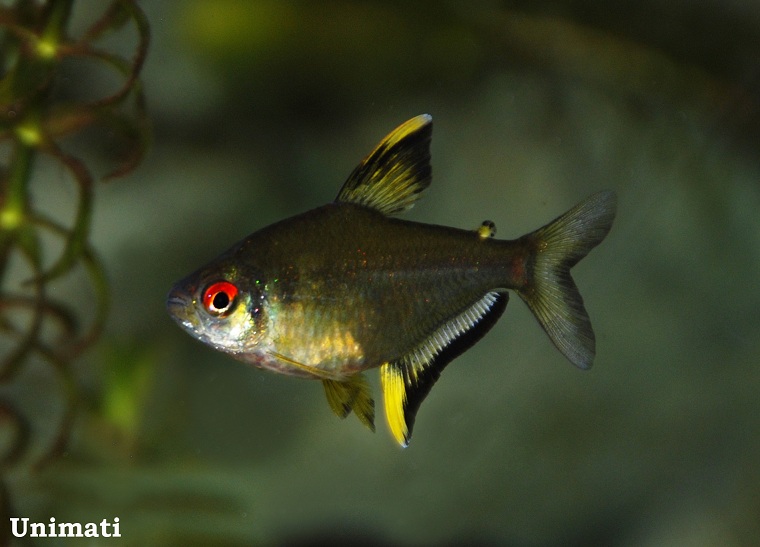
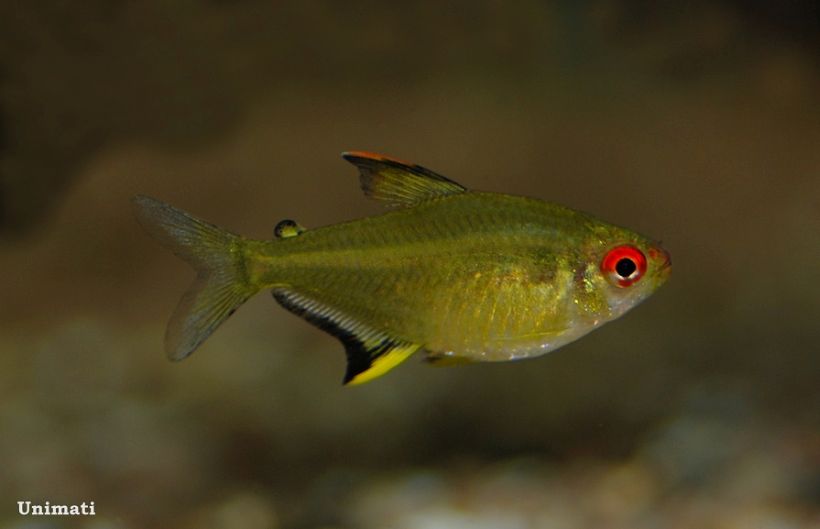
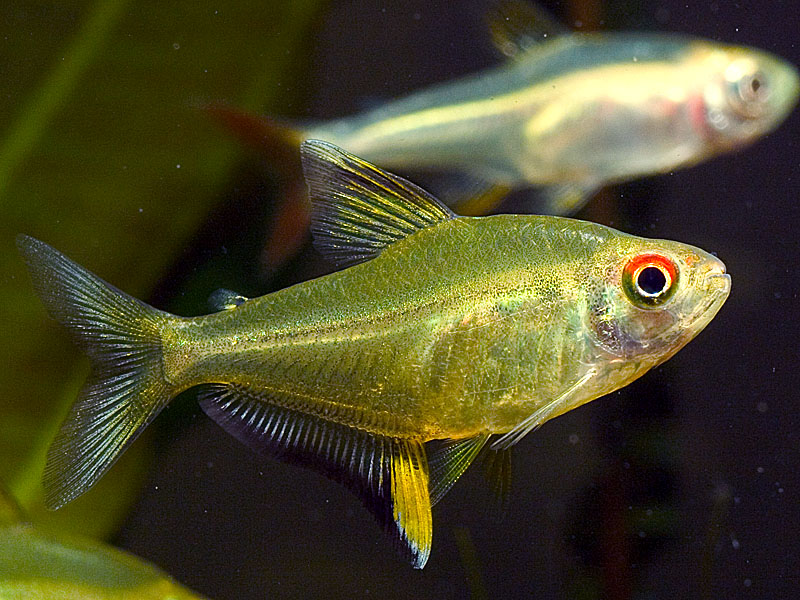
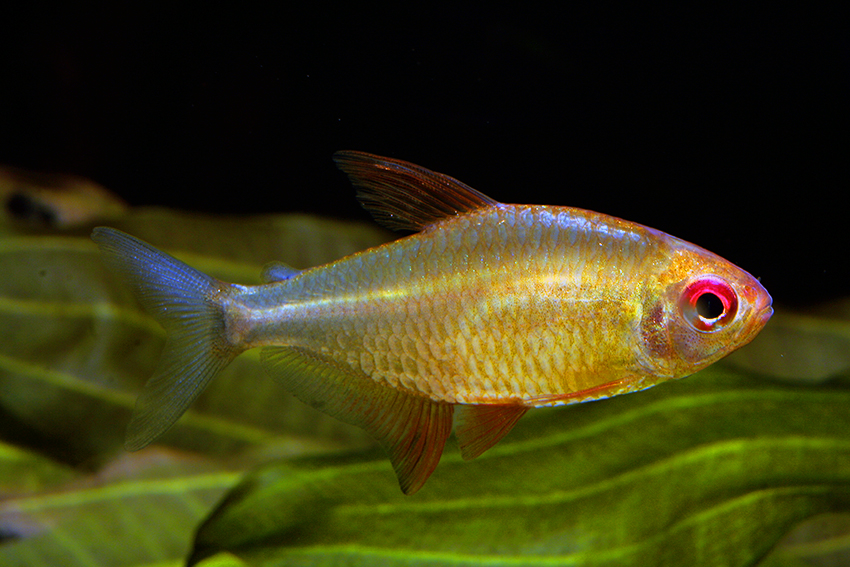
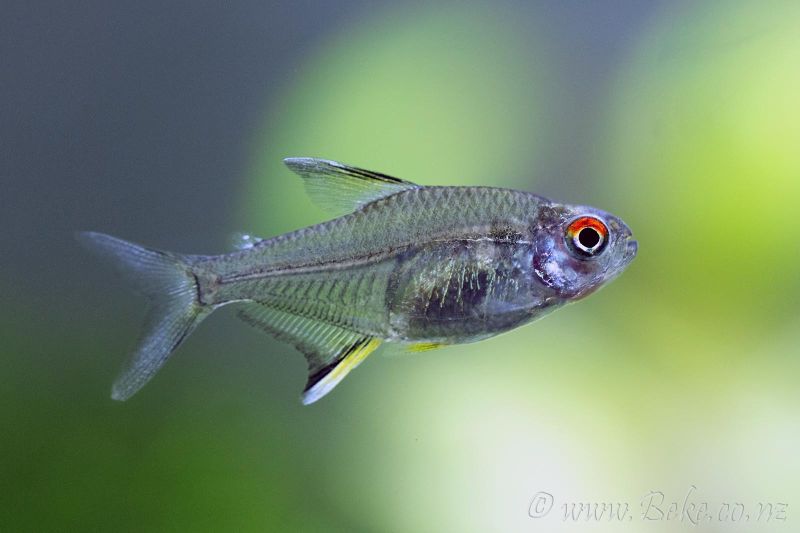
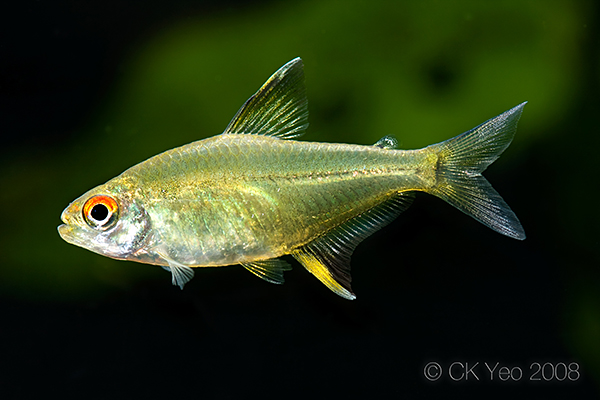
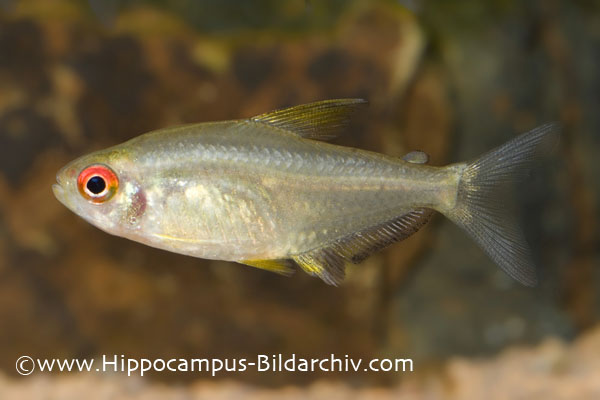
柠檬灯(Hyphessobrycon pulchripinnis)以黄绿体色和黄黑相间的鳍纹闻名,性情温和,已有商业繁育及白化品系。群养时雄鱼展示和争取雌鱼注意的行为,是观赏的一部分。
分布与栖息地
相关野外记录来自巴西,多数标作塔帕若斯河水系,欣古河下游也曾拍到与常见水族品系一致的鱼。不过模式标本来自水族个体,确切产地不明,塔帕若斯河橙红型与常见柠檬型是否同种仍有争议,不能把两者范围简单合并为确定分布。
自然环境可能以小支流、小河、牛轭湖和淹水森林为主,而非主河槽。
饲养环境
底面积至少约 80 × 30 cm,可用砂底、根木与枝条,或采用密植水草布置。干燥落叶能提供额外遮蔽,其上的微生物也给成鱼和幼鱼增加少量食物来源。
食性与喂食
可能兼食小型无脊椎动物、甲壳类、藻类和落果。干饲料之外,定期提供适口红虫、蚊幼虫、水蚤等活饵或冷冻饵,饮食多样更有利于状态和发色。
习性与混养
适合与体型相近的温和灯鱼、小型鲶鱼及不会吞食它们的中小型慈鲷混养。至少八至十条雌雄混养;雄鱼会建立临时优势顺序,彼此展示,在较完整的群体中行为和颜色更丰富。
雌雄区分
成年雄鱼往往略小、身体较窄,背鳍和臀鳍的色彩尤其鲜明;雌鱼相对更高、更饱满。
繁殖
散卵且不护幼,成熟缸偶尔能自然留下少量幼鱼。专门繁殖可设昏暗小缸,用成熟水体及轻柔充氧,以网格、玻璃珠、细叶植物或产卵拖把保护卵。
繁殖用水略酸至中性,温度位于合适范围偏高端。亲鱼充分调养后放入一对,或一两条雄鱼配数条雌鱼,常在次晨发现卵。幼鱼先喂草履虫或足够细的微粒饵,随后逐渐转喂丰年虾无节幼体和微虫。
补充说明
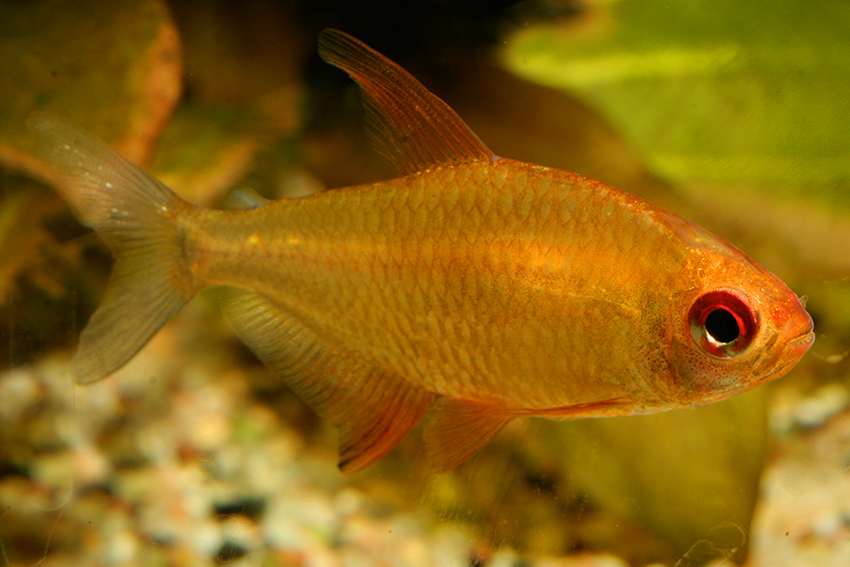
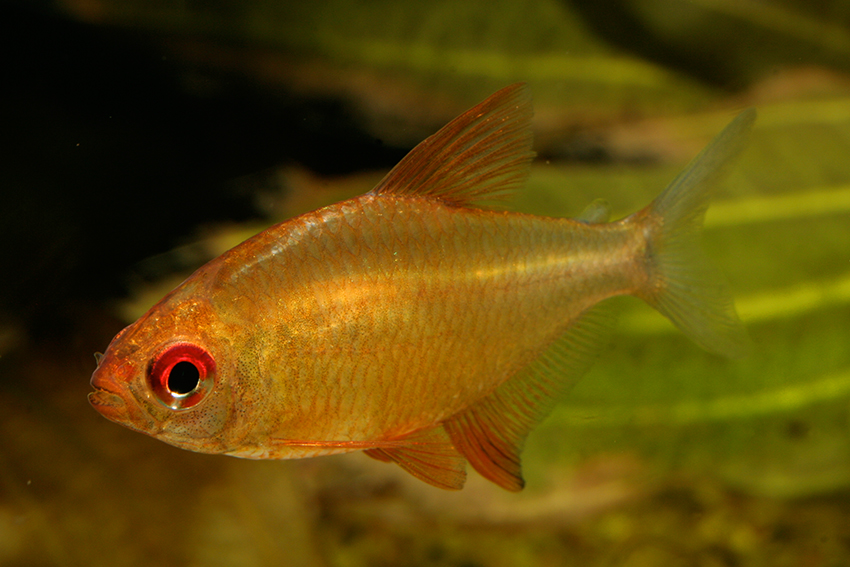
所谓橙红型在眼色、鳍色及雄鱼背鳍延长程度等方面有差别,但也有中间型个体。“玻利维亚橙”之类贸易名不能作为实际产地依据。
图片
图片来自 SeriouslyFish,版权归各摄影者所有。
English
Overview
Lemon tetras (Hyphessobrycon pulchripinnis) combine a greenish-yellow body with contrasting fin markings. They are peaceful, commercially bred fishes, with an albino form also available. Displays between males add interest to a well-sized group.
Distribution & habitat
Wild records attributed to the species come from Brazil, chiefly the Tapajós system. Fish matching the familiar aquarium form have also been photographed in the lower Xingu. However, the original description used aquarium specimens of uncertain origin, and the orange-red Tapajós form may represent a different species. These records cannot simply be combined into a settled range.
Small tributaries, rivers, oxbows, and flooded forest are thought to be more typical habitats than main river channels.
Aquarium setup
Provide a footprint of roughly 80 × 30 cm or more. Sand with roots and branches, or dense planting, works well. Dried leaves offer additional shelter and foster microorganisms that supplement the food available to adults and fry.
Diet & feeding
Wild fish probably consume small invertebrates, crustaceans, algae, and fallen fruit. Combine dried foods with suitably sized live or frozen foods, including bloodworms, mosquito larvae, and water fleas, to support condition and coloration.
Behaviour & compatibility
Peaceful companions of comparable size, small catfishes, and appropriate nonpredatory cichlids are suitable choices. Keep at least eight to ten of both sexes. Males form temporary dominance relationships and display to competitors and females, producing more interesting behavior in a substantial group.
Sexual dimorphism
Adult males tend to be slightly smaller and slimmer, with stronger dorsal and anal fin colors. Females are deeper and fuller-bodied.
Breeding
Eggs are scattered without parental care, and a mature aquarium may occasionally produce surviving fry. For more controlled breeding, use a dim tank with established water, gentle aeration, and mesh, marbles, fine plants, or spawning mops that protect eggs from adults.
Slightly acidic to neutral water toward the warmer end of the suitable range is recommended. Introduce a conditioned pair or one or two males with several females; eggs often appear by the next morning. Begin fry on infusoria or very fine prepared food, progressing to brine shrimp nauplii and microworms as they grow.
Notes
The orange-red form differs in eye and fin colors and male dorsal fin extension, although intermediate-looking fish also occur. Trade labels implying a Bolivian origin should not be taken as locality evidence.
来源
ID:hyphessobrycon-pulchripinnis · 文件: data/species/hyphessobrycon-pulchripinnis.md · 状态: 草稿