佩鲁魮脂鲤 · Peruvian Tetra
概要
| 字段 | 值 |
|---|---|
| 类别 | 鱼 |
| 学名 | Hyphessobrycon peruvianus |
| 别名 | 佩魯魮脂鯉 |
| 分类 | 脂鲤目 Characiformes › 脂鲤科 Characidae › Hyphessobrycon |
| 水体 | 淡水 |
| 原产地 | 秘鲁亚马逊河上游流域 |
| 成体体长 | 4 cm |
| 饲养难度 | 中等 |
| 最小水体 | 54 L |
| 最小缸长 | 60 cm |
| 群居方式 | 群游 |
| 性情 | 温和 |
| 外部数据 | seriouslyfish hyphessobrycon-peruvianus;fishbase 12382 |
| 繁殖方式 | 散卵 |
水质参数
| 参数 | 耐受范围 | 最适范围 | 单位 |
|---|---|---|---|
| 水温 | 22–27 | — | °C |
| pH | 5–7 | — | — |
| 总硬度 | 2–10 | — | dGH |
概述
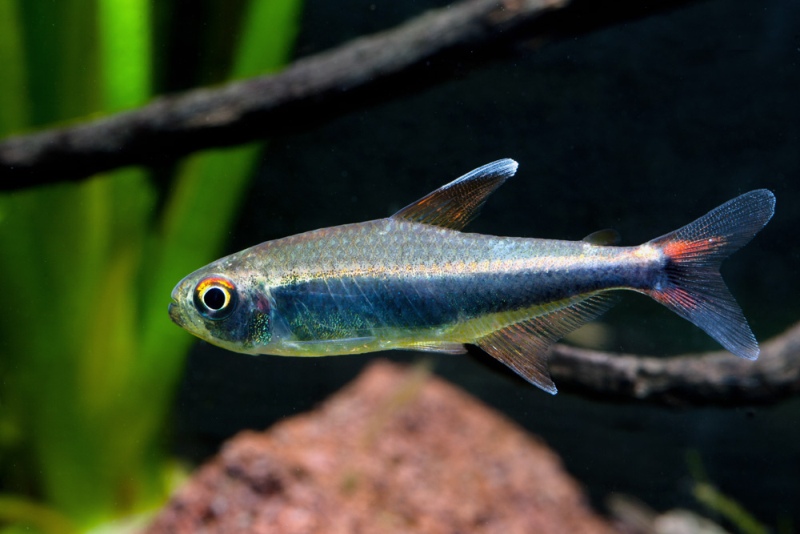
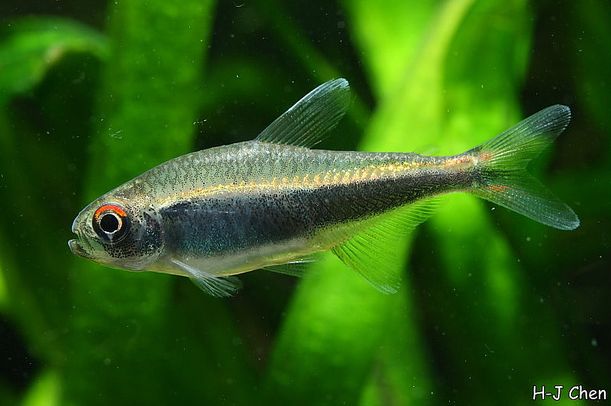
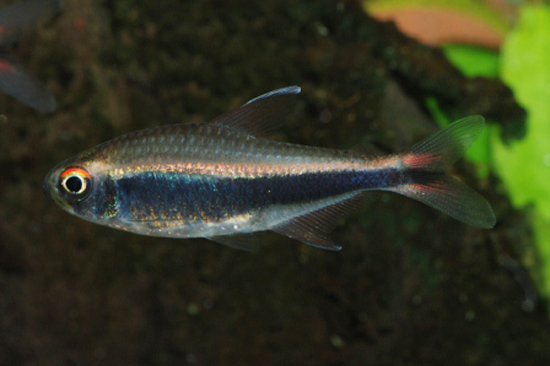
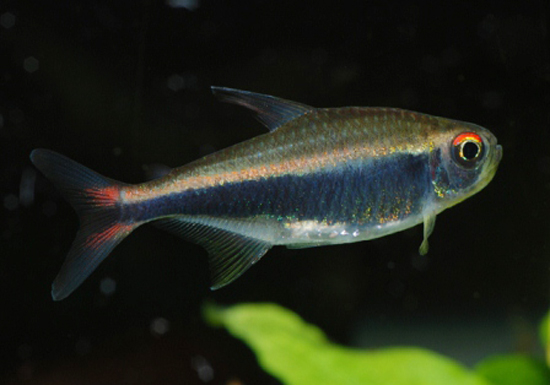
佩鲁魮脂鲤(Hyphessobrycon peruvianus)体形较修长,是适合安静混养的群居灯鱼。它容易与近似种混淆,尾鳍中央延伸至鳍条末端的暗带,以及两叶尾鳍基部的红斑,是实用辨识线索。
分布与栖息地
已知分布限于秘鲁亚马逊河上游,包括马拉尼翁、纳波、伊塔亚、蒂格雷、科连特斯和乌卡亚利等河流。多次采集来自浅小支流,岸上植被遮阴,水下有枝条、树根和落叶,水色通常像淡茶。
饲养环境
底面积约 60 × 30 cm 起步,可用细砂、根木和枝条,也可布置密植草缸。光照宜柔和,选择耐阴植物并用部分浮水植物遮光。落叶可增加遮蔽与幼鱼可利用的微生物。
它不耐有机污染积累,只应放入过滤已成熟的缸,定期每周换水应作为日常维护的一部分。
食性与喂食
自然食性可能是机会性杂食,取食水生无脊椎动物、落果等。缸内可用优质薄片或细颗粒,搭配小型红虫、水蚤、丰年虾等活饵或冷冻饵,部分干粮应含植物或藻类成分。
习性与混养
一般温和,建议至少八至十条雌雄混养。可选择体型相近的温和灯鱼、小型鲶鱼和不捕食小鱼的中型慈鲷;其他安静群游鱼也有助于它们安心活动。
雌雄区分
状态好的成年雄鱼通常颜色稍浓。雌鱼略大、体形较圆,抱卵时尤其明显。
繁殖
以散卵方式繁殖,不照顾卵或幼鱼。
补充说明
除了尾部花纹,较细长的身体、窄尾柄与偏短圆的吻部也有助于区分近似种。它曾在水族文献中被反复误标为其他种,名称标签需要结合外形核对。
图片
图片来自 SeriouslyFish,版权归各摄影者所有。
English
Overview
Peruvian tetras (Hyphessobrycon peruvianus) are relatively slender schooling fishes suited to a quiet community. The dark band reaching the ends of the central tail rays and red patches at the bases of both tail lobes help separate them from similar species.
Distribution & habitat
The known range is confined to the upper Amazon basin in Peru, including the Marañón, Napo, Itaya, Tigre, Corrientes, and Ucayali systems. Many collections come from shallow tributary streams shaded by riverside vegetation. Submerged roots, branches, and leaves are abundant, and the water is usually lightly tea-colored.
Aquarium setup
Provide a footprint around 60 × 30 cm or larger, with sand, roots, and branches or a well-planted arrangement. Subdued lighting, shade-tolerant plants, and some floating cover suit these fish. Leaf litter adds refuge and supports microorganisms useful to fry.
Avoid organic waste accumulation. Introduce the fish only after biological filtration is established, and make weekly water changes part of routine care.
Diet & feeding
The natural diet probably reflects opportunistic omnivory, including aquatic invertebrates and fallen fruit. Offer quality flakes or small pellets alongside suitably sized live and frozen foods such as bloodworms, water fleas, and brine shrimp. Some prepared food should contain plant or algal ingredients.
Behaviour & compatibility
Generally peaceful, they do best in a mixed-sex group of at least eight to ten. Comparable peaceful tetras, small catfishes, and nonpredatory medium-sized cichlids are potential neighbors. Other calm schooling fishes can provide reassurance.
Sexual dimorphism
Males in good condition usually show slightly stronger coloration. Females are somewhat larger and rounder, particularly when carrying eggs.
Breeding
Eggs are scattered, with no subsequent care of eggs or young.
Notes
A slender body, narrow caudal peduncle, and short rounded snout complement the tail markings when identifying the species. It has repeatedly appeared under another species' name in aquarium literature, so labels should be checked against its appearance.
来源
- https://www.seriouslyfish.com/species/hyphessobrycon-peruvianus(抓取于 2026-10-10)
hyphessobrycon-peruvianus · 文件: data/species/hyphessobrycon-peruvianus.md · 状态: 草稿