洛雷托魮脂鲤 · Loreto Tetra
概要
| 字段 | 值 |
|---|---|
| 类别 | 鱼 |
| 学名 | Hyphessobrycon loretoensis |
| 别名 | 洛雷托魮脂鯉 |
| 分类 | 脂鲤目 Characiformes › 脂鲤科 Characidae › Hyphessobrycon |
| 水体 | 淡水 |
| 原产地 | 哥伦比亚、厄瓜多尔及秘鲁的亚马逊河上游水系 |
| 成体体长 | 2.5 cm |
| 饲养难度 | 入门 |
| 最小水体 | 54 L |
| 最小缸长 | 60 cm |
| 群居方式 | 群游 |
| 性情 | 温和 |
| 外部数据 | seriouslyfish hyphessobrycon-loretoensis;fishbase 12381 |
| 繁殖方式 | 散卵 |
水质参数
| 参数 | 耐受范围 | 最适范围 | 单位 |
|---|---|---|---|
| 水温 | 22–28 | — | °C |
| pH | 5–7 | — | — |
| 总硬度 | 1–8 | — | dGH |
概述
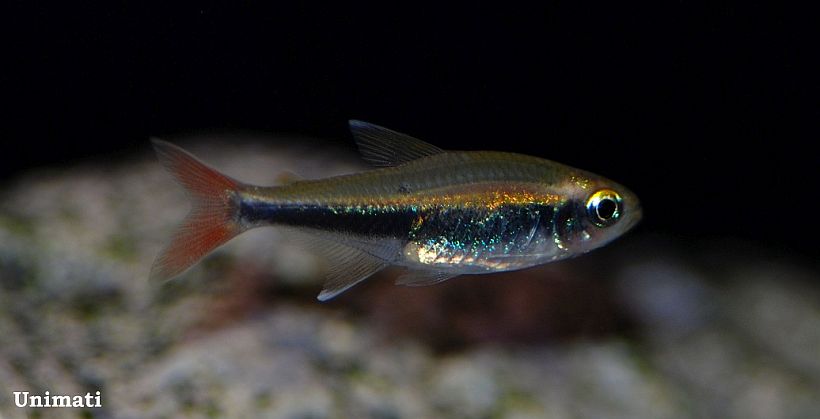
洛雷托魮脂鲤(Hyphessobrycon loretoensis)是温和的小型群居灯鱼,尾鳍大部分呈砖红至橙红色。它适合安静、有植物或根木遮蔽的混养环境,至少八至十条共同饲养更容易展现自然活动。
分布与栖息地
分布于亚马逊河上游,已知范围从哥伦比亚莱蒂西亚一带向西到秘鲁、厄瓜多尔的纳波河上游,并包括秘鲁乌卡亚利河下游。马德雷德迪奥斯河的报道可能意味着分布更广,但不能据此认定秘鲁整个亚马逊流域都有本种。
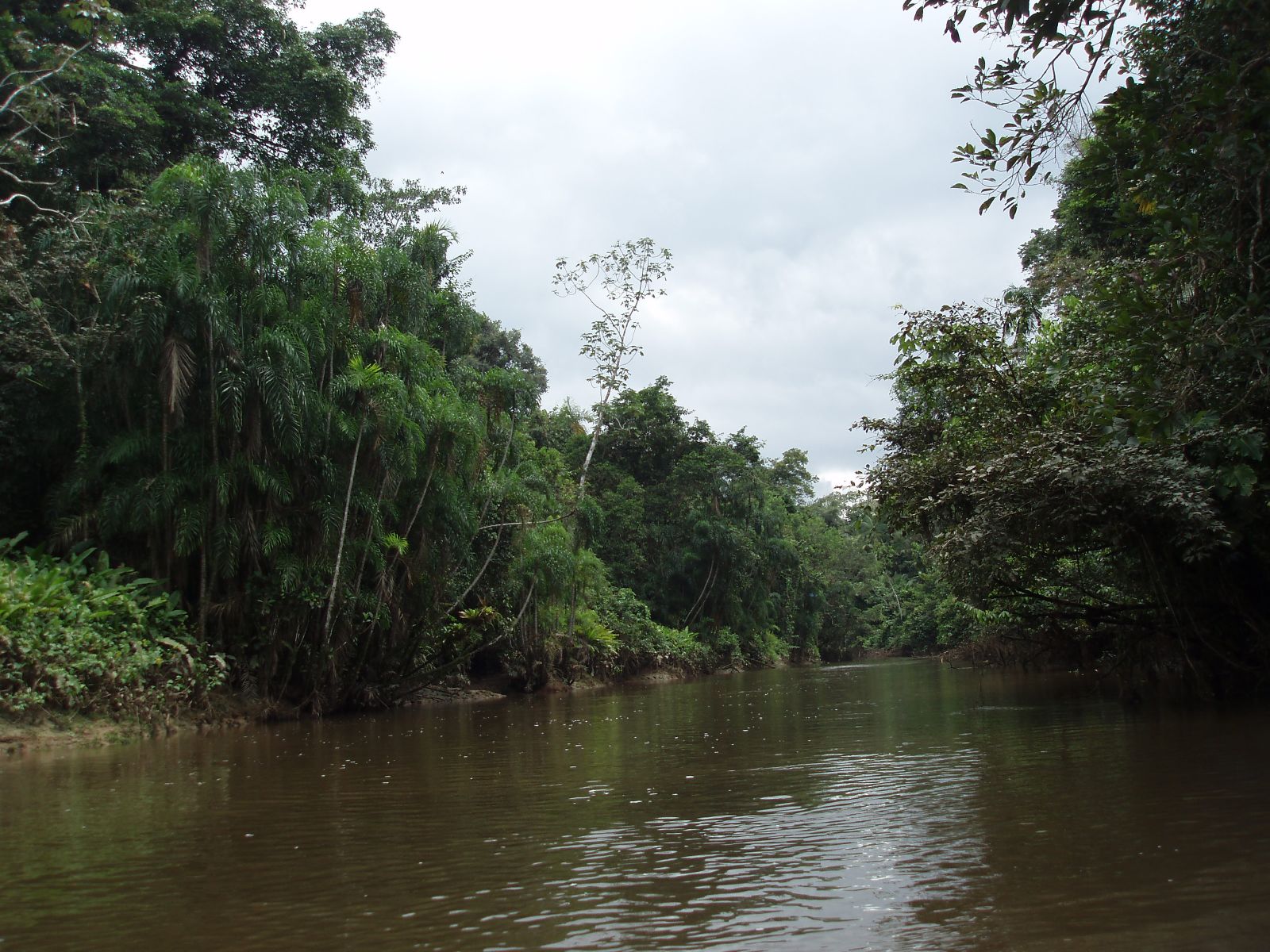
生活在森林溪流和小支流,高水位时也可能进入淹水森林。水面常有植被遮阴,水下布满树根、枝条和落叶,水色略带茶色。
饲养环境
细砂与根木、枝条的组合,或密植水草环境都合适。加入适量干燥落叶可提供躲避空间,并让微生物在其上生长,成为成鱼与幼鱼的补充食物。底面积约 60 × 30 cm 可作为起点。
食性与喂食
可能兼食小型无脊椎动物、甲壳类、藻类和落果。人工饲养可接受干粮,也应轮换供应适口红虫、水蚤等活饵或冷冻饵。
习性与混养
选择体型相近的温和灯鱼、小型鲶鱼,或不捕食小鱼的中小型慈鲷。保持至少八至十条雌雄混合群体,其他安静群游鱼也有助于它们安心活动。
雌雄区分
成熟雌鱼往往略大,身体轮廓比雄鱼更饱满。
繁殖
散卵且无亲代照护。状态好时可能经常产卵,成熟缸中偶尔能留下少量幼鱼。专门繁殖可用昏暗小缸、成熟水体和轻柔充氧,以网格、玻璃珠、细叶植物或产卵拖把保护卵。
水质略酸至中性,温度取适宜区间偏高端。充分调养后放入一对,或一两条雄鱼配数条雌鱼,通常次晨便可寻找卵。幼鱼先喂草履虫或足够细的微粒饵,长大后再提供丰年虾无节幼体、微虫。
补充说明
交易中的个体多有野生来源,供应并不稳定。辨识应结合尾鳍色彩和整体斑纹,不能仅根据旧式按体色划分的种组来判断亲缘。
图片
图片来自 SeriouslyFish,版权归各摄影者所有。
English
Overview
Loreto tetras (Hyphessobrycon loretoensis) are small, peaceful fishes with a largely brick-red to orange tail. A quiet aquarium with planted or woody cover suits them well. Keep at least eight to ten together to encourage natural group behavior.
Distribution & habitat
Confirmed localities span the upper Amazon region from Leticia in Colombia westward into the upper Napo in Peru and Ecuador, including the lower Ucayali in Peru. Reports from the Madre de Dios could indicate a wider range, but do not establish occurrence throughout the Peruvian Amazon.
Habitats are forest streams and minor tributaries, with possible use of flooded forest during high water. Overhanging plants, submerged roots, branches, and leaf litter provide abundant structure in lightly tea-colored water.
Aquarium setup
Use sand with roots and branches, or a densely planted arrangement. Dried leaves add cover and encourage microorganisms that provide supplementary food to adults and fry. A footprint of approximately 60 × 30 cm is a suitable starting point.
Diet & feeding
Their wild diet probably combines small invertebrates and crustaceans with algae and fallen fruit. Aquarium fish can take dried foods, supplemented with suitably small live or frozen foods such as bloodworms and water fleas.
Behaviour & compatibility
Choose similarly sized peaceful tetras, small catfishes, or small to medium cichlids that will not prey on them. A mixed-sex group of eight to ten or more, accompanied by other calm schooling fishes, helps them feel secure.
Sexual dimorphism
Mature females are usually a little larger and noticeably rounder in body than males.
Breeding
Eggs are scattered without parental care. Well-conditioned fish may spawn frequently, with occasional fry surviving in a mature aquarium. For controlled breeding, prepare a dim tank with established water, gentle aeration, and mesh, marbles, fine plants, or spawning mops that keep eggs away from adults.
Use slightly acidic to neutral water toward the upper end of the appropriate temperature range. Introduce a conditioned pair or one or two males with several females; eggs are often detectable the next morning. Begin feeding with infusoria or very fine prepared food, adding brine shrimp nauplii and microworms once the fry can swallow them.
Notes
Trade supplies have largely involved wild fish and can be sporadic. Tail coloration and the full marking pattern are useful identification clues; historical groups based on color alone do not establish evolutionary relationships.
来源
- https://www.seriouslyfish.com/species/hyphessobrycon-loretoensis(抓取于 2026-10-10)
hyphessobrycon-loretoensis · 文件: data/species/hyphessobrycon-loretoensis.md · 状态: 草稿