黑莲灯 · Black Neon Tetra
概要
| 字段 | 值 |
|---|---|
| 类别 | 鱼 |
| 学名 | Hyphessobrycon herbertaxelrodi |
| 别名 | 黑異紋魮脂鯉、黑异纹魮脂鲤 |
| 分类 | 脂鲤目 Characiformes › 脂鲤科 Characidae › Hyphessobrycon |
| 水体 | 淡水 |
| 原产地 | 巴西马托格罗索和南马托格罗索州巴拉圭河上游;玻利维亚边境瓜波雷河记录待确认 |
| 成体体长 | 3.5 cm |
| 饲养难度 | 入门 |
| 最小水体 | 72 L |
| 最小缸长 | 80 cm |
| 群居方式 | 群游 |
| 性情 | 温和 |
| 外部数据 | seriouslyfish hyphessobrycon-herbertaxelrodi;fishbase 10654 |
| 繁殖方式 | 散卵 |
水质参数
| 参数 | 耐受范围 | 最适范围 | 单位 |
|---|---|---|---|
| 水温 | 20–28 | — | °C |
| pH | 5–7.5 | — | — |
| 总硬度 | 1–12 | — | dGH |
概述
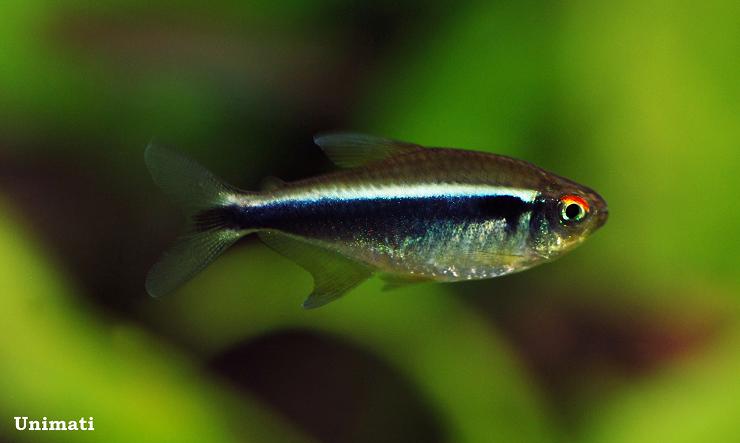
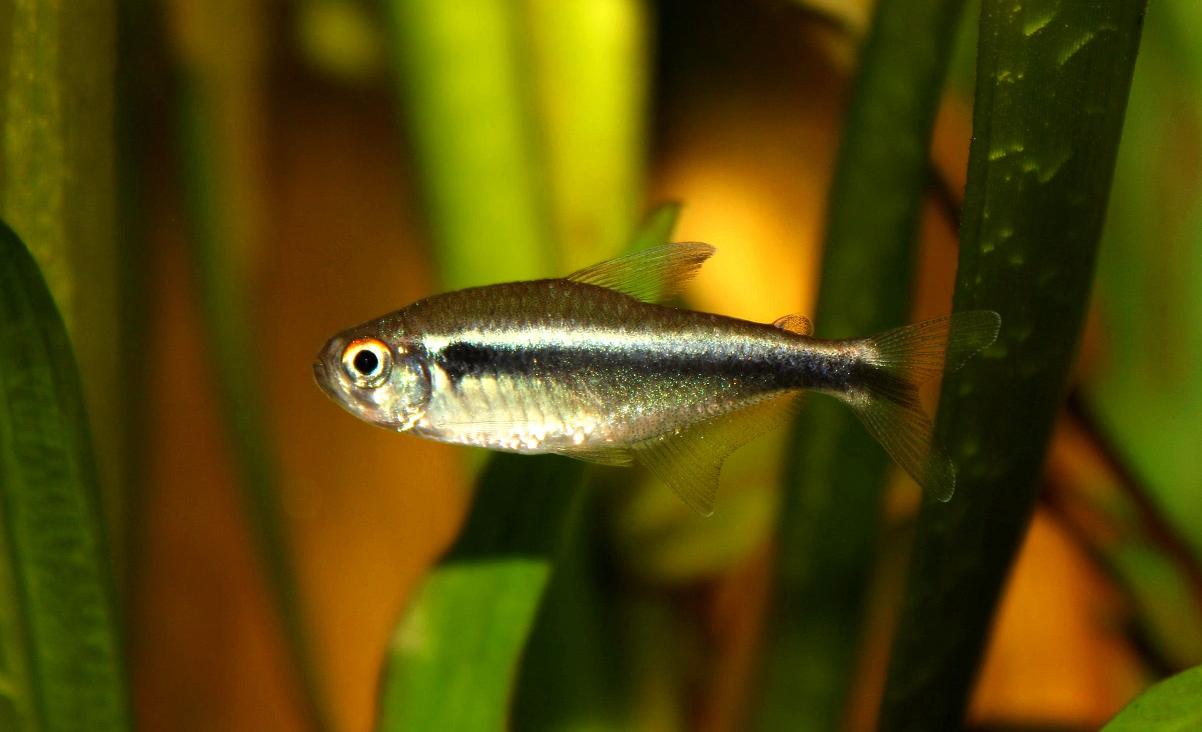
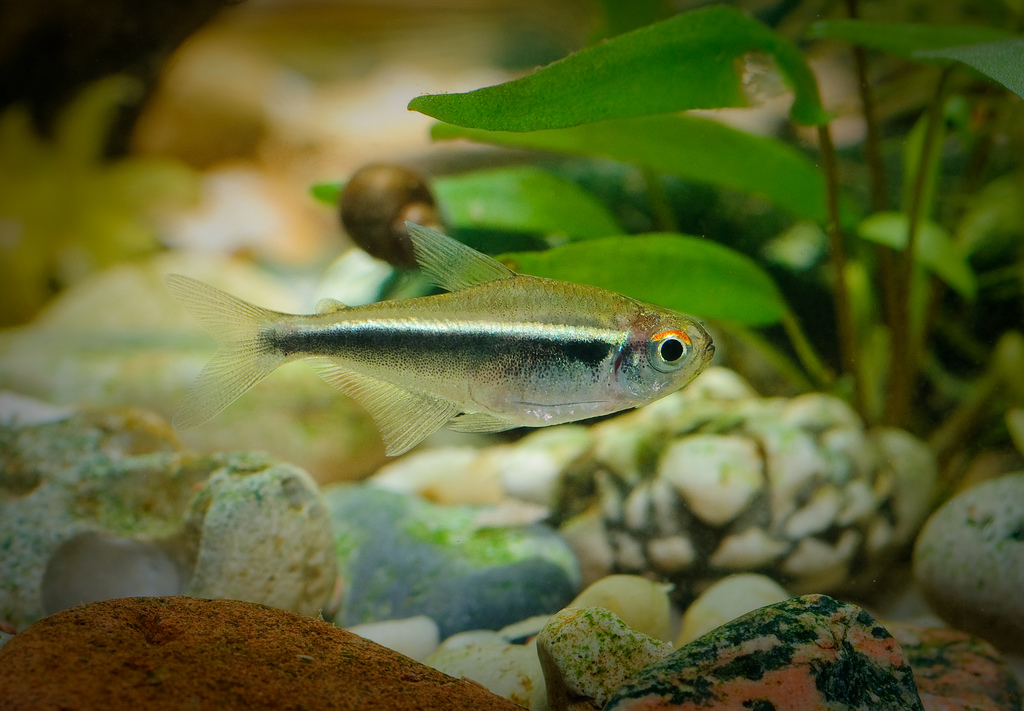
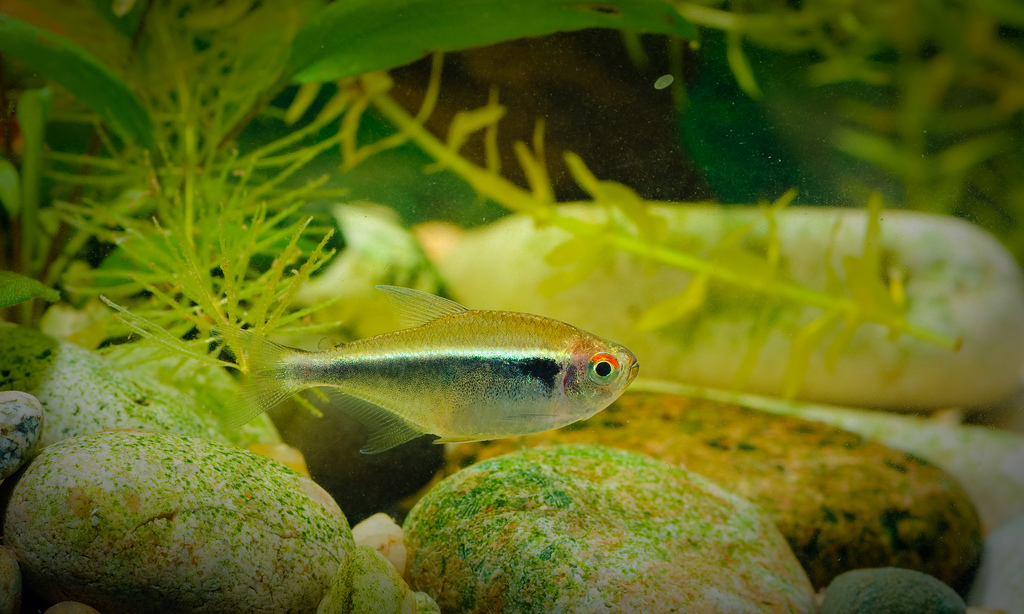
黑莲灯(Hyphessobrycon herbertaxelrodi)是常见的温和群游灯鱼,身体的明暗纵带十分醒目。人工繁育已形成商业规模,水族箱内宜养至少八至十条、雌雄混合的小群,而不是零散放养。
分布与栖息地
主要见于巴西巴拉圭河上游,包括潘塔纳尔湿地南北的马托格罗索和南马托格罗索州。玻利维亚与巴西边境瓜波雷河上游的近似种记录提示它也可能在那里分布,但身份尚有疑问。巴西米纳斯吉拉斯州另有观赏鱼引入后建立的种群。
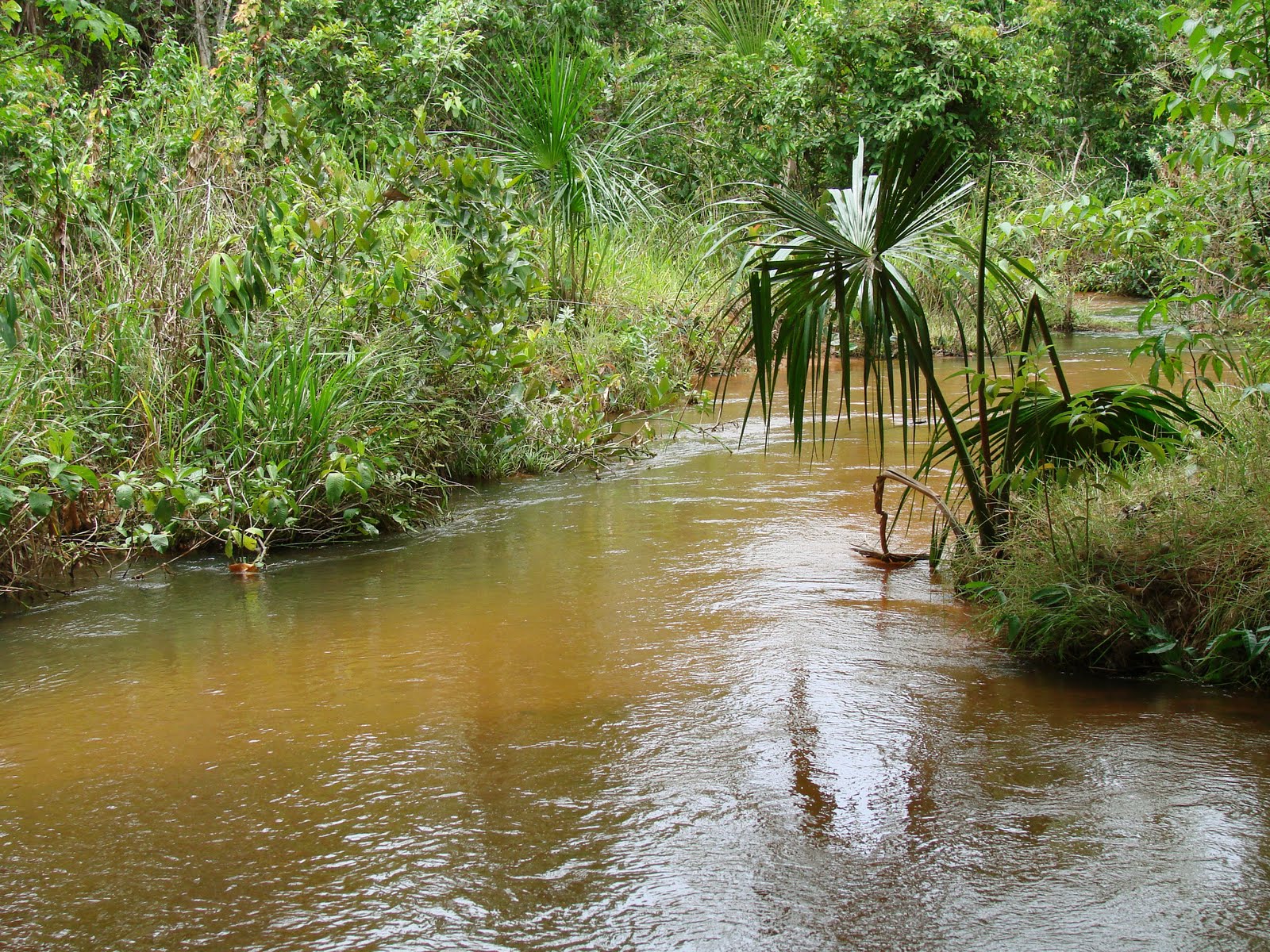
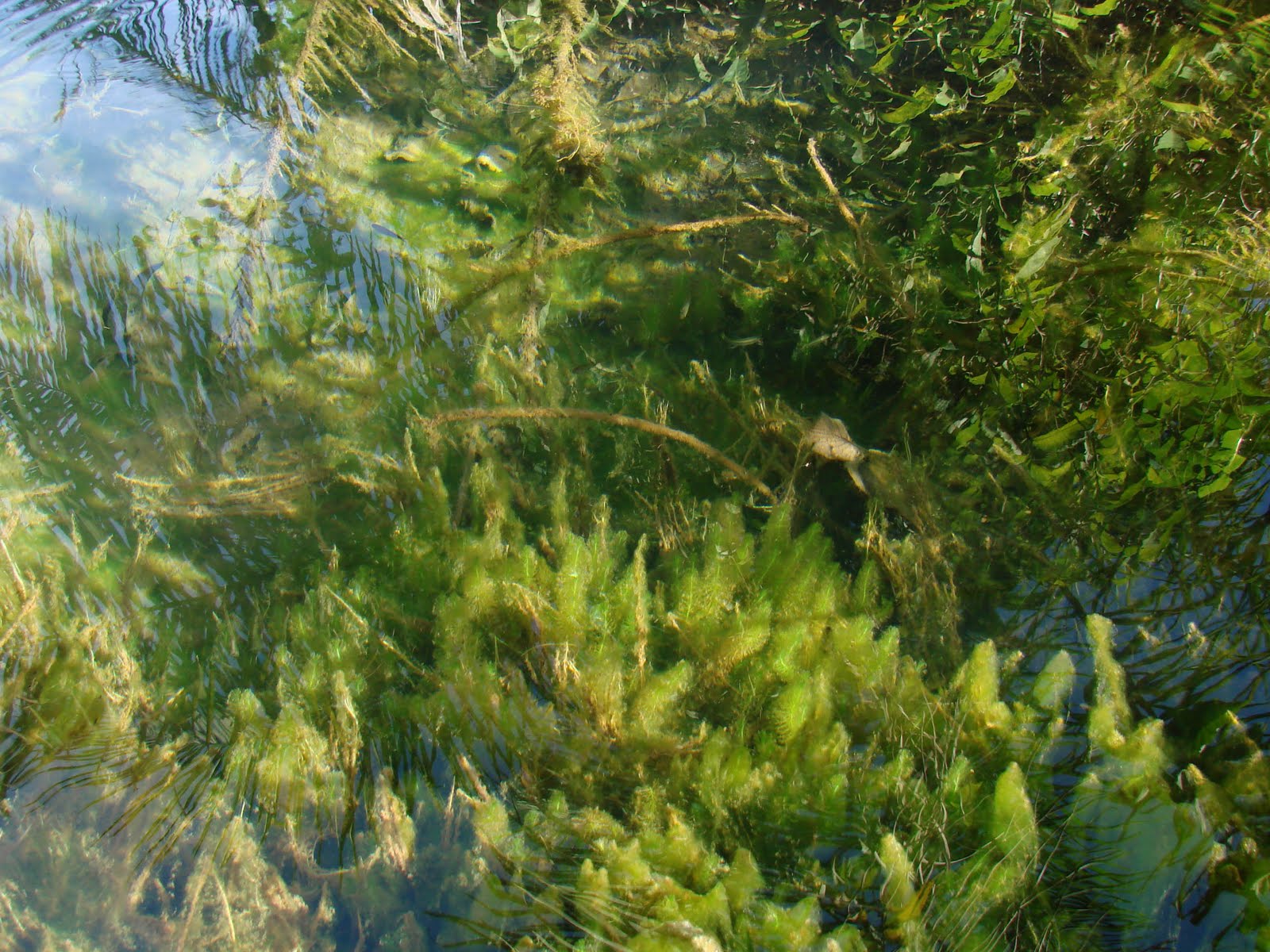
栖息环境包括小支流、源头河段、牛轭湖和季节性淹水地。部分采集点是清澈至浅褐色的流水小溪,岸边植物茂密;潘塔纳尔也有水草繁盛的清水环境。
饲养环境
底面积至少约 80 × 30 cm,可用细砂、树根和枝木布置,也适合密植草缸。干燥落叶增加遮蔽,分解过程中形成的微生物还能给成鱼和幼鱼提供少量补充食物。
食性与喂食
野外可能兼食小型无脊椎动物、甲壳类、丝状藻和落果。缸内可接受干饲料,但应搭配红虫、蚊幼虫、水蚤等适口活饵或冷冻饵,保持食物种类多样。
习性与混养
性情温和,可与体型相近的温和灯鱼、小型鲶鱼及不捕食小鱼的中小型慈鲷混养。八至十条以上的群体,以及其他安静的群游鱼,都有助于减少局促躲藏,表现更自然。
雌雄区分
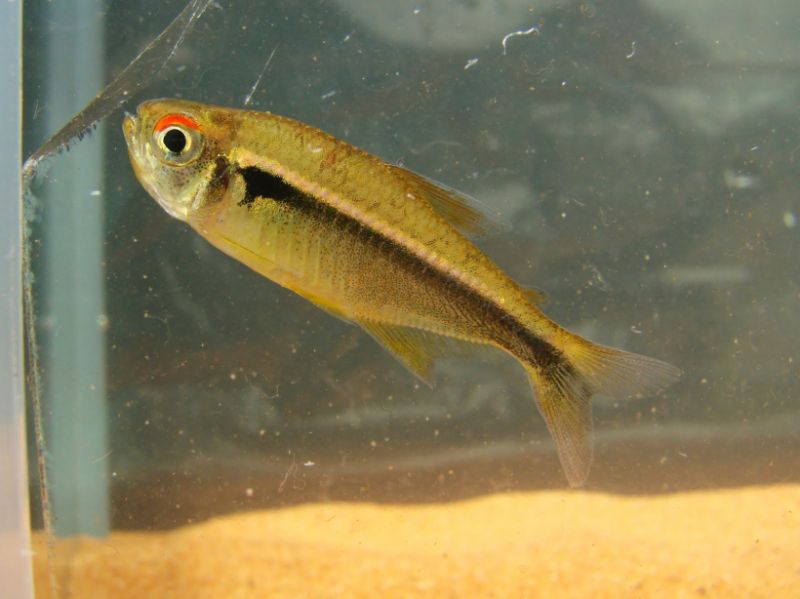
成熟雌鱼通常略大,身体也明显更高、更饱满。
繁殖
散卵且不照顾后代。状态良好时会反复产卵,成熟缸偶尔能自然留下少量幼鱼。想提高成活数,可另设昏暗繁殖缸,用成熟水体、轻柔充氧,以及网格、玻璃珠、细叶水草或产卵拖把保护卵。
繁殖用水略酸至中性,温度取适宜范围偏高端。亲鱼充分调养后放入一对,或一两条雄鱼配数条雌鱼,通常翌晨可检查到卵。幼鱼先吃草履虫或足够细的微粒饵,长大后再转喂丰年虾无节幼体、微虫。
补充说明
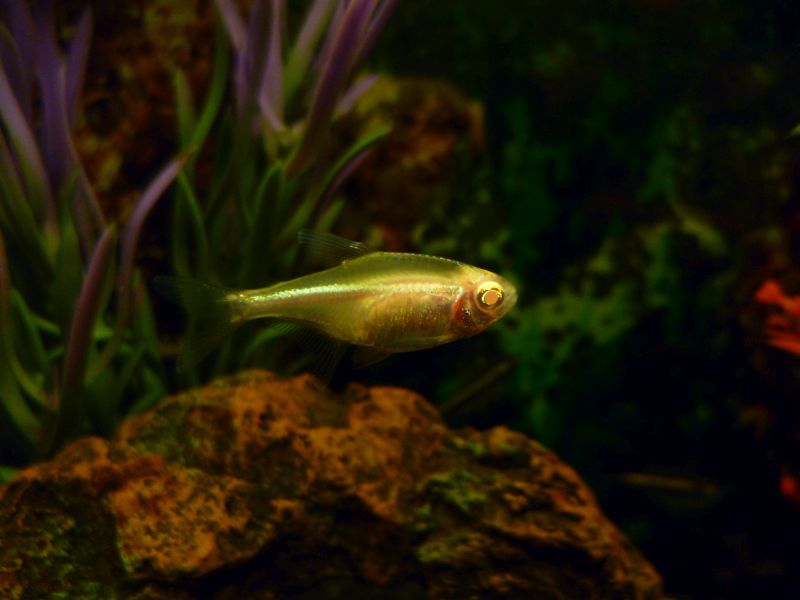
市场上也有白化品系。体色相似的近缘灯鱼未必具有相同亲缘关系,旧式按纵纹划分的种组主要是辨识工具。
图片
图片来自 SeriouslyFish,版权归各摄影者所有。
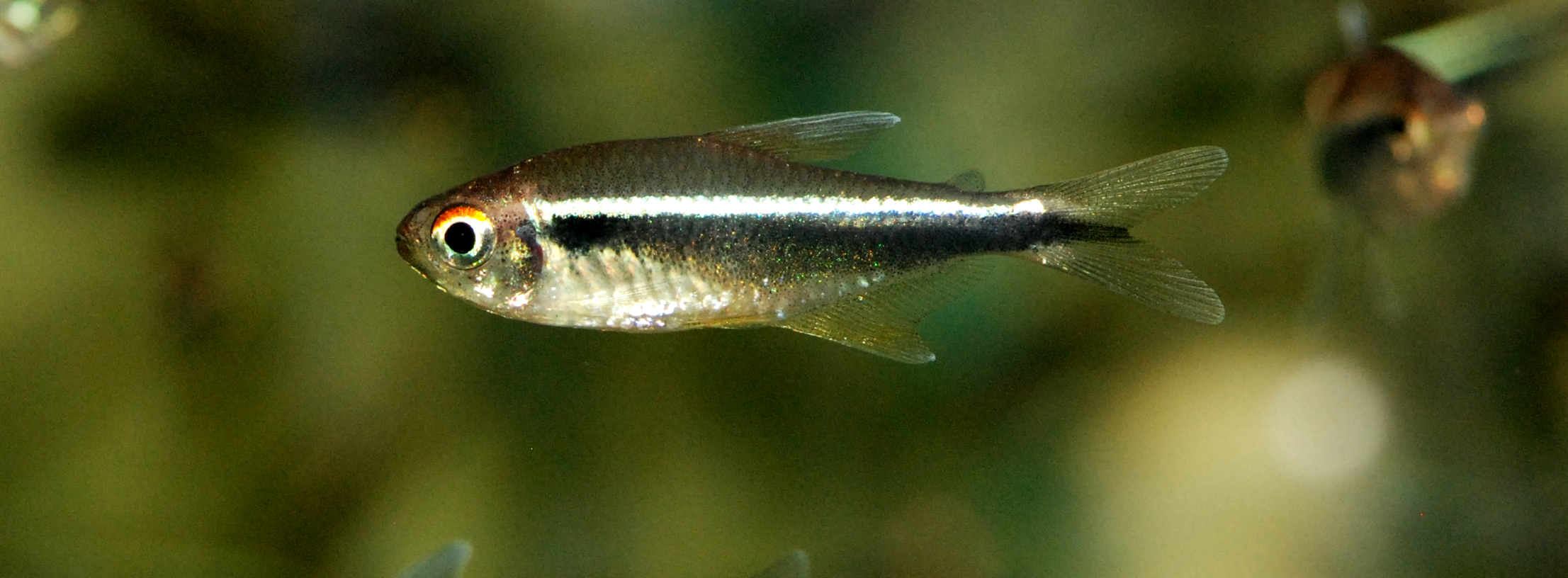
English
Overview
Black neon tetras (Hyphessobrycon herbertaxelrodi) combine contrasting lateral bands with a peaceful disposition. Commercial breeding is well established. Keep a mixed-sex group of at least eight to ten so their schooling behavior can develop naturally.
Distribution & habitat
The main range lies in Brazil's upper Paraguai drainage, extending north and south of the Pantanal through Mato Grosso and Mato Grosso do Sul. Similar fish reported from the upper Guaporé near the Bolivian border suggest a wider range, but their identification remains uncertain. Introduced populations also occur in Minas Gerais.
Habitats include headwaters, small tributaries, oxbows, and seasonal floodplains. Some collection sites are narrow flowing streams with clear or lightly brown water and dense bank vegetation; clear, plant-rich wetland waters are also occupied.
Aquarium setup
Provide a footprint of about 80 × 30 cm or larger. Sand, branching wood, and roots work well, as does a densely planted aquarium. Dried leaves add shelter and support microorganisms that supply supplementary food for adults and fry.
Diet & feeding
The natural diet probably mixes small invertebrates and crustaceans with algae and fallen fruit. Aquarium fish accept dried food, but benefit from varied offerings of appropriately sized live or frozen foods such as bloodworms, mosquito larvae, and water fleas.
Behaviour & compatibility
Choose peaceful fishes of comparable size, small catfishes, or small to medium cichlids that will not hunt their companions. A substantial group and other calm schooling fishes help these tetras feel secure.
Sexual dimorphism
Mature females are slightly larger and conspicuously fuller and deeper in body than males.
Breeding
Eggs are scattered without subsequent care. Well-conditioned adults may spawn repeatedly, and a mature aquarium occasionally produces surviving fry. A separate, dim breeding setup offers better control: use mature water, gentle aeration, and mesh, marbles, fine plants, or spawning mops to keep eggs beyond adult reach.
Slightly acidic to neutral water and temperatures near the warmer end of the suitable range are recommended for breeding. Introduce a pair or one or two males with several females; eggs are often found the following morning. Start fry on infusoria or very fine prepared food, then offer brine shrimp nauplii and microworms as their mouths develop.
Notes
An albino ornamental form is also bred. Historical groups based on stripe patterns should not be treated as proof of close evolutionary relationships.
来源
ID:hyphessobrycon-herbertaxelrodi · 文件: data/species/hyphessobrycon-herbertaxelrodi.md · 状态: 草稿