火焰魮脂鲤 · Flame Tetra
概要
| 字段 | 值 |
|---|---|
| 类别 | 鱼 |
| 学名 | Hyphessobrycon flammeus |
| 别名 | 火焰魮脂鯉 |
| 分类 | 脂鲤目 Characiformes › 脂鲤科 Characidae › Hyphessobrycon |
| 水体 | 淡水 |
| 原产地 | 巴西里约热内卢与圣保罗州;圣保罗群体可能为引入 |
| 成体体长 | 2.5 cm |
| 饲养难度 | 中等 |
| 最小水体 | 54 L |
| 最小缸长 | 60 cm |
| 群居方式 | 群游 |
| 性情 | 温和 |
| 外部数据 | seriouslyfish hyphessobrycon-flammeus;fishbase 10652 |
| 食性 | 杂食 |
| 繁殖方式 | 散卵 |
水质参数
| 参数 | 耐受范围 | 最适范围 | 单位 |
|---|---|---|---|
| 水温 | 20–26 | — | °C |
| pH | 5.5–7.5 | — | — |
| 总硬度 | 1–12 | — | dGH |
概述
火焰魮脂鲤(Hyphessobrycon flammeus)是温和的小型红色灯鱼,人工繁殖和观赏品系较普遍。水族贸易中的常见并不代表野外种群同样稳定,它需要成熟、洁净的水体和规律维护。
分布与栖息地
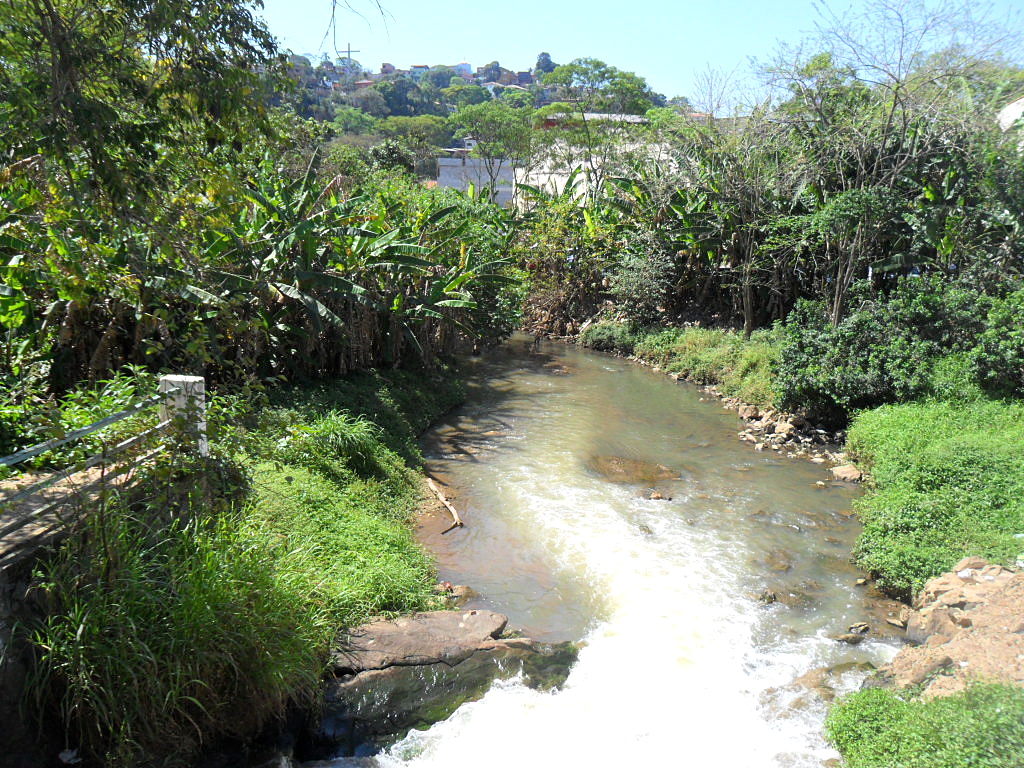
记录来自巴西里约热内卢和圣保罗州。圣保罗群体可能由观赏鱼放流或养殖活动引入,原生分布边界仍有疑问。自然河流受到污染、水坝和引入种等影响。偏好浅而缓慢的小支流,水清至略褐,底部多砂,水生或淹水植被丰富,也见于大河岸边。
饲养环境
布景不苛刻,有水草和深色底材通常更显色。细砂配根枝可形成阴影,落叶支持微生物、为幼鱼补充食物,浮水植物和较暗灯光也适合。它不能耐受有机污染积累,不要放入尚未建立生物过滤的新缸,应把每周换水作为常规。
食性与喂食
明确为杂食,野外吃小型无脊椎动物、甲壳类、丝状藻和有机碎屑。缸中可用干饲料配红虫、蚊幼虫、水蚤等活饵或冷冻饵,保持多样而非只用一种主粮。
习性与混养
至少八至十条雌雄混合,雄鱼之间短暂竞争位置和雌鱼,群体更能展现颜色与行为。可与体型相近的温和灯鱼、斧头鱼、铅笔鱼、小型底栖鲶鱼,以及不捕食它的中小型慈鲷相处。
雌雄区分
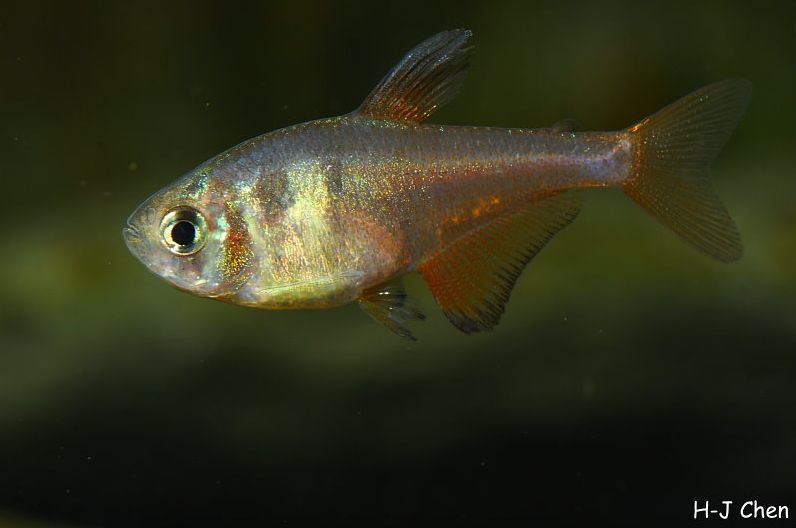
雄鱼通常较小、体形不如雌鱼高厚,但颜色更浓;成熟雄鱼臀鳍和腹鳍有细小骨钩,雌鱼没有。雌鱼臀鳍前部轮廓更呈镰形。
繁殖
散卵且不护卵,成熟缸可能自行留下少量幼鱼。提高数量时可设熟水暗缸,用隔网、玻璃珠、细叶植物或产卵拖把保护卵,配轻柔充氧。放入养好的一对或一两雄配数雌,发现卵后移走成鱼。
鱼苗开口先用草履虫等微小食物或足够细的育苗粉,待能入口后再增加丰年虾无节幼体和微虫。
补充说明
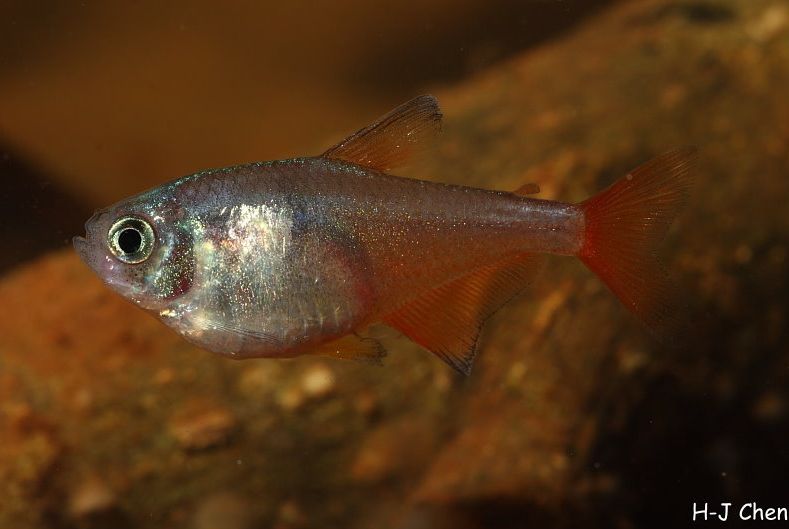
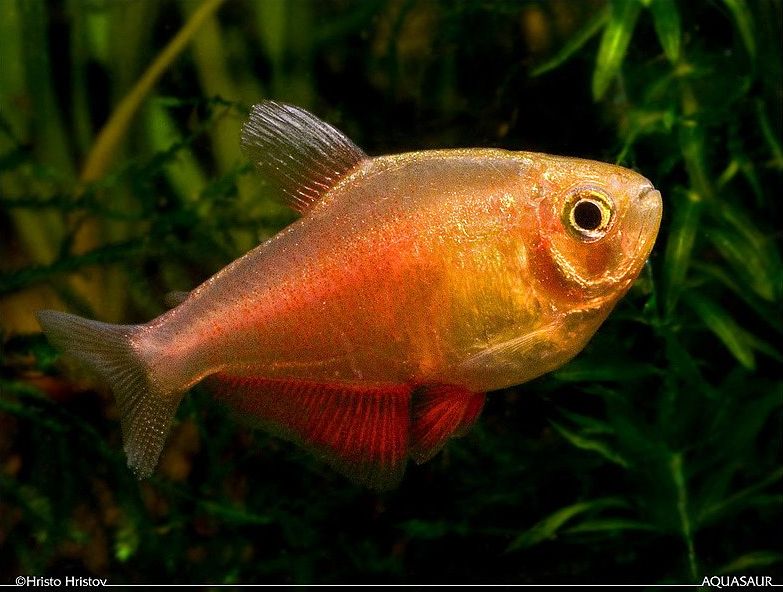
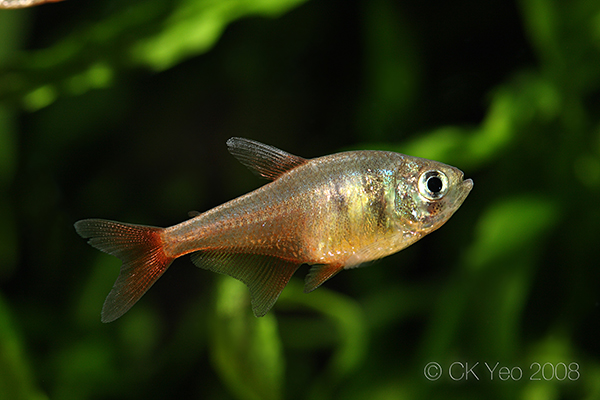
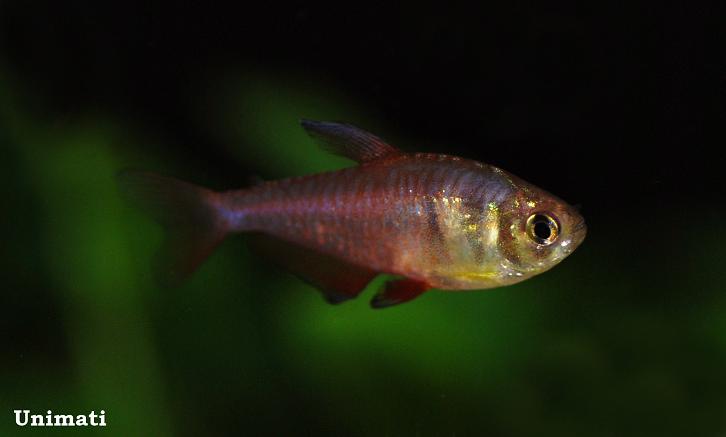
有橙色、金色、白化等人工品系。天然型两道竖向肩斑都较清楚,尾柄无大斑,尾鳍较透明,辨识时可结合这些特征。
图片
图片来自 SeriouslyFish,版权归各摄影者所有。
English
Overview
Hyphessobrycon flammeus is a peaceful red tetra widely maintained and bred for aquariums. Its familiarity in captivity should not be confused with secure wild populations. Mature filtration, clean water, and routine maintenance remain essential to its care.
Distribution & habitat
Records come from Rio de Janeiro and São Paulo states in Brazil. The São Paulo populations may have originated from aquarium releases or breeding facilities, leaving the native range uncertain. Pollution, dams, and introduced species have affected natural rivers. Shallow, slow tributaries with sand and plentiful aquatic or submerged vegetation are favored, with some records from larger river margins.
Aquarium setup
Planted layouts and dark substrate enhance color. Sand, roots, branches, and leaves create shaded retreats and support microorganisms useful to fry. Dim light and floating cover are suitable. Avoid immature aquariums: this fish is intolerant of accumulated organic pollution, and weekly water changes should be routine.
Diet & feeding
An omnivore, it takes small invertebrates, crustaceans, filamentous algae, and detritus in nature. Combine prepared foods with live or frozen bloodworms, mosquito larvae, water fleas, and similar items for variety.
Behaviour & compatibility
Keep a mixed-sex shoal of at least eight to ten. Temporary dominance interactions among males contribute to better displays and color. Similar peaceful tetras, hatchetfishes, pencilfishes, small armored catfishes, and nonpredatory small-to-medium cichlids are possible companions.
Sexual dimorphism
Males are generally slightly smaller, slimmer, and more intensely colored. Mature males have small bony hooks on the anal and pelvic fins; females lack them and have a more curved leading anal-fin outline.
Breeding
Eggs are scattered without care, and a mature aquarium may yield a few fry. For greater survival, use a separate dim setup with mature water, gentle aeration, and mesh, marbles, fine foliage, or spawning mops to shield eggs. Introduce a conditioned pair or one or two males with several females, then remove adults after eggs appear.
Begin fry on infusoria or sufficiently fine prepared food, progressing to brine shrimp nauplii and microworms once they can be swallowed.
Notes
Orange, golden, and albino ornamental forms exist. In the natural pattern, both upright shoulder marks are distinct, the tail base lacks a large blotch, and the tail itself is relatively clear.
来源
- https://www.seriouslyfish.com/species/hyphessobrycon-flammeus(抓取于 2026-10-10)
hyphessobrycon-flammeus · 文件: data/species/hyphessobrycon-flammeus.md · 状态: 草稿