双带魮脂鲤 · Yellow Tetra
概要
| 字段 | 值 |
|---|---|
| 类别 | 鱼 |
| 学名 | Hyphessobrycon bifasciatus |
| 别名 | 雙帶魮脂鯉 |
| 分类 | 脂鲤目 Characiformes › 脂鲤科 Characidae › Hyphessobrycon |
| 水体 | 淡水 |
| 原产地 | 巴西东南部圣埃斯皮里图至南里奥格兰德沿海河流及巴拉那河上游部分地区 |
| 成体体长 | 4.5 cm |
| 饲养难度 | 入门 |
| 群居方式 | 独居 |
| 性情 | 温和 |
| 外部数据 | seriouslyfish hyphessobrycon-bifasciatus;fishbase 12379 |
| 繁殖方式 | 散卵 |
水质参数
| 参数 | 耐受范围 | 最适范围 | 单位 |
|---|---|---|---|
| 水温 | 20–25 | — | °C |
| pH | 5–7.5 | — | — |
| 总硬度 | 2–15 | — | dGH |
概述
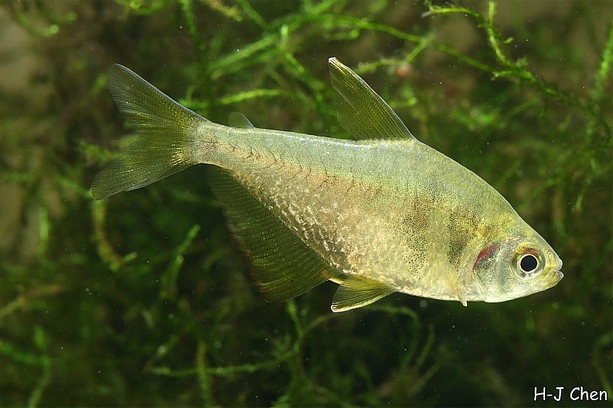
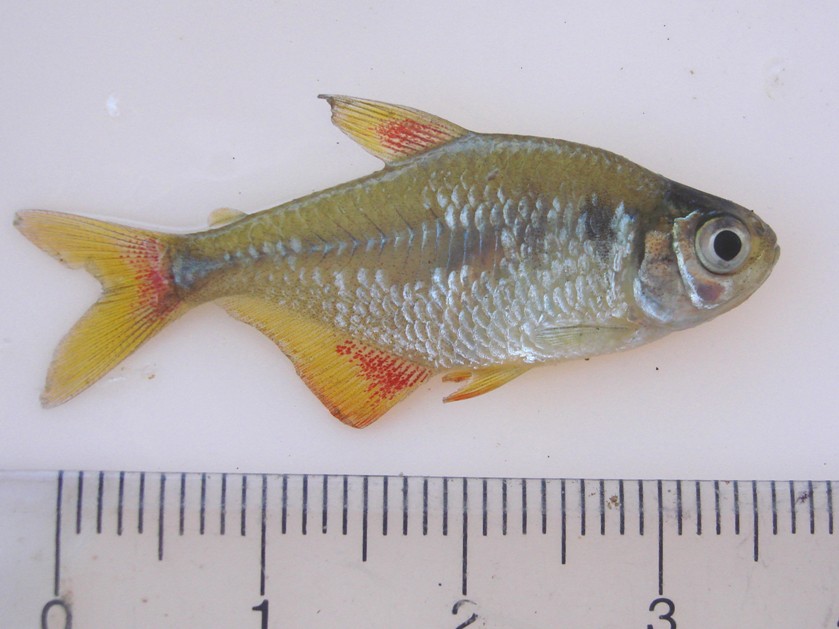
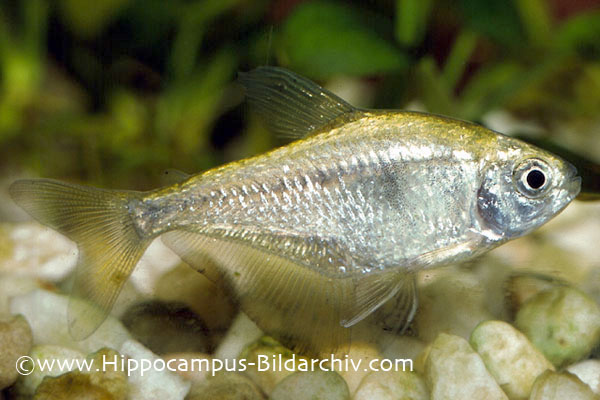
双带魮脂鲤(Hyphessobrycon bifasciatus)通常性情温和,肩部两道竖向深斑是辨识线索,前一道更明显。适合以雌雄混合的群体饲养,八至十条以上更容易表现自然行为。
分布与栖息地
分布于巴西东南部圣埃斯皮里图州至南里奥格兰德州之间的沿海河流,也见于巴拉那河上游部分区域。多生活在森林遮蔽下的泛滥平原支流、湖泊和溪流。
食性与喂食
野外可能为机会性杂食,摄食水生无脊椎动物和落果等。缸中较易投喂,可用优质薄片、细颗粒配红虫、水蚤、丰年虾等小型活饵或冷冻饵,部分干饲料宜含植物或藻类成分。
习性与混养
可与体型相近的温和灯鱼、斧头鱼、铅笔鱼、小型鼠鱼或异型鱼,以及不捕食小鱼的中型慈鲷搭配。至少八至十条雌雄混合,其他合适的群游鱼也能带来安全感。
雌雄区分
状态好的雄鱼颜色稍浓,雌鱼通常更大、更圆,怀卵时更明显。
繁殖
属于散卵型,不提供亲代照护。
补充说明
有些个体的部分或全部鳞片会呈金属金色。是否与寄生虫有关尚不清楚,观察中这类鱼似乎并未因此不适或明显缩短寿命,但不能把金色外观直接作为寄生虫诊断。两道肩斑、无尾柄斑及成雄无丝状延长背鳍,可结合用于区别近似种。
图片
图片来自 SeriouslyFish,版权归各摄影者所有。
English
Overview
Usually peaceful, Hyphessobrycon bifasciatus carries two upright shoulder markings, with the forward mark more prominent. Keep a mixed-sex group of at least eight to ten so its social behavior can develop naturally.
Distribution & habitat
The range includes coastal drainages of southeastern Brazil from Espírito Santo to Rio Grande do Sul, plus parts of the upper Paraná. Forest-covered floodplain tributaries, lakes, and streams provide habitat.
Diet & feeding
It is probably an opportunistic omnivore in nature, taking aquatic invertebrates, fallen fruit, and similar foods. Aquarium feeding is straightforward: combine quality flakes or granules with small live and frozen bloodworms, water fleas, and brine shrimp. Include some plant- or algae-enriched prepared foods.
Behaviour & compatibility
Comparable peaceful tetras, hatchetfishes, pencilfishes, small armored catfishes, and nonpredatory medium-sized cichlids are possible companions. Maintain a substantial mixed-sex shoal, with other suitable schooling fishes helping provide confidence.
Sexual dimorphism
Well-conditioned males are slightly more colorful. Females generally grow larger and rounder, particularly when carrying eggs.
Breeding
Eggs are scattered without parental care.
Notes
Some fish develop a metallic golden appearance on part or all of the scales. A parasitic cause has been suggested but remains uncertain; observed individuals appear unaffected in comfort, health, and longevity. Gold coloration alone is therefore not a diagnosis. The paired shoulder marks, lack of a tail-base blotch, and absence of a filamentous male dorsal fin provide useful identification clues.
来源
- https://www.seriouslyfish.com/species/hyphessobrycon-bifasciatus(抓取于 2026-10-10)
hyphessobrycon-bifasciatus · 文件: data/species/hyphessobrycon-bifasciatus.md · 状态: 草稿