尾纹半线脂鲤 · Buenos Aires Tetra
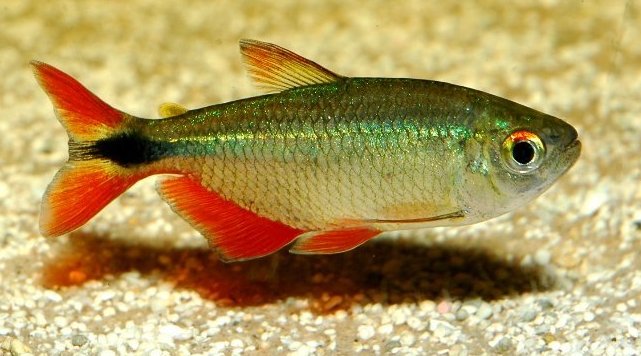
概要
| 字段 | 值 |
|---|---|
| 类别 | 鱼 |
| 学名 | Hyphessobrycon anisitsi |
| 别名 | 恩氏魮脂鲤、红尾魮脂鲤、尾紋半線脂鯉、恩氏魮脂鯉、紅尾魮脂鯉、Hemigrammus anisitsi、Hemigrammus caudovittatus、Hyphessobrycon erythrurus |
| 分类 | 脂鲤目 Characiformes › 脂鲤科 Characidae › Hyphessobrycon |
| 水体 | 淡水 |
| 原产地 | 巴西、巴拉圭、阿根廷的巴拉那河水系及乌拉圭、巴西的乌拉圭河流域 |
| 成体体长 | 6 cm |
| 饲养难度 | 入门 |
| 最小水体 | 81 L |
| 最小缸长 | 90 cm |
| 群居方式 | 群游 |
| 领地性 | 是 |
| 外部数据 | seriouslyfish hyphessobrycon-anisitsi;fishbase 51004 |
| 性情 | 半攻击性 |
| 繁殖方式 | 散卵 |
水质参数
| 参数 | 耐受范围 | 最适范围 | 单位 |
|---|---|---|---|
| 水温 | 16–28 | — | °C |
| pH | 5.5–8.5 | — | — |
| 总硬度 | 1–20 | — | dGH |
概述
尾纹半线脂鲤(Hyphessobrycon anisitsi)是活跃、健壮的群居灯鱼,有咬鳍倾向,群体太小或空间不足时尤其明显。至少八至十条和宽敞活动区,是减少对其他鱼骚扰的重要条件。
分布与栖息地
来自巴西、巴拉圭、阿根廷的巴拉那河水系,以及乌拉圭和巴西的乌拉圭河流域。多见于小溪、支流、泛滥平原湖泊、回水区和牛轭湖,而非主河道。自然范围属亚热带,冬季较温和,不宜长期维持在允许温度的高端。
饲养环境
布景不苛刻,但有结构、最好有植物的环境更容易显色,仍要保留充分游动空间。过滤不必很强,可有一定水流。
食性与喂食
野外可能为杂食,吃蠕虫、昆虫和其他浮游动物,也摄入少量植物与有机碎屑。缸中较容易投喂,可用优质薄片和细颗粒配红虫、水蚤、丰年虾等活饵或冷冻饵,部分干饲料应含植物或藻类成分。
习性与混养
群体会形成松散等级,雄鱼彼此竞争雌鱼和位置。至少八至十条有助于把注意力留在同种间,但不能保证完全不咬鳍。胆小、游动慢或长鳍鱼不适合,较健壮、体型相近的开阔水层灯鱼与温和鲶鱼较值得考虑。其他同样强健且需求相容的鱼也可谨慎选择。
雌雄区分
成熟雄鱼更瘦、通常略小,颜色也比雌鱼鲜明。
繁殖
散卵且不护卵,成熟缸可能自行出现少量幼鱼。想提高数量,可用熟水设暗缸,铺隔网、玻璃珠或密集细叶植物来保护卵,并用轻柔气动过滤充氧。放入养好的一对或一两雄配数雌,见卵后移出亲鱼。
产卵常持续两至四小时,状态良好的雌鱼可能一次产至约两千粒。卵约一天至一天半孵化,鱼苗尚带较大卵黄。开口先用草履虫或足够细的育苗粉,长大后再转丰年虾无节幼体与微虫。
补充说明
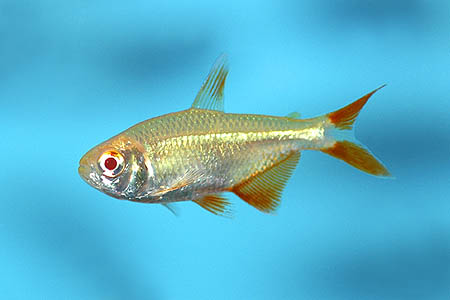
商品中的白化型有时称为金色型。部分早期布宜诺斯艾利斯记录实际属于近似种,英文商品名不能直接当作准确产地标签。
图片
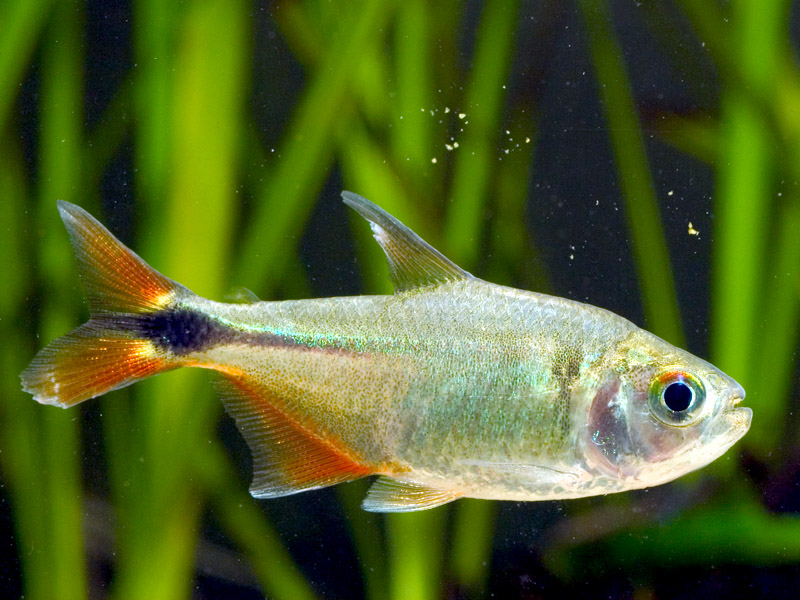
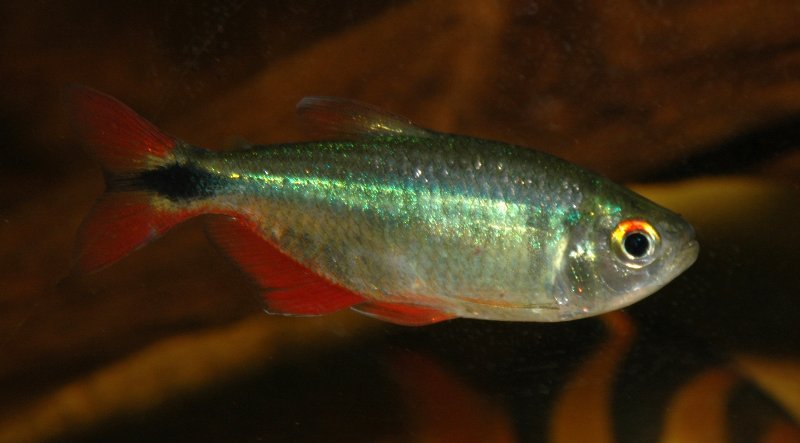
图片来自 SeriouslyFish,版权归各摄影者所有。
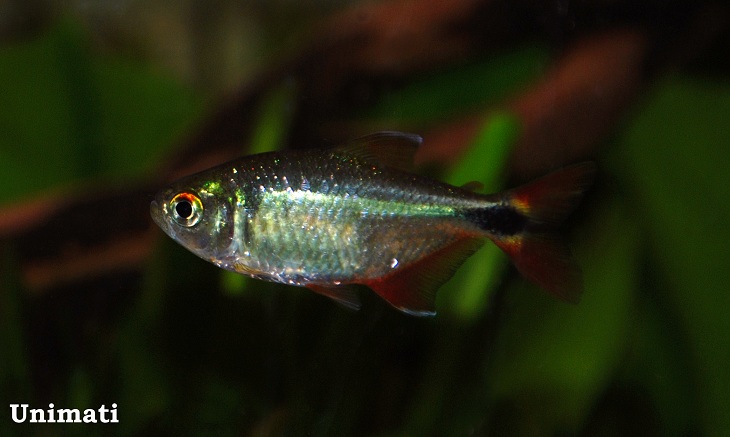
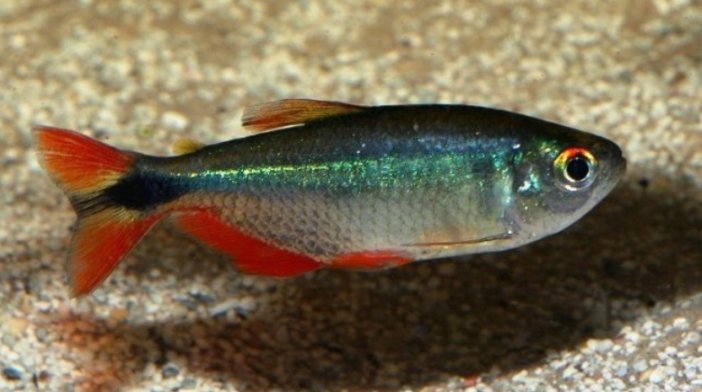
English
Overview
The robust Hyphessobrycon anisitsi is an energetic shoaling tetra with a tendency to nip fins, particularly when numbers or space are inadequate. A group of at least eight to ten and ample swimming room help direct its social competition toward its own kind.
Distribution & habitat
Its range covers much of the Paraná system in Brazil, Paraguay, and Argentina, plus the Uruguay drainage in Uruguay and Brazil. Small streams, tributaries, floodplain lakes, backwaters, and oxbows are favored over major channels. These subtropical waters experience mild winters, so the fish should not be held near the warm end of its tolerated range continuously.
Aquarium setup
Decoration is flexible, but a structured, preferably planted layout improves presentation. Preserve open swimming room. Strong filtration flow is unnecessary, though some water movement is appreciated.
Diet & feeding
The natural diet is probably omnivorous, combining worms, insects, other zooplankton, and smaller amounts of plant material and detritus. Offer quality flakes and granules with regular live or frozen bloodworms, water fleas, and brine shrimp. Include some plant- or algae-enriched prepared food.
Behaviour & compatibility
Loose hierarchies form within the group, and males compete continually for position and mates. Adequate numbers reduce distraction toward tankmates without eliminating every risk. Shy, slow, or long-finned fishes are poor partners. Robust, similarly sized open-water tetras and suitable peaceful catfishes are better candidates, with other sturdy compatible fishes considered carefully.
Sexual dimorphism
Males remain slightly smaller and slimmer, developing stronger coloration at maturity.
Breeding
Eggs are scattered without parental care. A mature aquarium may produce a few surviving young, but a separate dim setup improves yield. Use mature water, gentle aeration, and mesh, marbles, fine plants, or mops to protect eggs. Introduce a conditioned pair or one or two males with several females, removing adults once eggs are detected.
Spawning may last two to four hours, with a ripe female capable of producing around two thousand eggs. Hatching follows within roughly a day to a day and a half. Larvae initially retain a substantial yolk supply. Begin feeding with infusoria or sufficiently fine prepared food, moving to larger live items as they grow.
Notes
An albino strain is sometimes sold as golden. Some older Buenos Aires records concern a similar species, so the English common name is not a reliable locality label.
来源
- https://www.seriouslyfish.com/species/hyphessobrycon-anisitsi(抓取于 2026-10-10)
hyphessobrycon-anisitsi · 文件: data/species/hyphessobrycon-anisitsi.md · 状态: 草稿