爱魮脂鲤 · Ember Tetra
概要
| 字段 | 值 |
|---|---|
| 类别 | 鱼 |
| 学名 | Hyphessobrycon amandae |
| 别名 | 愛魮脂鯉 |
| 分类 | 脂鲤目 Characiformes › 脂鲤科 Characidae › Hyphessobrycon |
| 水体 | 淡水 |
| 原产地 | 巴西马托格罗索州阿拉瓜亚河支流莫尔特斯河 |
| 成体体长 | 2 cm |
| 饲养难度 | 入门 |
| 最小水体 | 41 L |
| 最小缸长 | 45 cm |
| 群居方式 | 群游 |
| 性情 | 温和 |
| 水流偏好 | 低 |
| 外部数据 | seriouslyfish hyphessobrycon-amandae;fishbase 12376 |
| 游动层 | 中层、上层 |
| 繁殖方式 | 散卵 |
水质参数
| 参数 | 耐受范围 | 最适范围 | 单位 |
|---|---|---|---|
| 水温 | 20–28 | — | °C |
| pH | 5–7 | — | — |
| 总硬度 | 1–10 | — | dGH |
概述
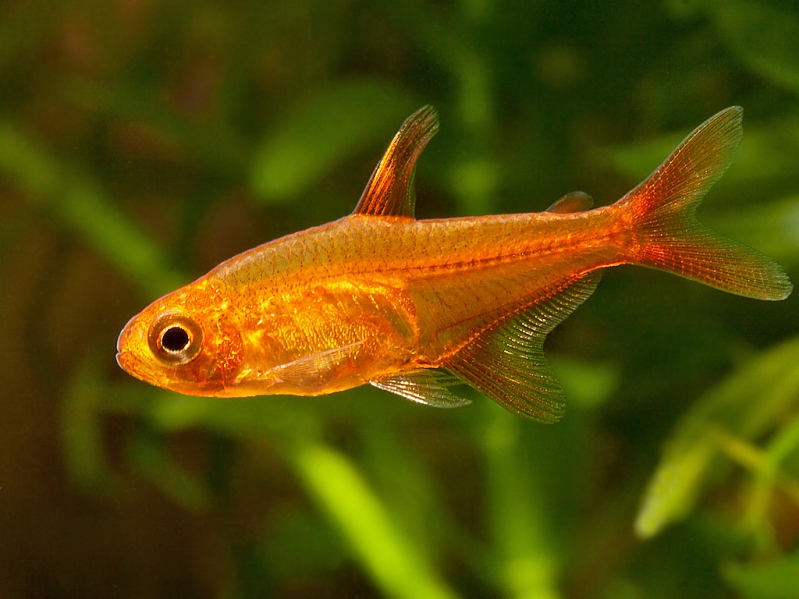
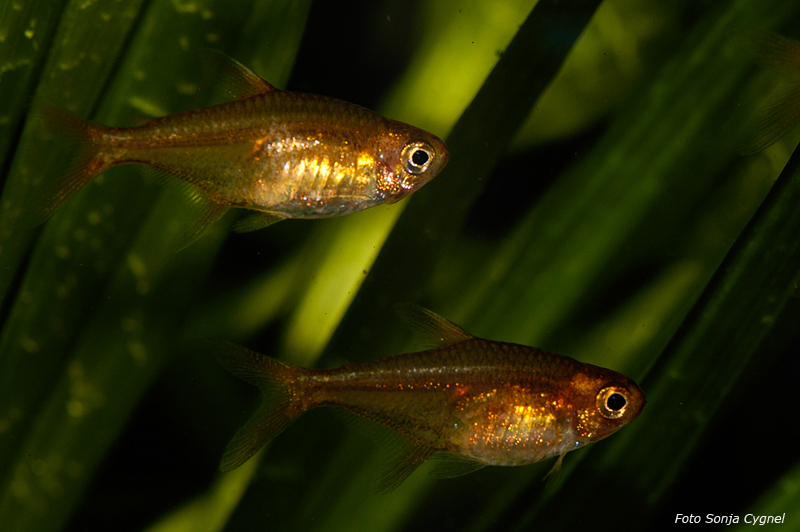
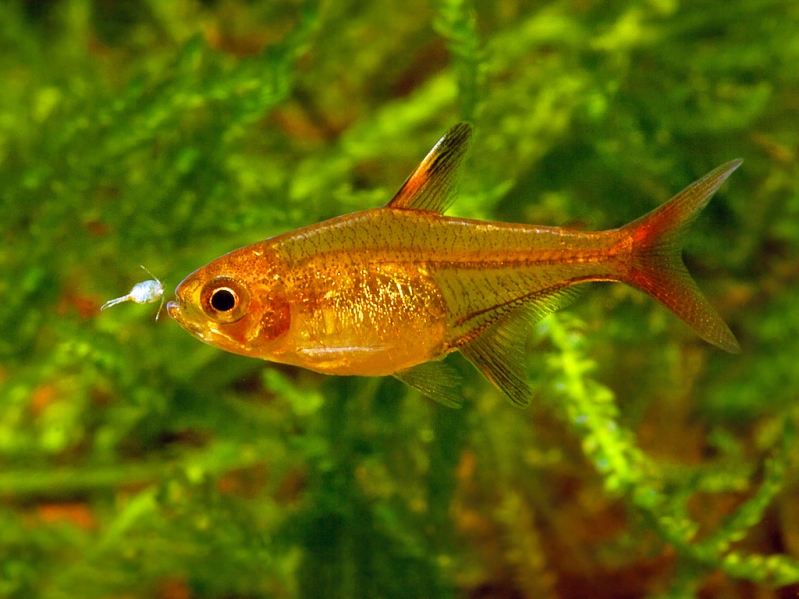
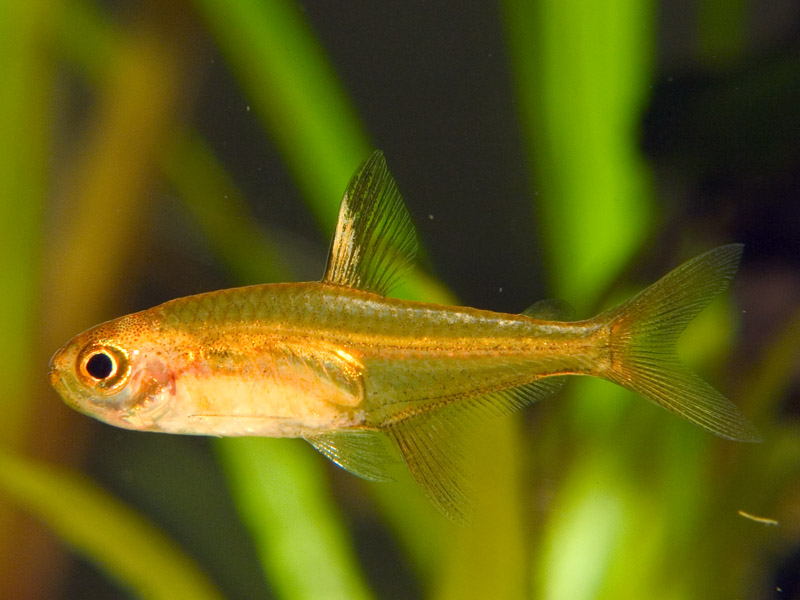
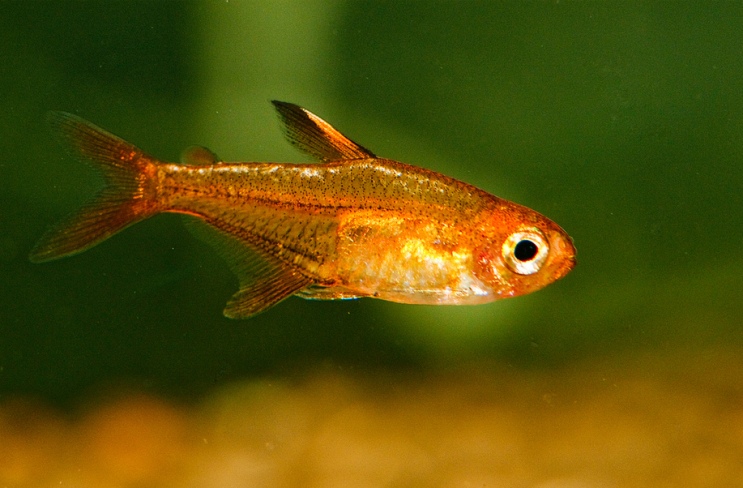
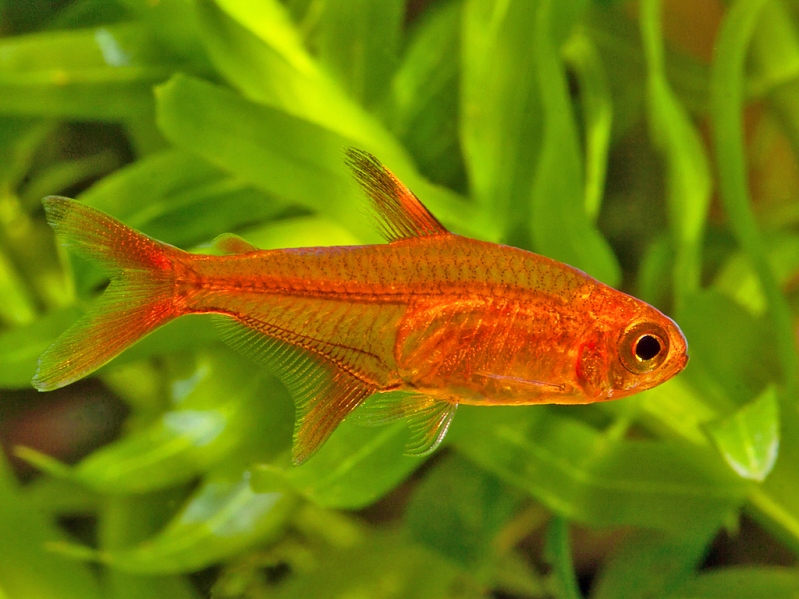
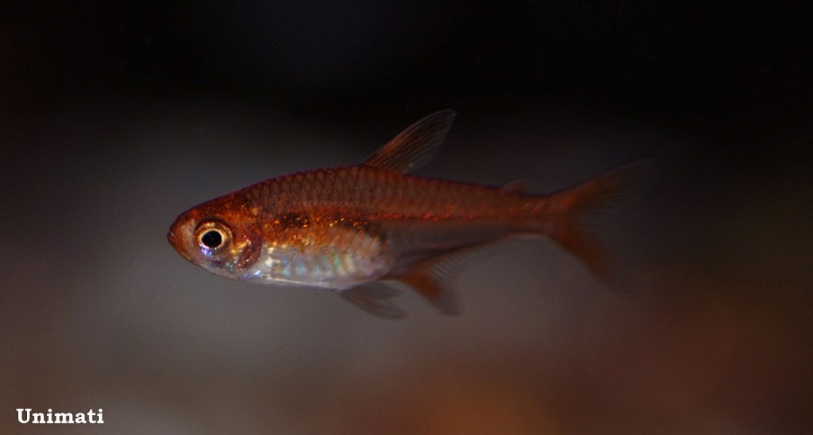
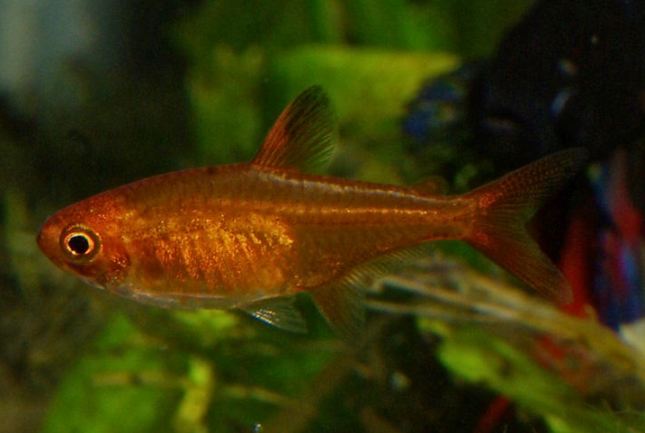
爱魮脂鲤(Hyphessobrycon amandae)是体型很小、色调温暖的群居灯鱼,性情温和,常活动于中上层。至少八至十条一群更不胆怯,适合安静的小型鱼群环境。
分布与栖息地
确定采集地来自巴西马托格罗索州莫尔特斯河,属于阿拉瓜亚河水系,完整分布尚不清楚。它可能生活在小支流、回水区和牛轭湖,而非主河道;同流域这些环境多为软而微酸的水,底部有落叶和枝条。
饲养环境
密植草缸配深色底材较理想,可加入浮水植物、沉木枝条和干燥落叶。落叶形成的微生物可为鱼苗提供补充食物。过滤温和即可,允许少量水流,不必制造强烈冲刷。
食性与喂食
野外可能捕食极小无脊椎动物和浮游动物。缸中接受合适粒径干饲料,同时应每天搭配丰年虾无节幼体、小水蚤、格林达尔蠕虫等适口小型活饵或冷冻饵,注意食物能真正入口。
习性与混养
不会很好地与大鱼或过度活跃的同伴竞争。可配体形相近的温和灯鱼、小型底栖鲶鱼和安静表层鱼,也可作为合适小型慈鲷的陪游鱼。它通常不主动捕猎鱼苗,但不能据此理解为所有卵苗都绝对安全。至少八至十条同养。
雌雄区分
雄鱼颜色更浓,繁殖状态尤其明显;雌鱼身体更圆。
繁殖
散卵且不护卵,状态良好的成鱼会经常产卵,成熟缸内可能自行出现少量鱼苗。若想提高数量,可用熟水设暗缸,铺隔网、玻璃珠或细叶植物、产卵拖把,让成鱼难以接触卵,并配轻柔充氧。
可放一对或一两雄配数雌,养好状态后入缸两三天再移走。最初鱼苗需要草履虫等极细食物或足够细的育苗粉,长大后才过渡到丰年虾无节幼体和微虫。
补充说明
多种带红色或火焰含义的商品名称容易混用,购买和繁殖记录宜以学名确认种类。
图片
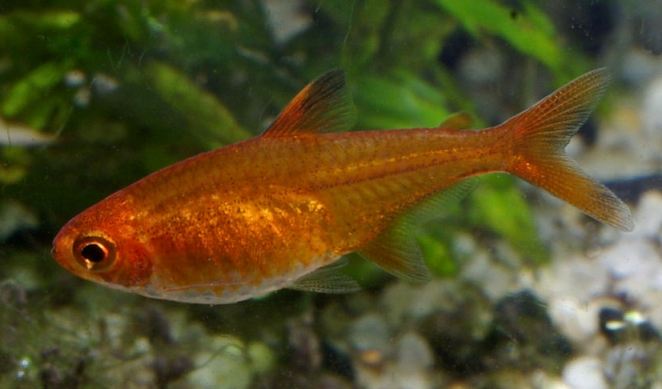
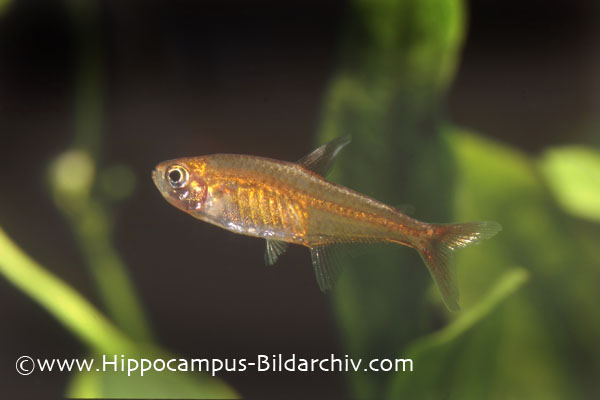
图片来自 SeriouslyFish,版权归各摄影者所有。
English
Overview
The tiny, warm-colored Hyphessobrycon amandae is a gentle shoaling tetra that spends much of its time in the middle and upper aquarium. Eight to ten or more together are less timid and show a fuller range of social behavior than a few scattered individuals.
Distribution & habitat
The confirmed collection locality is the das Mortes, an Araguaia tributary in Mato Grosso, Brazil. Its full range remains unclear. Small tributaries, backwaters, and oxbows are presumed habitat rather than firmly documented across the range. Such waters in the drainage commonly contain soft, mildly acidic water over leaves and branches.
Aquarium setup
Dense planting over a dark substrate is suitable. Floating cover, wood, and dried leaves provide additional structure; leaf-associated microorganisms can supplement fry diets. Gentle filtration is enough, although some circulation is tolerated.
Diet & feeding
Natural feeding probably centers on tiny invertebrates and zooplankton. Offer appropriately sized dry food alongside daily small live or frozen meals, such as newly hatched brine shrimp, small water fleas, or grindal worms. Food size matters for this small fish.
Behaviour & compatibility
Large or boisterous partners can outcompete it. Similar peaceful tetras, small bottom-dwelling catfishes, and calm surface fishes are preferable. It can act as a dither fish for suitable dwarf cichlids and does not normally hunt fry, though that is not a blanket guarantee for every brood. Keep a proper shoal of at least eight to ten.
Sexual dimorphism
Males show stronger color, especially when breeding, while females develop a rounder body.
Breeding
Adults scatter eggs without providing care. Small numbers of fry may appear spontaneously in a mature aquarium. For greater yield, use a separate dim setup with mature water, mild aeration, and fine plants, mops, mesh, or marbles that protect eggs.
Introduce a conditioned pair or one or two males with several females, then remove adults after two or three days. Start fry on infusoria or suitably fine prepared food before progressing to brine shrimp nauplii and microworms.
Notes
Several red or fire-themed trade names are used for small tetras. Scientific identification helps keep purchase and breeding records unambiguous.
来源
- https://www.seriouslyfish.com/species/hyphessobrycon-amandae(抓取于 2026-10-10)
hyphessobrycon-amandae · 文件: data/species/hyphessobrycon-amandae.md · 状态: 草稿