矮外腹吸鳅
概要
| 字段 | 值 |
|---|---|
| 类别 | 鱼 |
| 学名 | Hypergastromyzon humilis |
| 别名 | 矮外腹吸鰍 |
| 分类 | 鲤形目 Cypriniformes › 腹吸鳅科 Gastromyzontidae › Hypergastromyzon |
| 水体 | 淡水 |
| 原产地 | 印度尼西亚 |
| 成体体长 | 3.5 cm |
| 饲养难度 | 中等 |
| 最小水体 | 41 L |
| 最小缸长 | 45 cm |
| 群居方式 | 群游 |
| 水流偏好 | 高 |
| 特征 | 会跳缸: 是 |
| 外部数据 | seriouslyfish hypergastromyzon-humilis;fishbase 22971 |
水质参数
| 参数 | 耐受范围 | 最适范围 | 单位 |
|---|---|---|---|
| 水温 | 20–24 | — | °C |
| pH | 6–7.5 | — | — |
| 总硬度 | 2–12 | — | dGH |
概述
矮外腹吸鳅(Hypergastromyzon humilis)体形小、较娇弱,偶尔作为混入鱼出现在野采吸鳅中。它不适合与强势的其他吸鳅同缸争食,伙伴选择要比一般吸鳅更谨慎。
分布与栖息地
仅知来自印度尼西亚西加里曼丹卡普阿斯河水系的默拉维河流域。同属典型栖地为清澈、富氧的浅森林急流,底部石砾覆有附着生物,鱼多迎流贴在石块侧面、后方或下方。
饲养环境
底面积可参考 45 × 30 厘米,布置砂砾和多种大小的圆石,保持强过滤、高溶氧,每小时循环可参考水体的 10–15 倍。较强照明促进藻膜,避免新木严重染水;耐受植物、外露海绵可增加食物表面。只放入成熟缸,规律部分换水并保留附着物,缸盖要严密以防攀爬。
食性与喂食
天然食物可能主要是藻类与伴生微生物。可给优质干粮、富蔬菜和螺旋藻的凝胶食物及适量动物饵,避免高蛋白过量。稳定供应硅藻和柔软绿藻,需要时另培石块轮换;消瘦个体必须先获得无竞争的持续喂食。
习性与混养
避免强势的爬岩鳅属、拟腹吸鳅属、爬鳅属成员,也不推荐条鳅类。较温和的其他吸鳅及溪流虾虎鱼可作为选择,中上层宜小型、温和的鱼。同属有松散群聚倾向,但混入贸易不稳定,凑齐同种要先核对身份。
雌雄区分
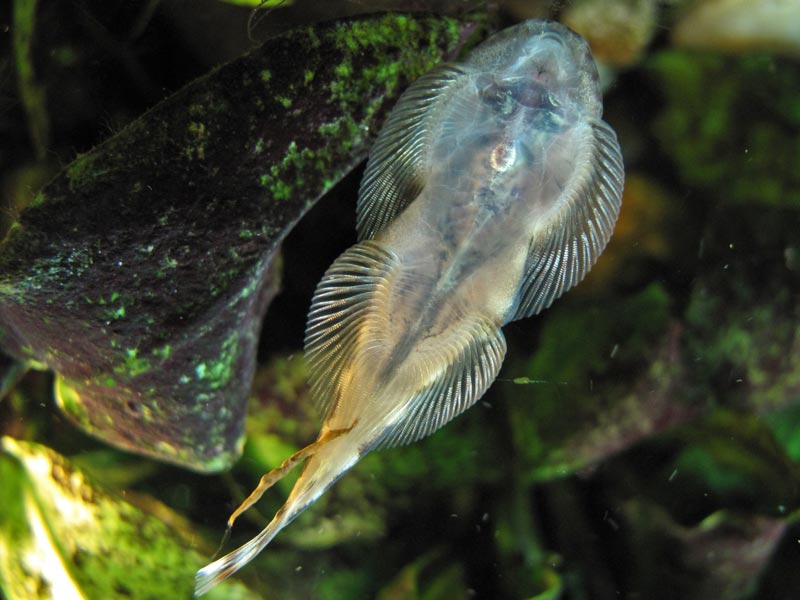
从上下方向看,雌鱼较宽厚,吻与胸鳍轮廓较连贯;雄鱼较纤细、吻较方,胸鳍伸出更接近直角。
补充说明
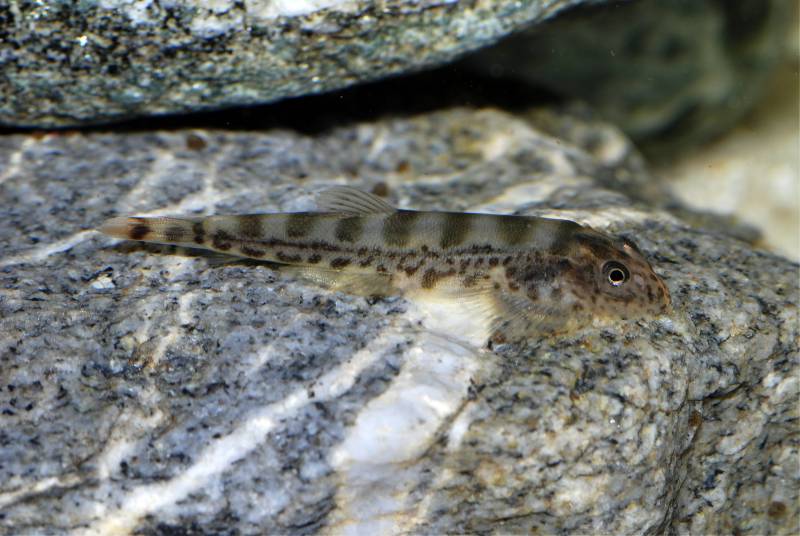
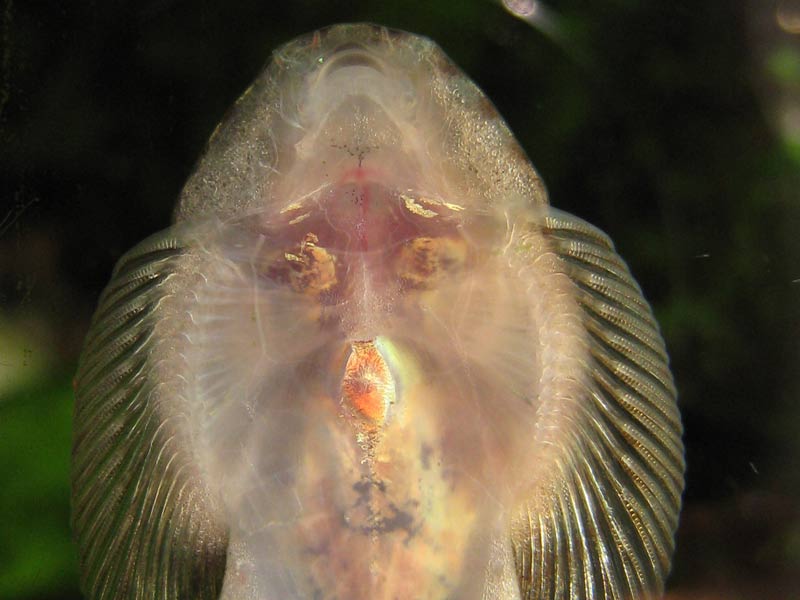
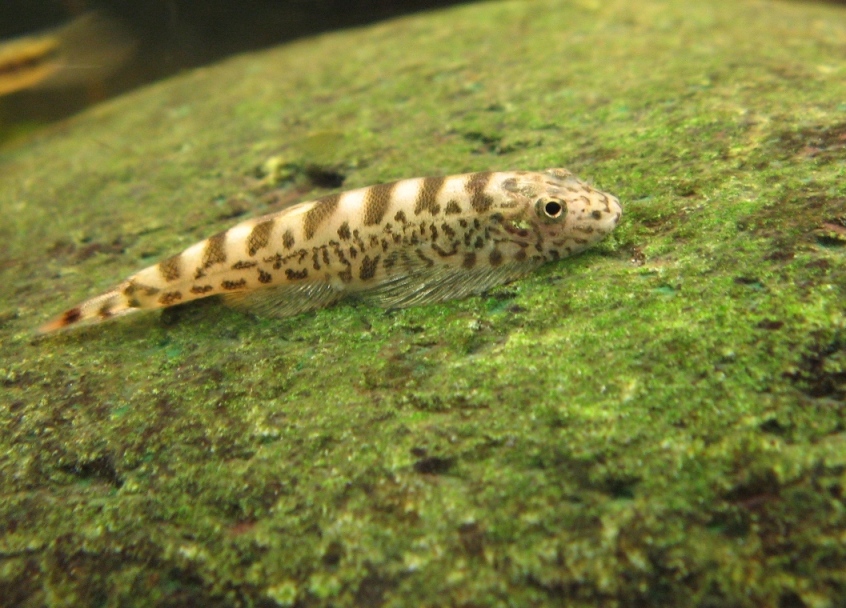
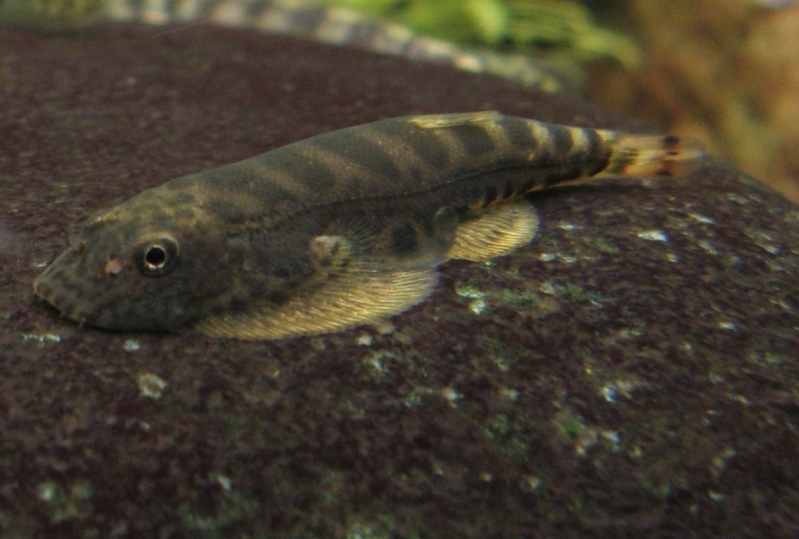
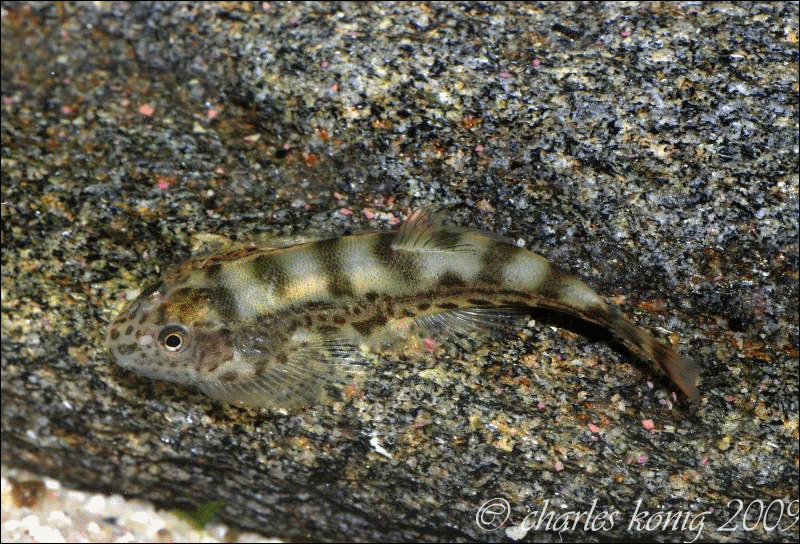
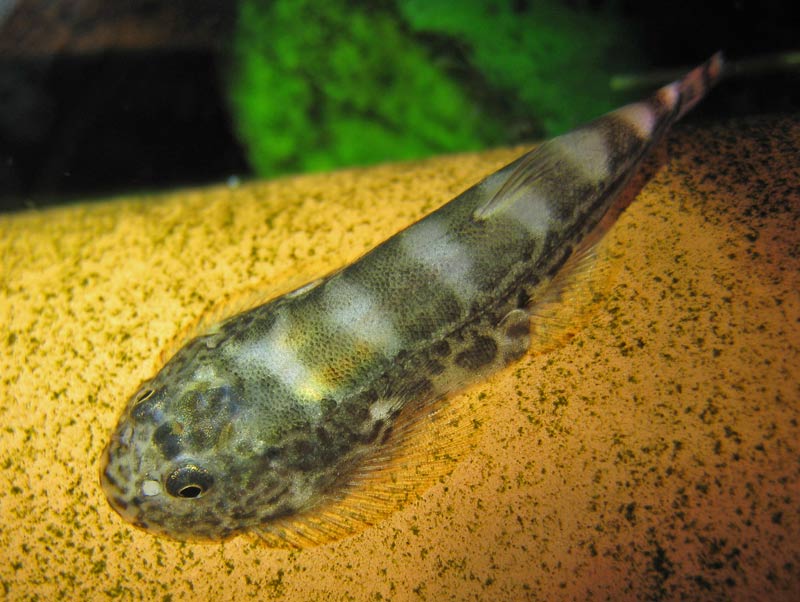
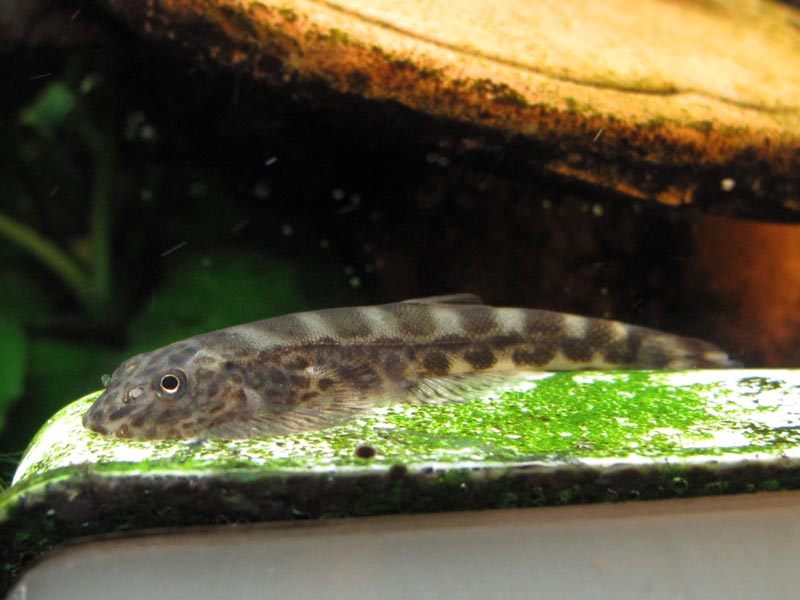
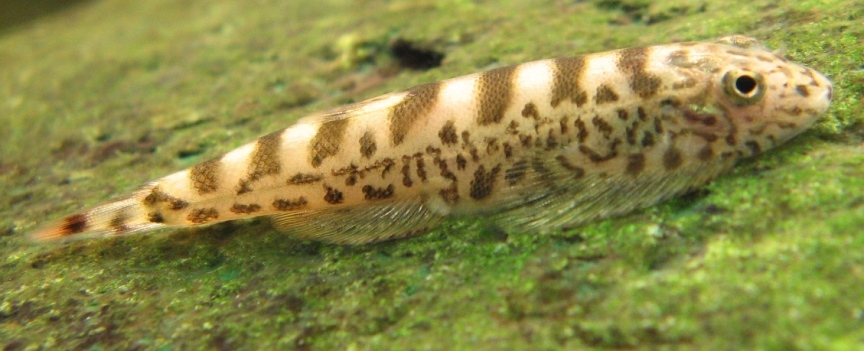
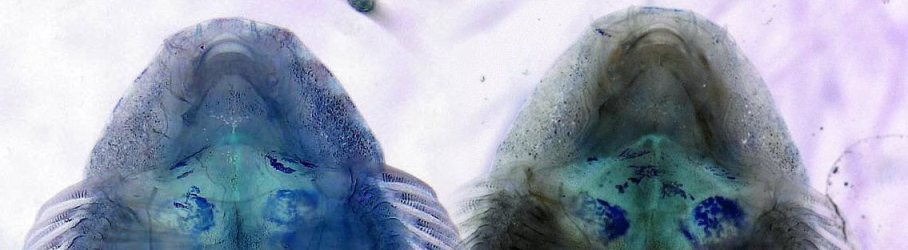
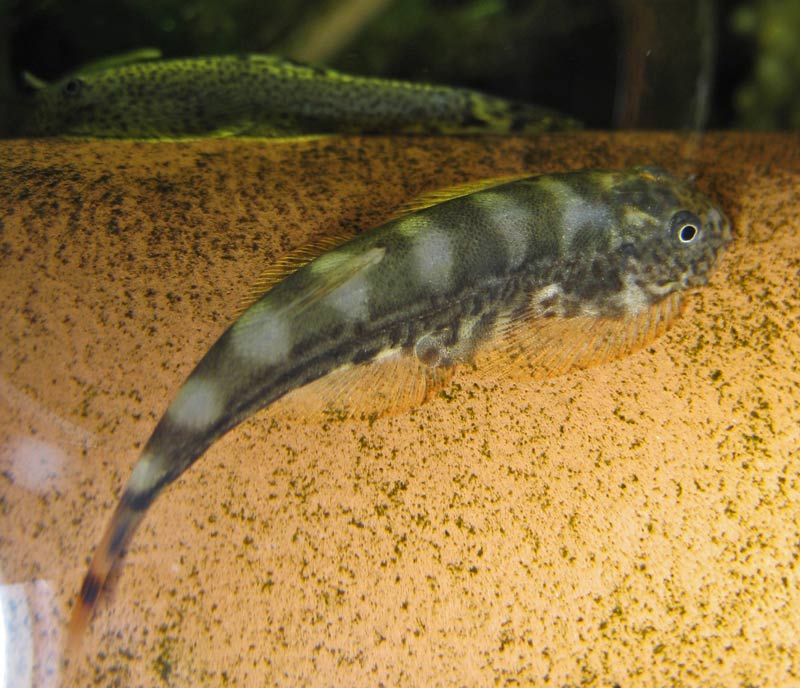
背部七至八道乳白横纹、完全融合的腹鳍和小鳃孔可辅助辨认。口部较小且缺少乳突,与不少宽口近似吸鳅不同。
图片
图片来自 SeriouslyFish,版权归各摄影者所有。
English
Overview
Small and relatively delicate, Hypergastromyzon humilis occasionally arrives as bycatch in wild loach shipments. It needs more restrained companion choices than many hillstream loaches, particularly where dominant relatives would monopolize food or space.
Distribution & habitat
It is known only from the Melawi basin within the Kapuas system of West Kalimantan. Genus-level habitat accounts describe shallow forest torrents with oxygenated water, rocky grazing surfaces, and fish holding position around rocks while facing the current.
Aquarium setup
Use a 45 by 30 cm footprint with varied rounded rocks over sand or gravel. Effective filtration and aeration should support the suggested turnover of 10–15 tank volumes per hour. Light promotes surface growth; avoid heavily staining fresh wood. Plants and accessible sponge surfaces add grazing area. Introduce fish only to mature water, maintain regular partial changes, and secure the lid.
Diet & feeding
Algae and associated organisms are its probable natural foods. Supplement grazing with suitable dry and vegetable-rich gel foods, using animal prey moderately. Diatoms and soft green growth are preferable to tough algae. Separately cultured rocks can renew supply, while weakened fish need uncontested food during recovery.
Behaviour & compatibility
Avoid dominant Beaufortia, Pseudogastromyzon, or Sewellia and omit nemacheilid loaches. Gentler hillstream loaches, riverine gobies, and tiny peaceful open-water cyprinids are better candidates. The genus tends to aggregate loosely, although assembling an identified group can be difficult when fish arrive only as bycatch.
Sexual dimorphism
Females are broader with a smoother snout-to-pectoral outline. Males are slimmer, with a squarer snout and more angular pectoral origins.
Notes
Seven or eight pale dorsal bars, fully joined pelvic fins, and small gill openings are useful clues. The small mouth lacking papillae distinguishes it from several broader-mouthed lookalikes.
来源
- https://www.seriouslyfish.com/species/hypergastromyzon-humilis(抓取于 2026-10-10)
hypergastromyzon-humilis · 文件: data/species/hypergastromyzon-humilis.md · 状态: 草稿