Hypancistrus sp. · L260
概要
| 字段 | 值 |
|---|---|
| 类别 | 鱼 |
| 学名 | Hypancistrus sp. |
| 别名 | Queen Arabesque Pleco |
| 分类 | 鲶形目 Siluriformes › 骨甲鲶科 Loricariidae › Hypancistrus |
| 水体 | 淡水 |
| 原产地 | 巴西 |
| 成体体长 | 9 cm |
| 饲养难度 | 中等 |
| 最小水体 | 81 L |
| 最小缸长 | 90 cm |
| 群居方式 | 群游 |
| 性情 | 温和 |
| 外部数据 | seriouslyfish hypancistrus-sp-l260 |
| 繁殖方式 | 附着产卵 |
水质参数
| 参数 | 耐受范围 | 最适范围 | 单位 |
|---|---|---|---|
| 水温 | 24–30 | — | °C |
| pH | 5.5–7.5 | — | — |
| 总硬度 | 1–15 | — | dGH |
概述
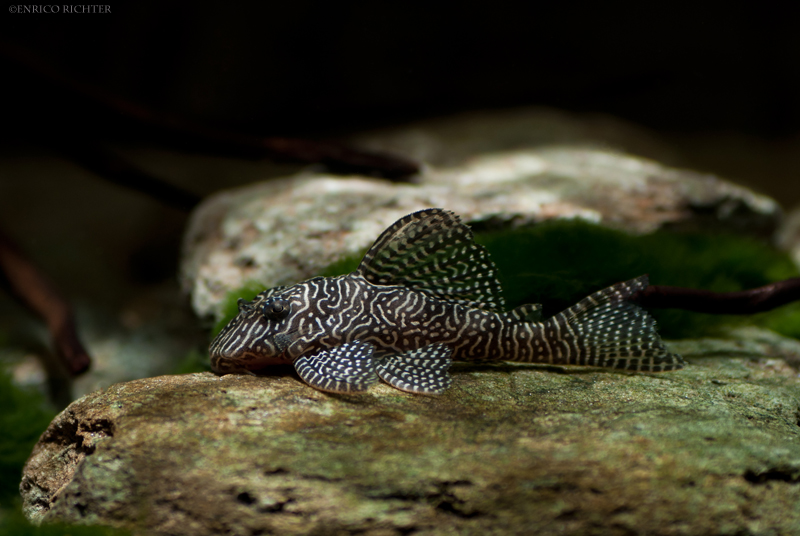
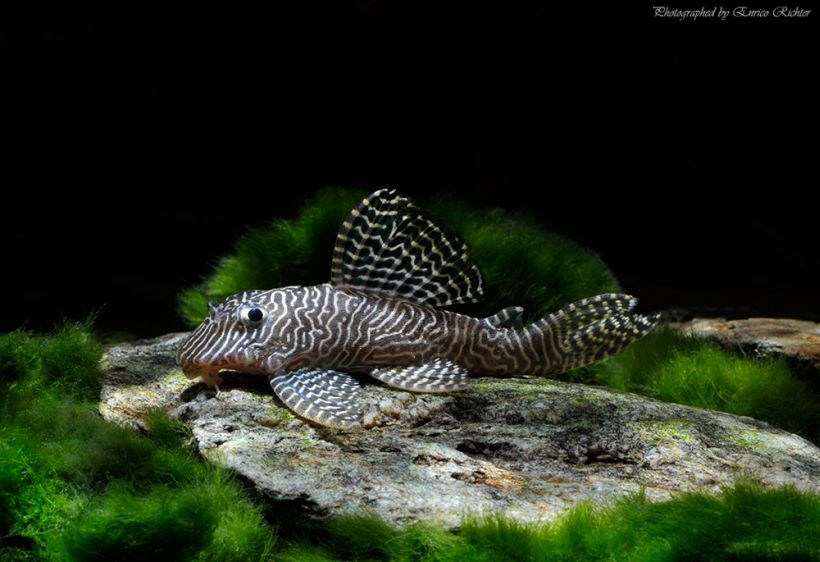
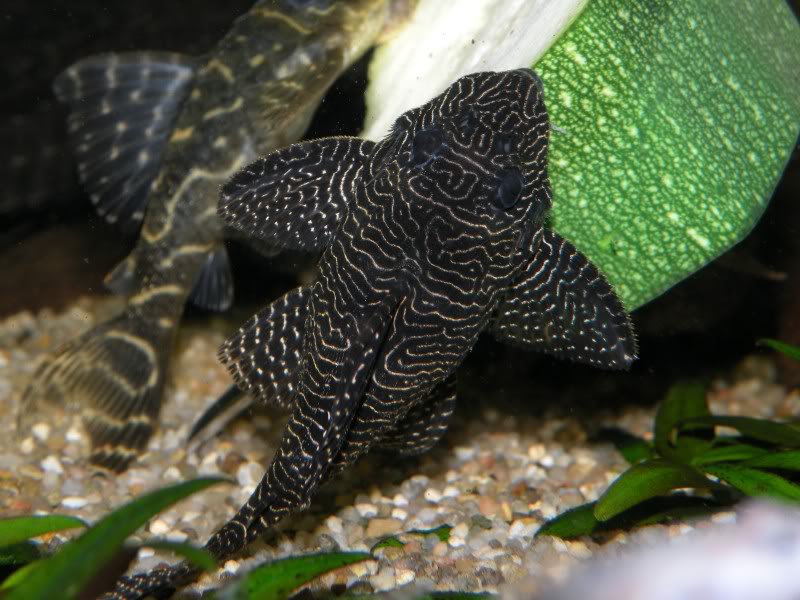
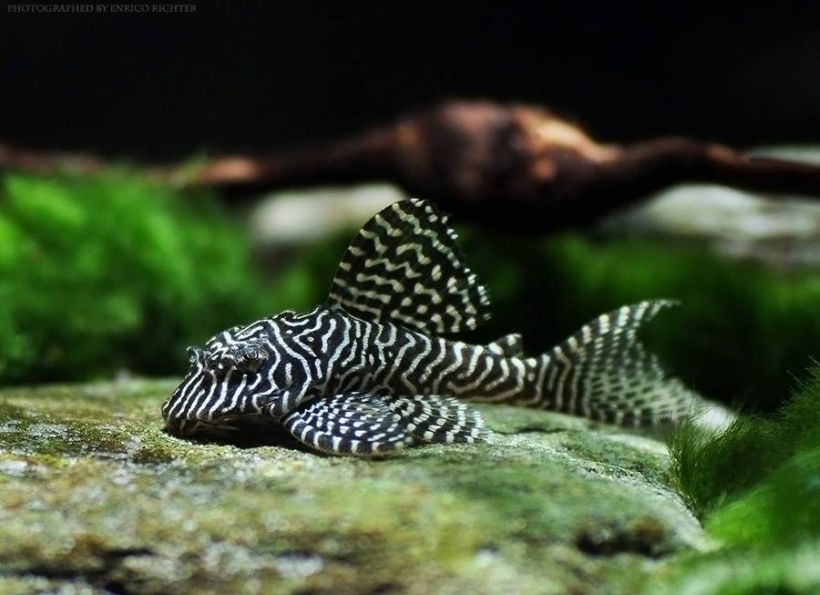
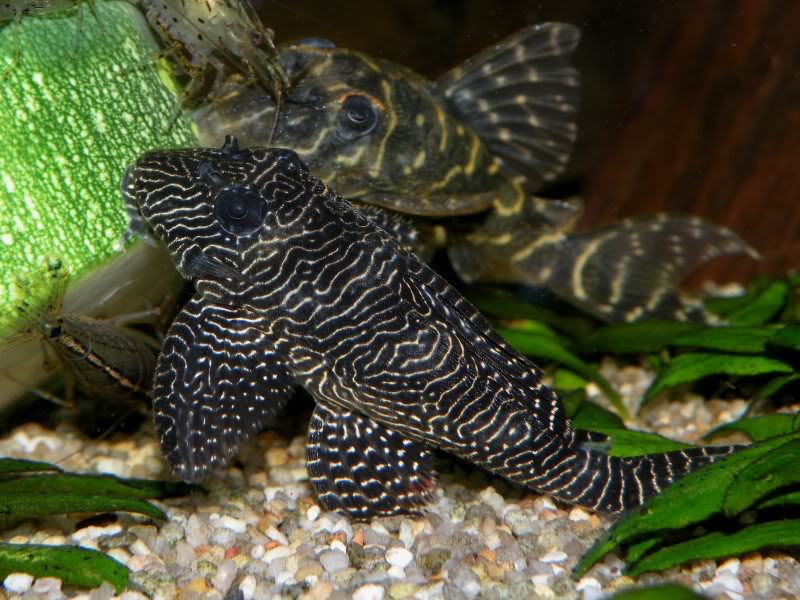
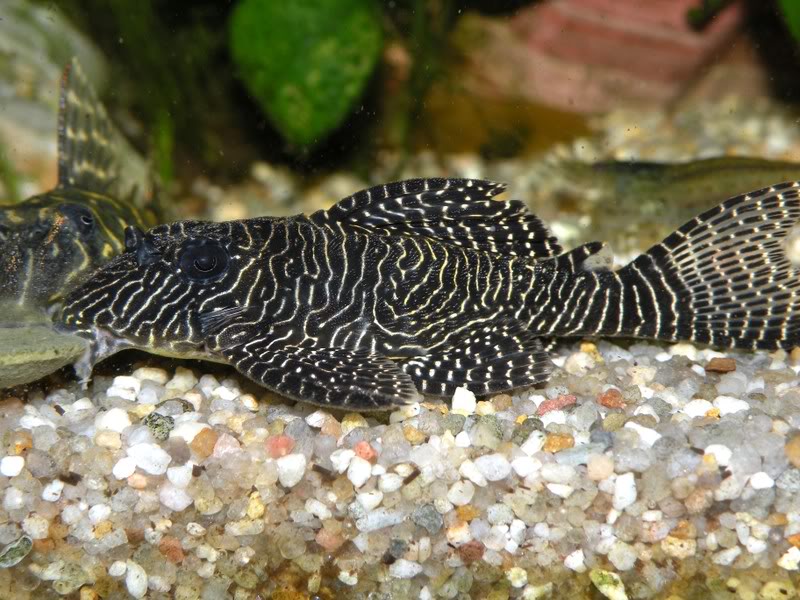
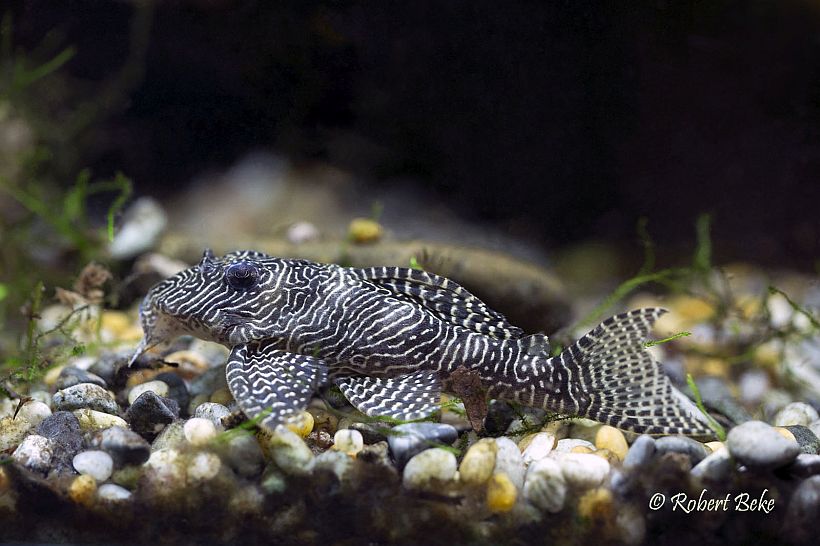
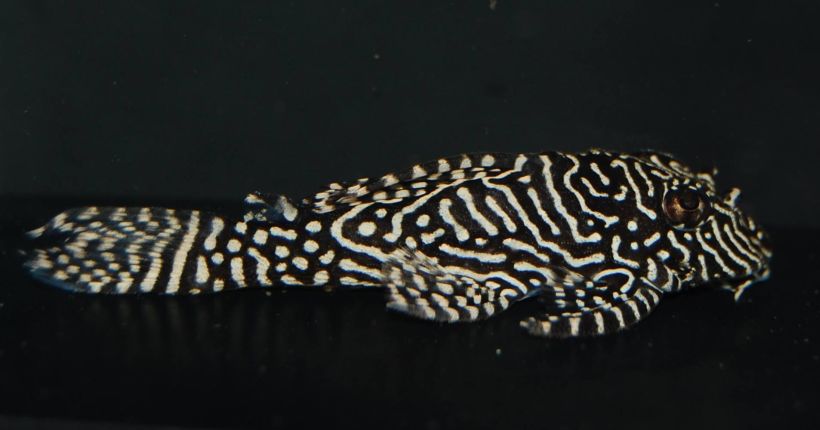
L260 是塔帕若斯河下游的未描述 Hypancistrus,黑色体表布满细白色蠕虫状纹。它通常温和,但需要洁净富氧的流水环境,不能只因体形不大就放入缺乏维护的混养缸。
分布与栖息地
仅知分布于巴西北部帕拉州塔帕若斯河下游,从河口圣塔伦延伸到 Itaituba 以南的 Pimental。该河属于亚马孙河下游支流。
当地水电开发计划曾被认为可能威胁采集河段,影响取决于具体工程进展,不能把早期预测当作已经发生的结果。
饲养环境
建议布置溪流式环境,用不同大小的石块、沙和细砾形成底床,再加沉木、陶管或花盆等洞穴。藏身处、阴影和错开的视线能让鱼安心停留。
不耐有机污染积累,每周约 30%~50% 换水应成为常规。保持中高溶氧和适当水流,按需要使用过滤、造流或气石。
食性与喂食
天然可能偏向动物性食物的杂食,包括水生无脊椎动物。缸中可用沉底干粮、冷冻水蚤、孑孓、红虫和虾肉等多样搭配,也可能接受生马铃薯及其他蔬菜。
自制凝胶饵可把肉类、鲜蔬菜和螺旋藻等成分结合,避免把它单纯当作吃藻鱼。
习性与混养
总体温和,可与适合的安静伙伴共同饲养,但面对强领地或好斗鱼类时竞争力不足。不要与其他 Hypancistrus 同缸繁殖,以免杂交。
雌雄区分
成年雄鱼头更宽,胸鳍前缘和鳃盖附近齿突更发达,年长雄鱼可能变深色。俯视时雄鱼通常更纤细,雌鱼较厚实。
繁殖
洞穴产卵,由雄鱼照看卵和幼鱼,已经在水族饲养中多次成功繁殖。
补充说明
与来自 Jarí 河、体形较大的 L411 相比,L260 白色蠕虫纹明显更细;L411 的黑白部分宽度较接近。编号和花纹应共同核对,不能只用“黑白迷宫纹”判断身份。
属内许多贸易鱼仍以编号识别,正式定名与外观鉴定需要区分。
图片
图片来自 SeriouslyFish,版权归各摄影者所有。
English
Overview
L260 is an undescribed lower-Tapajós Hypancistrus with fine white vermiculations over a dark body. Generally peaceful behavior does not reduce its need for clean, oxygenated moving water and consistent maintenance.
Distribution & habitat
Its known range follows the lower Tapajós in Pará, northern Brazil, from Santarém at the mouth to Pimental south of Itaituba. The river is a tributary of the lower Amazon.
Hydroelectric plans have been identified as a potential threat to collecting reaches. The actual effect depends on project development rather than following automatically from an earlier prediction.
Aquarium setup
Create a stream-style arrangement using mixed-size rocks, sand, and fine gravel. Add wood, ceramic pipes, or pots to form caves, shaded recesses, and interrupted sight lines.
Organic waste must not accumulate. Weekly changes of roughly 30–50% are appropriate routine care. Maintain moderate to high oxygen levels and some movement, using filtration, circulation pumps, or airstones as required.
Diet & feeding
Wild fish are presumed omnivorous with a preference for aquatic invertebrates and other small animals. In captivity, vary sinking preparations with frozen water fleas, mosquito larvae, bloodworms, and shrimp flesh. Raw potato or other vegetables may also be accepted.
Gel foods can combine animal ingredients with fresh vegetables and Spirulina. It should not be treated simply as an algae eater.
Behaviour & compatibility
Suitable quiet companions can be housed with this generally peaceful fish. Strongly territorial or aggressive tankmates are poor competitors to place around it. Avoid mixing other Hypancistrus for breeding because hybridization may occur.
Sexual dimorphism
Males develop broader heads and more extensive odontodes on the leading pectoral rays and around the gill-cover region. Older males may darken. Viewed from above, males are usually slimmer and females stockier.
Breeding
It spawns in caves, with the male tending the brood, and has been bred repeatedly in captivity.
Notes
The larger L411 from the Jarí resembles L260, but its black and white markings are closer in width. L260 has noticeably finer white vermiculations, so identification should use pattern detail alongside the number.
Many traded members of the genus are still identified by codes. Formal naming and visual identification remain separate tasks.
来源
- https://www.seriouslyfish.com/species/hypancistrus-sp-l260(抓取于 2026-10-10)
hypancistrus-sp-l260 · 文件: data/species/hypancistrus-sp-l260.md · 状态: 草稿