Hypancistrus sp. · L066
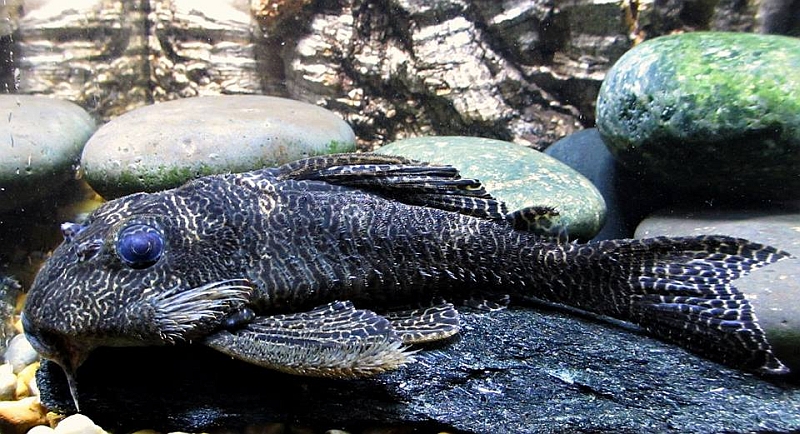
概要
| 字段 | 值 |
|---|---|
| 类别 | 鱼 |
| 学名 | Hypancistrus sp. |
| 别名 | King Tiger Plec |
| 分类 | 鲶形目 Siluriformes › 骨甲鲶科 Loricariidae › Hypancistrus |
| 水体 | 淡水 |
| 原产地 | 巴西 |
| 成体体长 | 14 cm |
| 饲养难度 | 中等 |
| 最小水体 | 243 L |
| 最小缸长 | 120 cm |
| 群居方式 | 群游 |
| 性情 | 温和 |
| 水流偏好 | 高 |
| 外部数据 | seriouslyfish hypancistrus-sp-l066 |
| 繁殖方式 | 附着产卵 |
水质参数
| 参数 | 耐受范围 | 最适范围 | 单位 |
|---|---|---|---|
| 水温 | 26–30 | — | °C |
| pH | 5–7 | — | — |
| 总硬度 | 2–15 | — | dGH |
概述
L066(Hypancistrus sp.)是花纹多变的未定名异型,常与 L333、L400 混淆。适应良好的个体总体温和,但需要清洁富氧水体,不能只按漂亮花纹忽略环境与身份。
分布与栖息地
来自巴西帕拉州欣古河贝洛蒙特附近及下游,典型生境是岩石底的湍急河段。早期资料担忧水坝建设会破坏大量生境,这属于当时提出的风险,不能直接作为当前状态统计。
饲养环境
缸底至少约 120 × 45 cm。用岩石、砂、细砾和圆石模拟溪流,沉木、陶管或花盆安排缝隙、暗处和视线遮挡。
有机废物不能积累,每周换约 30%~50% 水,维持高溶氧和一定水流;不必让整个缸都承受猛烈急流。过滤、造流或气石可按需要搭配。
食性与喂食
除幼鱼阶段外,更偏好肉食菜单,可喂红虫、碎贻贝、虾肉和沉底粮。不能期待它以藻和植物材料为主食,黄瓜或西葫芦也可能只是偶尔啃几口。
习性与混养
整体较温和,可与安静、条件相符的伙伴混养。避免与其他同属异型共同饲养繁殖群,以减少杂交和身份混乱。
雌雄区分
俯视雄鱼通常更修长,雌鱼较粗壮。雌雄齿突发育常接近,只有部分较老雄鱼胸鳍齿突更明显,不能把齿突多少当作普遍可靠的单一依据。
繁殖
洞内产卵,雄鱼负责照顾后代,已有规律的人工繁殖记录。
补充说明
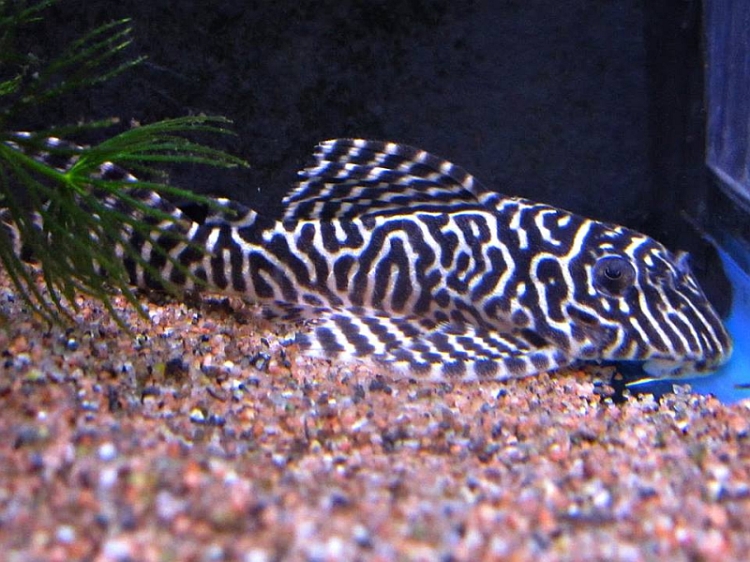
相较 L333,L066 身上浅色纹路更细;相较 L400,体形更短壮。花纹变异大,仍需结合来源和其他特征辨认。
图片
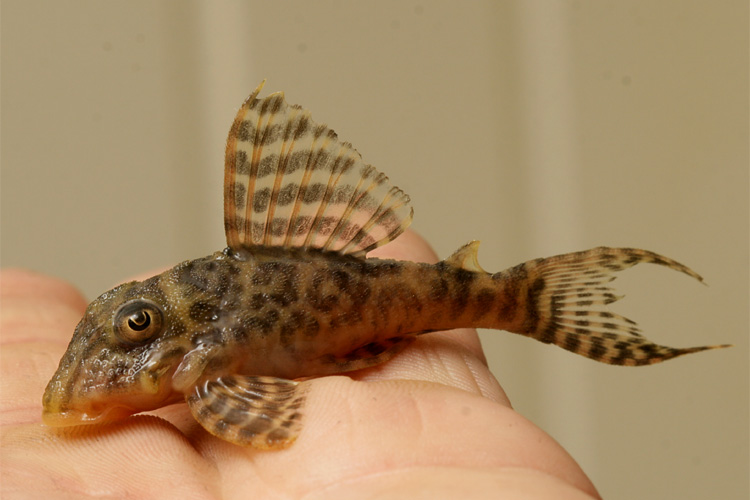
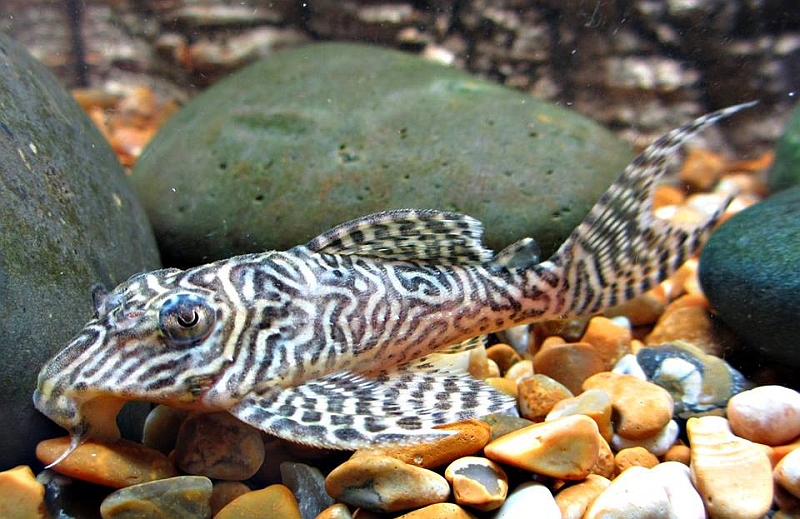
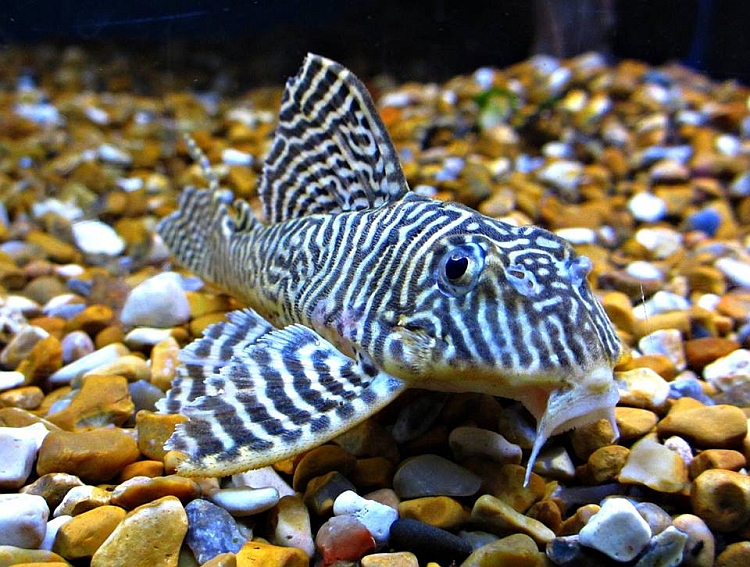
图片来自 SeriouslyFish,版权归各摄影者所有。
English
Overview
L066 is an undescribed Hypancistrus with variable patterning and frequent confusion with L333 and L400. Established fish are generally peaceful, but clean, oxygen-rich accommodation and reliable identification remain more important than pattern alone.
Distribution & habitat
It comes from the Xingu near and downstream of Belo Monte in Pará, Brazil, typically occupying turbulent rocky rapids. Earlier accounts raised concern about dam-related habitat damage; those forecasts should not be treated as a current quantified assessment.
Aquarium setup
Allow at least a 120 × 45 cm footprint. Rocks, sand, gravel, and rounded boulders can form a stream setting. Wood, ceramic pipes, and pots create shaded crevices and broken sight lines.
Prevent organic buildup with weekly changes of approximately 30–50%. Maintain ample oxygen and some circulation using suitable filters, pumps, or aeration. Torrential flow throughout the aquarium is unnecessary.
Diet & feeding
Beyond the juvenile stage it favors a meaty menu, including bloodworms, chopped mussels, shrimp meat, and sinking foods. Do not expect algae or vegetable matter to provide the staple diet; cucumber or zucchini may receive only occasional attention.
Behaviour & compatibility
Generally peaceful fish can join quiet companions with matching needs. Avoid housing breeding stocks with other Hypancistrus to prevent hybridization and confusion over offspring identity.
Sexual dimorphism
From above, males tend to be slimmer than females. Odontode development is often similar in both sexes, although some older males have stronger pectoral growth. Spine prominence alone is therefore unreliable.
Breeding
It breeds regularly in aquaria, laying eggs in caves with male care.
Notes
Compared with L333, its pale body markings are finer; compared with L400, its body is shorter and stockier. Consider provenance and multiple characters when identifying variable patterns.
来源
- https://www.seriouslyfish.com/species/hypancistrus-sp-l066(抓取于 2026-10-10)
hypancistrus-sp-l066 · 文件: data/species/hypancistrus-sp-l066.md · 状态: 草稿