Hypancistrus sp. · L004
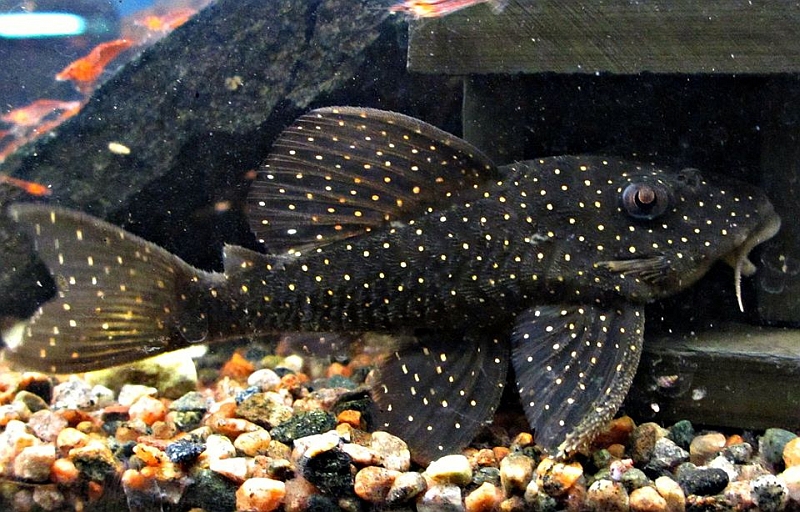
概要
| 字段 | 值 |
|---|---|
| 类别 | 鱼 |
| 学名 | Hypancistrus sp. |
| 别名 | L005、L028、L073、Angelicus Pleco |
| 分类 | 鲶形目 Siluriformes › 骨甲鲶科 Loricariidae › Hypancistrus |
| 水体 | 淡水 |
| 原产地 | 巴西 |
| 成体体长 | 10 cm |
| 饲养难度 | 中等 |
| 最小水体 | 108 L |
| 最小缸长 | 120 cm |
| 群居方式 | 群游 |
| 性情 | 温和 |
| 水流偏好 | 高 |
| 外部数据 | seriouslyfish hypancistrus-sp-l004 |
| 领地性 | 是 |
| 繁殖方式 | 附着产卵 |
水质参数
| 参数 | 耐受范围 | 最适范围 | 单位 |
|---|---|---|---|
| 水温 | 26–30 | — | °C |
| pH | 5.5–7.5 | — | — |
| 总硬度 | 1–20 | — | dGH |
概述
Hypancistrus sp. L004 是未定名的斑点异型,与 L005、L028、L073 等编号相关。整体温和,却会与同种及相似体形鱼争地,繁殖群还需避免混入其他同属鱼。
分布与栖息地
来自巴西帕拉州亚马孙河下游近河口支流。L004 与 L005 分别用于卡梅塔附近托坎廷斯河鱼的幼体和成体,L028 来自欧伦的瓜马河,L073 来自波特尔地区的帕拉河。编号同时反映产地和成长阶段,并非每个号都代表独立物种。
饲养环境
缸底至少约 120 × 30 cm。以岩石、砂、细砾和圆石布成溪流,沉木、陶管或花盆提供暗处和缝隙,切断视线。
维持高溶氧、清洁水体和一定水流,但不必把全缸做成猛烈急流。每周换约 30%~50% 水,避免有机污染积累。
食性与喂食
野生可能杂食、偏好水生无脊椎动物。缸内可用沉底粮搭配水蚤、蚊幼虫、红虫和虾肉,幼鱼也会接受一些鲜果蔬及焯煮马铃薯。混合植物和动物食材的凝胶饵可增加多样性。
习性与混养
整体温和,可与合适伙伴混养,但同种和体形相似鱼之间有领地冲突,应充分分隔藏处。避免与其他同属鱼合养繁殖,以减少杂交。
雌雄区分
成熟雄鱼头较宽,胸鳍首鳍条和鳃盖附近齿突更发达。俯视雄鱼通常比雌鱼修长。
繁殖
在洞中产卵,由雄鱼照顾后代,已有多次人工繁殖。应保留配对鱼的编号和来源,避免把不同身份的繁殖结果混记。
补充说明
曾被冠以错误贸易名 Peckoltia angelicus,这个名称不能代替本记录的未定名身份。
图片
图片来自 SeriouslyFish,版权归各摄影者所有。
English
Overview
Hypancistrus sp. L004 is an undescribed spotted pleco associated with codes L005, L028, and L073. Generally peaceful behavior coexists with territorial rivalry, and breeding stocks should remain separate from other members of the genus.
Distribution & habitat
It comes from lower Amazon tributaries near the mouth in Pará, Brazil. L004 and L005 refer to juvenile and adult fish from the Tocantins near Cametá. L028 originates in the Guamá at Ourém, and L073 in the Pará River within Portel municipality. Codes can therefore reflect locality or growth stage rather than independent species.
Aquarium setup
Allow at least a 120 × 30 cm footprint. Combine rocks, sand, gravel, and rounded boulders with wood, ceramic pipes, or pots. Arrange shaded crevices and broken sight lines.
Maintain high oxygen, clean water, and circulation without making every part of the aquarium torrential. Weekly changes of approximately 30–50% help control organic accumulation.
Diet & feeding
Wild fish are likely omnivorous, favoring aquatic invertebrates. Offer sinking foods alongside water fleas, mosquito larvae, bloodworms, and shrimp meat. Juveniles also accept some fruit or lightly cooked potato. Mixed vegetable and animal gel foods can provide variety.
Behaviour & compatibility
It can join a carefully selected community, but conspecifics and similarly shaped fishes provoke territoriality. Provide separated shelters. Do not combine breeding stocks with other Hypancistrus, because hybridization is possible.
Sexual dimorphism
Mature males have broader heads and stronger pectoral and gill-cover odontodes. Viewed from above, they are usually slimmer than females.
Breeding
Repeated aquarium breeding is documented. Eggs are laid in caves and the male provides care. Keep locality and code information with breeding pairs and their offspring.
Notes
The name Peckoltia angelicus has been applied incorrectly in trade and does not resolve the fish's undescribed identity.
来源
- https://www.seriouslyfish.com/species/hypancistrus-sp-l004(抓取于 2026-10-10)
hypancistrus-sp-l004 · 文件: data/species/hypancistrus-sp-l004.md · 状态: 草稿