Hydrolycus tatauaia
概要
| 字段 | 值 |
|---|---|
| 类别 | 鱼 |
| 学名 | Hydrolycus tatauaia |
| 分类 | 脂鲤目 Characiformes › 犬齿脂鲤科 Cynodontidae › Hydrolycus |
| 水体 | 淡水 |
| 原产地 | 巴西、委内瑞拉、哥伦比亚、圭亚那 |
| 成体体长 | 45.5 cm |
| 饲养难度 | 中等 |
| 群居方式 | 独居 |
| 特征 | 会跳缸: 是;吃小鱼: 是 |
| 外部数据 | seriouslyfish hydrolycus-tatauaia;fishbase 57815 |
| 食性 | 肉食 |
水质参数
| 参数 | 耐受范围 | 最适范围 | 单位 |
|---|---|---|---|
| 水温 | 24–28 | — | °C |
| pH | 6–8 | — | — |
| 总硬度 | 2–15 | — | dGH |
概述
Hydrolycus tatauaia 是大型食鱼性犬齿脂鲤,适合公共展示或极少数能长期承担成体空间需求的私人设施。与一些近亲相比可较平和,但捕食能力和对相似鱼的偶发攻击仍限制混养。
分布与栖息地
分布在亚马逊中下游、委内瑞拉和哥伦比亚的奥里诺科河上游,以及圭亚那沿海水系,模式产地位于巴西欣古河。成鱼多利用白水、黑水河流主道和大支流的流水段;幼鱼可能进入小支流和淹水森林。
饲养环境
可以使用简单或裸缸布局,偏好较暗照明,据称有一定夜间活动倾向。用过滤、造流及必要的增氧维持高溶氧和适中水流,只养在稳定成熟的系统内,每周换水 30–50%。它善跳跃,缸盖必须严密。
食性与喂食
天然为专性食鱼者,可吞食相当大的猎物。新鱼往往起初只吃活鱼,多数可逐渐驯化为非活饵。不要喂牛心、鸡肉等陆生动物肉,长期投喂饵料鱼也无必要,并有病原和营养风险。
习性与混养
最好单养,或在足够大的设施中与体形相当、温和且无法被吞下的鱼搭配。体色或轮廓相似的鱼偶尔会遭攻击,空间不足时尤甚。同种群养也可尝试,但需很大空间,并建议至少三尾;这不是普通混养缸可轻易满足的条件。
繁殖
自然环境中约在 11 月至次年 4 月繁殖,成鱼会长距离逆流迁徙。
补充说明
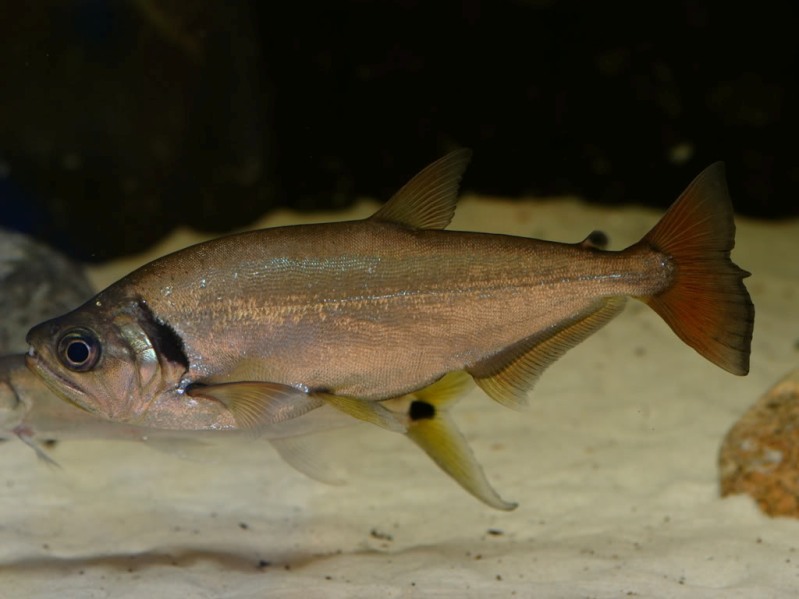
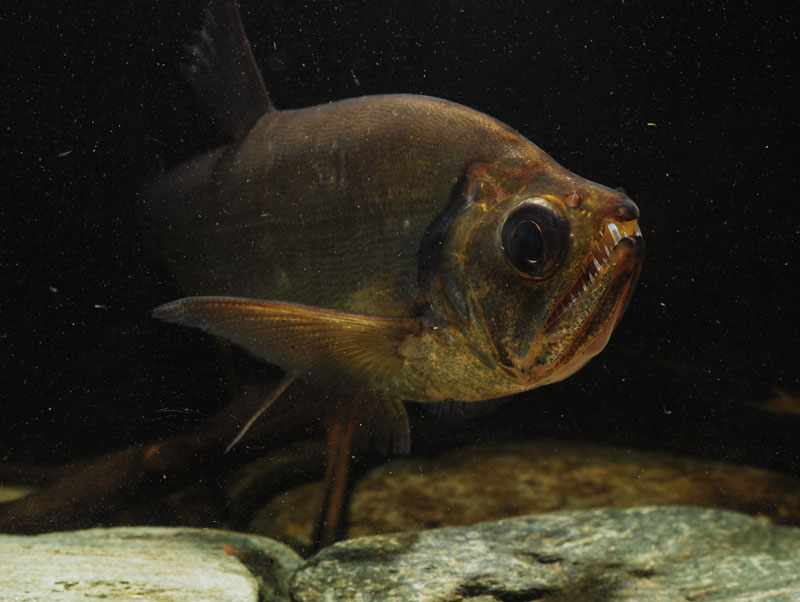
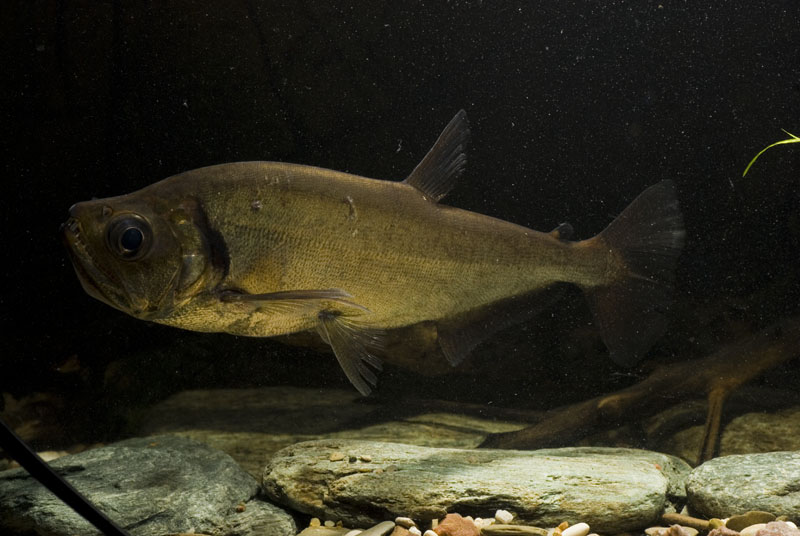
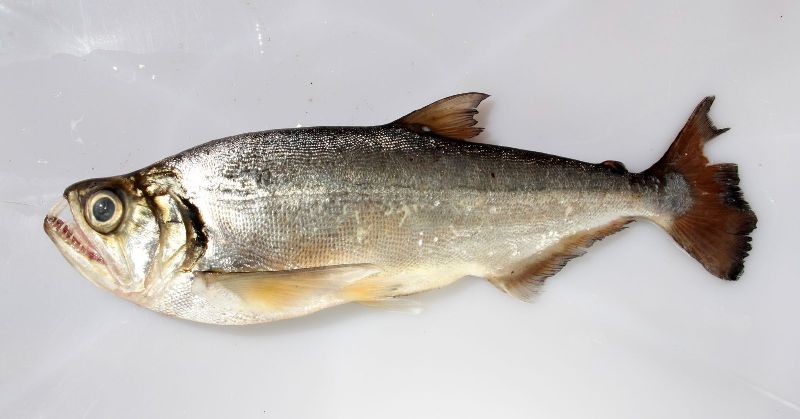
体侧银色、背面较暗,鳃盖后有长形暗斑;背鳍、尾鳍和臀鳍靠近基部的鳍条可呈红至橙色,脂鳍也有弥散暗色。颜色深浅会因个体而异,鉴别应结合整套特征。
图片
图片来自 SeriouslyFish,版权归各摄影者所有。
English
Overview
Long-term housing of Hydrolycus tatauaia calls for a public display or an exceptional private aquarium. This large piscivore can be relatively peaceful under suitable conditions, yet prey capacity and occasional attacks on similar fishes sharply limit compatibility.
Distribution & habitat
Its range spans the lower and central Amazon, the upper Orinoco in Venezuela and Colombia, and coastal Guyana drainages, with the type site on Brazil’s Xingu. Adults use flowing main channels and large tributaries in whitewater and blackwater systems. Juveniles probably occupy smaller tributaries and flooded forest.
Aquarium setup
Simple or bare layouts are possible. It prefers subdued lighting and is said to have some nocturnal tendencies. Maintain abundant oxygen and moderate circulation with appropriate equipment, use an established stable system, and change 30–50% weekly. Secure the cover against jumping.
Diet & feeding
An obligate piscivore, it can swallow surprisingly large prey. New fish may initially accept only live fishes, but most can be weaned onto nonliving alternatives. Avoid terrestrial meats such as beef heart and chicken. Long-term feeder-fish use is unnecessary and carries disease and nutritional concerns.
Behaviour & compatibility
Solitary care is safest, with similarly sized peaceful fishes an alternative only when they cannot be swallowed and space is ample. Similar colors or body shapes can trigger attacks, especially in cramped quarters. A conspecific group is possible in suitably large facilities, with at least three recommended.
Breeding
Wild reproduction occurs roughly between November and April, with adults making long upstream migrations.
Notes
A silver body with a dark back, elongated mark behind the gill cover, reddish-orange proximal dorsal, anal, and tail rays, and a dusky adipose fin help identify it. Intensity varies among individuals, so use the complete character combination.
来源
- https://www.seriouslyfish.com/species/hydrolycus-tatauaia(抓取于 2026-10-10)
hydrolycus-tatauaia · 文件: data/species/hydrolycus-tatauaia.md · 状态: 草稿