Hydrolycus armatus · Payara
概要
| 字段 | 值 |
|---|---|
| 类别 | 鱼 |
| 学名 | Hydrolycus armatus |
| 别名 | Hydrocyon armatus |
| 分类 | 脂鲤目 Characiformes › 犬齿脂鲤科 Cynodontidae › Hydrolycus |
| 水体 | 淡水 |
| 原产地 | 巴西亚马逊东部、委内瑞拉奥里诺科河及圭亚那埃塞奎博河 |
| 成体体长 | 66 cm |
| 饲养难度 | 中等 |
| 群居方式 | 独居 |
| 领地性 | 是 |
| 特征 | 会跳缸: 是;吃小鱼: 是 |
| 外部数据 | seriouslyfish hydrolycus-armatus;fishbase 57050 |
| 食性 | 肉食 |
| 性情 | 攻击性 |
水质参数
| 参数 | 耐受范围 | 最适范围 | 单位 |
|---|---|---|---|
| 水温 | 24–28 | — | °C |
| pH | 6–8 | — | — |
| 总硬度 | 2–15 | — | dGH |
概述
Hydrolycus armatus 是大型食鱼性犬齿脂鲤,成体可达 66 cm,通常只适合公共展示或极少数超大型私人设施。幼鱼出售时不一定能反映长期空间需求,鉴定错误还可能低估最终体形。
分布与栖息地
已知分布包括巴西亚马逊流域东部、委内瑞拉奥里诺科河及圭亚那埃塞奎博河。成鱼多在白水和黑水河流的主道及大支流流水段活动,也见于人工水库。幼鱼可能利用较小支流及淹水森林。
饲养环境
对装饰不苛刻,可使用简洁甚至裸缸布局。重点是高溶氧、中等水流和稳定水况,外滤、造流与增氧设备按需要配置。只放入成熟缸,每周换水 30–50%。
它跳跃能力强,缸盖须牢靠贴合。普通家庭鱼缸难以满足长期需求。
食性与喂食
是专性食鱼者,可吞下约自身一半大小的猎物。新进口鱼常只认活鱼,多数在熟悉后可转吃非活饵。不要喂牛心、鸡肉等陆生动物肉,也不宜长期依赖饵料鱼;活饵料鱼可能带入病原,营养质量也未必足够。
习性与混养
具有攻击性,尤其针对同种和外形相似鱼。以单养最稳妥,只有超大型设施才可谨慎考虑体形很大的底栖伙伴。
繁殖
水族箱繁殖尚无记录。河流种群约在 11 月至次年 4 月繁殖,成鱼会逆流迁徙。
补充说明
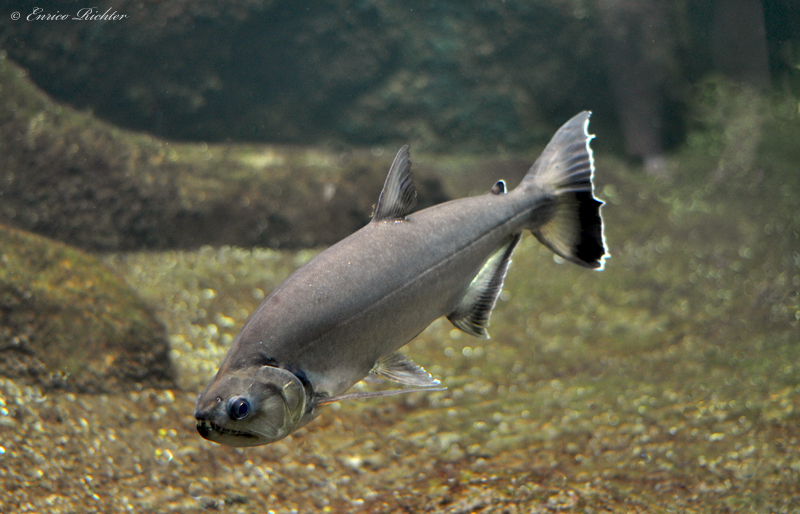
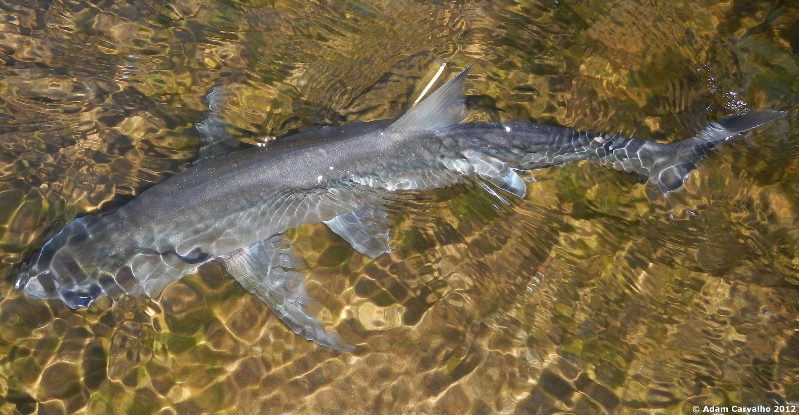
臀鳍和尾鳍边缘的白边是重要辨识特征,其内侧有暗带。它常与较小近亲混淆,不能仅按“暴牙”类泛称推定成年大小。
图片
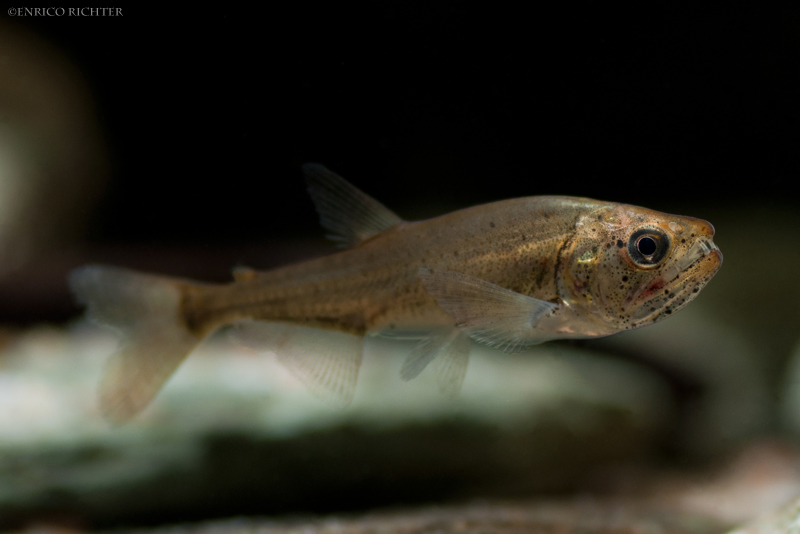
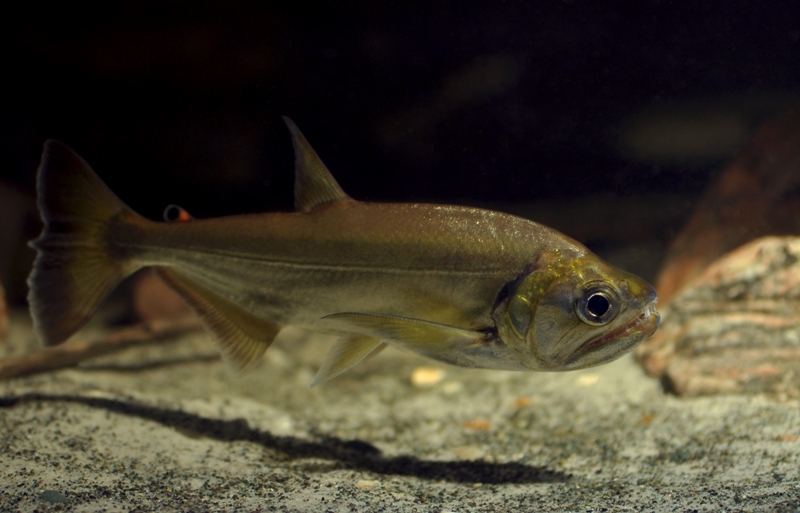
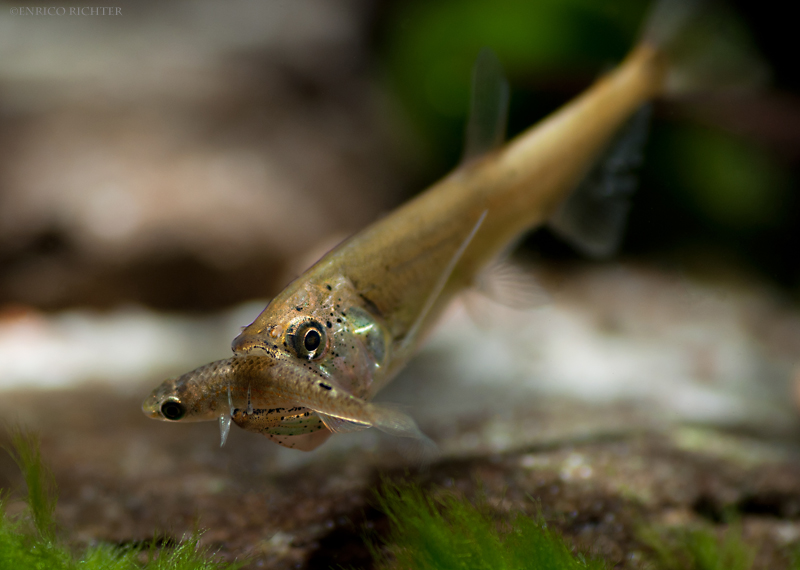
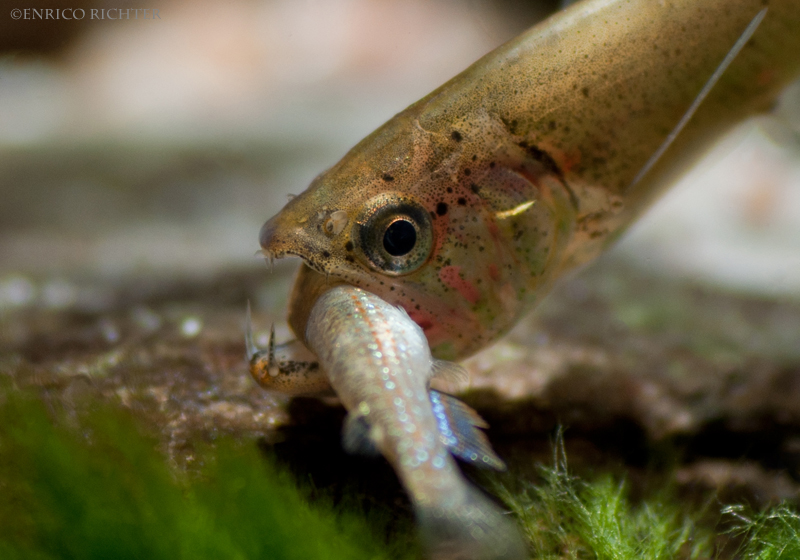
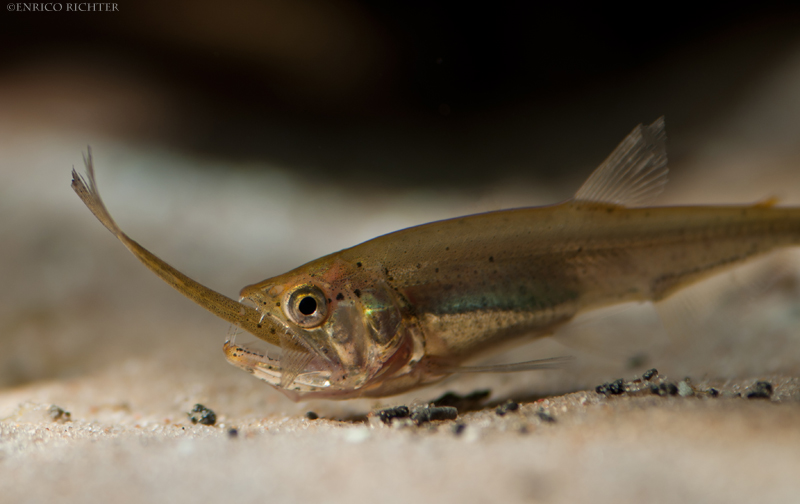
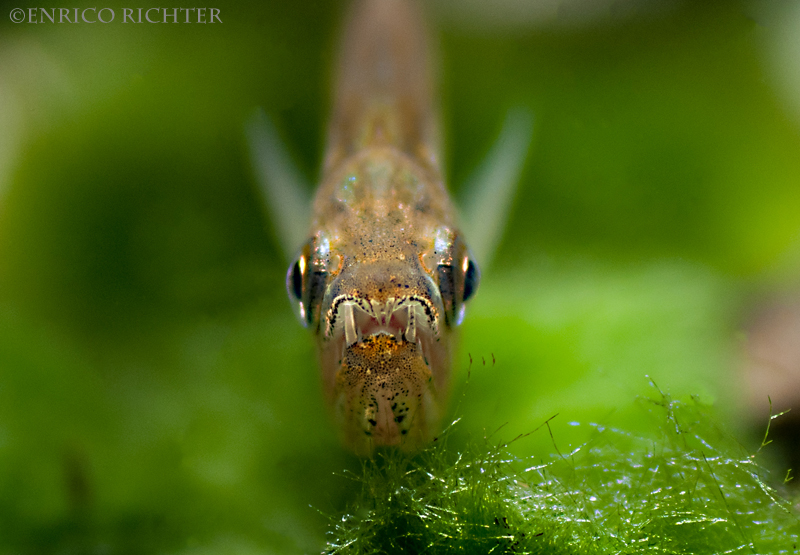
图片来自 SeriouslyFish,版权归各摄影者所有。
English
Overview
A large piscivorous dogtooth characin, Hydrolycus armatus reaches 66 cm and generally requires public-display facilities or an exceptionally large private installation. The availability of juveniles should not obscure adult housing needs, especially when trade identification is unreliable.
Distribution & habitat
Records cover the eastern Brazilian Amazon, Venezuela’s Orinoco, and Guyana’s Essequibo. Adults occupy open water in flowing main channels and large tributaries of both whitewater and blackwater rivers, and also occur in reservoirs. Smaller tributaries and flooded forest probably shelter juveniles.
Aquarium setup
Decor is secondary and bare layouts are possible. Prioritize abundant oxygen, moderate circulation, and stable conditions through suitable filtration, pumps, and aeration. Use only a mature system and change 30–50% weekly.
A secure, close-fitting cover is essential because jumping is powerful. Ordinary home aquariums are inadequate for long-term housing.
Diet & feeding
An obligate fish eater, it can take prey around half its own size. Fresh imports often insist on live fish, but most can learn to recognize nonliving alternatives. Avoid beef heart, chicken, and similar terrestrial meats. Routine feeder-fish use risks introducing pathogens and may provide poor nutrition.
Behaviour & compatibility
Aggression is directed particularly at conspecifics and similar-looking fishes. Solitary housing is preferable; very large bottom dwellers are a possibility only in exceptional facilities.
Breeding
Aquarium breeding is unrecorded. River populations reproduce roughly from November to April and migrate upstream to do so.
Notes
White anal- and tail-fin margins, bordered inwardly by dark bands, are important identification features. It is often confused with a smaller relative, so broad trade names are unsafe guides to adult size.
来源
- https://www.seriouslyfish.com/species/hydrolycus-armatus(抓取于 2026-10-10)
hydrolycus-armatus · 文件: data/species/hydrolycus-armatus.md · 状态: 草稿