熊猫鼠 · Panda Cory
概要
| 字段 | 值 |
|---|---|
| 类别 | 鱼 |
| 学名 | Hoplisoma panda |
| 别名 | 波鰭兵鯰、Corydoras panda、波鳍兵鲶 |
| 分类 | 鲶形目 Siluriformes › 美鲶科 Callichthyidae › Hoplisoma |
| 水体 | 淡水 |
| 成体体长 | 5 cm |
| 饲养难度 | 入门 |
| 最小水体 | 41 L |
| 最小缸长 | 45 cm |
| 群居方式 | 群游 |
| 性情 | 温和 |
| 外部数据 | seriouslyfish hoplisoma-panda;fishbase 12188 |
| 原产地 | 秘鲁的亚马孙河上游 |
| 食性 | 杂食 |
| 繁殖方式 | 产卵 |
| 特征 | 无鳞/细鳞: 是 |
水质参数
| 参数 | 耐受范围 | 最适范围 | 单位 |
|---|---|---|---|
| 水温 | 22–25 | — | °C |
| pH | 6–7.4 | — | — |
| 总硬度 | 1–12 | — | dGH |
概述
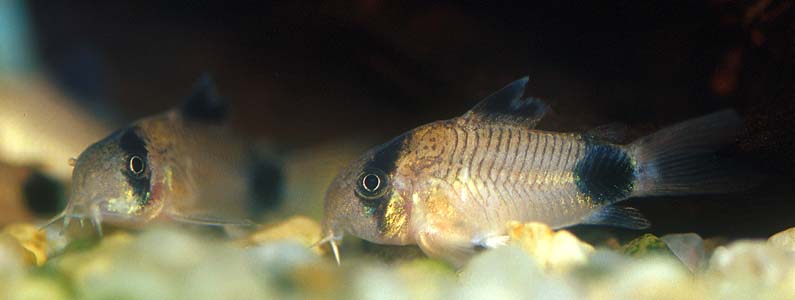
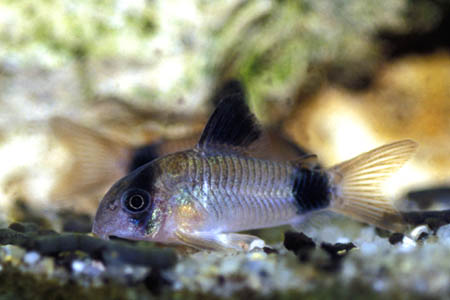
熊猫鼠(Hoplisoma panda)因黑白相间的体纹而得名,旧资料中常用另一学名 Corydoras panda。如今市售个体几乎都是人工繁殖鱼,通常比野生鱼更能适应缸养环境。
分布与栖息地
原产秘鲁的亚马孙河上游,生活在清水或黑水溪流及支流中,常见沙质河床。安第斯山融雪径流会使部分栖地季节性降温,并增大流量。
饲养环境
可用河沙、沉木、树根和干燥落叶布置原生境风格鱼缸,照明保持柔和;水草缸也能饲养。底砂必须洁净,老化落叶应及时处理,避免腐烂污染。不建议使用底滤板,底部长期脏污容易导致须部受损。
人工繁殖鱼适合现有参数范围,长期偏热可能缩短寿命,不能因它来自热带就持续高温饲养。
食性与喂食
杂食,日常可用优质下沉颗粒或片状底栖饲料,再搭配水蚤、丰年虾、红虫等活饵或冷冻饵料。应确保食物真正落到它们能吃到的地方,不能期待它们只靠其他鱼的残饵生活,也不要把鼠鱼当成清洁底砂的工具。
习性与混养
性情温和,建议至少 6 条成群,通常会更活跃、更有安全感。适合搭配温和的小鱼,避开体形过大或攻击性强的缸友。
雌雄区分
从上方观察较容易分辨,成熟雌鱼腹部更圆,体形往往略大。
繁殖
繁殖缸可用薄沙或裸底,配不会吸入鱼苗的气动过滤和细叶植物。可让雄鱼多于雌鱼,用多样食物调理后,再尝试以较凉水换水并加强增氧、流动来诱导产卵。
配对时会出现典型的“T 字姿势”,雌鱼用腹鳍暂托卵,再把卵贴到缸壁等表面。亲鱼会吃卵,产后需移走亲鱼,或把卵转到同水质、充足增氧的容器。及时剔除发霉的卵,减少蔓延。
卵约经 3~5 天孵化,仔鱼吸收卵黄后可用微虫和丰年虾无节幼体开口。有观察认为,薄沙底育苗可能比裸底更不易出现疾病。
补充说明
体表有骨板而非普通鳞片,胸鳍硬刺容易挂网,也可能刺伤人,转移时要小心。偶尔冲到水面吞气是正常行为,但若频率明显增加,应留意水质是否恶化。
图片
图片来自 SeriouslyFish,版权归各摄影者所有。
用药风险
按有效成分禁忌与本物种特征自动判断;物种特征未知时不会命中,不代表安全。
English
Overview
The panda cory, Hoplisoma panda, is still encountered under its former name, Corydoras panda. Its contrasting markings make it recognizable, and almost all aquarium stock now comes from farms. Captive production has generally yielded more adaptable fish than wild imports.
Distribution & habitat
Native populations inhabit the upper Amazon region of Peru. They occupy sandy creeks and tributaries containing either clear or dark water. Seasonal Andean meltwater can cool these habitats and increase their flow.
Aquarium setup
Sand, roots, wood, and dried leaves suit a naturalistic arrangement with subdued lighting. A conventional planted aquarium can also work. Maintain a clean bottom and replace deteriorating leaves before they foul the water. Avoid undergravel filtration. Poor substrate hygiene can damage the barbels.
Keep farmed fish within the stated maintenance range; prolonged excessive warmth can reduce their longevity.
Diet & feeding
These omnivores need deliberate feeding with sinking pellets or tablets. Supplement prepared foods with small frozen or live items, including water fleas, brine shrimp, and bloodworms. Check that food reaches the group. Leftovers from other fish are not an adequate feeding plan, and corys do not replace substrate maintenance.
Behaviour & compatibility
Choose peaceful companions and avoid very large or aggressive fish. A group containing at least six panda corys is preferable, since company encourages confidence and activity.
Sexual dimorphism
Viewed from above, adult females usually have broader abdomens and may be slightly larger overall.
Breeding
Use fry-safe air-driven filtration with fine vegetation in a dedicated aquarium. The bottom may be bare or lightly covered with sand. A male-biased breeding group can be conditioned on varied foods; cooler replacement water and increased aeration and movement may encourage spawning.
During the characteristic T-shaped pairing, the female holds eggs briefly between her pelvic fins before attaching them to a surface, often glass. Adults can consume the spawn. Remove them or transfer eggs into well-aerated water matching the spawning aquarium, and discard eggs that develop fungus.
Hatching generally takes three to five days. After yolk absorption, microworms and brine shrimp nauplii can serve as starter foods. A thin sand layer has reportedly produced fewer disease problems than a bare rearing floor.
Notes
Bony plates replace ordinary scales. Sharp pectoral spines can snag in nets or puncture skin, so handle transfers carefully. An occasional dash to swallow surface air is normal; a marked increase in frequency can accompany worsening water conditions.
来源
- https://www.seriouslyfish.com/species/hoplisoma-panda(抓取于 2026-10-10)
hoplisoma-panda · 文件: data/species/hoplisoma-panda.md · 状态: 草稿