梅氏兵鲶 · False Bandit Cory
概要
| 字段 | 值 |
|---|---|
| 类别 | 鱼 |
| 学名 | Hoplisoma melini |
| 别名 | 梅氏兵鯰、Corydoras melini |
| 分类 | 鲶形目 Siluriformes › 美鲶科 Callichthyidae › Hoplisoma |
| 水体 | 淡水 |
| 原产地 | 巴西、哥伦比亚 |
| 成体体长 | 5 cm |
| 饲养难度 | 入门 |
| 最小水体 | 72 L |
| 最小缸长 | 80 cm |
| 群居方式 | 群游 |
| 性情 | 温和 |
| 水流偏好 | 低 |
| 外部数据 | seriouslyfish hoplisoma-melini;fishbase 12184 |
| 食性 | 杂食 |
| 繁殖方式 | 附着产卵 |
水质参数
| 参数 | 耐受范围 | 最适范围 | 单位 |
|---|---|---|---|
| 水温 | 20–26 | — | °C |
| pH | 4–7 | — | — |
| 总硬度 | 1–5 | — | dGH |
概述
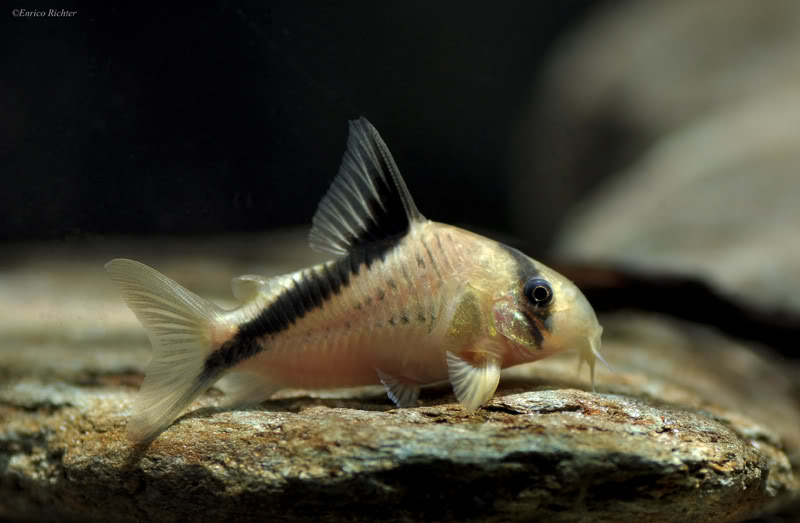
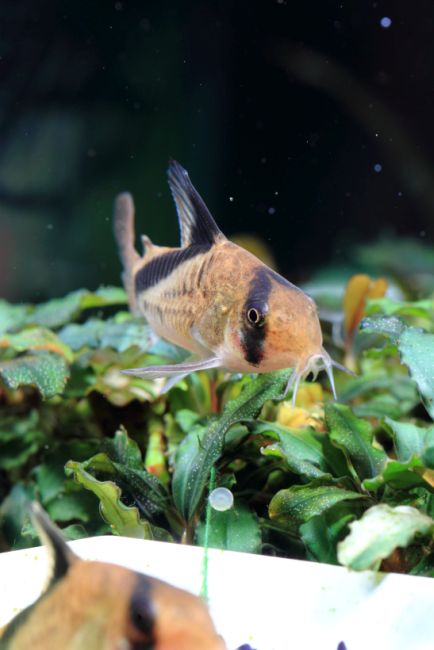
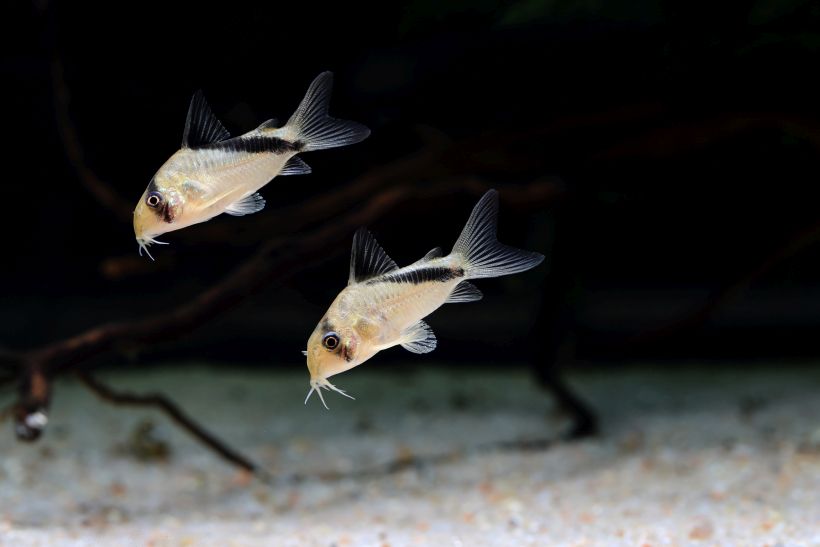
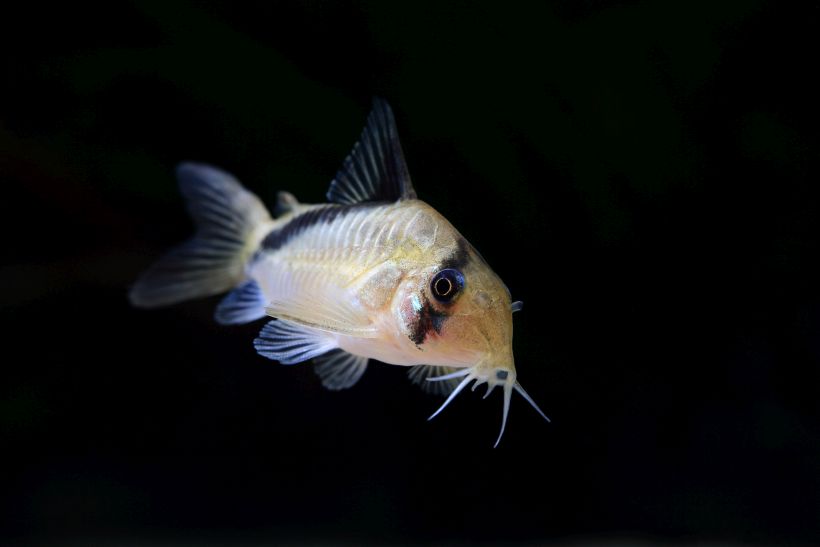
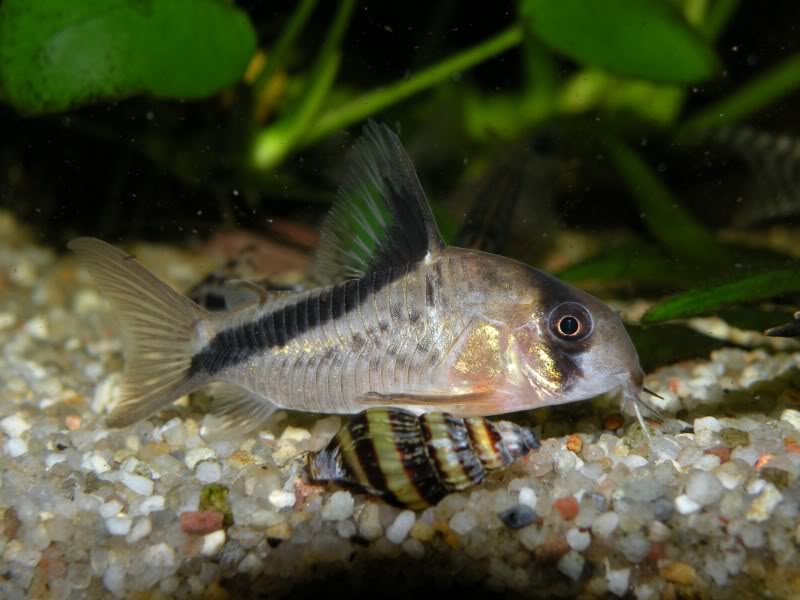
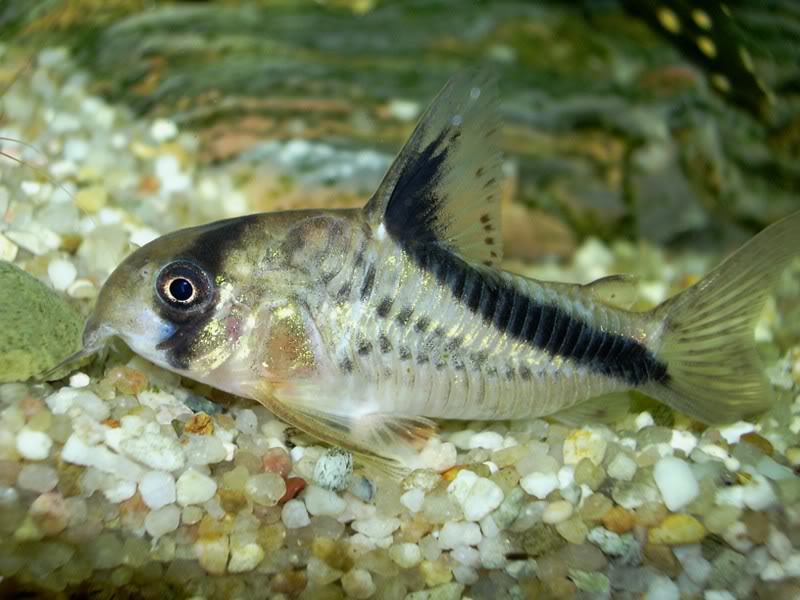
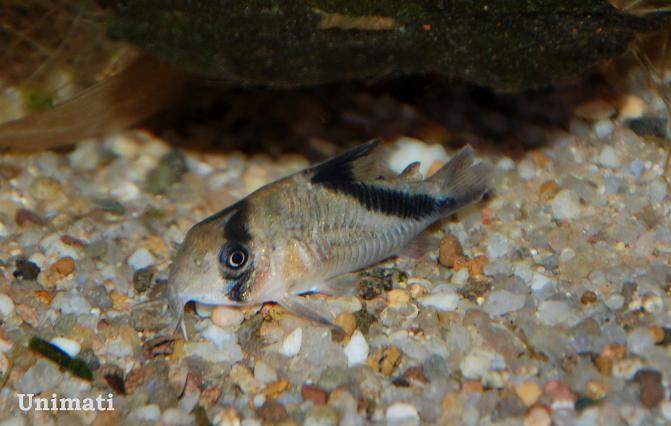
梅氏兵鲶(Hoplisoma melini)的斜背暗带在尾柄上方分成两条,体侧还有额外暗纹。它适合软酸黑水风格、温和过滤和同种群养,地理记录中的“梅塔”需分清行政区与河流。
分布与栖息地
分布于巴西西北和哥伦比亚中东部的内格罗、卡克塔及奥里诺科支流,包括乌奥佩斯、蒂基耶等水系。虽见于哥伦比亚梅塔省,却似未在梅塔河流域采到。栖于清洁黑水支流和淹水森林,水通常茶色、极软低电导、酸碱度约 4~6。
饲养环境
长期底面积宜至少约 80 × 30 厘米,细沙、沉木枝和干落叶提供遮蔽。落叶上的微生物可补充幼鱼食物。海绵式温和过滤通常足够,可有少量水流;野生鱼可能更适合现有酸碱度范围中低端。
食性与喂食
杂食,可喂下沉干粮与小型活冷冻食物,保持多样并主动投喂,不只依赖残饵。
习性与混养
温和合群,至少四至六尾一起饲养。
雌雄区分
雌鱼通常较大,成熟后更圆宽,抱卵时尤其明显。
繁殖
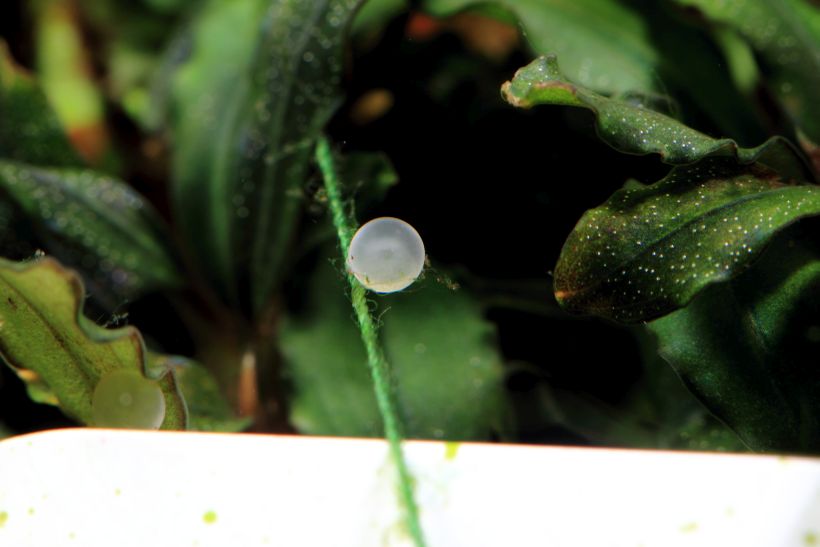
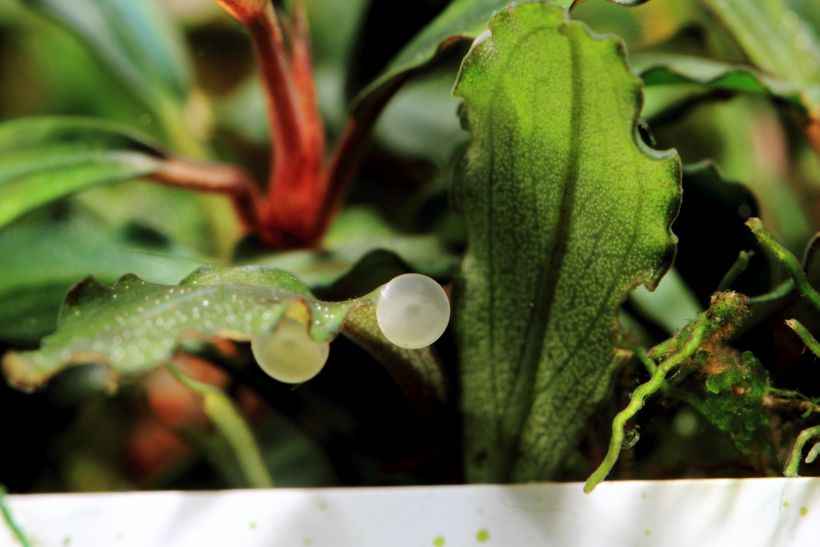
可一雌两雄,抱卵后偏凉水换约 50%~70% 并暂增氧和水流。卵通常附在玻璃,也可提供细叶植物或产卵拖把。产后分开亲鱼与卵,孵化用同缸水并保持充氧、注意霉卵。一般三至四天孵化,卵黄吸收后喂微虫或丰年虾无节幼体;水质应很好,薄沙底似比裸底更合适。
补充说明
同样具有分叉背带的 H. davidsandsi 通常还有浅橙色头后区域且缺少体侧暗纹,可综合比较。蒂基耶种群在贸易中称 C084,秘鲁相似大一些的 C085 不应直接当作确定的同种分布。偶尔吞气可辅助呼吸,胸鳍棘及可能的腺体毒性提示搬动要小心。
图片
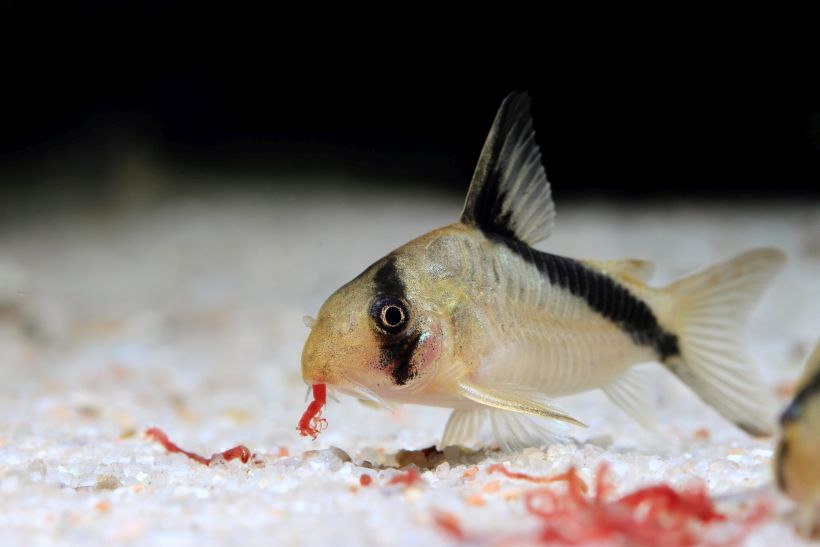
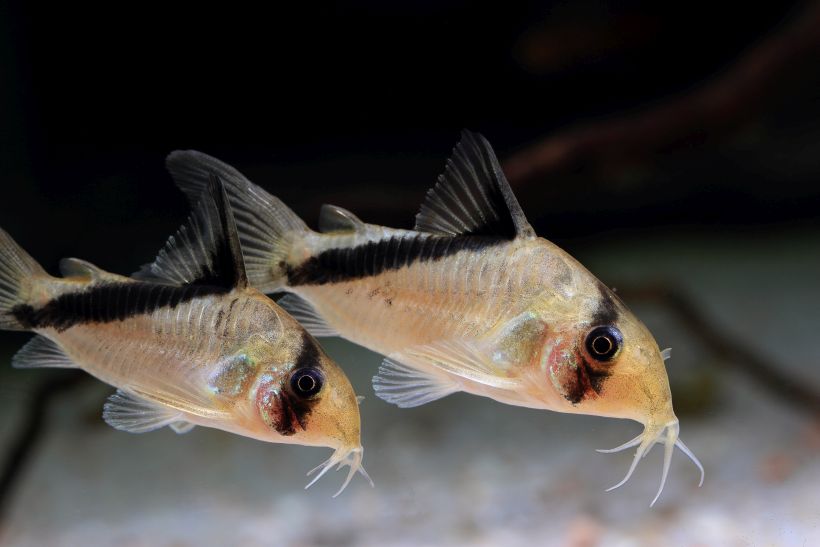
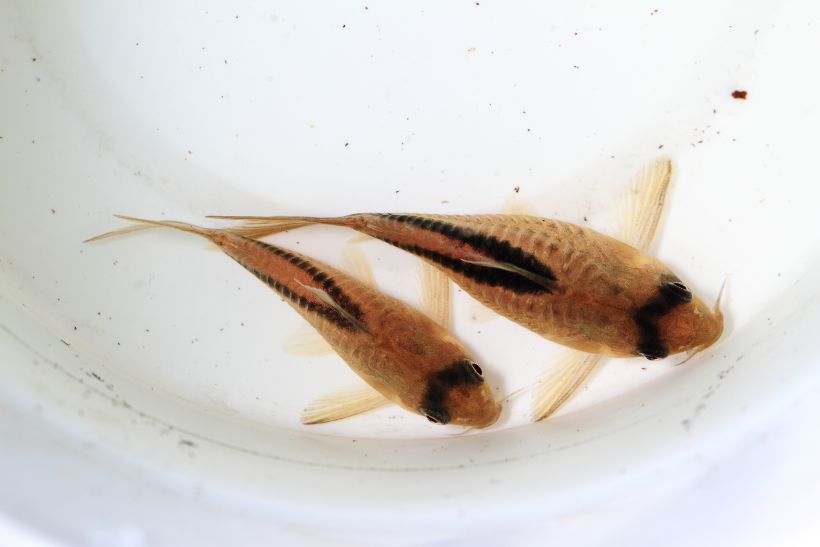
图片来自 SeriouslyFish,版权归各摄影者所有。
English
Overview
A split dark stripe above the tail base and additional flank markings characterize Hoplisoma melini. Soft acidic conditions, gentle filtration, and conspecific company suit this blackwater fish. Its geographic records require distinguishing Meta Department from the Meta River basin.
Distribution & habitat
The range spans Negro, Caquetá, and Orinoco tributaries in northwestern Brazil and east-central Colombia. Records include the Uaupés and Tiquié systems. Occurrence in Meta Department does not establish occurrence in the Meta drainage. Pristine blackwater streams and flooded forest typically have very soft, low-conductivity water around pH 4–6.
Aquarium setup
Provide at least an 80 by 30 cm footprint for long-term care. Sand, branches, and dried leaves supply cover, with leaf-associated microorganisms offering supplementary food for fry. Gentle sponge filtration is usually adequate. Wild fish may fare best toward the lower or middle part of the stated pH range.
Diet & feeding
Offer varied sinking foods and small live or frozen supplements directly; community scraps are insufficient for this omnivore.
Behaviour & compatibility
Maintain at least four to six together to accommodate its peaceful social habits.
Sexual dimorphism
Females tend to be larger and fuller-bodied, especially when gravid.
Breeding
Use two males per female and encourage gravid fish with a 50–70% cooler-water change and increased oxygenation. Glass is a common egg site, with fine plants or spawning mops as alternatives. Separate adults and eggs afterward and incubate in aerated breeding-tank water, monitoring fungus. Hatching usually takes three to four days. Feed small live foods after yolk absorption; excellent water quality and a thin sand bed favor rearing.
Notes
The related H. davidsandsi shares a split stripe but differs in its pale orange area behind the head and lack of extra flank markings. Tiquié fish are associated with C084; the similar Peruvian C085 should not automatically be treated as a confirmed population of this species. Occasional air gulps supplement respiration. Handle carefully around pectoral spines and their potentially mildly toxic gland secretions.
来源
- https://www.seriouslyfish.com/species/hoplisoma-melini(抓取于 2026-10-10)
hoplisoma-melini · 文件: data/species/hoplisoma-melini.md · 状态: 草稿