哈伯兵鲶 · Salt and Pepper Cory
概要
| 字段 | 值 |
|---|---|
| 类别 | 鱼 |
| 学名 | Hoplisoma habrosum |
| 别名 | 哈伯兵鯰、Corydoras habrosus |
| 分类 | 鲶形目 Siluriformes › 美鲶科 Callichthyidae › Hoplisoma |
| 水体 | 淡水 |
| 原产地 | 哥伦比亚、委内瑞拉 |
| 成体体长 | 3.5 cm |
| 饲养难度 | 入门 |
| 最小水体 | 54 L |
| 最小缸长 | 60 cm |
| 群居方式 | 群游 |
| 性情 | 温和 |
| 外部数据 | seriouslyfish hoplisoma-habrosum;fishbase 46083 |
| 食性 | 杂食 |
| 繁殖方式 | 附着产卵 |
水质参数
| 参数 | 耐受范围 | 最适范围 | 单位 |
|---|---|---|---|
| 水温 | 20–26 | — | °C |
| pH | 5.5–7.5 | — | — |
| 总硬度 | 2–10 | — | dGH |
概述
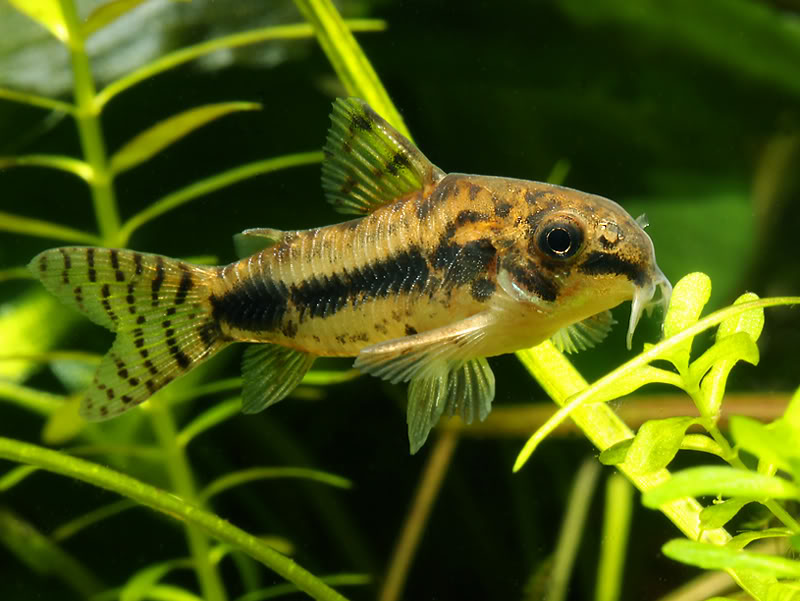
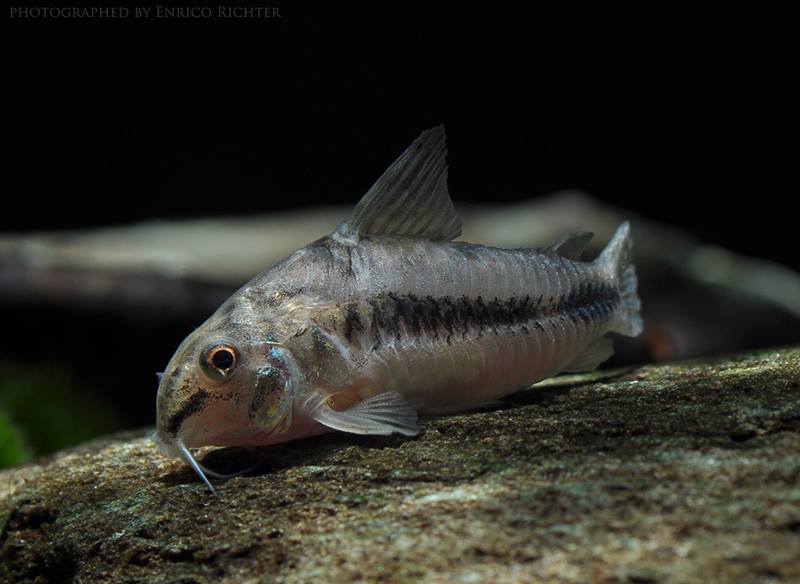
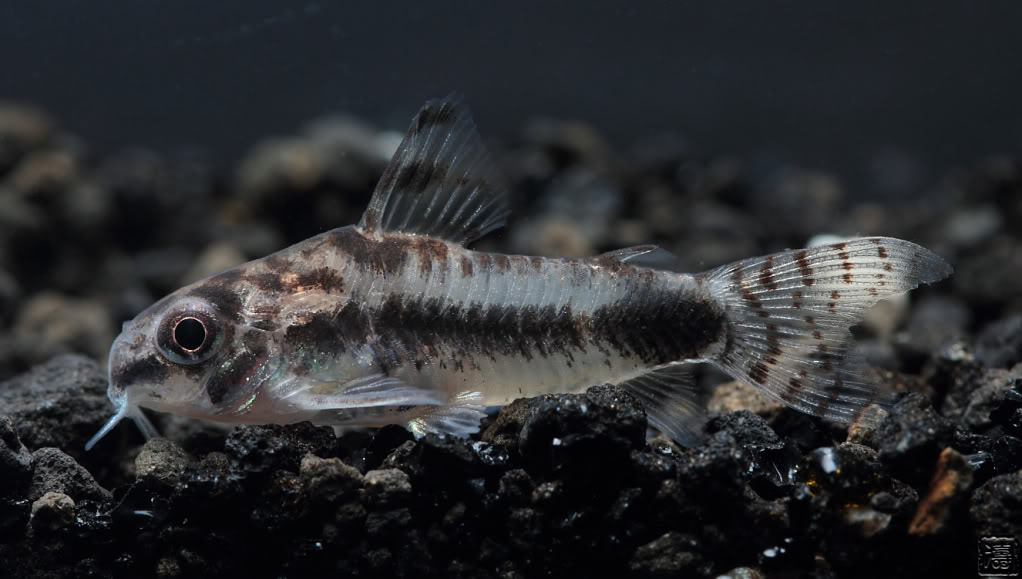
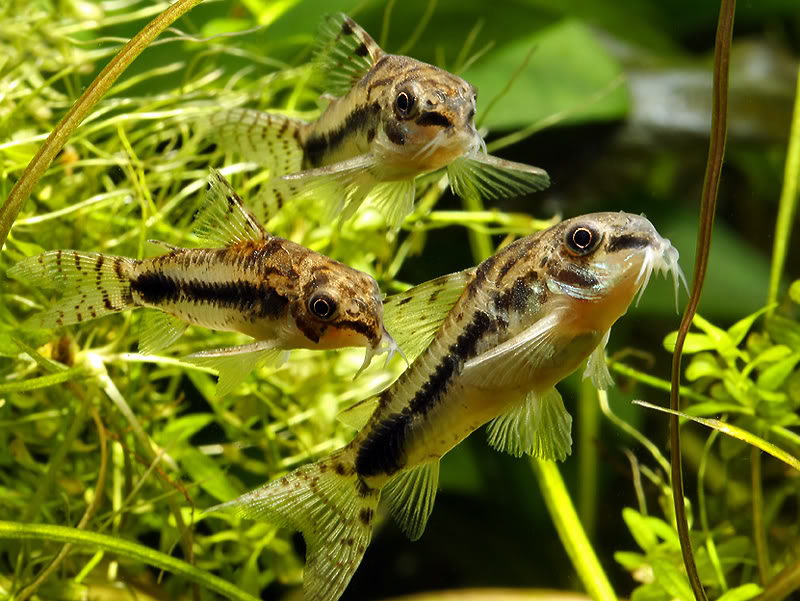
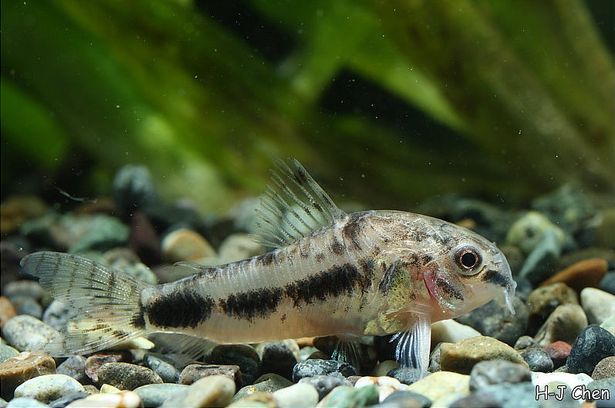
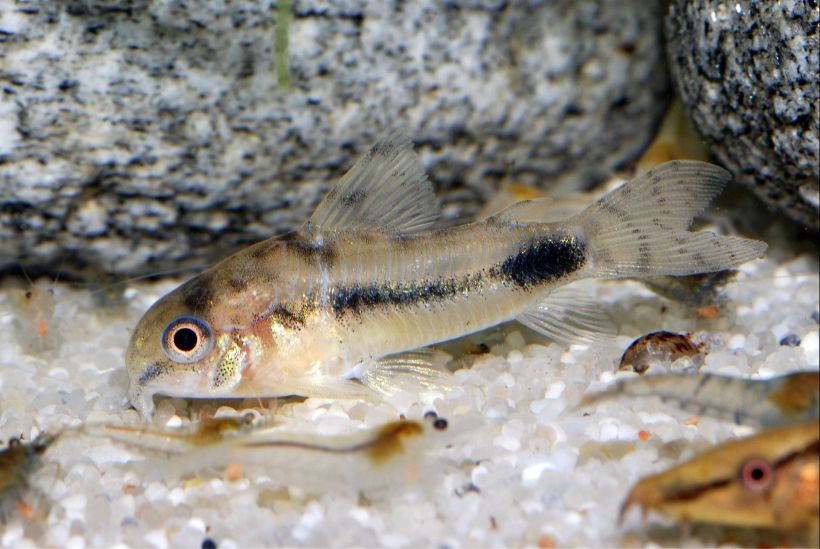
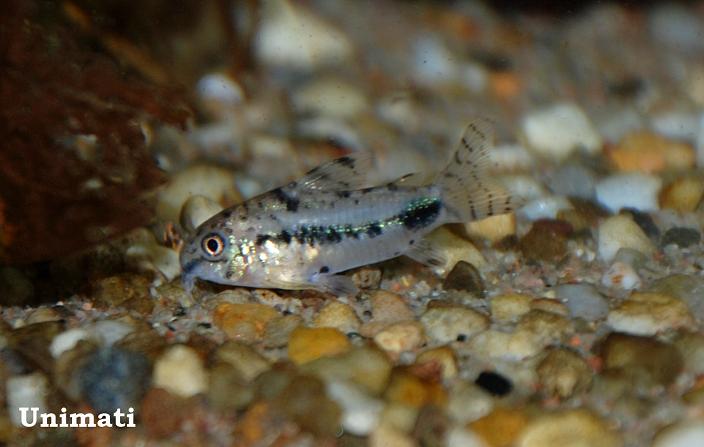
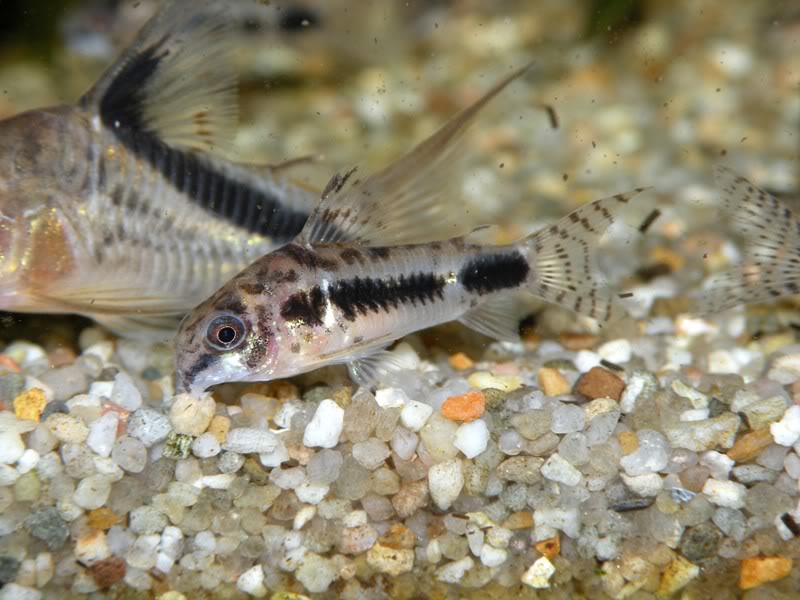
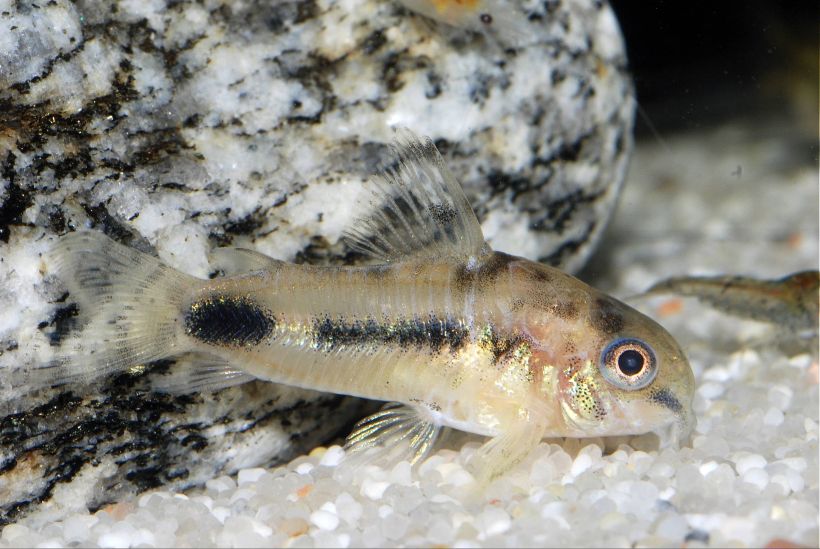
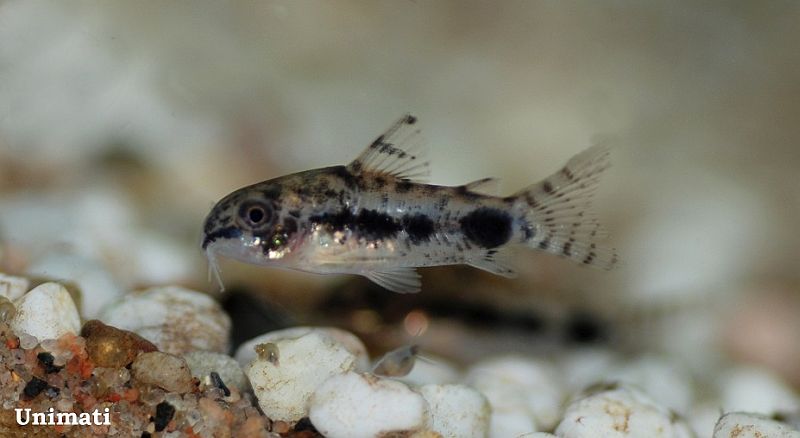
哈伯兵鲶(Hoplisoma habrosum)是一种体型很小、温和合群的鼠鱼,体侧通常有两至三处深色斑纹。小体型不代表适合微型缸,它仍需要足够底面积与同种群体。
分布与栖息地
原产哥伦比亚东部和委内瑞拉西部的上奥里诺科河流域,似乎主要限于左岸支流。多数记录来自阿普雷河水系,哥伦比亚已确认地点包括阿劳卡河与卡萨纳雷河;其他邻近河流的分布仍属于推测。
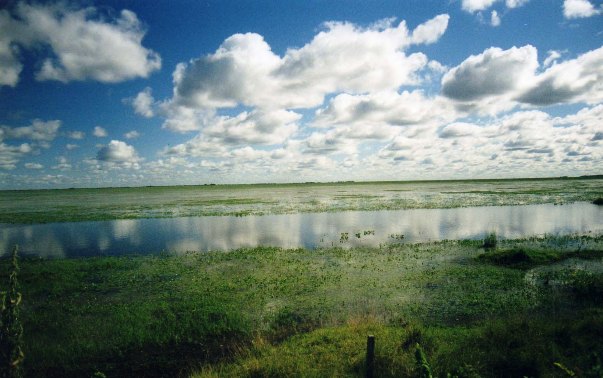
当地平原雨季大面积淹水。本种似乎偏好水流不强的潟湖、支流、淹水森林和草地边缘,常聚在沉水植被、树枝或树根附近。
饲养环境
使用细砂,或认真保持清洁的圆滑砾石,提供遮蔽物形成安全感。缸体须满足群居和底部活动需求,不能因个体微小而只提供很少空间。
食性与喂食
杂食,可用沉底干粮搭配小型活饵与冷冻饵料,保证多样且适口。应专门投喂给鱼群,不能依赖其他鱼的残饵或期待它们自行清缸。
习性与混养
温和群居,至少四至六条,条件允许时十条以上更理想。底部遮蔽和正常摄食机会应与群体规模一起考虑。
雌雄区分
雌鱼通常较大,成熟后身体更宽、体高更明显。
繁殖
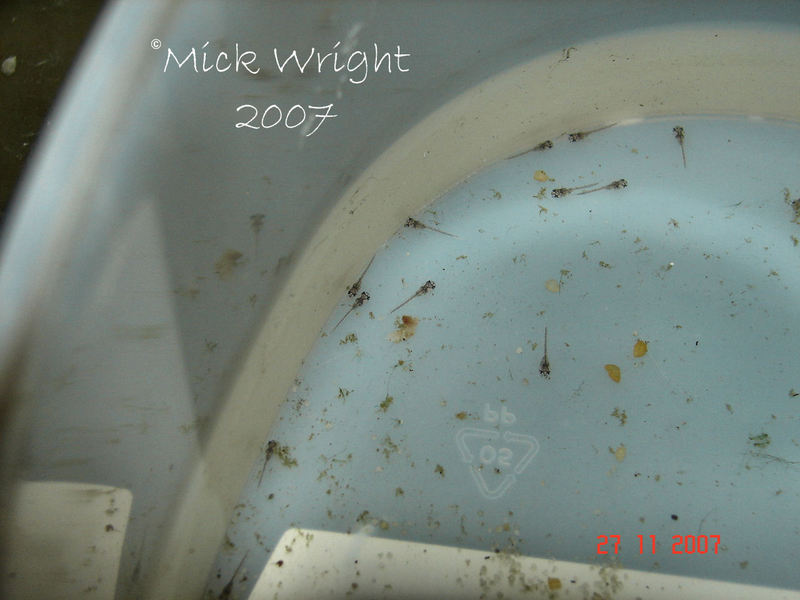
可按常见鼠鱼方法繁殖,每雌配两条或更多雄鱼。亲鱼养好后,较软、较凉的换水配合增加供氧和水流可刺激产卵。卵可附在缸壁、细叶植物或沉底拖把上,拖把便于转移。
产后分开卵与亲鱼,转卵时保持水质一致和充分供氧。通常约三至四天孵化,卵黄吸收完后用微虫、丰年虾无节幼体开口。幼鱼需要非常好的水质,并不算容易养大,薄砂底似乎比裸缸更少出问题。
补充说明
与科氏兵鲶(Hoplisoma cochui)相比,本种体侧暗纹通常更少,但花纹数量及分布存在变化,变异来自个体还是不同种群尚不清楚。偶尔上浮吞气属于辅助呼吸,胸鳍硬刺可挂网或刺伤,转移时小心操作。
图片
图片来自 SeriouslyFish,版权归各摄影者所有。
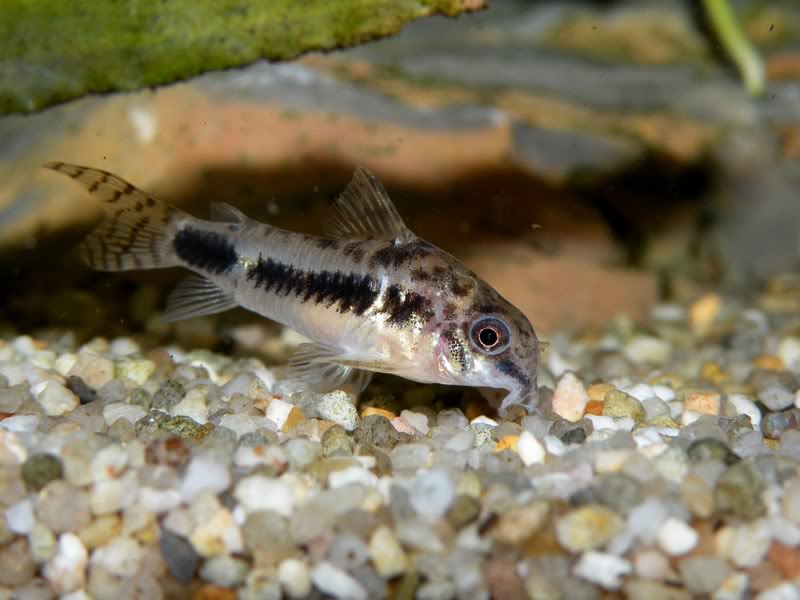
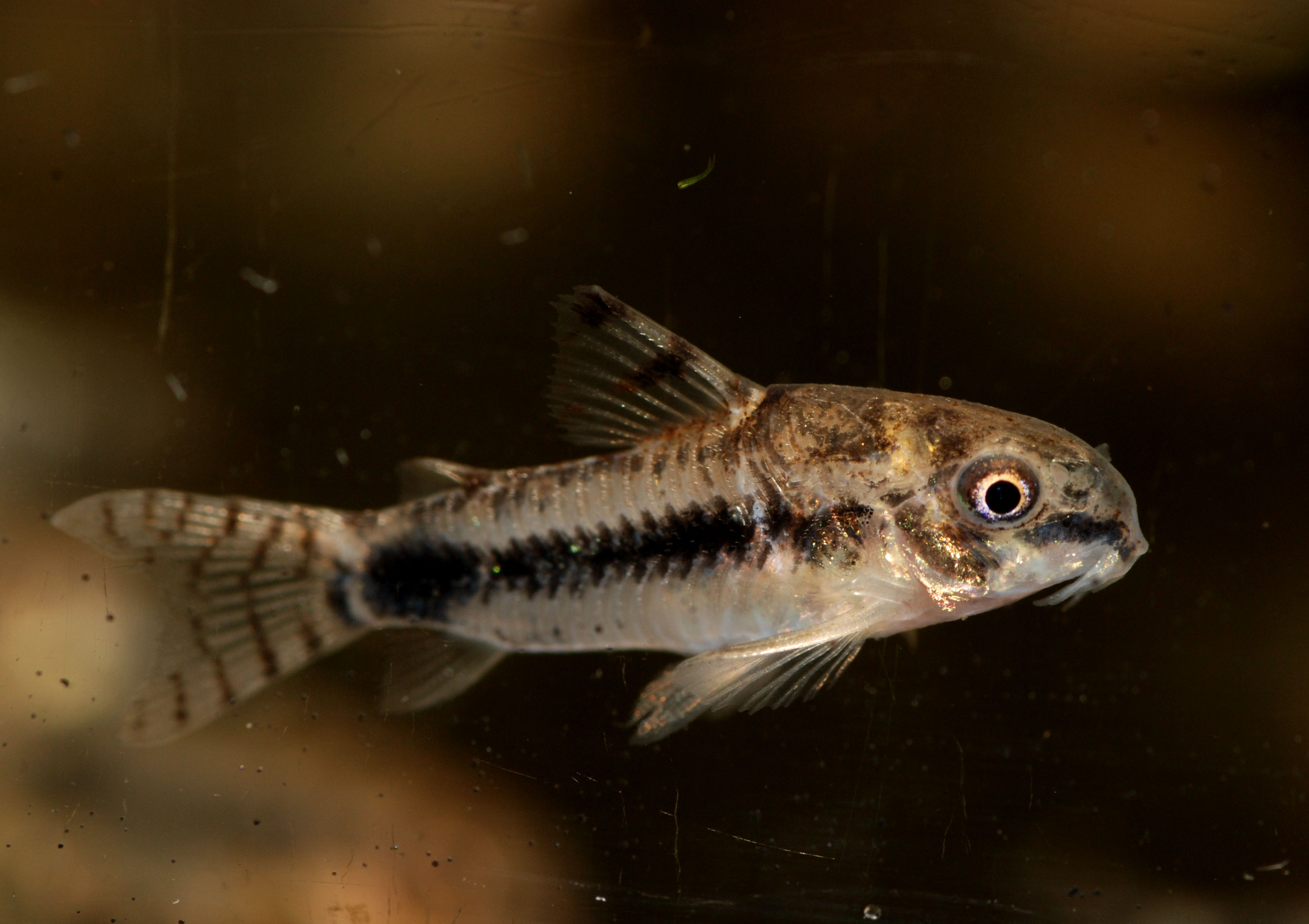
English
Overview
The tiny Hoplisoma habrosum is a peaceful social catfish, usually showing two or three dark flank markings. Small adult size does not make it suitable for a cramped nano aquarium; a group still needs adequate floor space.
Distribution & habitat
It is native to the upper Orinoco basin in eastern Colombia and western Venezuela, apparently concentrated in left-bank tributaries. Most records are from the Apure system. Confirmed Colombian sites include the Arauca and Casanare, while occurrence in some intervening drainages remains inferential.
Seasonal floods transform the surrounding plains. The fish appears to favor quiet lagoons, tributaries, flooded forest, grassland margins, and shelter near submerged plants or woody structures.
Aquarium setup
Choose fine sand or carefully cleaned smooth gravel, with cover for security. Allow enough room for the group's activities instead of scaling the aquarium down solely because individual fish are small.
Diet & feeding
Offer an omnivorous variety of sinking prepared foods and suitably small live or frozen items. Feed the group deliberately. Leftovers and presumed cleanup activity cannot replace regular meals.
Behaviour & compatibility
Keep at least four to six, ideally ten or more where conditions permit. Group size, shelter, and reliable access to food should be planned together.
Sexual dimorphism
Females usually become larger, broader, and deeper-bodied at maturity.
Breeding
Common cory methods can work with two or more males per female. Condition adults before using softer, cooler replacement water and increased oxygenation and flow to encourage spawning. Glass, fine plants, and submerged mops can receive eggs, with mops making transfer easier.
Separate eggs and adults after spawning. Transferred eggs need matching water and good oxygenation. Incubation normally lasts three or four days. Feed microworms or brine shrimp nauplii after yolk absorption. Fry are demanding and require excellent water quality; thin sand appears to reduce problems relative to a bare base.
Notes
Compared with Hoplisoma cochui, this species normally has fewer dark flank markings. Pattern variation exists, but whether it reflects individuals or populations is unresolved. Occasional surface gulps provide auxiliary breathing. Pectoral spines can snag nets or puncture skin, requiring care during transfers.
来源
- https://www.seriouslyfish.com/species/hoplisoma-habrosum(抓取于 2026-10-10)
hoplisoma-habrosum · 文件: data/species/hoplisoma-habrosum.md · 状态: 草稿